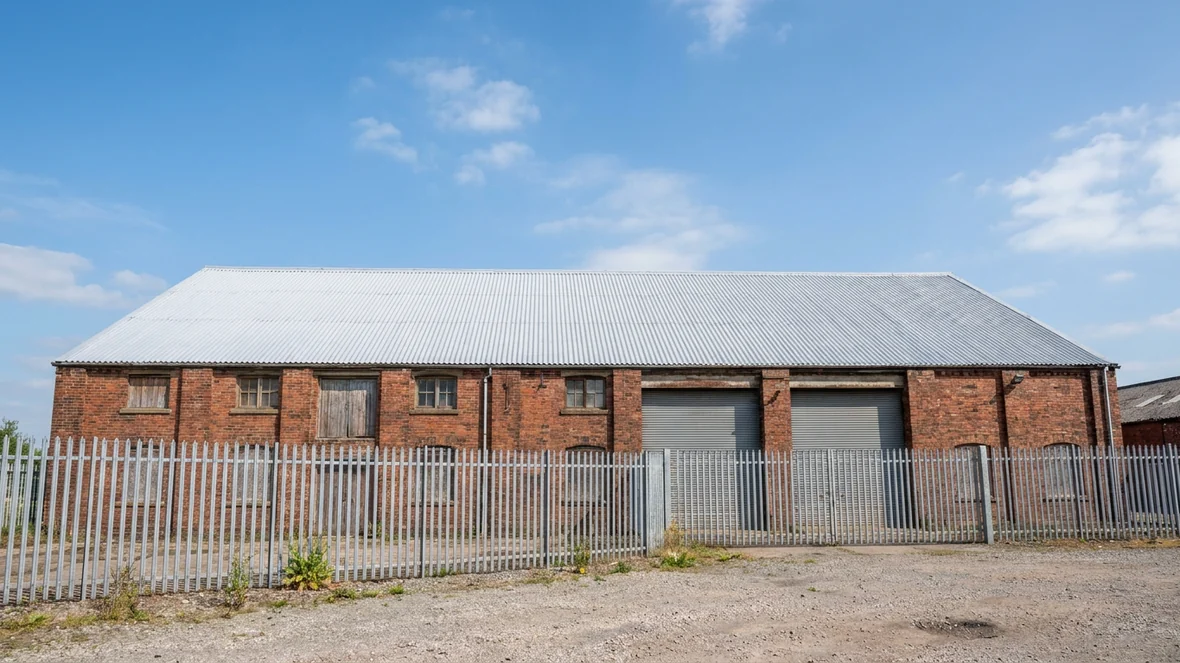
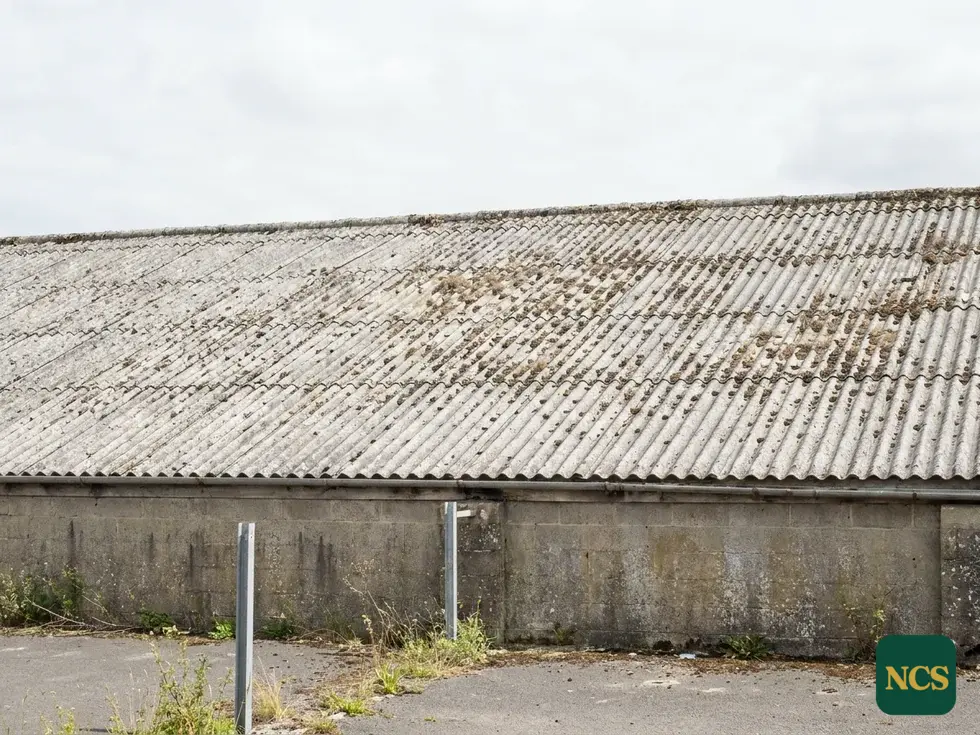
Leave corrugated asbestos cement out in South Yorkshire weather for fifty years and it changes. The cement matrix at the surface slowly erodes, moss and algae colonise the laps, freeze-thaw cycles open hairline cracks, and the fibres the cement once bound begin to sit closer to the surface. None of this happens quickly, but on roofs across Doncaster it has been happening since the sheets first went up.
What weathering actually does to these roofs
A new asbestos cement sheet holds its fibres tightly in the cement. Decades of rain, frost and ultraviolet exposure eat the surface paste away, leaving the sheet porous, weaker and more prone to releasing fibres when disturbed. Gutters on old asbestos roofs often carry the evidence: a sediment of washed-off cement and debris. The sheet may still be doing its job structurally, but the direction of travel is one way, and the duty to manage asbestos under the Control of Asbestos Regulations 2012 requires you to respond to condition, not ignore it.
Doncaster’s working buildings
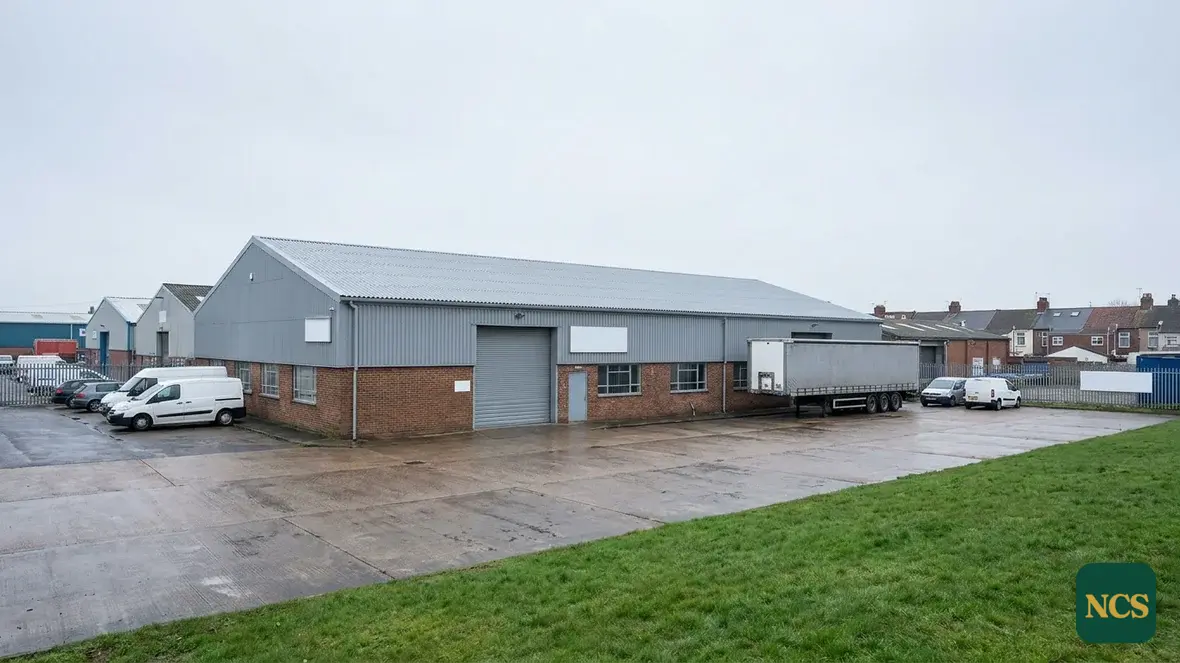
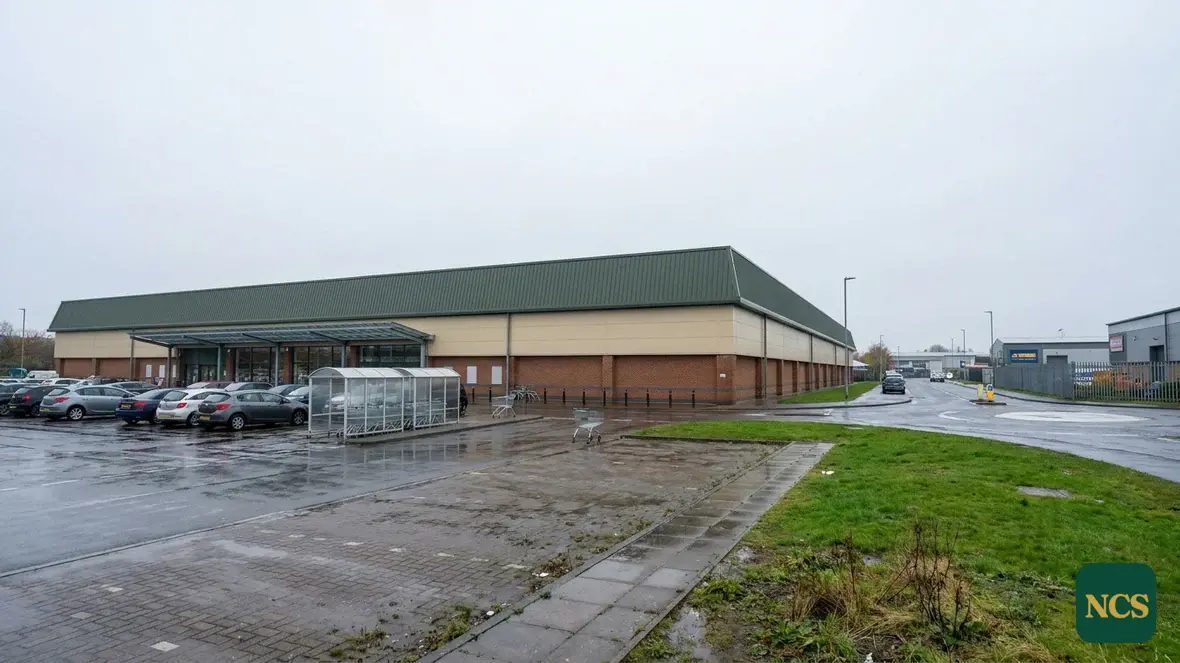
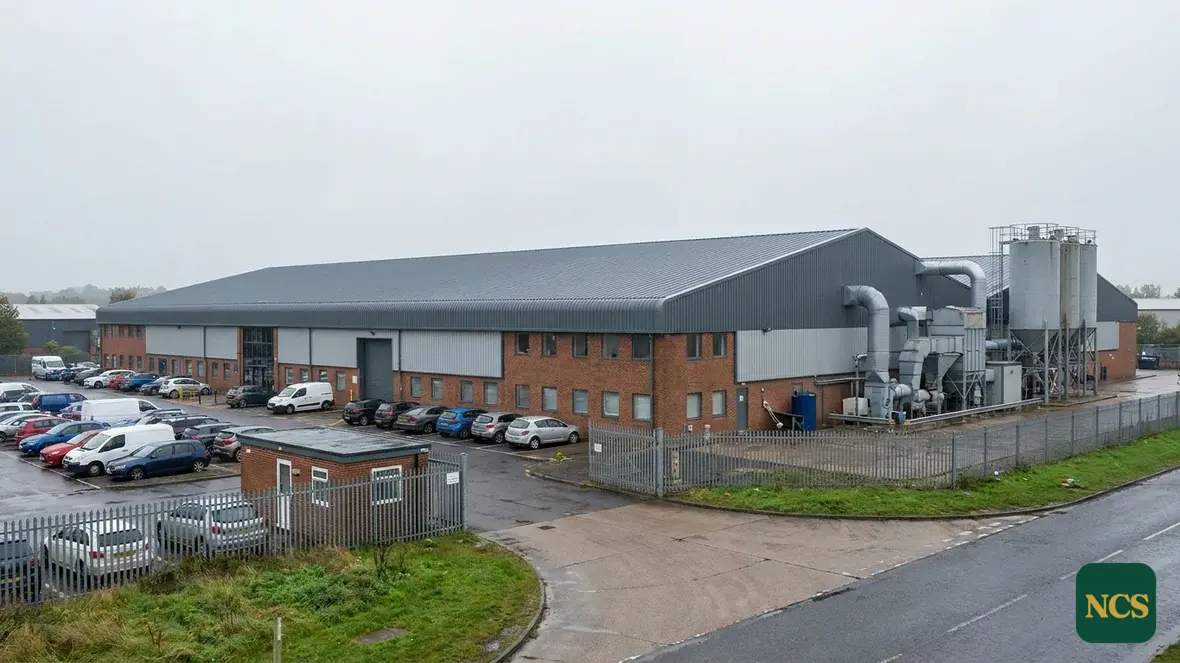
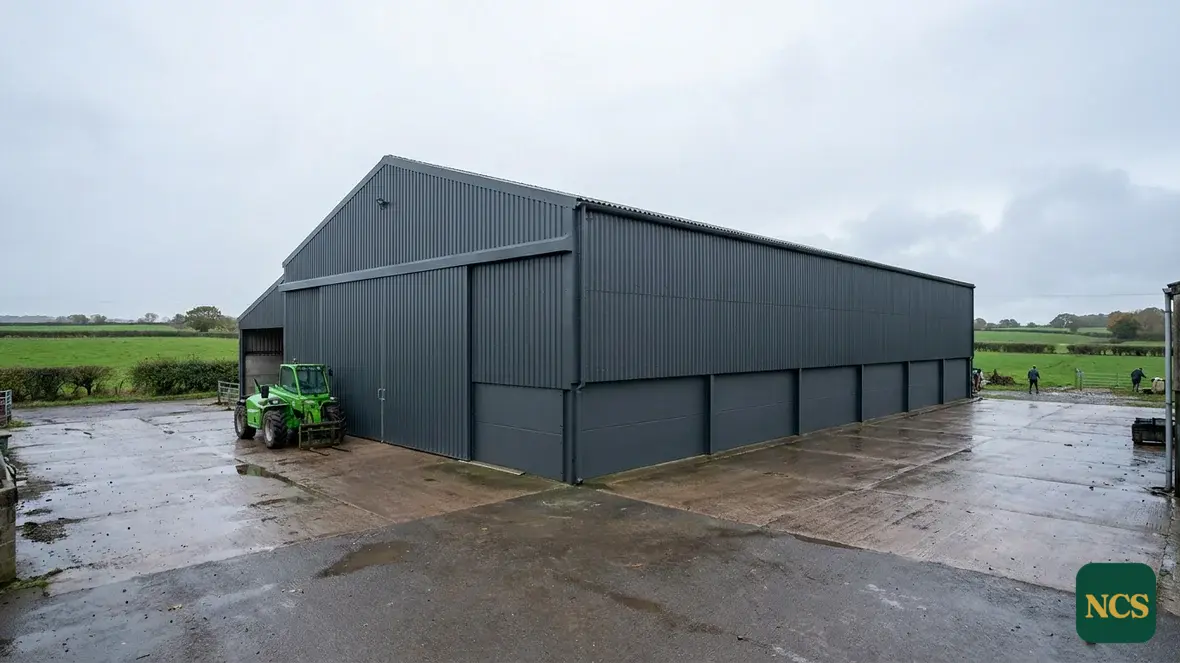
The local stock tells the usual post-war story: workshops and depots tied to the railway and logistics trades, industrial units from the 1960s and 70s, garage blocks, and farm buildings across the surrounding lowland countryside. Corrugated asbestos cement was the standard roof for most of them. Some have been re-roofed since; plenty have not, and those are the buildings whose owners now hold the management duty.
Sealing the roof instead of stripping it
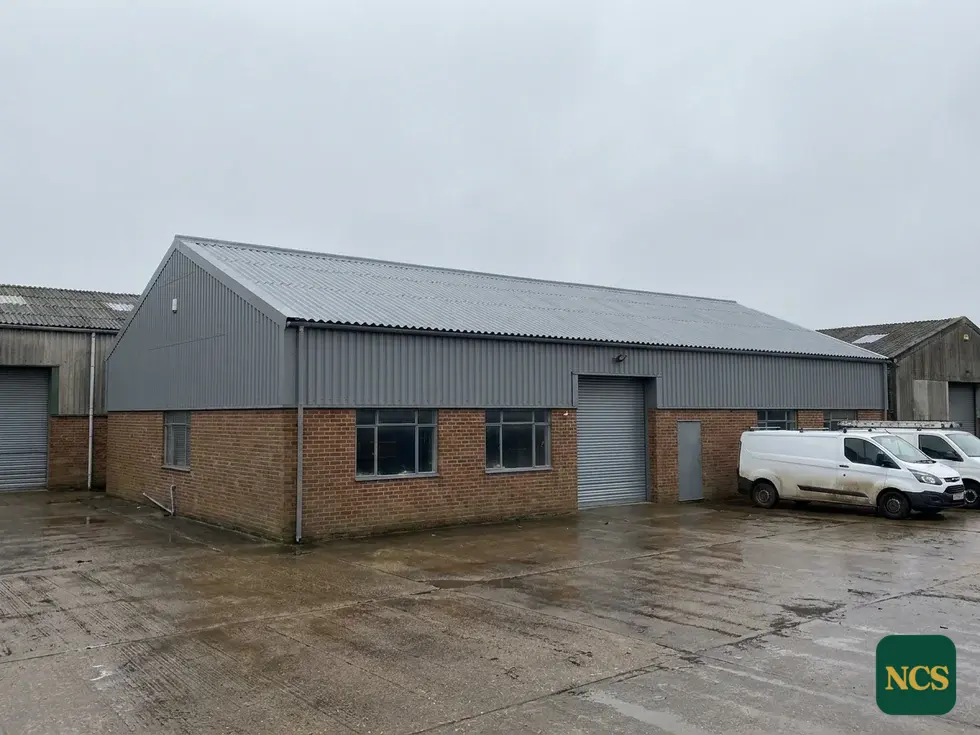
Where a survey confirms the sheets are sound, encapsulation arrests the deterioration. The roof is cleaned under controlled conditions, fixings and flashings are repaired, and a flexible coating seals the entire surface. What the finished system gives you:
- A watertight, weatherproof roof without removal or replacement
- Surface fibres bound in rather than washing into the gutters
- The weathering process halted instead of merely observed
- A building that stays in use throughout the works
- Documentation for your asbestos register and management plan
Against a full strip, disposal and re-sheet, the cost difference is substantial, which is precisely why the suitability test has to be applied honestly first.
The roofs we refuse to coat
Some Doncaster roofs are past this option, and pretending otherwise would cost you twice: once for the coating, and again for the removal that should have happened first. We advise removal rather than encapsulation where sheets are brittle or delaminating, where cracking is widespread, where the supporting structure is failing, or where leaks have already done serious damage below.
And where the material is a higher-risk product such as asbestos insulation board rather than asbestos cement, the job normally belongs to an HSE-licensed removal contractor, not to us. We identify that situation and say so; we do not work around it.
Inspection first
We are survey-led by policy. Based in the South-East and working across England, we inspect before we price: sheet condition at close range, fixings, rooflights, internal leak evidence and structure, followed by written findings and a clear recommendation either way.
If encapsulation goes ahead, remember what it is: management, not disappearance. The asbestos remains, stays on your register and should be re-inspected periodically. The difference is that it sits sealed under a maintained, watertight finish rather than weathering away above your building.