Sheet-end rust on Doncaster’s big-shed roofs
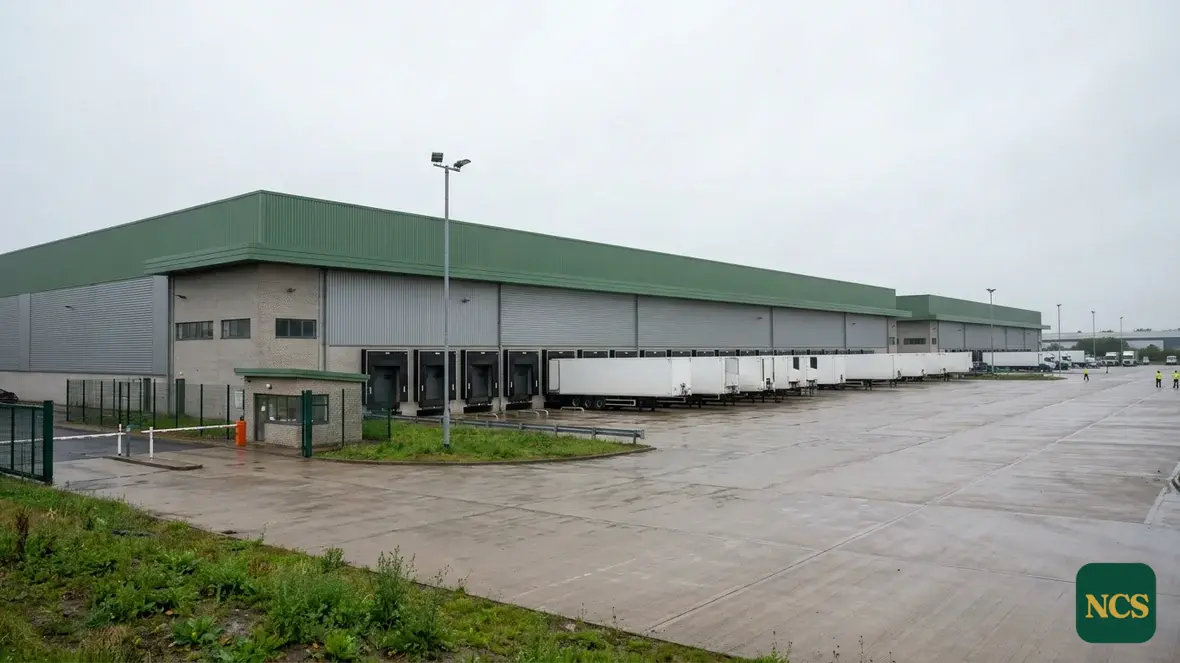
Doncaster has its share of big sheds. From the logistics hubs by the A1(M) to the industrial estates and workshops in between, you’ll find plenty of profiled steel roofs. Every single one of those sheets has a weak point, and it’s always the same story. The steel was cut to size, the cut went straight through the factory coating, and since then, bare metal has been sitting exposed at the sheet ends and the laps.
That’s where cut edge corrosion starts. The rust gets a foothold on the exposed edge, then it creeps back underneath the original coating, lifting it from the steel. From the ground, you see a brown line along the eaves. Up on the roof, the peeling paint tells you just how far the corrosion has travelled.
Edge corrosion around Doncaster hides under old coatings. The survey lifts the story of the roof before any repair or paint system is named.
Why big roofs make it a bigger problem
The sheer scale of buildings in this part of Yorkshire works against you. A large distribution unit can have hundreds of metres of eaves and end laps. That means the defect isn’t in one spot, it’s along every single cut line on the roof. Eaves edges sit in the splash zone of the gutters, end laps suck water in by capillary action, and a South Yorkshire winter gives that steel precious little chance to dry out.
It’s the escalation that really bites. Edge rust is comparatively cheap to fix. But a perforated sheet over an internal gutter, above your racking, stock or plant? That’s a whole different kettle of fish, and the leak always seems to announce itself at the worst possible time.

What early treatment actually involves
- We prepare the corroded edges mechanically, back to sound steel.
- Then we apply a corrosion-inhibiting primer to the cleaned metal.
- We seal the side and end laps to shut out capillary moisture.
- Next, a flexible, reinforced coating band goes over the vulnerable edge zone.
- We’ll also check your fixings and gutter lines, because they corrode in the same way.
The whole point is simple: give that cut edge the protection the factory never applied, and stop the rust where it is. If you do it before the steel thins, it’s a maintenance job, not a major roofing project, and your building stays fully operational throughout.
Straight answers when the steel is too far gone
We won’t coat a roof that’s beyond saving. If our survey finds perforation, serious metal loss at the laps, or corrosion attacking the underside of the sheets, a coating would only hide the problem while it got worse. In those cases, we’ll tell you straight, with photographs, and lay out the realistic options: replacing the failed sheets and treating the rest, or accepting that the roof needs an overlay or a full re-sheet. It’s a tougher answer for us and a better one for you. It’s the only honest answer.
From edge treatment to full roof coating
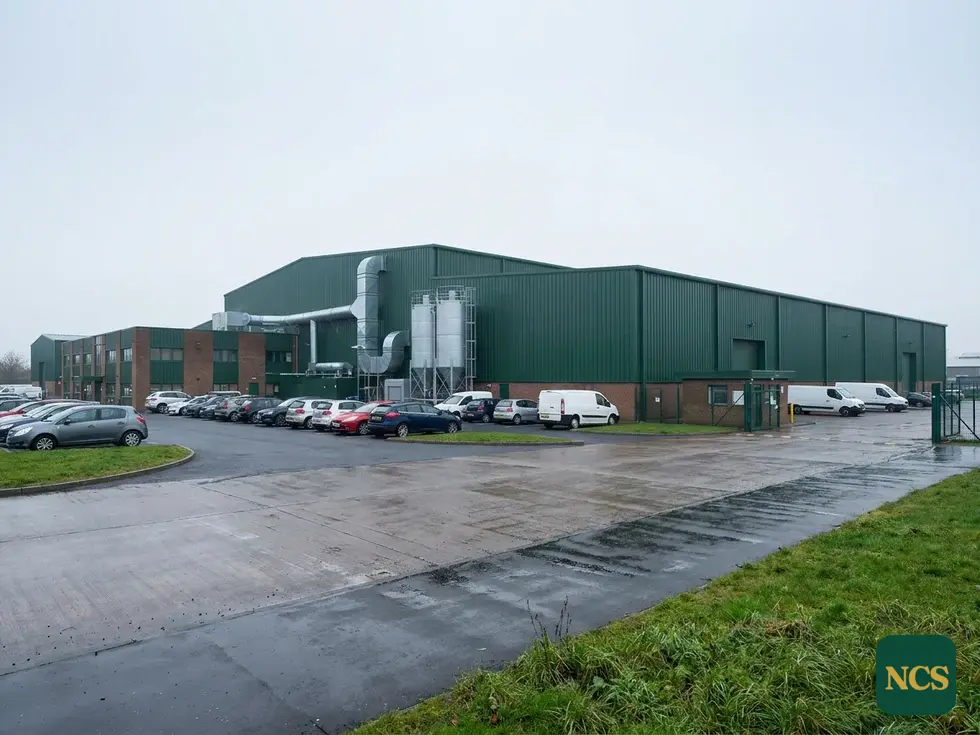
Cut edge corrosion rarely turns up alone. If the sheet faces across a Doncaster roof are chalking, fading, or getting brittle, the coating protecting the whole surface is on its last legs too. Treating just the edges in isolation only pushes the next job down the line. In that situation, it’s often better value to tackle the edges as part of a full roof coating, restoring the entire surface in one go.
Our surveys answer both questions: how bad are the edges, and how much life is left in the rest of the roof. We’re based in the South-East but work across the UK, including Doncaster. The survey findings, not a sales pitch, decide what we recommend.