









Asbestos cement roofing in and around Hereford
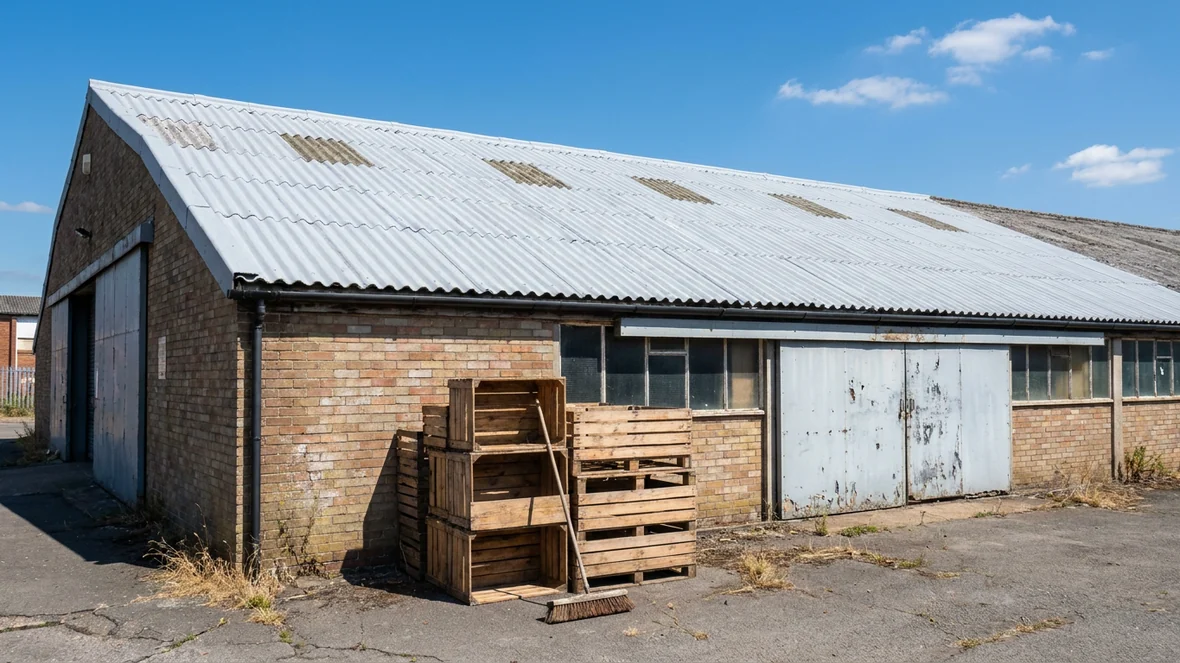
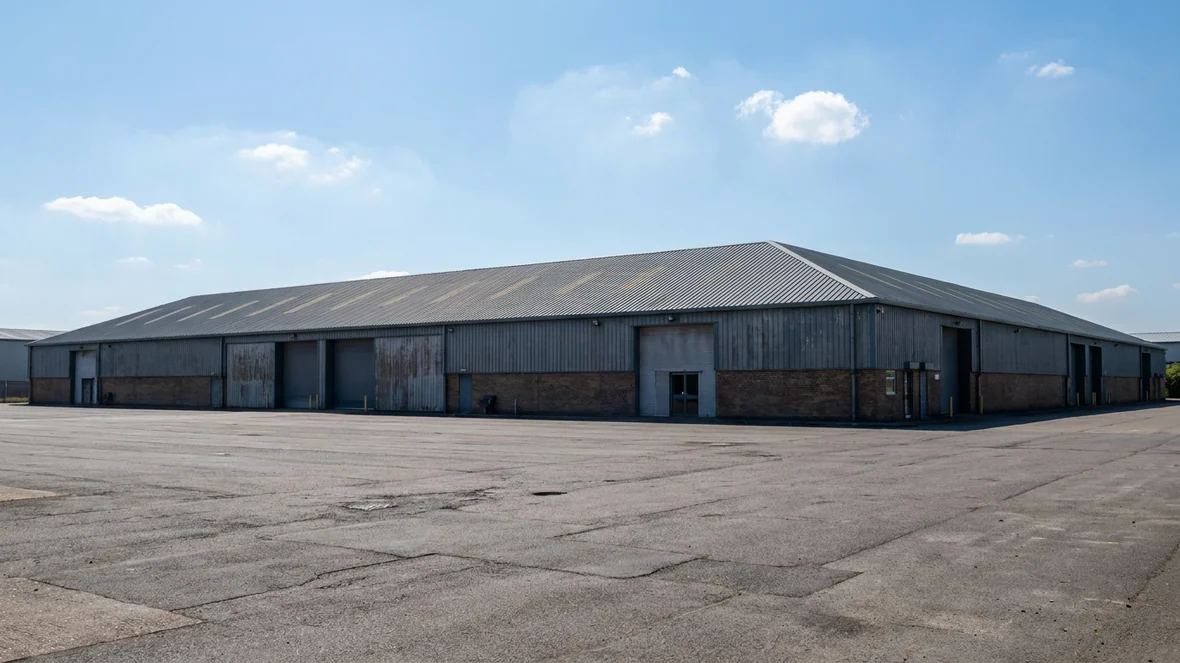
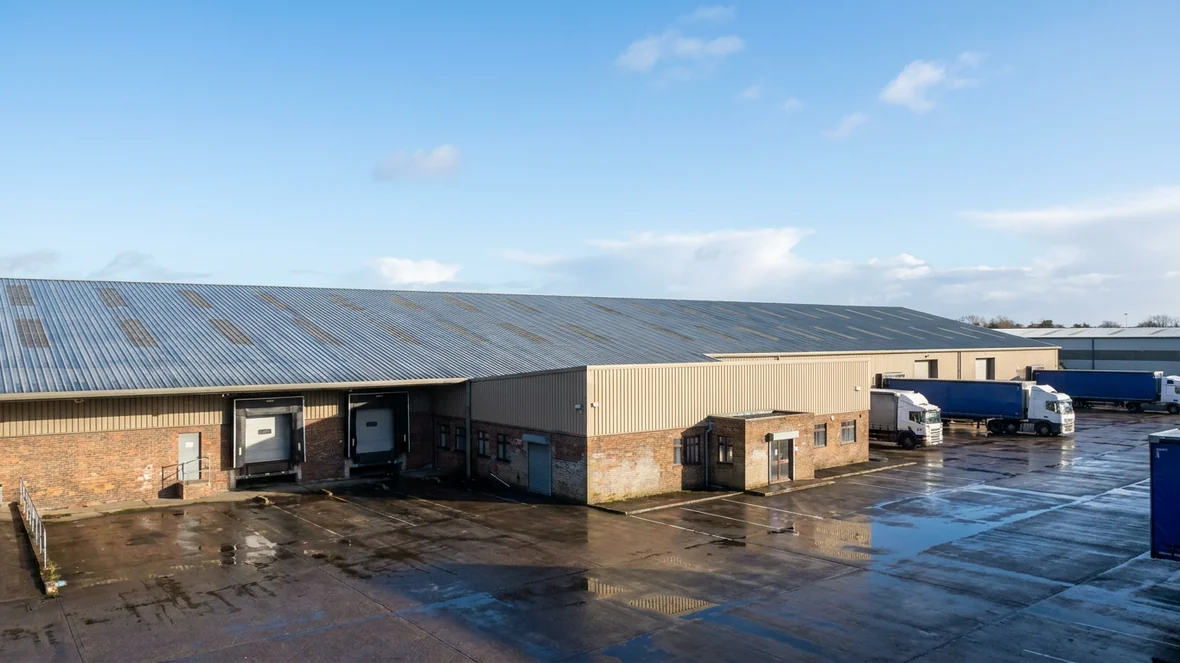
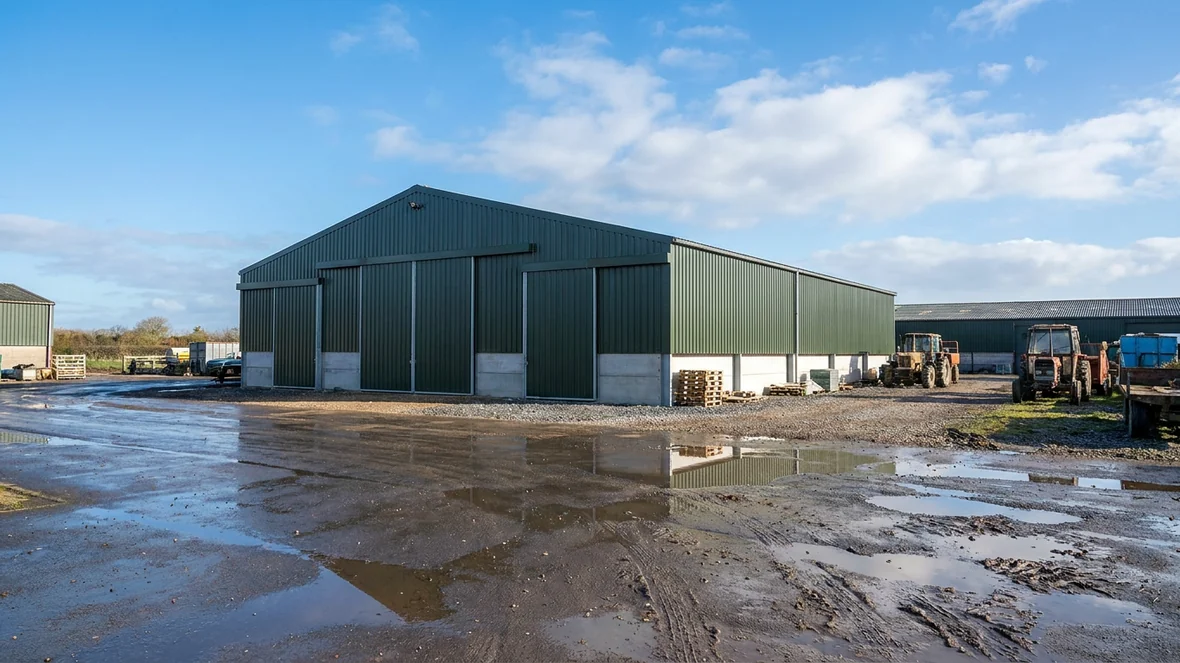
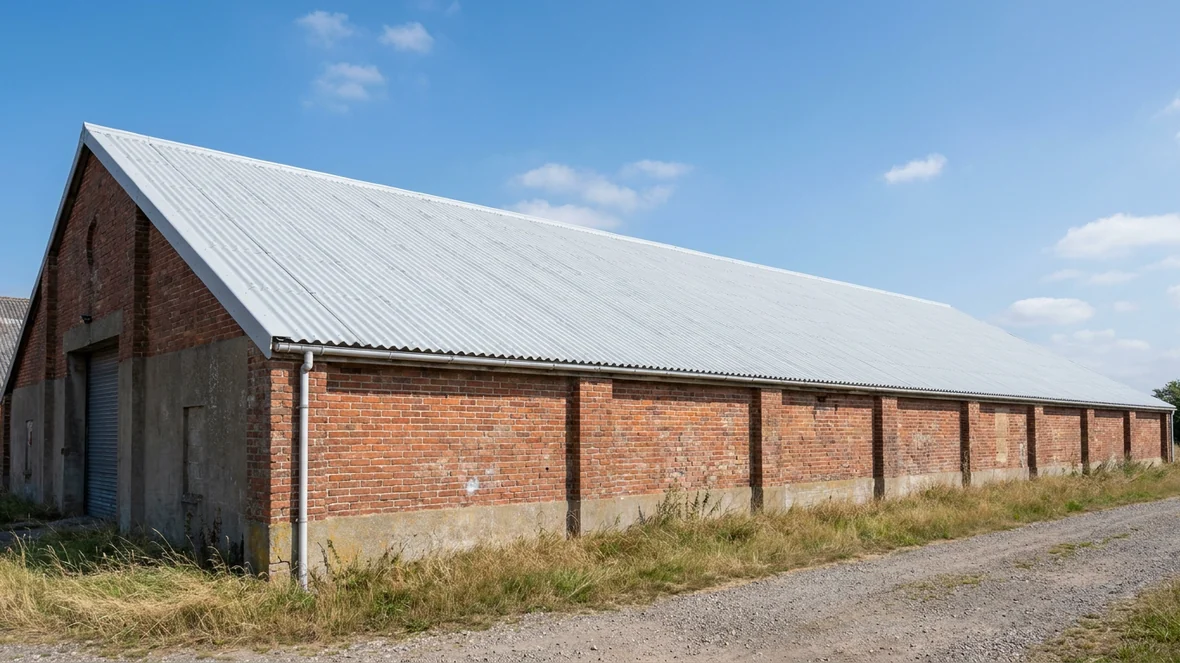
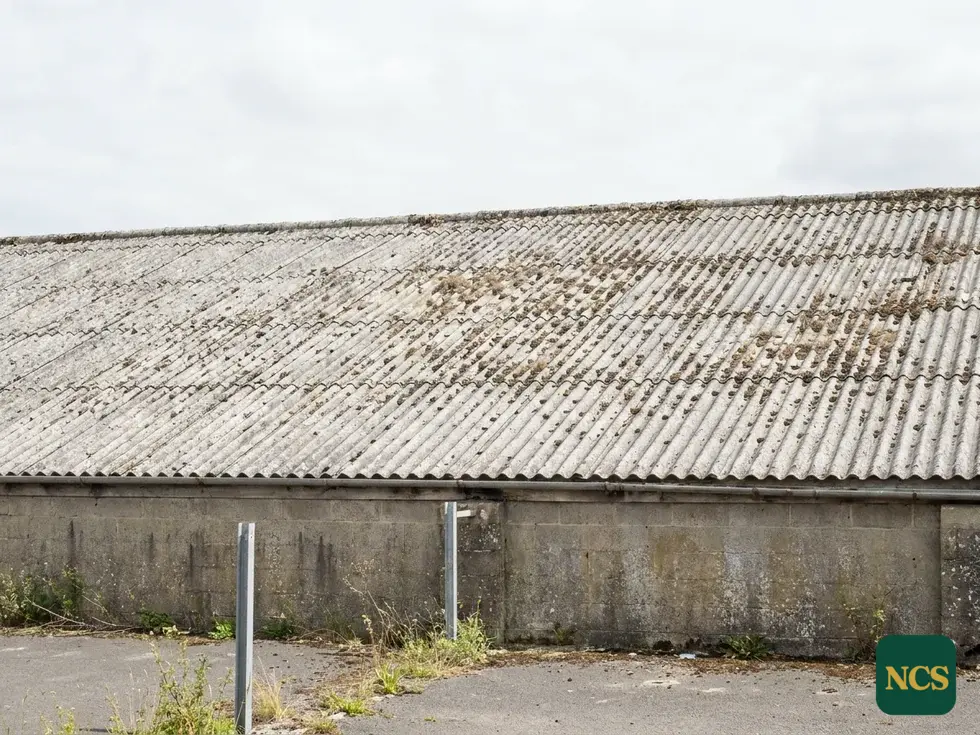
A surprising amount of the building stock around Hereford still carries its original asbestos cement roofing. Corrugated sheets on farm buildings, grain stores and livestock sheds across Herefordshire, and profiled roofs on the light industrial units built on the city’s trading estates between the 1960s and the 1980s, all date from the decades when asbestos cement was the default cladding material. Asbestos was not fully banned in the UK until 1999, so any roof of that age should be treated as suspect until it has been identified.
The encouraging part is that a sound asbestos cement roof does not automatically need to come off. Encapsulation, a specialist coating process that seals the sheet surface, is often a lower-cost and lower-disturbance way to manage the material and extend the working life of the roof.
Your duty to manage under CAR 2012
If you own or control a non-domestic building, Regulation 4 of the Control of Asbestos Regulations 2012 places a duty on you to manage any asbestos in it. In practice that means finding out whether asbestos-containing materials are present, assessing their condition, recording what you know in a written management plan, and acting on the risk.
HSE guidance is clear that asbestos-containing material in good condition is often safer managed in place than disturbed. Encapsulating a sound roof is an active management measure: it seals the weathered surface, reduces the chance of fibre release, and gives you something concrete to record in your asbestos management plan.
How encapsulation works on a sound roof
Everything starts with a condition survey. Before anyone quotes you for coating, the roof needs to be inspected sheet by sheet, because the decision between encapsulation and removal rests entirely on condition. Our surveyors record:
- Cracked, holed or delaminating sheets and how widespread they are
- The state of fixings, laps and ridge details
- Moss, lichen and surface erosion that expose the cement matrix
- Roof lights, flashings and gutters that need attention first
- Any previous patch repairs or overcladding
Where the sheets are sound, the roof is cleaned using controlled methods, defective fixings and minor damage are made good, and an elastomeric encapsulant coating is applied to seal the surface. The result is a weatherproofed roof with the asbestos locked beneath a flexible, maintainable coating, achieved without the disposal costs and disruption of a full strip and re-sheet.
When encapsulation is the wrong answer
We will be straight with you: encapsulation is only right when the sheets are structurally sound. Coating cannot rescue a roof that is heavily cracked, friable or failing, and it must never be used to hide damaged material from an assessor. If a survey in Hereford finds extensive breakage, soft or crumbling sheets, asbestos insulation board rather than cement, or a structure that cannot safely carry access equipment, we will tell you that removal is the correct route, by a licensed asbestos removal contractor where the material requires it, and we will say so in writing. The same applies if the building is due for redevelopment; sealing a roof you are about to demolish wastes money.
Survey first, then an honest recommendation
National Coating Specialists is a survey-led contractor based in the South East and working across England, Herefordshire included. We do not price asbestos roof encapsulation from photographs or postcode averages. We inspect the roof, report on its condition, and recommend encapsulation only where it is genuinely the right way to meet your duty to manage. If your building near Hereford has a suspect cement fibre roof, the sensible first step is a proper look at it, and that is exactly where we begin.