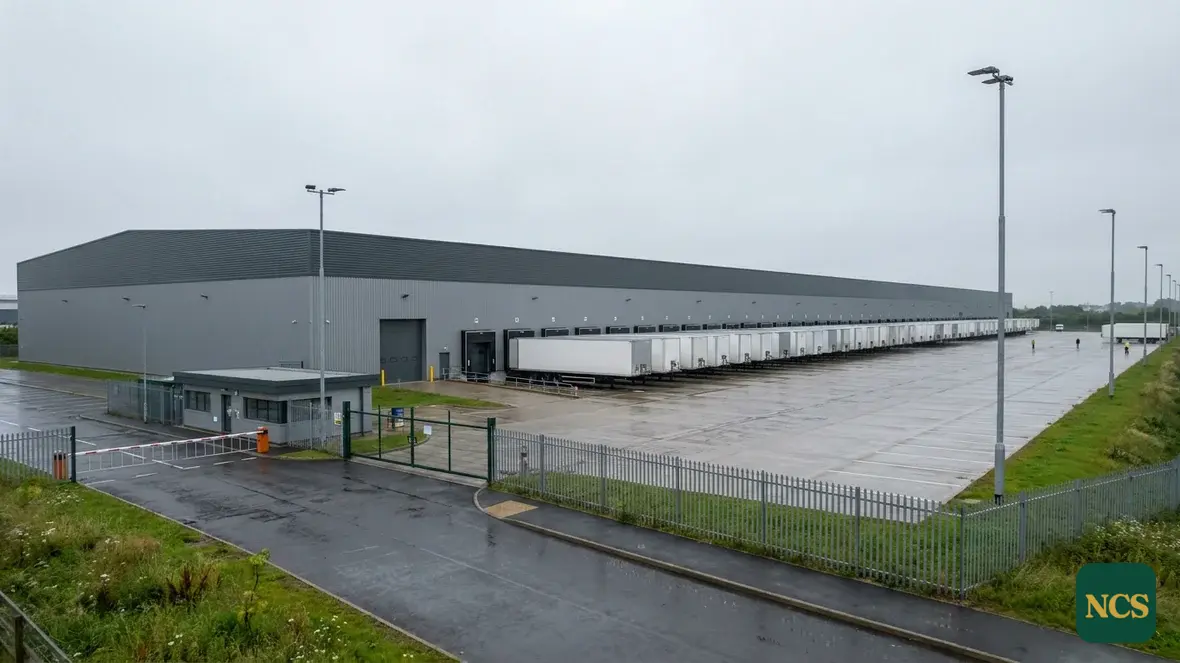
Rust at the sheet ends on Herefordshire’s working buildings
Herefordshire works its buildings hard. Livestock sheds, grain and potato stores, machinery barns and the processing and trade units around Hereford mostly run profiled steel roofs, and nearly all of them will meet the same defect eventually. The sheets were cut to length when the roof was built. That cut exposed bare steel at every end and lap, and the factory coating has never protected those edges. Rust starts there and works backwards under the coating.
You’ll see it first as staining along the eaves and laps, often with flecks of lifted coating collecting in the gutters. That lifting is the tell: rust expanding under the factory finish, peeling it back and exposing fresh steel as it goes.
Wet westerlies outside, warm stock inside
Rain arrives in this county on westerly winds off the Welsh hills, and there is plenty of it. The laps soak it up by capillary action and hold it against the cut steel, where it cannot dry. Inside a stock shed, animals add heat and humidity, and condensation forms on the cold underside of the sheets, so the steel can corrode from both faces at once. Edge corrosion on agricultural buildings is often further along than it looks from the gate.
That double attack matters because the underside is invisible during normal use. A roof edge that looks mildly stained from the yard can be significantly thinner than it was, which is why we check both faces wherever access allows.
The early-treatment argument
Dealt with early, cut edge corrosion is a contained repair. We clean the affected edges back to sound steel, prime with a corrosion-inhibiting system, seal the laps, and apply a flexible coating band over the edge zone. The work fits around the use of the building, which matters on a farm where the shed cannot simply be emptied.
Dealt with late, it is a roofing project. Perforated sheets over stored grain, feed, machinery or livestock cause real losses, and a holed sheet cannot be coated back to health. It has to come off. The difference between those two bills is mostly a matter of when you act.
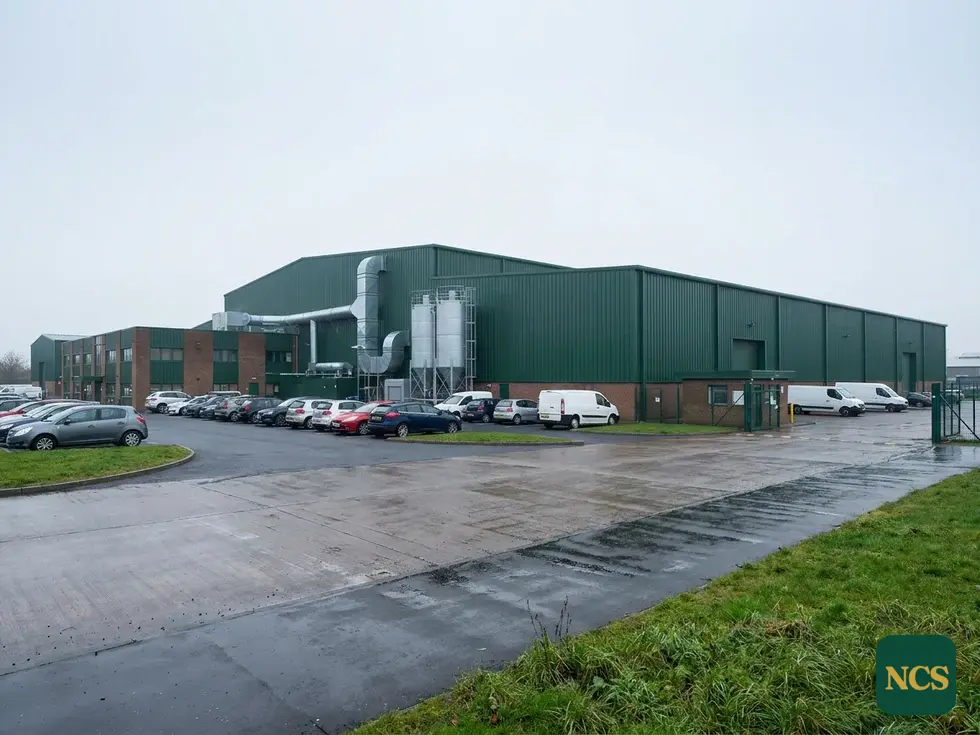
We will tell you if the sheets are too far gone
Honesty is cheaper for you in the long run, so it is how we operate. If the survey finds perforation, heavy thinning at the laps, or underside corrosion that no treatment can reach, we will not propose a coating. It would fail and waste your money. The realistic options at that stage are replacing the worst sheets and treating the rest, or an overlay or full re-sheet if the roof is beyond saving piece by piece. Either way you get photographs and a clear explanation of what we found.
Edge repair or whole-roof coating: the survey decides
Edge corrosion often appears on roofs whose coating is ageing across the whole surface. Where that is the case, treating the edges as part of a full roof coating protects everything in one visit and avoids paying for access twice.
- Rust staining at eaves, laps or gutter lines
- Coating flaking at the overlaps or around fixings
- Chalky residue when you rub the sheet face
- Drips or damp patches inside below the sheet ends
If your building near Hereford shows any of these, a survey will tell you which job it actually needs. We are South-East based, work across the UK, and put the findings, not a pitch, in front of you before anything is priced.
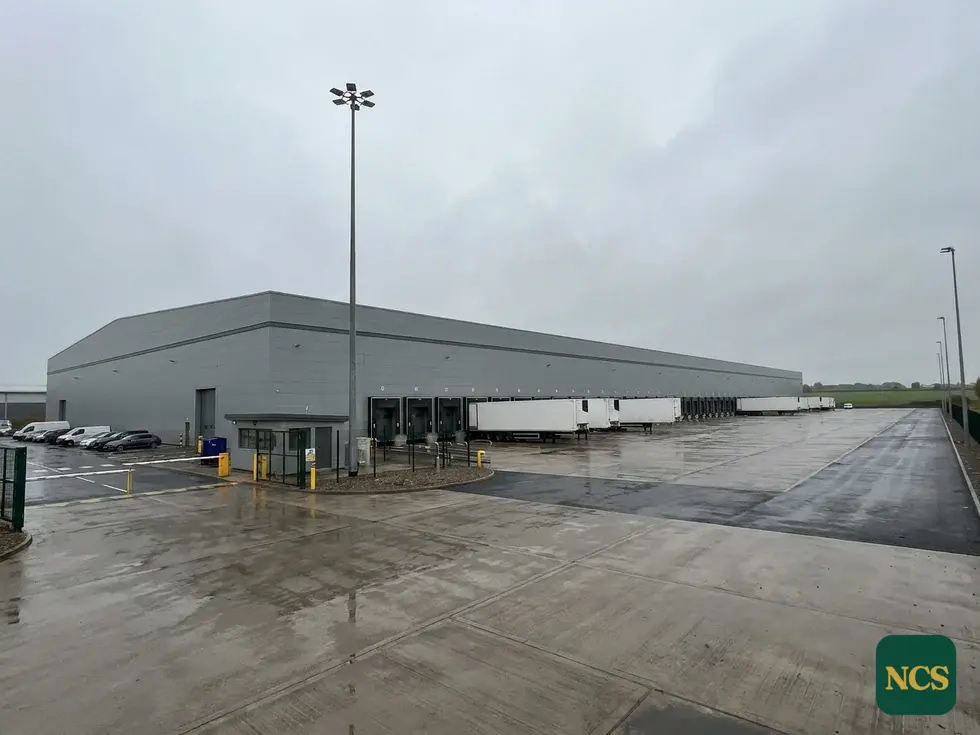
Recent project near Hereford
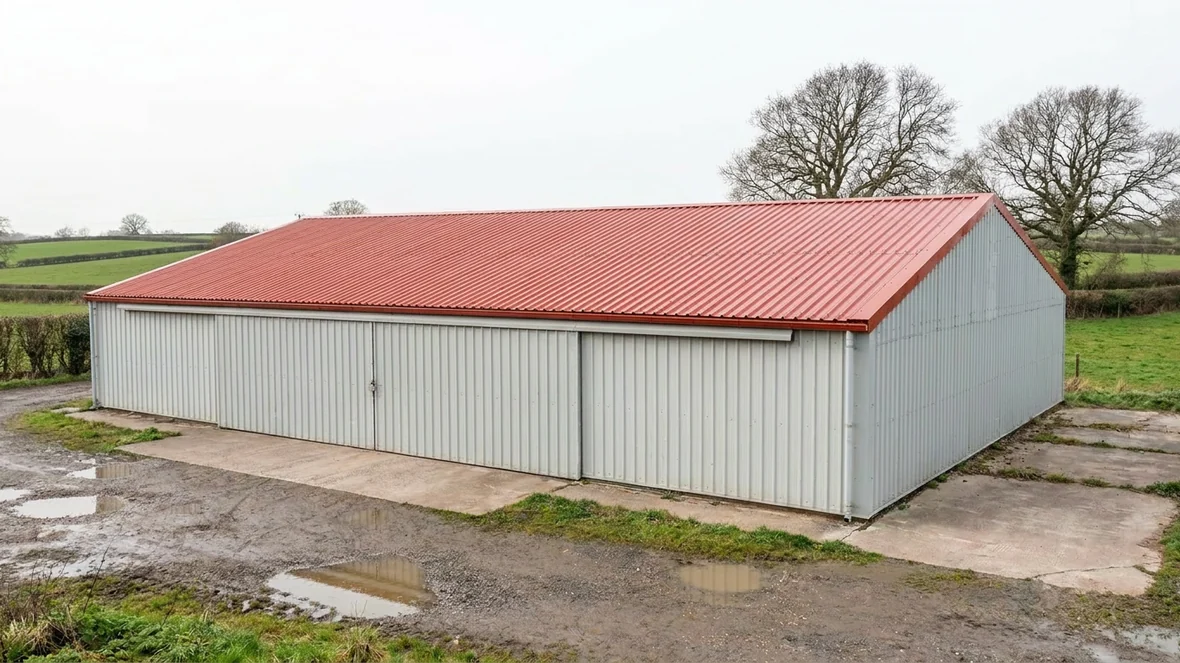
Cut edge corrosion treated along every sheet lap and the roof spray painted in Poppy Red on a full machinery store near Hereford. Read the full case study.