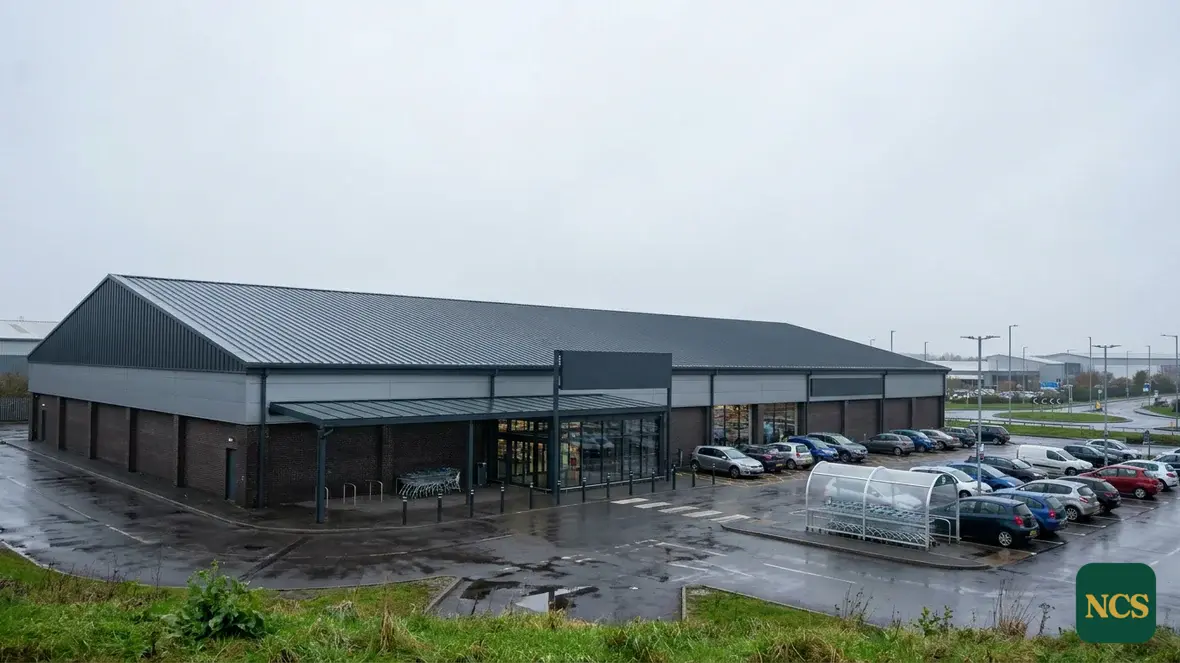
Industrial roof coatings for Hereford’s working buildings
Herefordshire’s industrial buildings earn their keep. Around Hereford, we see plenty of estates serving food production, agri-supply, storage and light manufacturing. The typical building is a steel portal frame under a profiled metal roof that’s been quietly doing its job for decades. And “quietly” is often the problem: roofs that never complain rarely get looked at, and by the time a leak forces the issue, the easy fix has usually passed you by. We provide survey-led industrial roof coatings in Hereford and across the county. We’re based in the South East, but we work on sites UK-wide.
Rural estates, practical constraints
Buildings in a rural county like Herefordshire throw up their own logistical challenges. Replacing an entire roof means weeks of strip-off, new sheets arriving on rural roads, skips of waste leaving site, and your building stood partially open in the middle of it all. For a food business with strict hygiene rules, or a storage operation with stock it can’t move, that’s somewhere between painful and impossible. Coating sidesteps most of that grief. Your existing roof stays put and weathertight, nothing gets stripped, and our materials arrive in tins, not on articulated trailers. For much of Hereford’s industrial stock, that practicality makes as much sense as the cost saving.
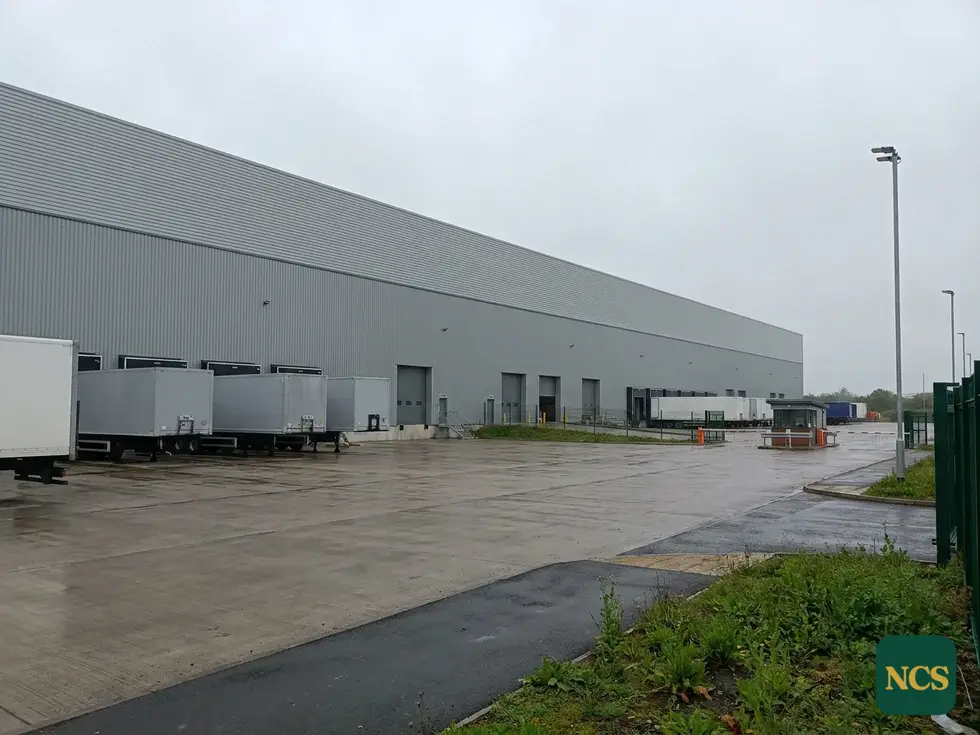
The lifecycle of a profiled metal roof, and where coating fits
A profiled steel roof doesn’t just pack up and fail overnight. Its factory finish goes first: you see chalking, fading, thinning. Then bare steel shows through at the most exposed spots and corrosion starts. The cut edges always go first, because the sheet ends at eaves and laps were never factory-coated to begin with. That rust then creeps back under the finish and lifts it. Eventually, corrosion hits the laps and fixings, the sheets lose their integrity, and replacement is the only honest option left.
Coating fits in the middle of that story, not at the end. If we apply it while the substrate is still sound, with the cut edges properly prepared, treated and sealed, a coating system will reset the weatherproof surface. It keeps your roof in the affordable part of its lifecycle for years longer. Apply it too late, and you’re just spending money to hide a problem.
How we keep disruption to a minimum
Most of the buildings we coat are in daily use, so our works plan always reflects that from the start:
- A physical survey first, so we know the full scope before anyone even gets to site
- Programme agreed around your production schedules and seasonal peaks
- We work on the roof in sections, keeping it weathertight at the end of each day
- No hot works in standard coating applications
- Access and vehicle movements agreed with your site contact in advance
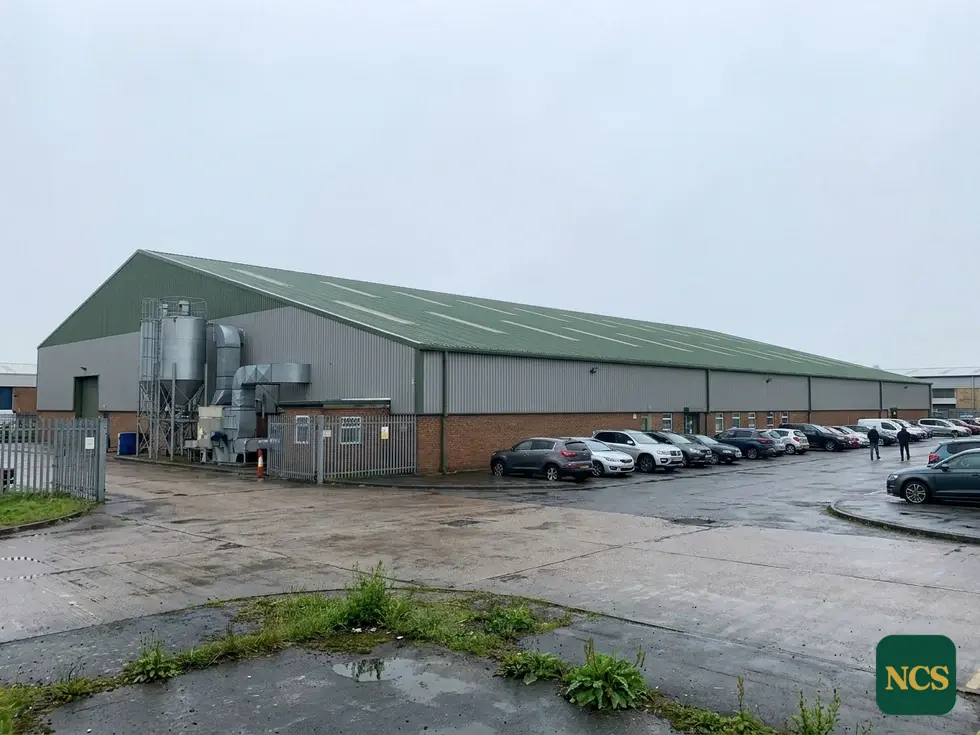
Straight answers: when not to coat
Some roofs need replacing, and we’ll tell you if yours is one of them. If our survey finds widespread perforation, corrosion that’s weakened the sheets, laps or fixings, saturated insulation in a built-up roof, or ponding caused by the structure itself, our written recommendation will be for repair or replacement, not coating. That honesty sometimes costs us a contract, but it’s the only way a survey-led approach means anything. A coating sold onto a failed roof will fail itself, and the building owner ends up paying twice.
The good news is that most working roofs around Hereford haven’t reached that stage. They’re weathered, their edges are rusting, and they’re overdue some attention. That’s exactly the condition coating was designed for. A survey will show you where your roof sits on that curve. The report is yours, no strings attached, and the right time to find out is before the next winter, not after it.