Agricultural building coatings in the Hereford area
Herefordshire means livestock and orchards. The farm buildings around here work hard, often in a wetter climate than you’d find further east. We see a lot of cattle sheds, general-purpose barns, and machinery stores, all with that legacy asbestos-cement roofing from when it was standard. Livestock buildings take a different kind of beating than a dry grain store. You’ve got condensation, ammonia, and constant humidity inside, while the weather works on the outside. When a roof starts streaking, dripping, or growing a green coat, you’re looking at the classic choice: repair, coat, or replace. Often, a coating is the most economical way to go, but we won’t know if your building is a candidate until we’ve had a look.
What livestock buildings do to their own roofs
Pack a shed full of cattle through winter and you’ll generate warm, moist, slightly corrosive air. That stuff condenses on the underside of cold sheets. On steel, it drives corrosion at the fixings and laps; on fibre cement, it keeps the sheets damp, speeding up surface breakdown, while the outside takes the brunt of the western rain. We coat the exterior to seal the weather side, stop water getting in, and arrest surface erosion. On fibre cement, that also binds the surface and cuts down on fibre release. What it won’t do is fix poor ventilation. If bad airflow is the real reason your shed is wet, we’ll tell you. Dripping condensation onto your stock is often a ventilation problem, not a coating problem. Confusing the two is a waste of money.
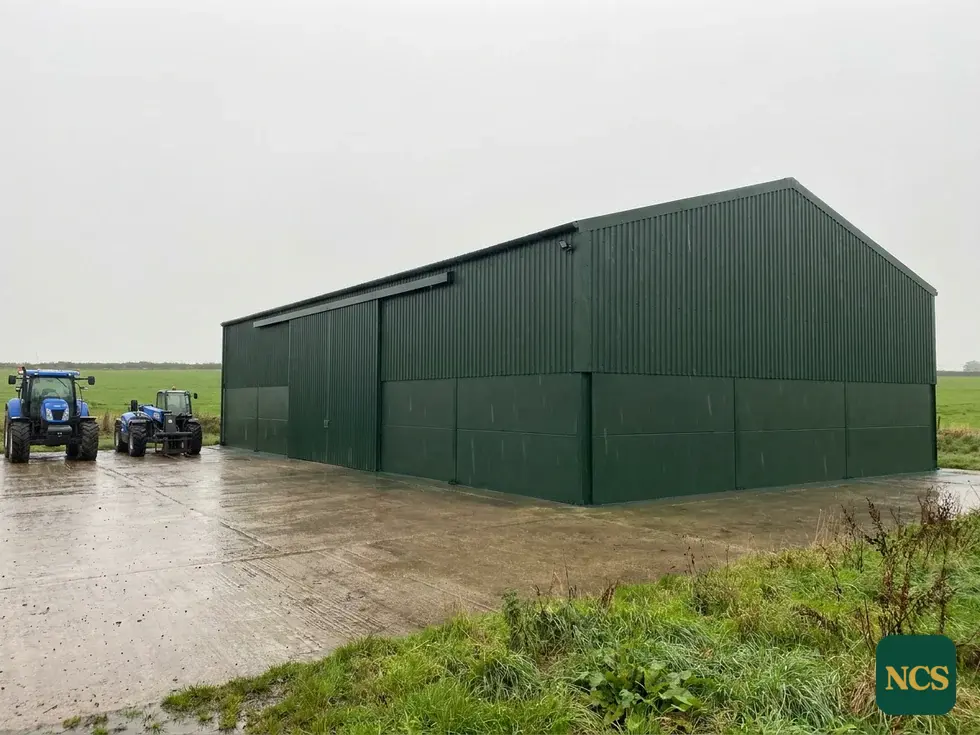
Fitting work around housing, calving and harvest of a different kind
The livestock calendar around Hereford dictates the programme far more tightly than any arable rotation. The best time for roof work on cattle housing is when the stock are out at grass, with the building empty or nearly so. Nobody wants prep work and access equipment over housed animals. Lambing, calving, TB testing, and stock movements can all close windows at short notice. We plan with that reality, not against it. If you’ve got fruit, hop, or potato enterprises, the store and yard traffic add their own timing constraints. Our survey conversation will cover your year as much as it covers your roof, and the programme we propose will reflect it.
The cases where coating is the wrong spend
We’ll put it in writing when a coating isn’t the answer:
- Asbestos-cement sheets that are cracked, holed, or too brittle to prep and access safely.
- Steel roofs corroded right through from the inside, which we often see over older livestock housing.
- Buildings where the real problem is ventilation, drainage, or structure, not just the roof surface.
- Sheds that are earmarked for replacement or conversion within a few years.
- Roofs where the cost of honest preparation makes new sheeting a better value.
If part of a roof is past saving, we often find that partial re-sheeting combined with coating the sound remainder gives the best return. Our report will lay out that option alongside the others.
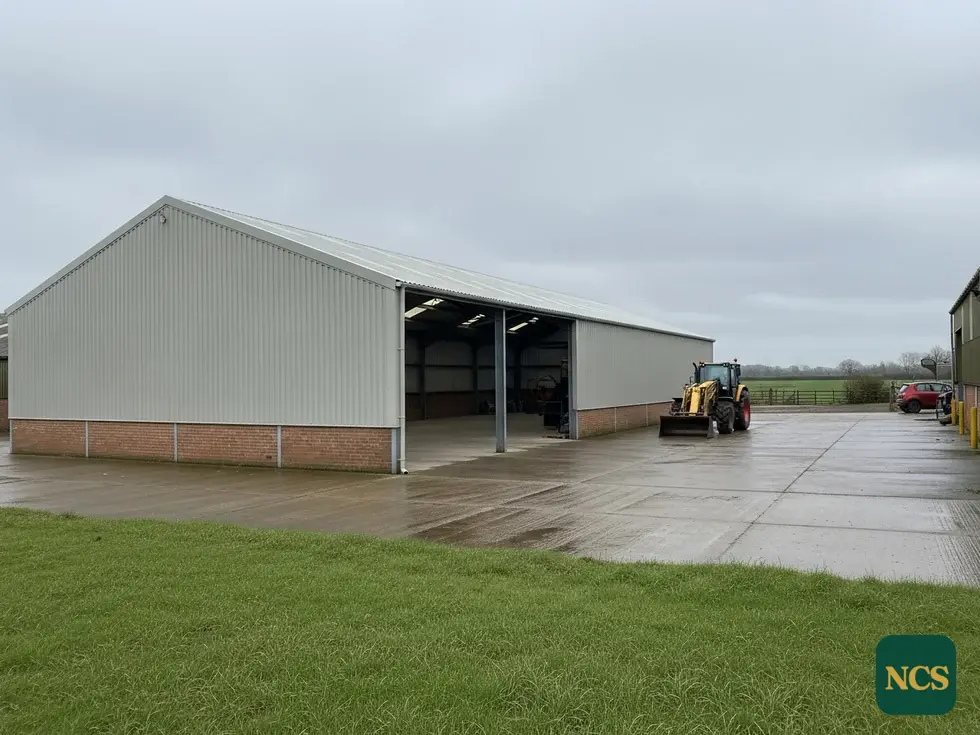
A survey-led approach, UK-wide
We’re an exterior coating contractor, based in the South East, and we work across the UK. That means we cover Herefordshire too. Every enquiry starts with a survey. We look at the roof and cladding condition, slope by slope, the gutters, rooflights, fixings, signs of internal corrosion, how the building is stocked and used, and what you’re planning for it. You’ll get a written assessment with a plain recommendation, and that includes recommending against a coating if that’s the honest truth. If a livestock shed, barn, or store near Hereford is on the edge of a decision, a survey is the sensible, cheap first step before any money goes onto the roof.