Cladding spraying in Hereford
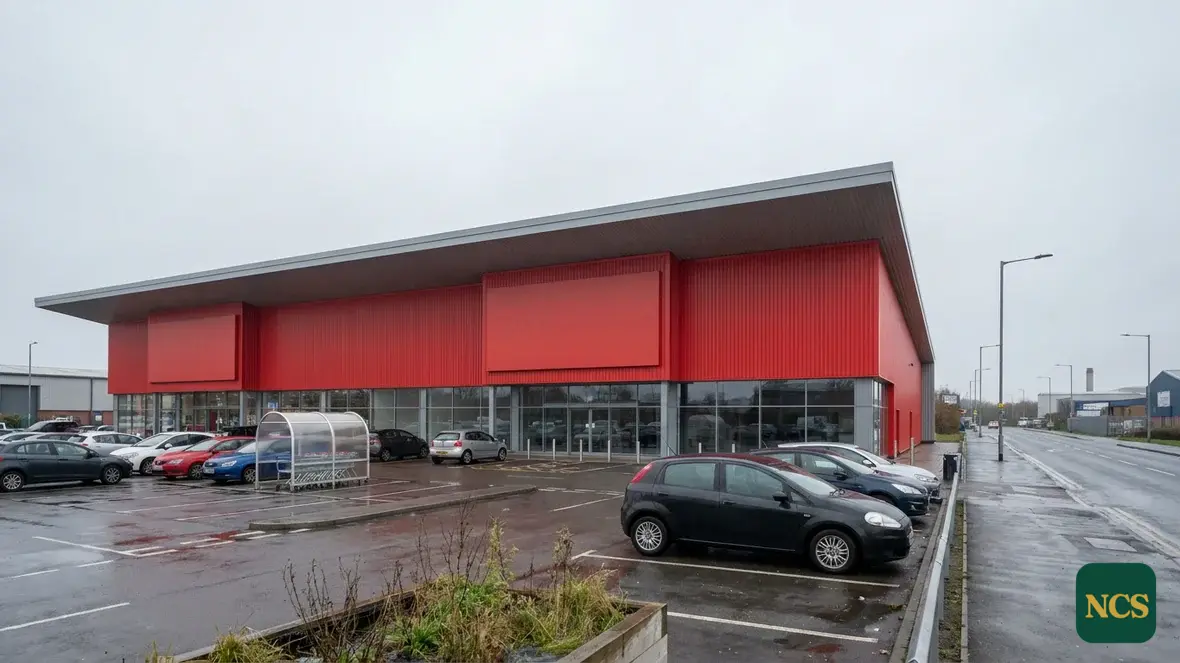
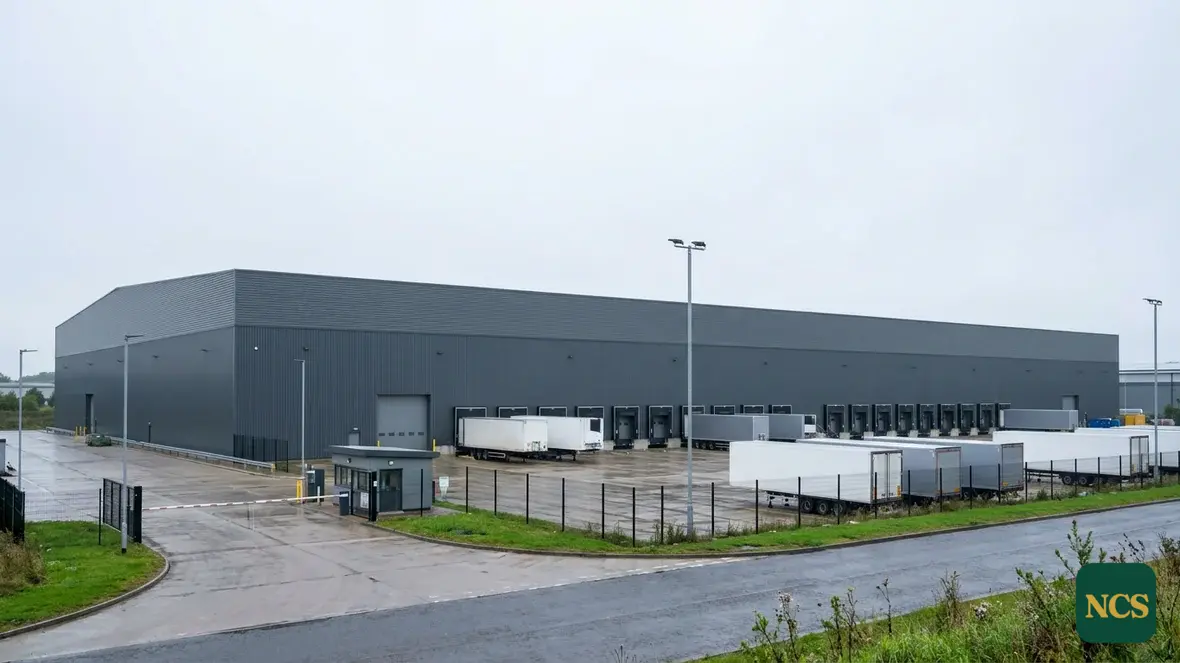
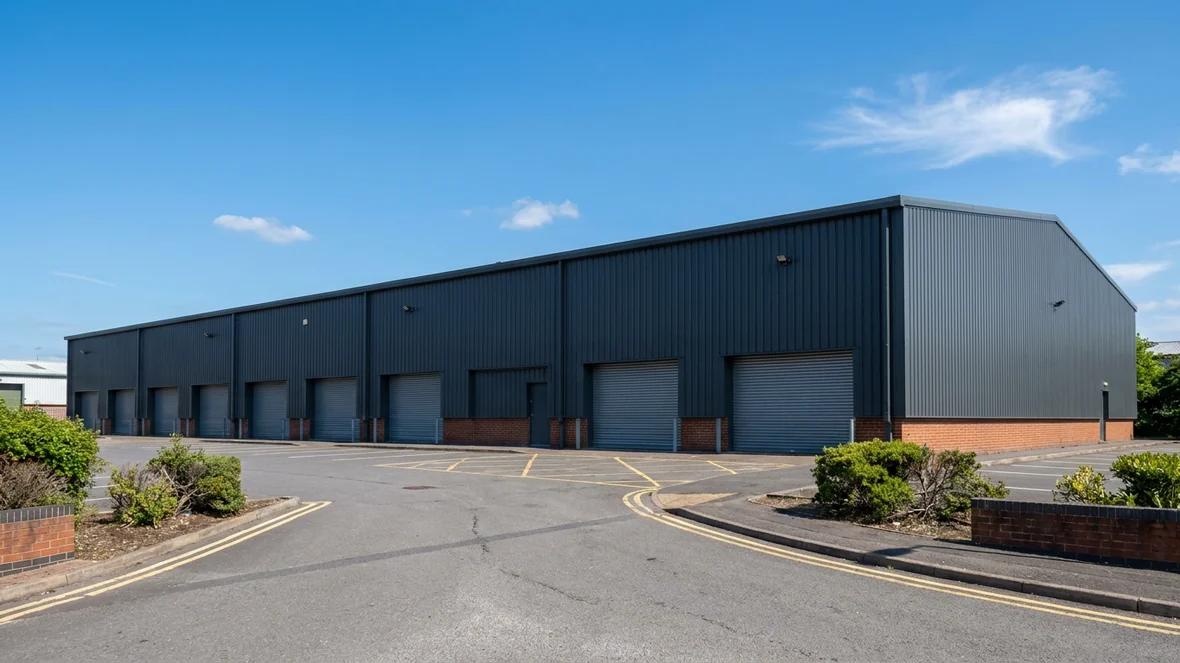
Hereford is a working agricultural city, and its buildings show it. Cladding spraying in Hereford covers everything from food-sector units and packhouses to trade counters on the edge-of-town estates and steel-framed barns out in the Herefordshire countryside. What these buildings share is a coated metal skin that fades, chalks and eventually rusts at its cut edges, and an owner who would rather not pay for recladding while the sheets underneath are still sound.
That judgement, sound or not sound, is the whole reason National Coating Specialists works survey-first. We inspect before we specify, and we specify before we price.
What the survey looks for
An experienced eye on site learns more in an hour than a fortnight of phone calls. On a typical Hereford building we examine:
- How firmly the existing finish is adhering, tested rather than assumed
- Cut edge corrosion at sheet ends, laps and along gutter lines
- The condition of fixings, sealants and flashings
- Chalking, fade and any previous overpainting that affects the specification
- Damage, distortion or water ingress that needs repair before coating
The findings go into a plain written report. If the building is a good candidate, we set out the preparation and coating system we would use. If it is not, we say so and explain why. Where access is awkward, we also note what equipment the job would need, because that affects the programme as much as the price.
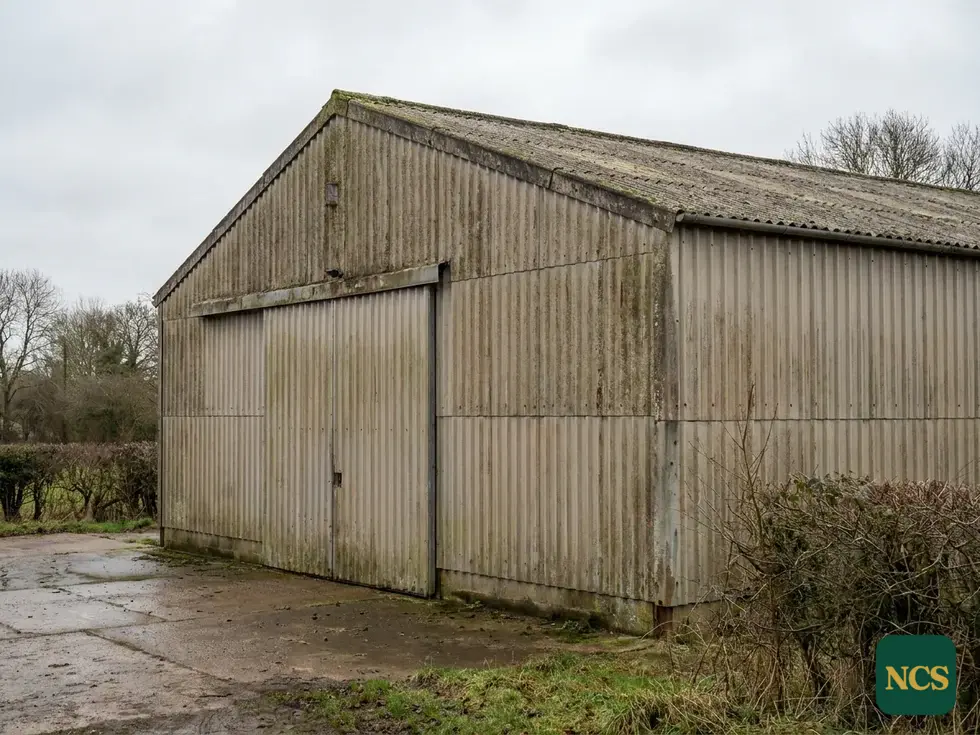
Buildings and surfaces across the county
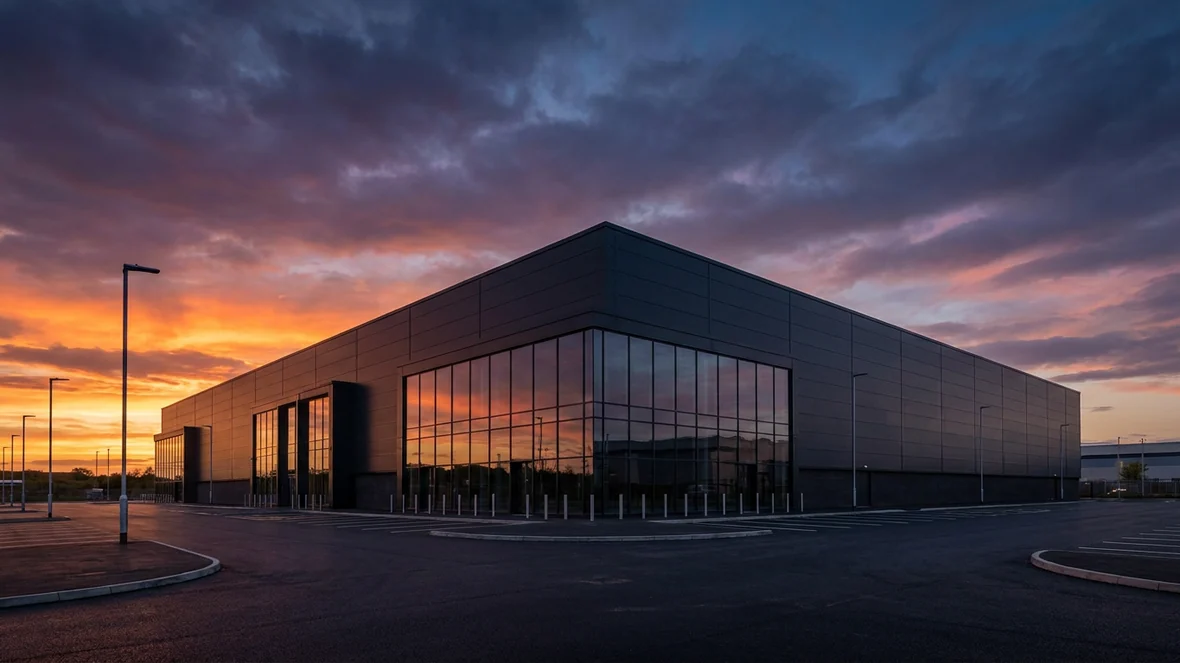
Herefordshire’s stock leans rural and practical: agricultural sheds, grain and machinery stores, livestock buildings, food processing and packing units, and the industrial estates around the city itself. Add the usual retail sheds, workshops and office buildings and you have a county full of profiled steel and composite panel, much of it decades old and quietly weathering.
Spraying suits this stock well. Colour can be renewed like for like or changed completely, cut edges can be treated and sealed before rust spreads, and doors, shutters and fascias can be brought back to match the main elevations. For a packhouse or grain store, the work can usually be sequenced around the seasonal calendar rather than across it.
Rural settings bring their own practicalities: livestock movements, dust from grain handling, and wash-down water that has to be managed responsibly. These are planning questions rather than obstacles, and they are settled during the survey visit, not discovered on day one.
Where coating is the wrong tool
A spray-applied coating protects and restores; it does not rebuild. Cladding that is delaminating across whole elevations, perforated by rust, structurally tired or letting water in needs repair or replacement, not paint, and our report will say exactly that. Nor can any coating change the fire performance of a panel system. If a survey turns up problems of this kind, you will hear about them before any money changes hands, together with our view on what the right next step actually is.
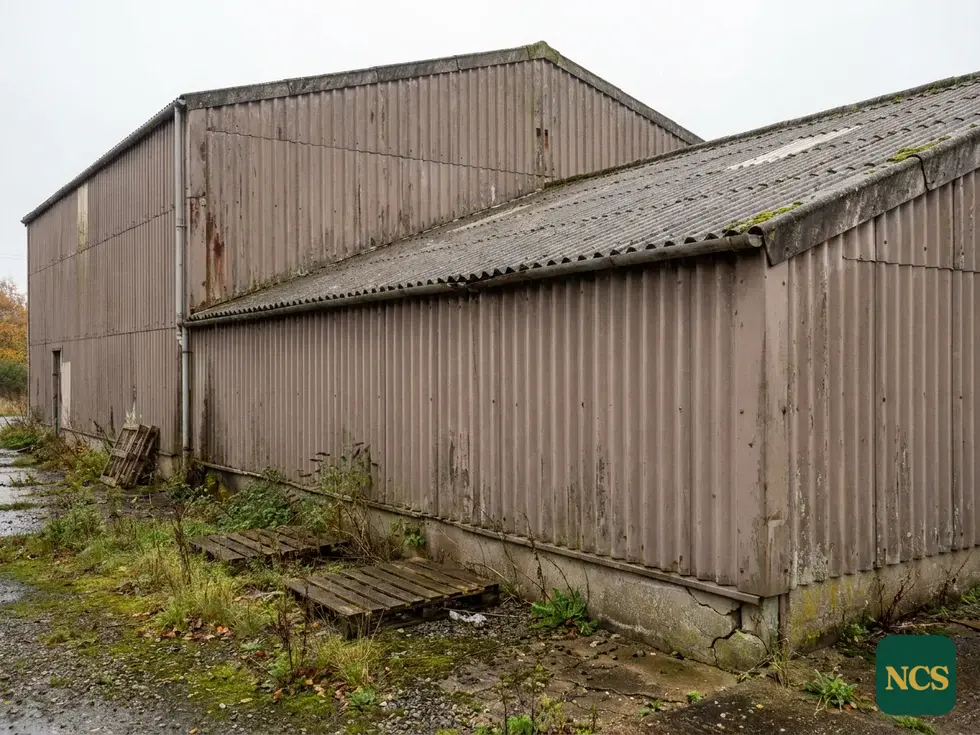
Survey-led, and within practical reach
National Coating Specialists is based in the South East and carries out cladding spraying across England. Surveys in Hereford are routinely combined with Leominster, Ross-on-Wye, Ledbury and Worcester, which suits owners with buildings spread across the county and over the border.
The reason to choose a survey-led contractor is simple: the inspection removes guesswork. You learn what condition the building is really in, the specification matches the substrate rather than a brochure, and the price you agree is built on evidence. For a hard-working building in Herefordshire, that is the difference between a refurbishment that lasts and a paint job that fails early. The survey also leaves you with something a quote alone never can: a record of the building’s condition at a fixed point in time, useful whether or not you go ahead.