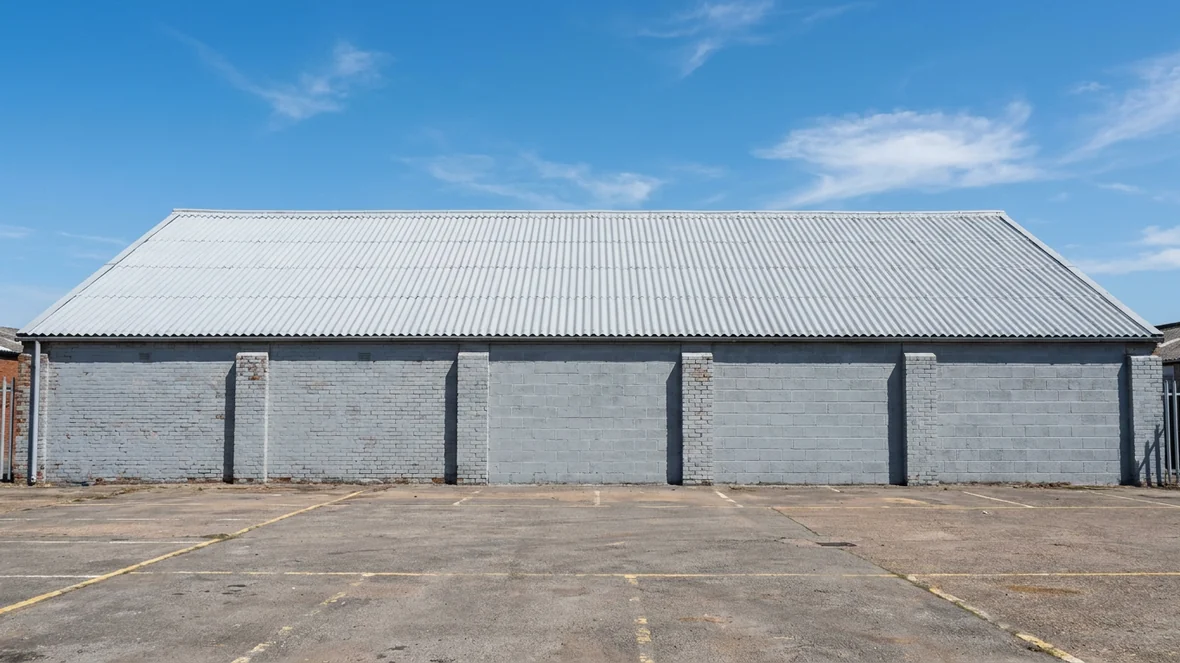
Asbestos roofs on Hull’s post-war industrial stock
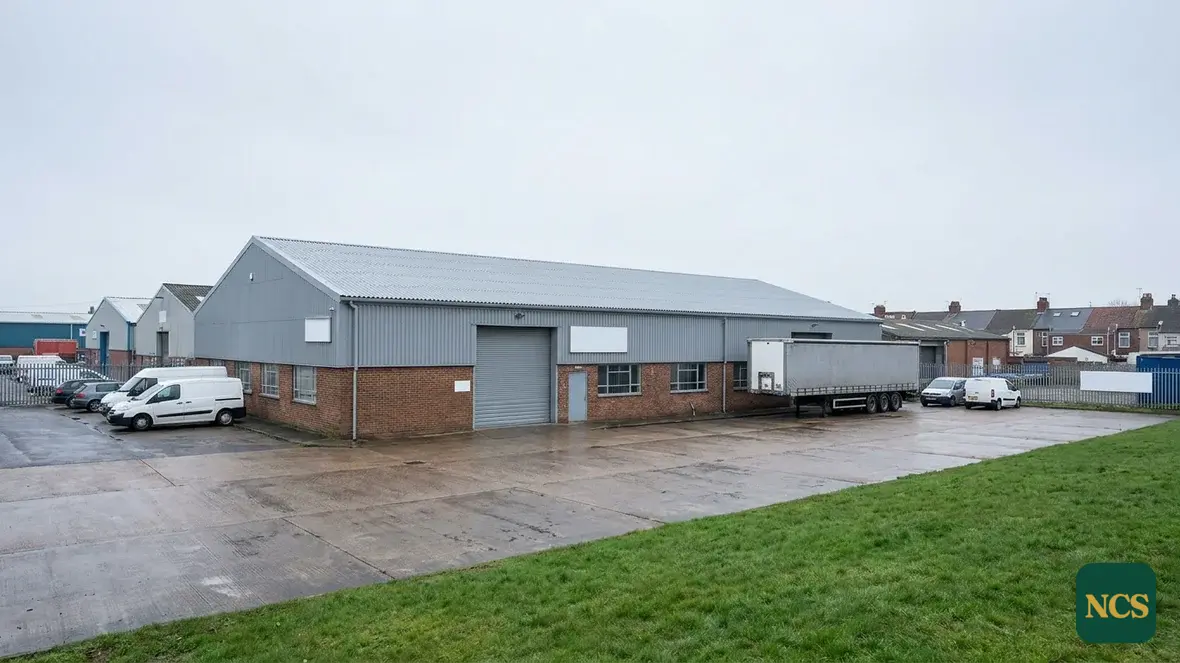
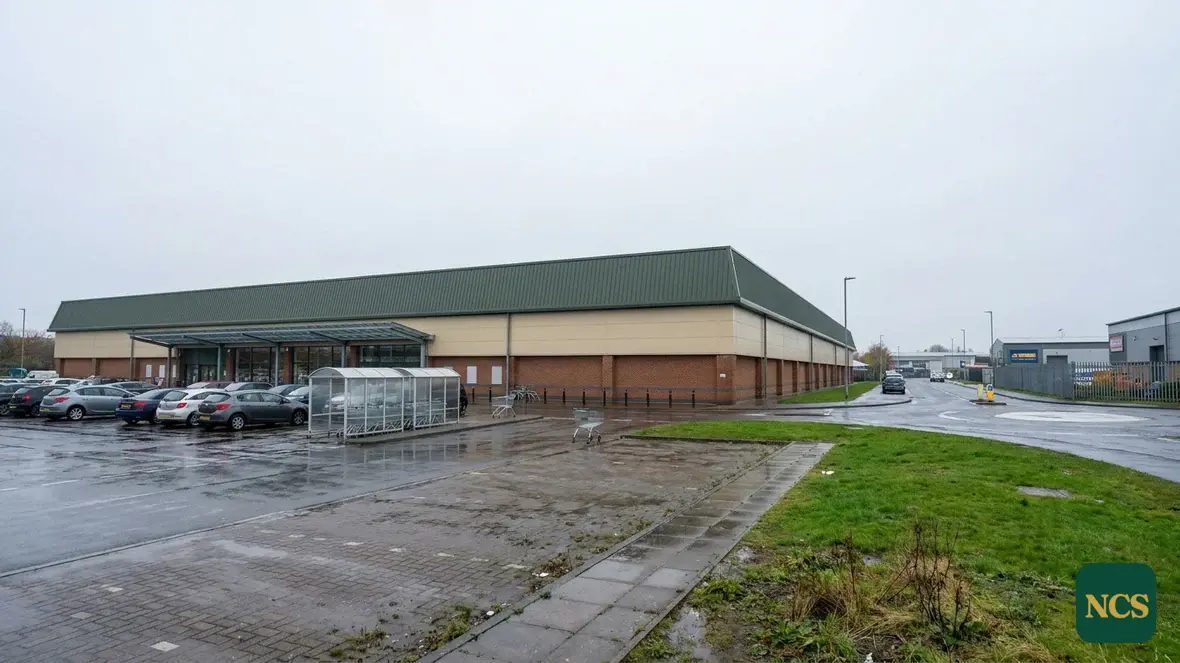
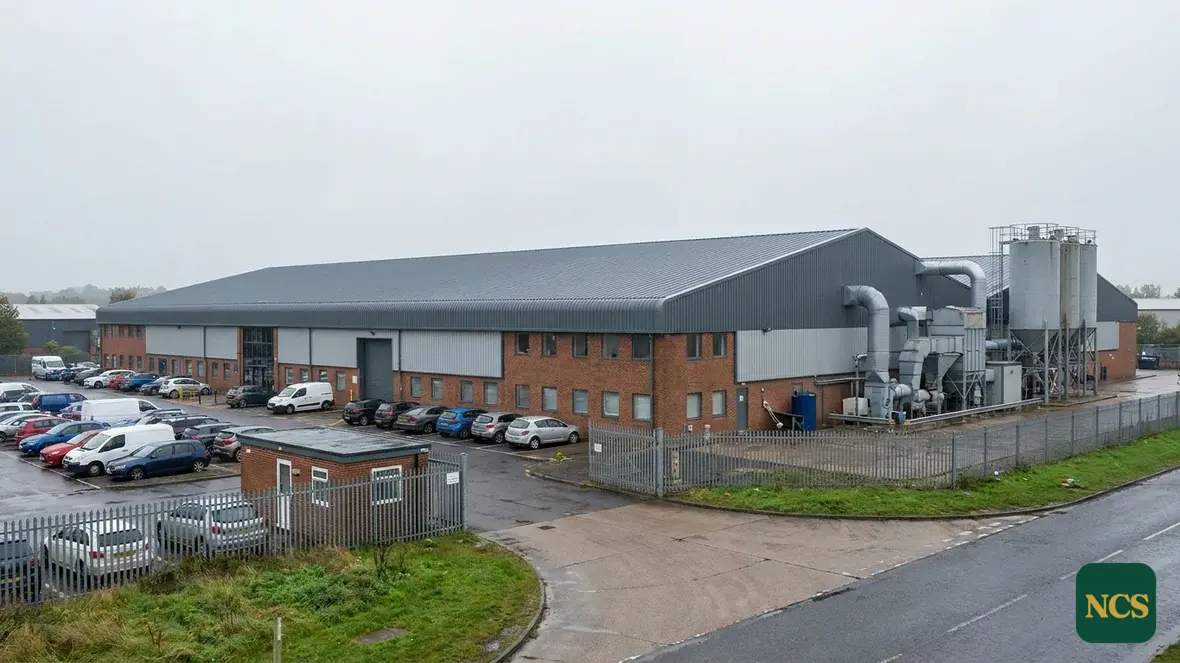
Kingston upon Hull rebuilt and expanded heavily after the war, and a good share of the industrial and commercial buildings that went up between the 1950s and the 1980s, from dockside warehousing to the factory units on estates east and west of the city, were roofed in asbestos cement. The material was cheap, fire-resistant and everywhere; it was not banned in the UK until 1999. That leaves today’s owners and occupiers with thousands of square metres of ageing cement fibre roofing, and surveyors flag these roofs routinely during sales and lettings, so their condition has a habit of surfacing at the worst possible moment.
Dealing with the problem sensibly does not have to mean removal. Where the sheets remain sound, encapsulation with a specialist coating system is a recognised way to manage the material in place, usually with a fraction of the disruption of a strip and re-sheet.
What CAR 2012 actually requires of you
The Control of Asbestos Regulations 2012 place a duty to manage on whoever controls a non-domestic building. You must take reasonable steps to find asbestos-containing materials, presume materials contain asbestos unless there is strong evidence otherwise, assess their condition, and put a written management plan in place. Critically, HSE guidance recognises that asbestos in good condition is often best managed where it is rather than disturbed.
For a sound roof in Hull, encapsulation is a defensible, documentable management action: it seals the weathered surface, reduces the likelihood of fibre release, extends service life and gives your management plan a clear record of what was done and when.
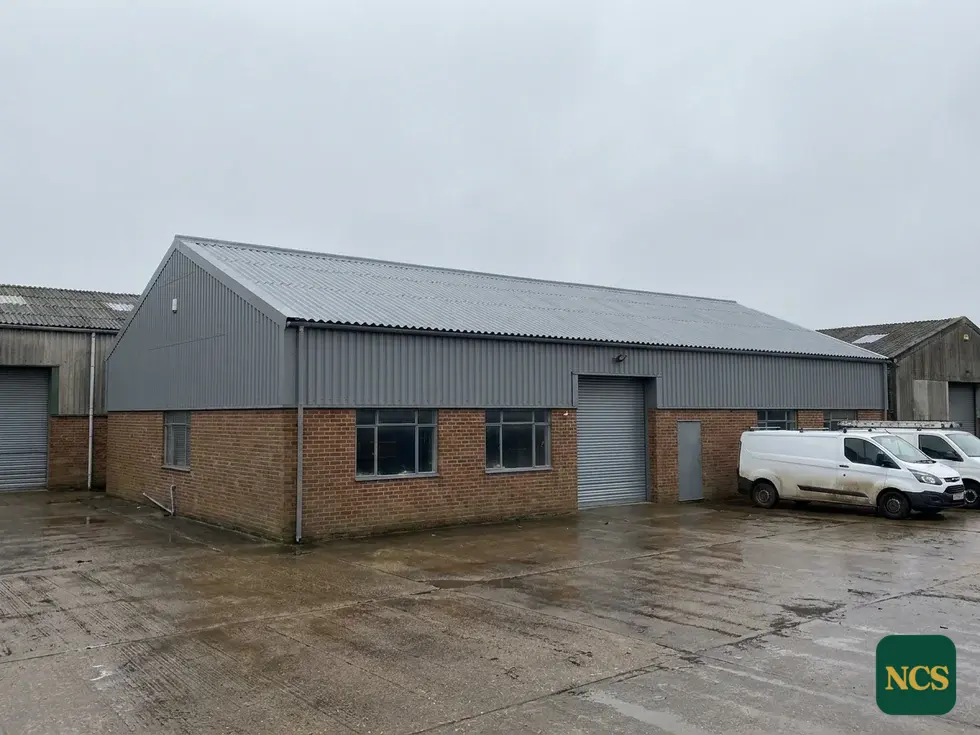
The encapsulation process, step by step
On a suitable roof the work follows a controlled sequence:
- Condition survey and written suitability report
- Controlled cleaning, never uncontrolled dry blasting or open pressure washing
- Repairs to fixings, laps and minor sheet damage
- Treatment of roof lights, flashings and gutter lines
- Application of the elastomeric encapsulant coating to a specified thickness
The coating seals the surface, locks down the cement matrix and sheds water cleanly. Because the sheets stay where they are, there is no asbestos waste stream, no exposed building during the works, and in most cases no need to empty the unit beneath. A uniformly coated roof also reads as maintained rather than neglected, and that perception carries real weight with tenants and insurers alike.
The roofs we will not coat
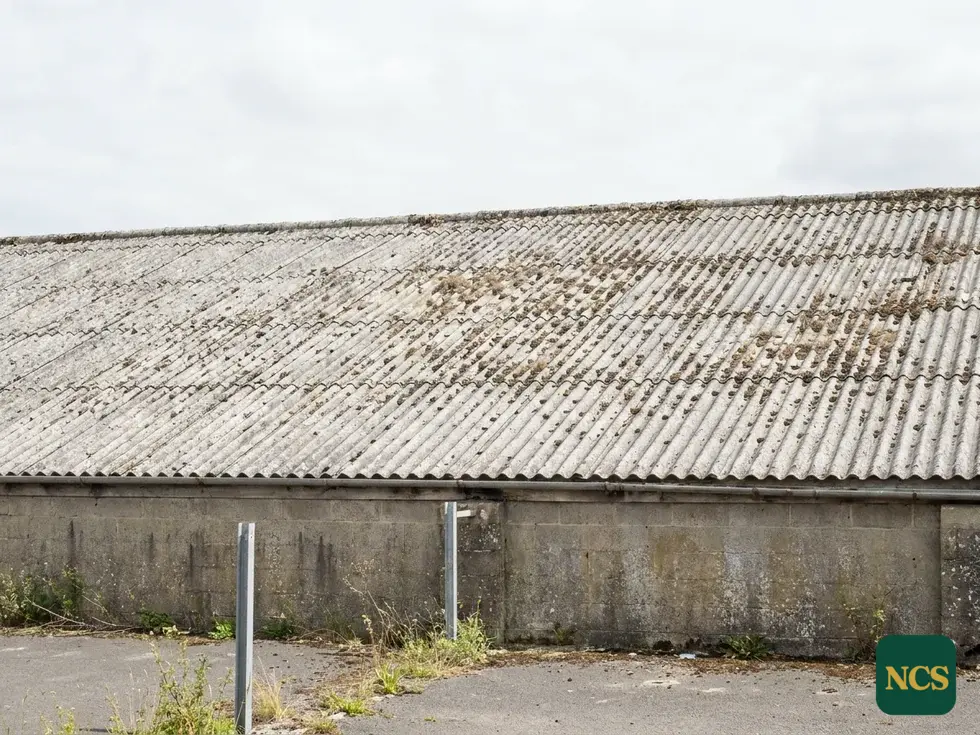
Encapsulation is for sound sheets only, and we apply that test strictly. If a survey in Hull finds widespread cracking, soft or delaminating sheets, significant storm or impact damage, or material that turns out to be asbestos insulation board rather than cement, coating is off the table. The same goes for roofs on structures that cannot safely support access, and for buildings with a short remaining life. In those cases the right course is removal, carried out by a licensed asbestos contractor where the material or the method demands it, and our report will recommend exactly that. A coating used to disguise a failing roof helps nobody, least of all the duty holder whose name is on the management plan.
Survey-led, England-wide
National Coating Specialists is based in the South East and works across England, with Kingston upon Hull and the wider East Riding well within normal coverage. Every enquiry starts with a survey, every survey produces an honest written assessment, and encapsulation is only ever recommended where the condition of the roof justifies it. If your building carries a cement fibre roof from the post-war decades, an inspection will tell you where you stand, and what it will actually take to meet your duty to manage.