









Old roofs in a fast-changing city
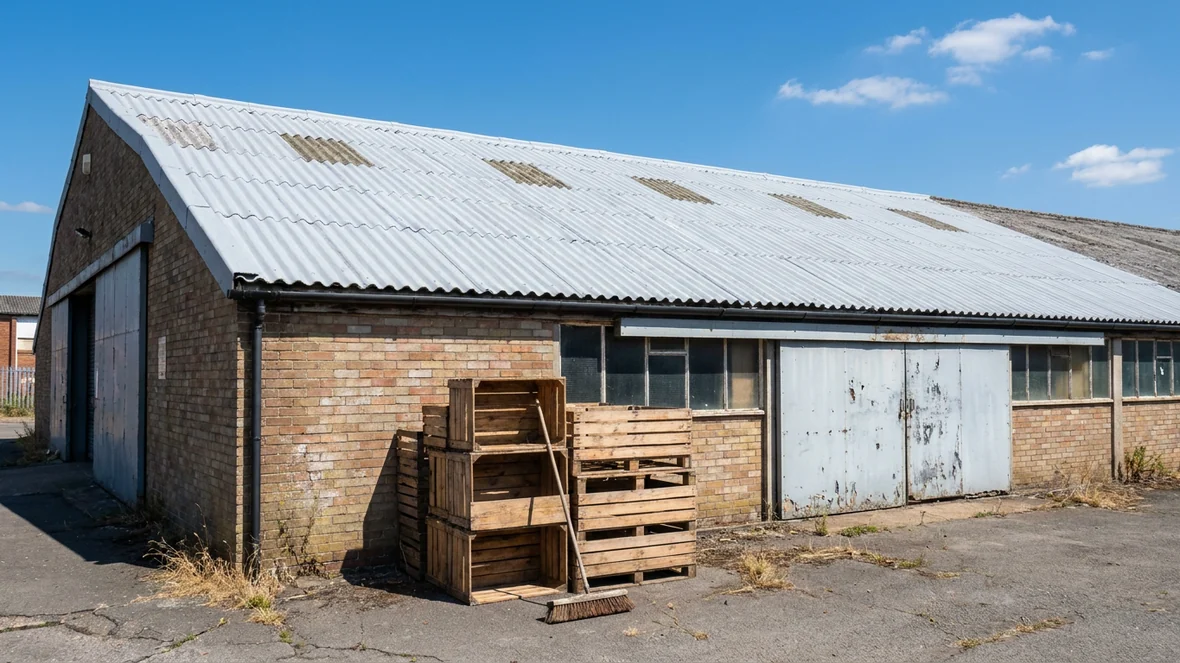
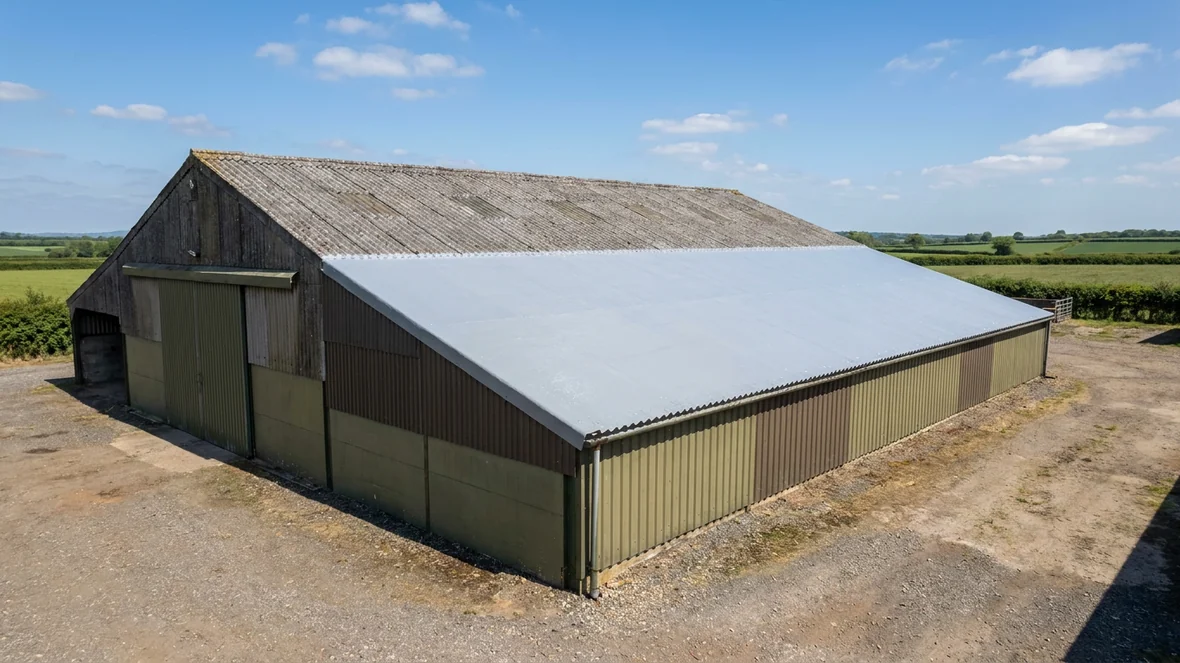
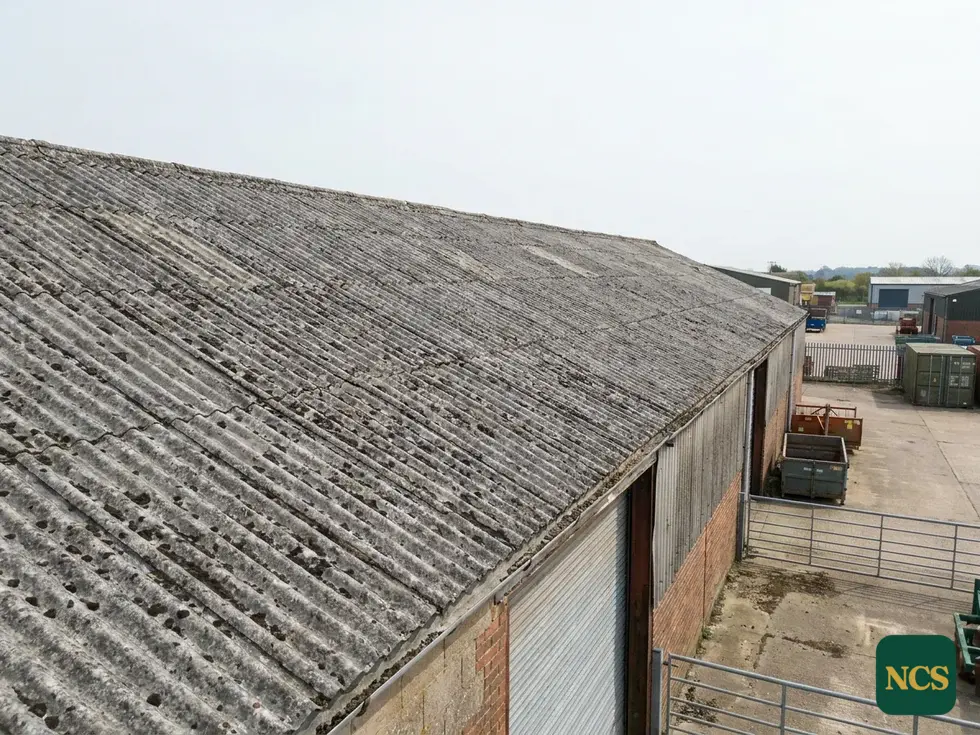
Salford has changed at a remarkable pace, but step back from the regenerated waterfront and a different building stock appears: the workshops, depots and trading-estate units that powered the city through the second half of the twentieth century. A large proportion of those buildings, put up or re-roofed between the 1960s and the 1980s, still carry corrugated asbestos cement roofs. Greater Manchester’s wet climate has weathered them hard. Surfaces have gone porous, moss thrives on shaded slopes, and gutters fill with the grit the sheets shed. Yet many of these roofs remain structurally sound, which makes them candidates for encapsulation rather than removal. Some now sit yards from new development, which makes their condition more visible, and more commented on, than it used to be.
What the duty to manage means for Salford dutyholders
Under Regulation 4 of the Control of Asbestos Regulations 2012, whoever controls maintenance of a non-domestic building holds the duty to manage asbestos within it. That duty is about knowledge and planning: locate the material, assess and record its condition, and manage the risk through a written plan that is reviewed and kept current. The regulations deliberately stop short of requiring removal of sound material. HSE guidance accepts that asbestos cement in good condition is best left undisturbed and protected, and sealing the surface through encapsulation is a recognised way to do that. Done properly and documented, it strengthens your compliance position rather than compromising it.
The case for sealing instead of stripping
The numbers usually decide it. Removal involves controlled stripping, disposal of the sheets as hazardous waste, full replacement roofing and a building disrupted or emptied while it all happens. Encapsulation keeps the sheets in place: controlled cleaning, repair of fixings and minor defects, then a coating system that binds the surface, locks in fibres and restores weatherproofing, typically while the unit underneath keeps working. For landlords and occupiers across Salford’s industrial areas, that difference matters twice over, once in the invoice and once in the downtime. The essential caveat is condition: encapsulation only makes sense on a roof that is fundamentally sound, which is why we survey before we quote. There is a regulatory logic to it as well: every removal disturbs the material, while a sound roof that is sealed and then left alone releases nothing.
When the honest advice is removal
Some roofs should come off, and we say so. Encapsulation is the wrong choice where sheets are extensively cracked, holed or brittle, where decades of saturation have turned the cement soft and friable, or where structural movement and storm damage have broken the integrity of the roof plane. It is also confined to asbestos cement. If a survey identifies asbestos insulation board, lagging or sprayed coatings, those are licensable materials and the work must be carried out by an HSE-licensed removal contractor. In those cases our report recommends removal, in writing, and we step back. Coating a condemned roof would protect nobody and cost you the same money twice.
Starting with a survey in Salford
We work survey-first from a South-East base, with coating contracts carried out across England and the North West reached through planned visits. The survey covers:
- Sheet condition across every slope, photographed and recorded
- Fixings, flashings, rooflights and gutters
- The supporting structure, as far as it can be inspected
- A clear recommendation: encapsulate, repair first, or refer for removal
The report is yours to keep with your asbestos management plan, whichever route you take. If your building dates from the city’s industrial decades and the roof has never been formally assessed, that survey is the logical first move. If access equipment is needed to inspect safely, we say so before the visit rather than on the day.