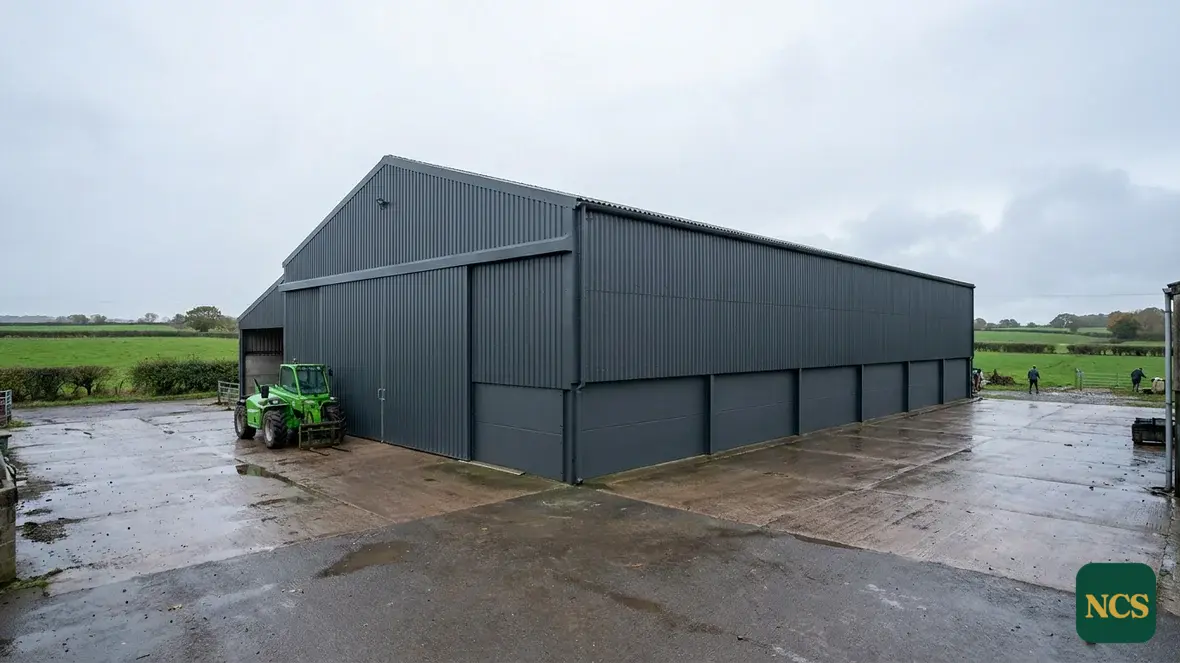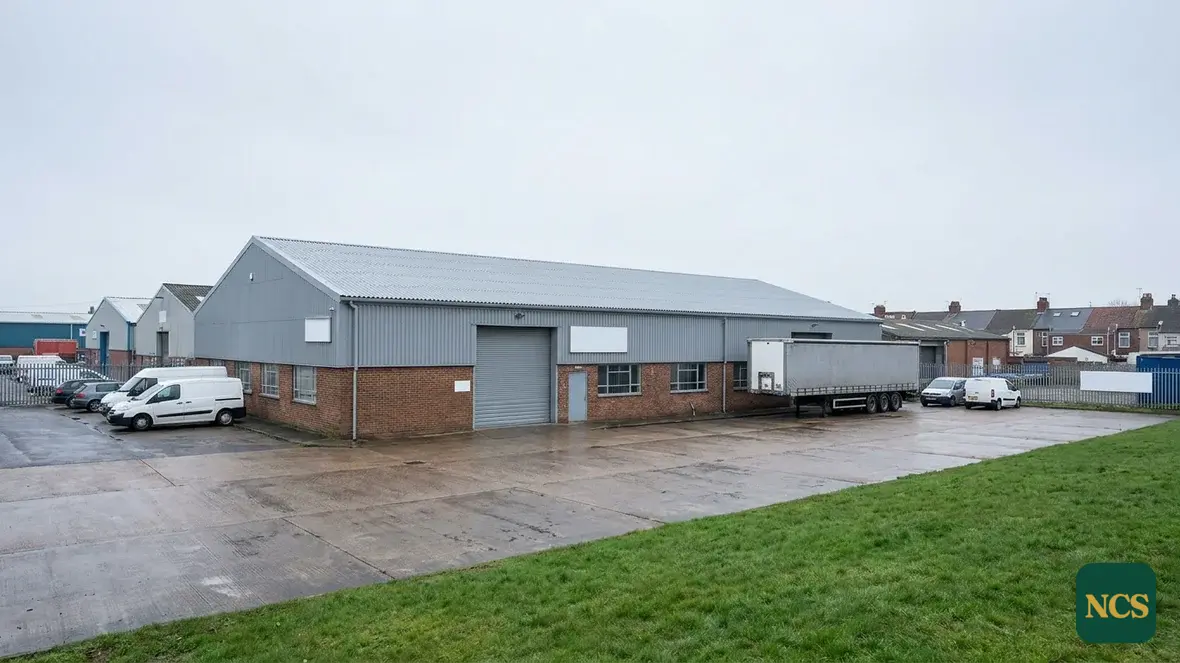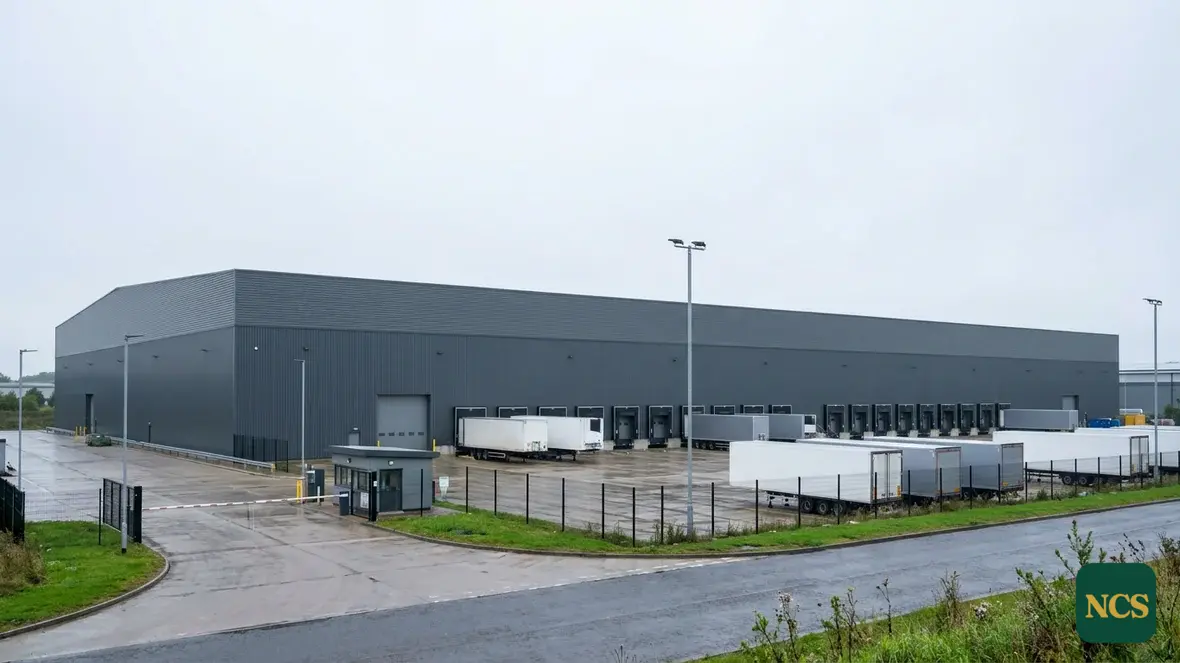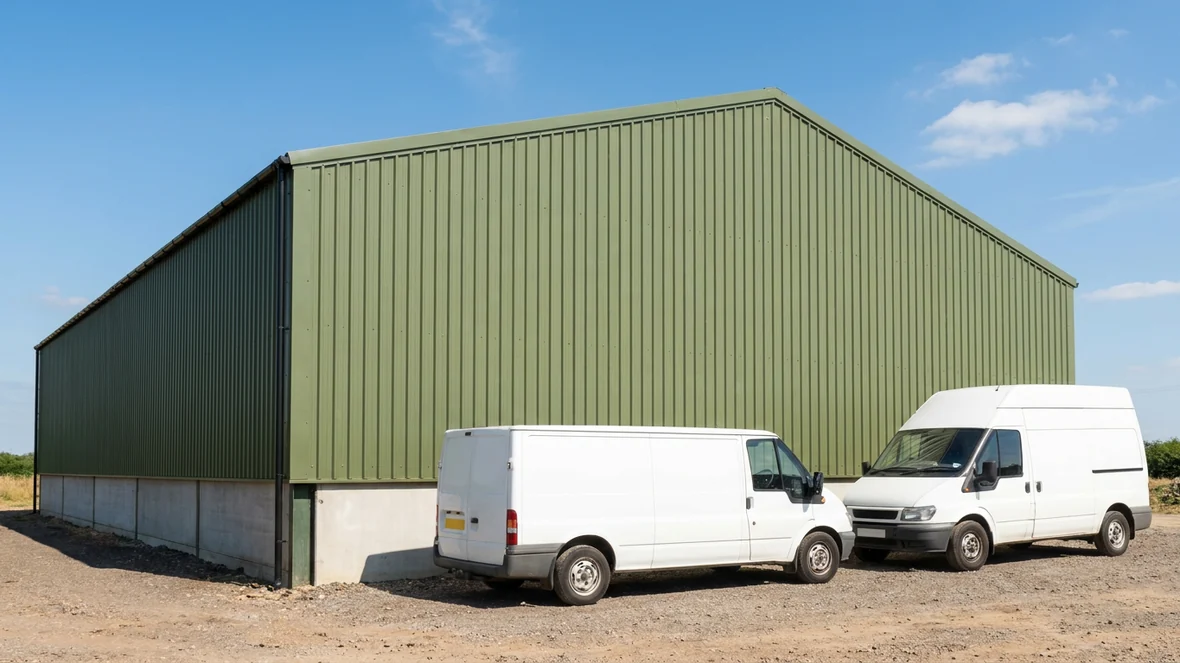
Step out beyond the city and the land around Liverpool turns quickly to farmland: the dairy and mixed holdings of west Cheshire, the flat market-garden ground towards the Lancashire mosses, and the steadings tucked across the Wirral. National Coating Specialists is a survey-led exterior coating contractor working across England from a South-East base, and the wet maritime weather that rolls in off the Mersey and the Irish Sea shapes how these farm buildings weather and how we plan agricultural building coatings here.
What the sea air does to farm roofs near Liverpool
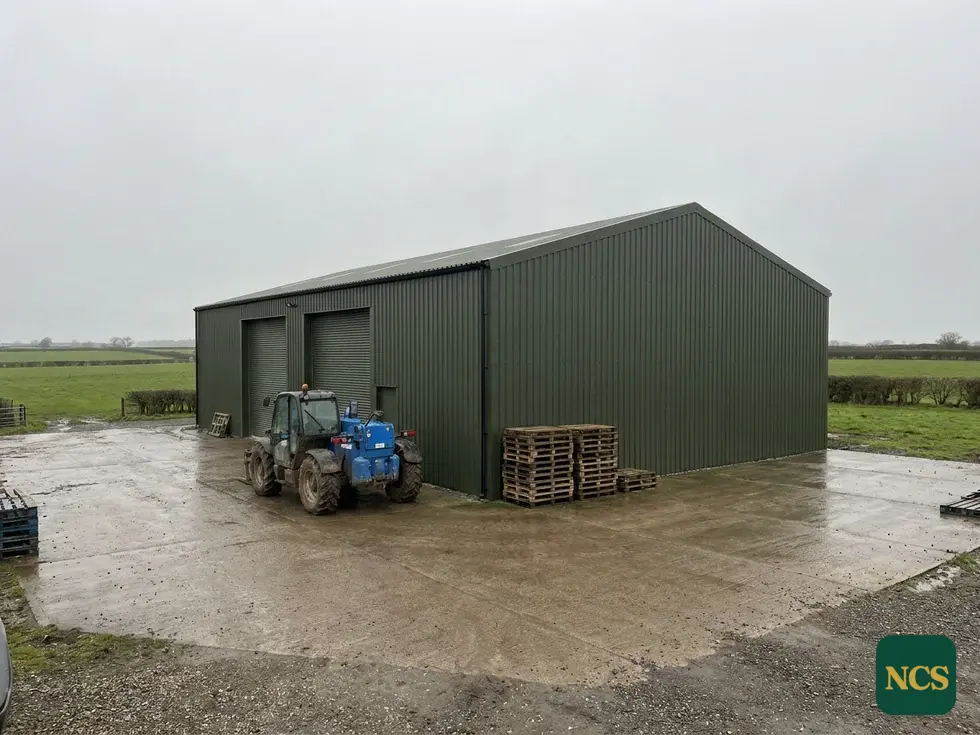
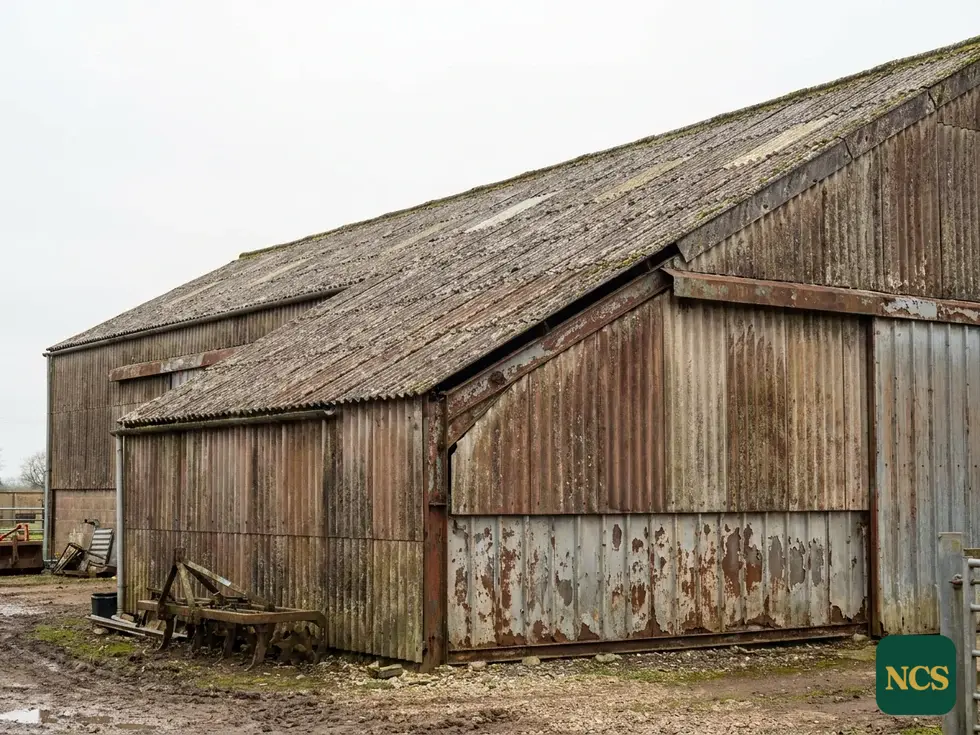
Salt-laden wind is the quiet enemy of metal out this way. It speeds up corrosion on galvanised and plastisol-coated sheets, attacks cut edges and fixings first, and leaves the rust streaks you can see from the yard long before a leak shows inside. Many holdings run a mix of eras off one set of buildings: an older blockwork barn, a steel portal-frame shed put up decades ago, and a newer clad store alongside. It is usually the legacy steel and fibre-cement roofs that need attention soonest. A weathered roof is not automatically a finished roof, though. Where the frame is sound and corrosion has not eaten through the sheet, a properly prepared and coated roof can keep working for many more seasons.
Survey first, price second
We never quote a farm roof from the gateway. Every job starts with a survey, because what separates a roof worth coating from a roof past coating is rarely visible from ground level. On a typical inspection we record:
- Sheet condition, including corrosion at cut edges, laps and fixings
- Movement in the sheets and the state of washers and seals
- Gutters, valleys and rooflights, which often fail before the roof does
- Water ingress signs on purlins, frames and anything stored below
- Access, ground conditions and what plant the yard can take
You get the findings straight, with photographs, before any figure is mentioned. If two slopes need different treatments, the report says so.
Planning around the farming year
The diary on a working holding is set by stock and ground, not by our convenience. Cattle housed through the wet winters here make sheds hard to clear; spring brings turnout and slurry traffic; nobody wants scaffolding up at silage. We plan coating work for the windows that suit you: livestock buildings in the gap before animals come back inside, feed and machinery stores before they fill again. On a yard still in use we agree vehicle movements and protect feed and water areas at the start of each day rather than working around your routine on the hoof.
Older metal and asbestos-cement, handled honestly
A large share of the agricultural roofs we survey around Liverpool are legacy profiled metal or asbestos-cement sheet. Weathered but sound asbestos-cement can often be cleaned and encapsulated with a suitable coating system, sealing the surface against further breakdown. Fragile, cracked or heavily delaminated sheets are a different matter, and we will say plainly when a roof needs a licensed removal contractor rather than a coating. Nobody on our team walks these roofs casually: condition is assessed from proper access equipment before any weight goes on. That caution is the difference between a safe job and a dangerous one.
Repair, coat or replace: the straight answer
Coating is not always the right call, and we would rather lose the work than coat a roof that should come off. As a rough guide: localised damage on an otherwise sound surface usually means repair; widespread surface breakdown on structurally sound sheets is where coating earns its keep; sheets that are holed, soft or failing at the fixings are usually telling you the roof is done. The survey settles which category your building sits in, and if the answer is replacement we say so, so you can plan the spend on accurate information rather than a sales pitch.