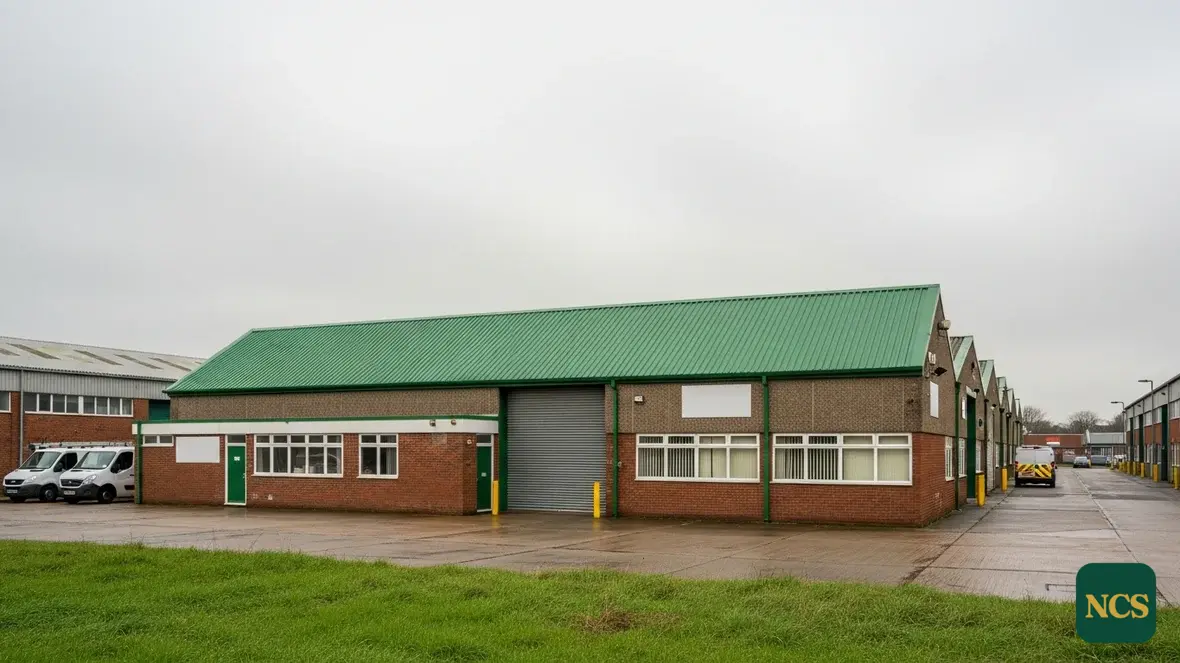
Downland farms and estate roofs around Winchester
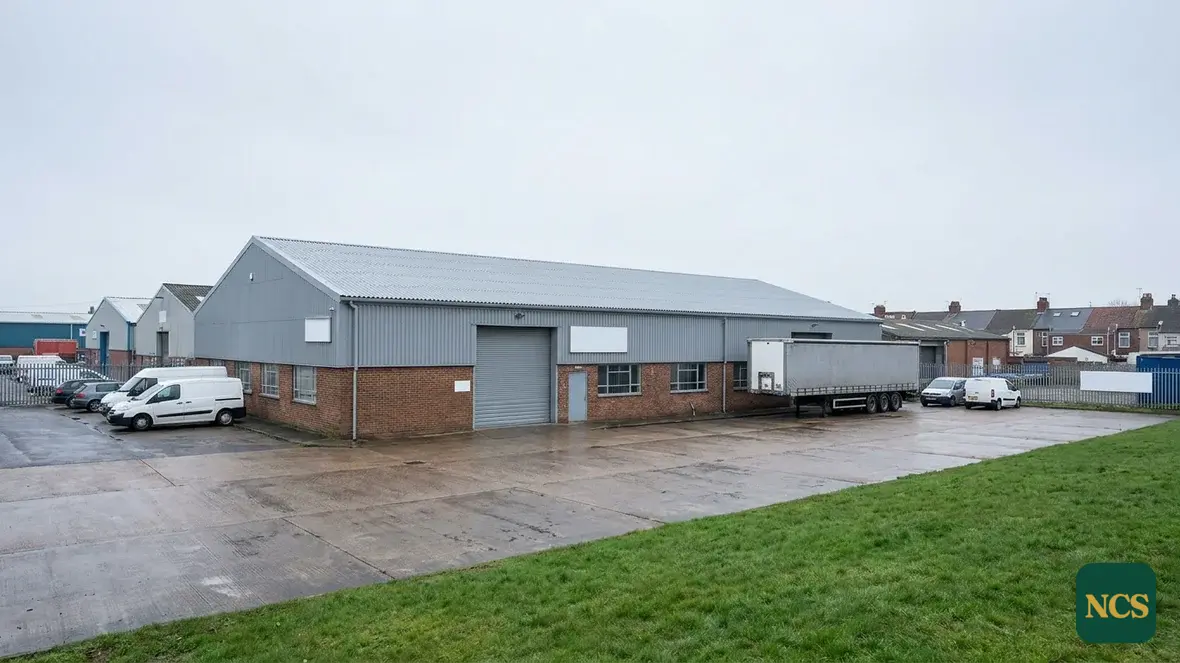
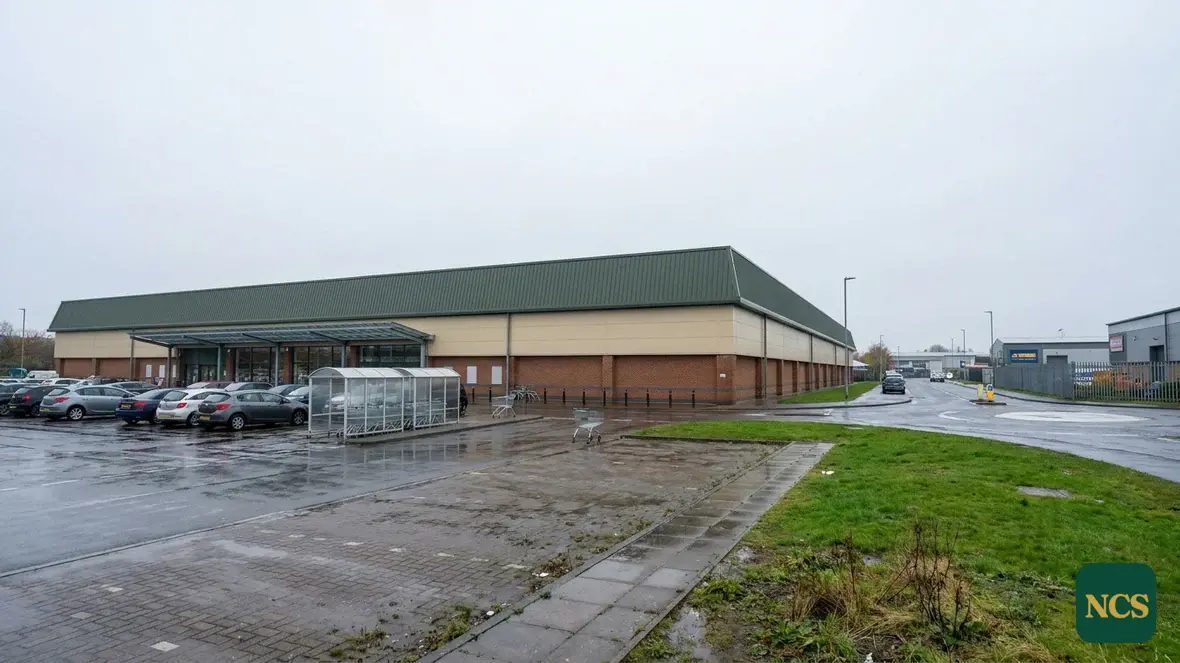
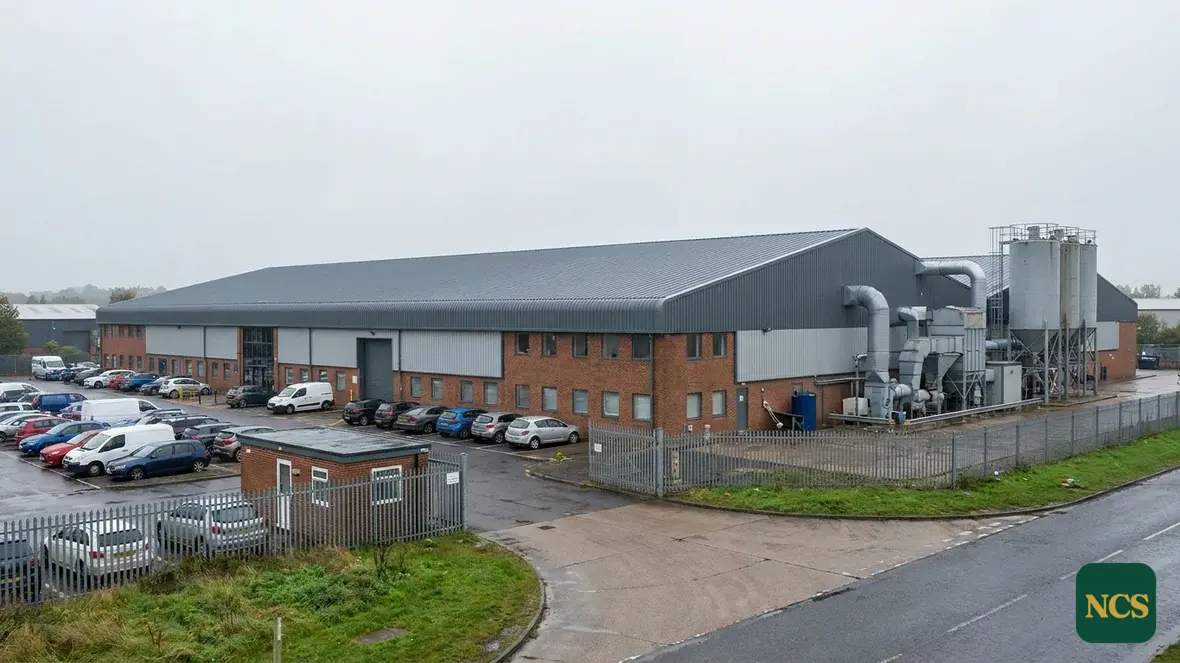
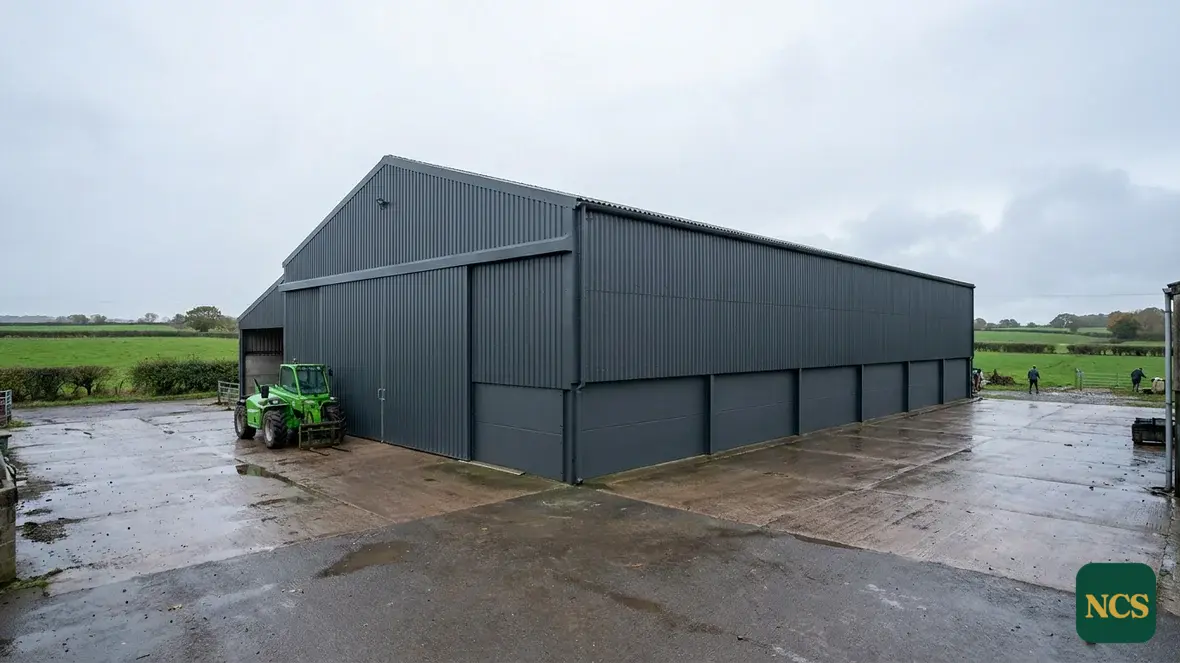
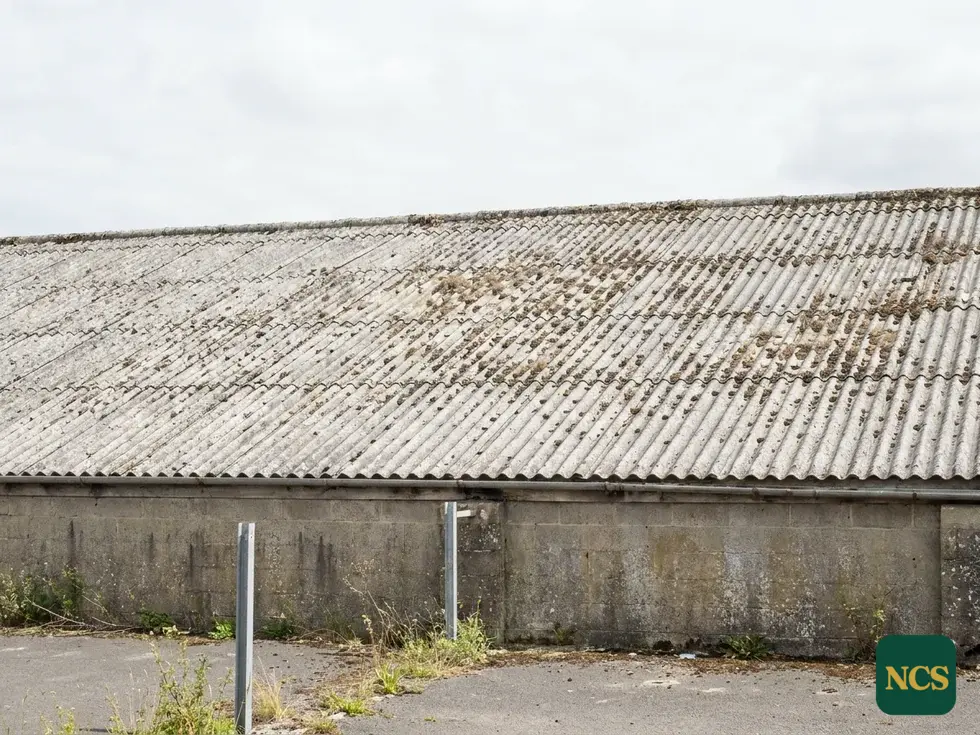
Winchester itself is a historic cathedral city, but the asbestos cement roofs we are asked to survey sit on plainer buildings: the Hampshire downland farms encircling the city, the light-industrial estates on its fringes, and the depots, workshops and school outbuildings serving the wider area. Almost all of it went up between the 1960s and 1980s, when corrugated asbestos cement was the standard sheet for a barn, a grain store or a portal-frame unit. Long exposure to the weather has left many of these roofs porous and moss-covered, leaking around fixings and laps while the sheets remain largely intact. Whether a roof falls on the sound side or the failed side of that line is the single most important thing a survey establishes, and it is not something you can judge reliably from the ground.
Encapsulation as a managed control, not a quick fix
Encapsulation is a structured process rather than a coat of paint. The roof is inspected sheet by sheet, then cleaned under controlled conditions so moss and debris are lifted without disturbing fibres or cracking sheets underfoot. Failed fixings are renewed, minor repairs are made, brittle rooflights are handled, and the surface is sealed with a coating system formulated specifically for asbestos cement. Once cured, the coating binds the surface, locks fibres in place, restores water-shedding and adds useful years to the roof. For a working farm or estate in the area, the appeal is that the building stays in use throughout, with no enforced shutdown while the roof is dealt with and no costly temporary relocation of stock or machinery.
The compliance position under CAR 2012
Regulation 4 of the Control of Asbestos Regulations 2012 imposes a duty to manage asbestos on whoever is responsible for maintaining non-domestic premises. You must identify asbestos-containing materials, assess their condition, record what you find and manage the risk over time. Nothing in that duty forces automatic removal. Asbestos cement in sound condition may remain in place provided it is recorded, monitored and, where appropriate, sealed. Encapsulation is one recognised way of discharging that duty: a documented, planned measure within your management plan rather than an attempt to sidestep the regulations, and one you can show clearly at each review.
When encapsulation is the wrong call
There are roofs we will turn down, and it is fairer to say so before a survey than after a coating fails. We will not encapsulate where sheets are extensively cracked or holed, where the cement has gone soft and friable after decades of saturation, or where storm damage or structural movement has broken the roof. The method is also limited to asbestos cement alone. If an inspection reveals asbestos insulating board, lagging or sprayed coatings, that is licensable material requiring removal by an HSE-licensed contractor. Where removal is the correct route for your building, we will tell you in writing and step aside rather than apply a coating that cannot do its job and would only delay the real fix.
How a survey works around Winchester
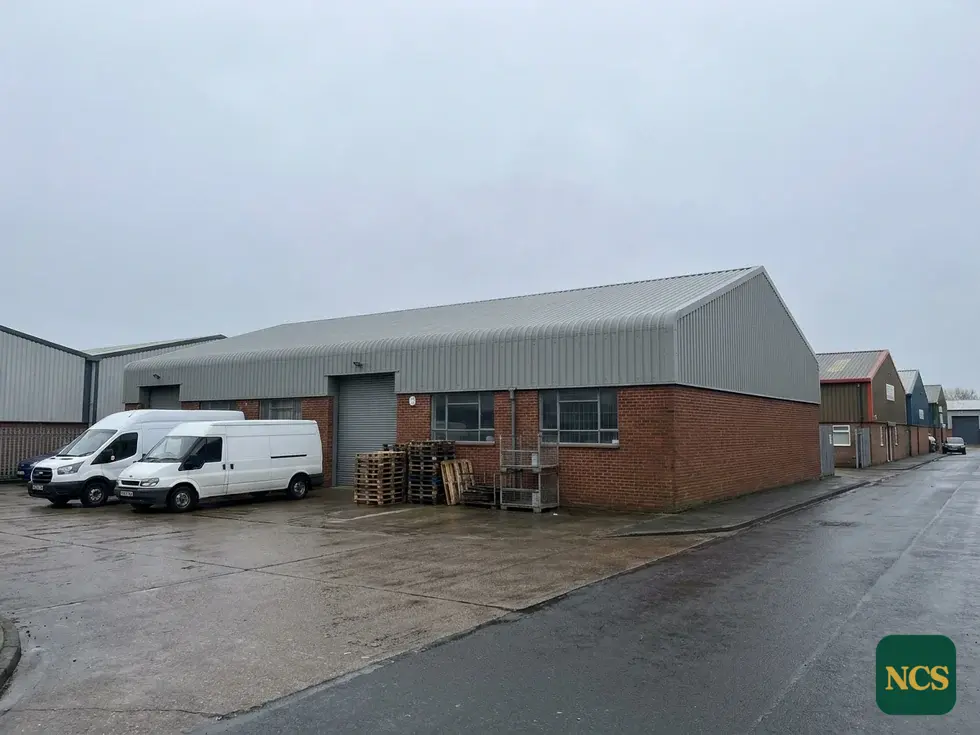
We operate England-wide from a South-East base, so Winchester and the surrounding Hampshire countryside sit comfortably within our survey range. The process is deliberately simple:
- A close survey of sheets, fixings, rooflights, gutters and supporting structure
- A dated photographic record for your management plan and future reviews
- A plain recommendation in writing: encapsulate, repair, or refer for removal
- A specification and price issued only where coating is the right route
- Controlled, documented working methods throughout
If a building dates from the 1960s to the 1980s and its roof has never been formally checked, the survey gives you both a compliance answer and a costed way forward in a single visit.