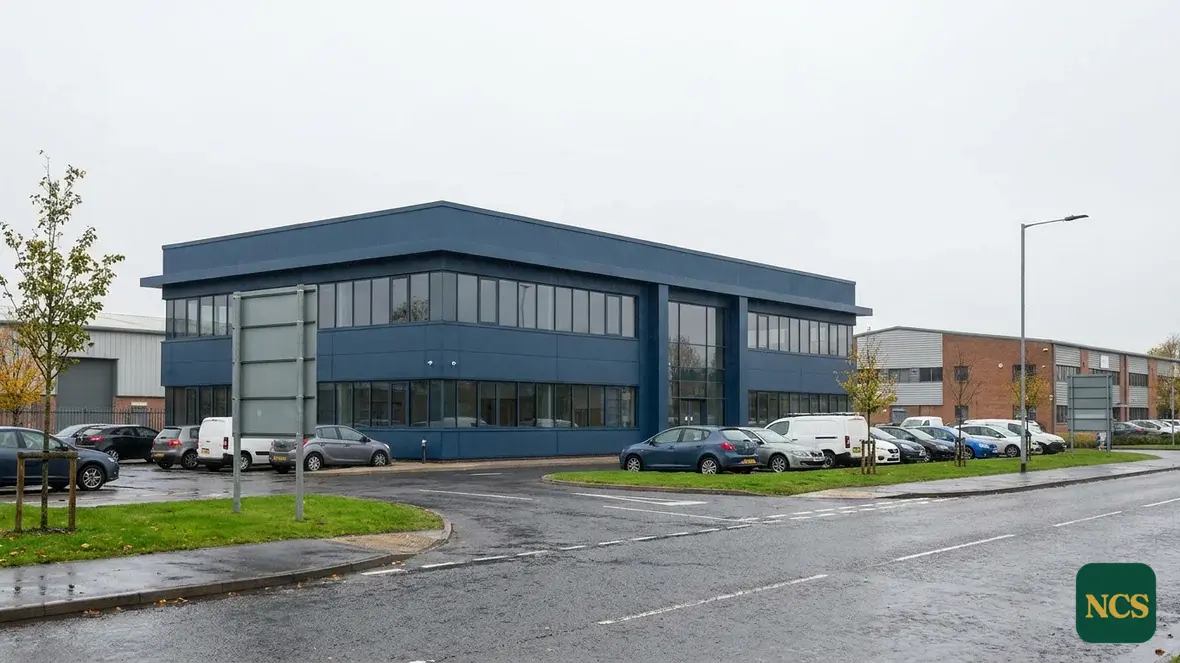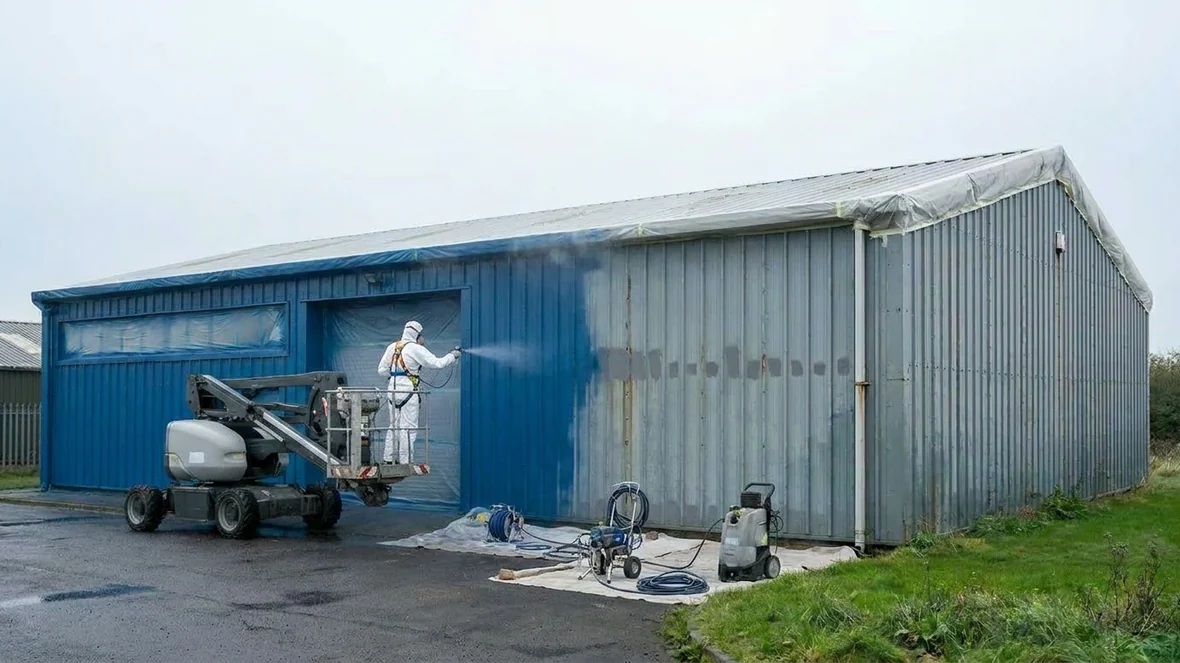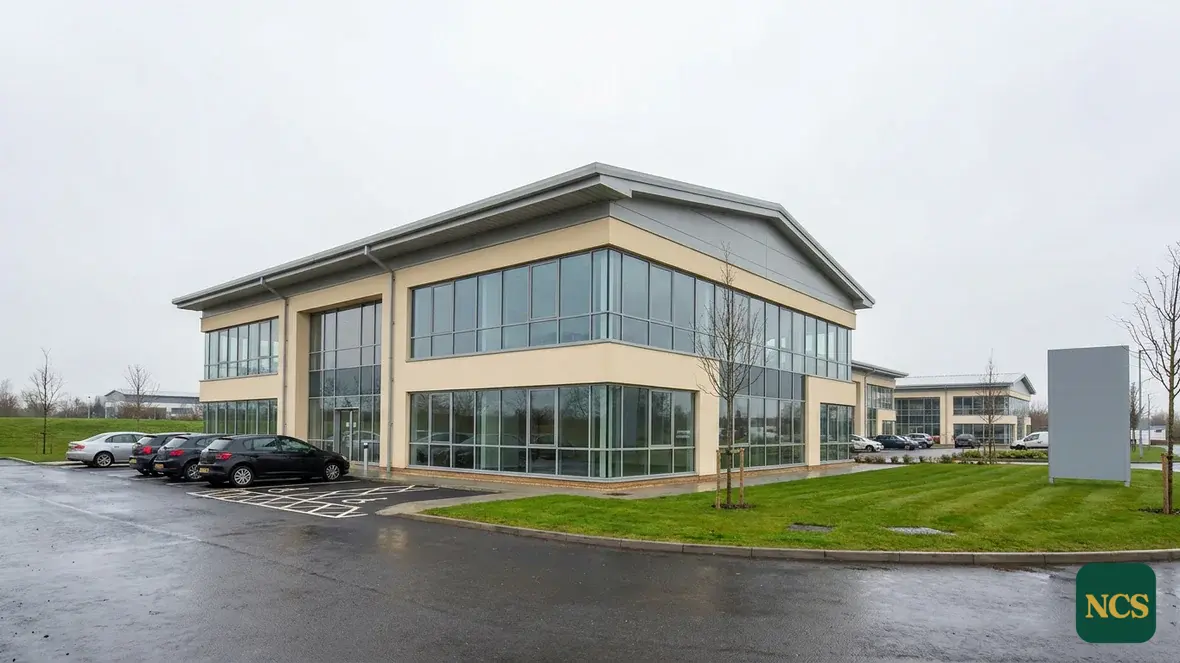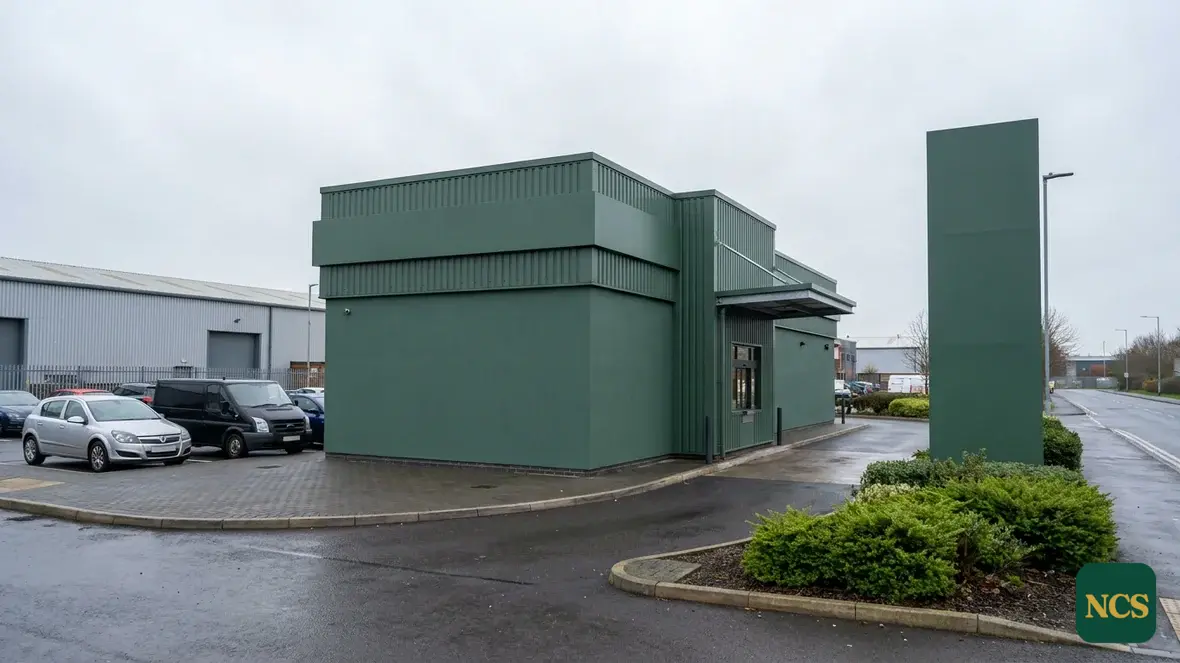
Commercial wall coating in Winchester
In a city like Winchester, where first impressions count for so much, the outside of a commercial building isn’t just a detail. We see businesses here commission commercial wall coating for a couple of big reasons: to protect the walls from the weather that rolls in off the Hampshire downs, and to keep the place looking sharp enough for clients to walk in with confidence. Those two things go hand-in-hand. A wall that sheds water properly stays cleaner, holds its finish, and costs less to keep up. One that’s quietly soaking it up does the opposite, no matter what colour it started out.
Look at the maintenance costs, it’s the same story. Doing exterior work in a busy city centre carries access and disruption charges that don’t change much, whether the job is specified right or wrong. So the cheapest plan is always the one you only have to do once. That begins with really knowing the wall, which is why we survey every job before we even think about a price.
A good share of our Winchester enquiries start with a search for commercial painters, and for exterior work that is what we are, with the wall repaired and primed before any finish goes on.
The character of the local commercial stock
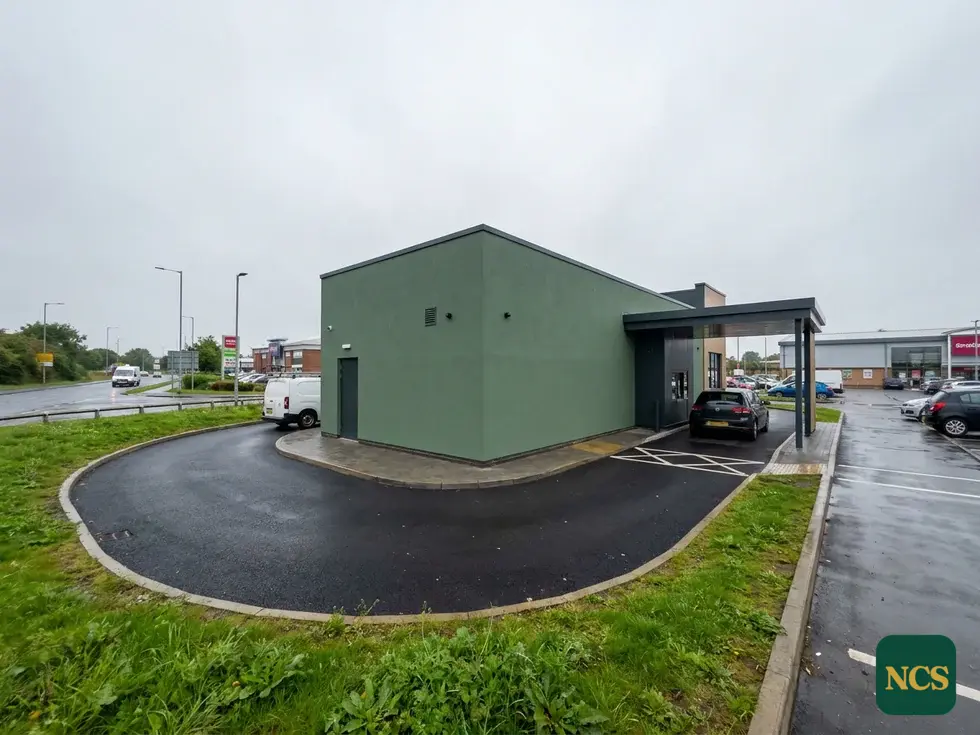
Winchester’s trading streets carry a long architectural memory. We see plenty of older brick, flint, and rendered frontages in the historic heart of the city, often in sensitive spots where the finish needs careful thought. As you move out to the edges and along the main routes, the stock shifts to more modern offices, surgeries, and business-park units, typically render and contemporary masonry. Generally speaking, the older the wall, the more it needs to breathe. An impermeable, sealed product can do real damage there. Modern substrates are more forgiving, but they have their own common failure points, especially where render has cracked or a previous coating is failing. The type of building always dictates the specification; we never let the product drive the job.
What our survey covers, in Winchester and across Hampshire
Every job starts with us getting on site and having a good look. We stick to a fixed routine for that inspection:
- Identifying the substrate: whether it’s brick, flint, render, blockwork, or a surface that’s been coated before.
- Taking moisture readings and noting any visible damp patterns.
- Checking for cracks, spalling, failed pointing, or render delamination.
- Inspecting rainwater goods and other detailing that might be causing the problem.
- Assessing access, considering neighbouring premises, and any trading-hours constraints.
You’ll get our findings and a recommended scope of work in writing. Nobody asks you to commit to anything until you’ve seen it. This same process applies right across Hampshire; we survey premises in Eastleigh, Southampton, Basingstoke, and Andover to the exact same standard as we do in Winchester itself.
When we will tell you not to coat
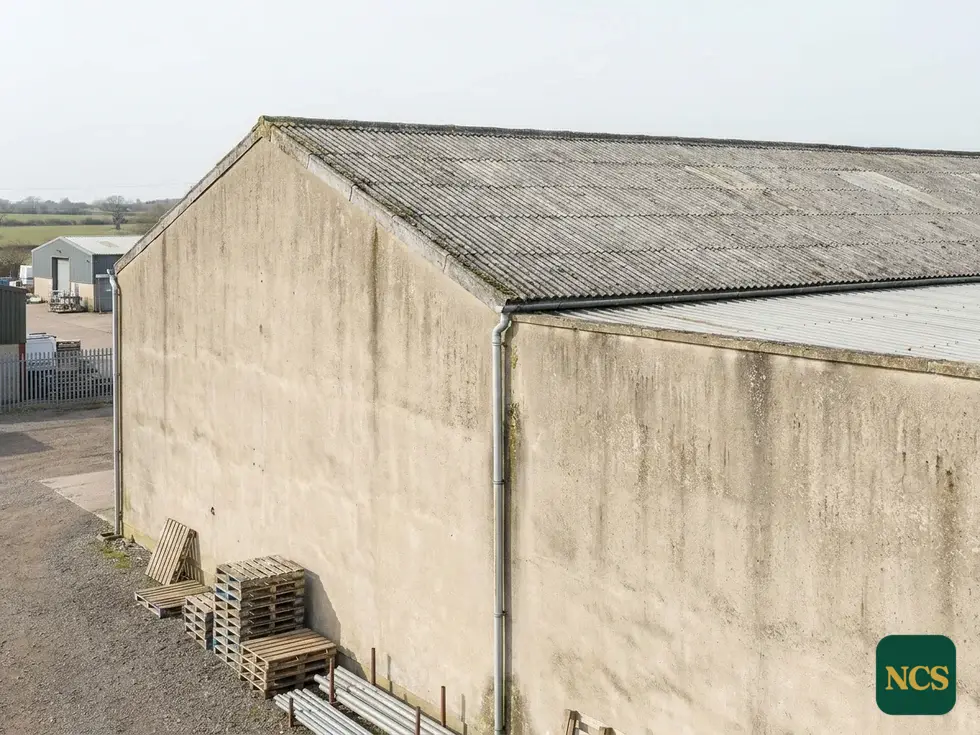
Some problems just look like a coating job on the surface, but they’re not. Rising damp, active structural cracking, failed wall ties, saturated insulation, or persistent leaks from gutters or parapets all need to be fixed as building faults first. Slapping a coating over them might make it look better for a few months, but it just hides the real issue, and the coating rarely lasts long once the underlying fault is still active. When our survey finds these sorts of things, the report will tell you straight. We’ll also tell you what we think needs to happen instead, and in what order. Sometimes, a drying period before any finish goes on is part of that answer too. A wall that’s been soaking up water for years isn’t ready for a coating the week the leak is fixed. Any plan that pretends otherwise is a plan that fails.
Why the survey-led model protects you
The alternative to using a survey-led contractor is getting a quote before anyone has properly understood your wall. That approach works for the contractor, not for you, the client. Our survey-led model means the diagnosis is written down before any money changes hands. You can challenge and compare the specification, and the firm doing the work has committed to a reasoned position, not just a number. For commercial property in Hampshire, that’s the difference between buying a solid outcome and just buying a tin of paint with some labour thrown in.