Cladding spraying in Winchester
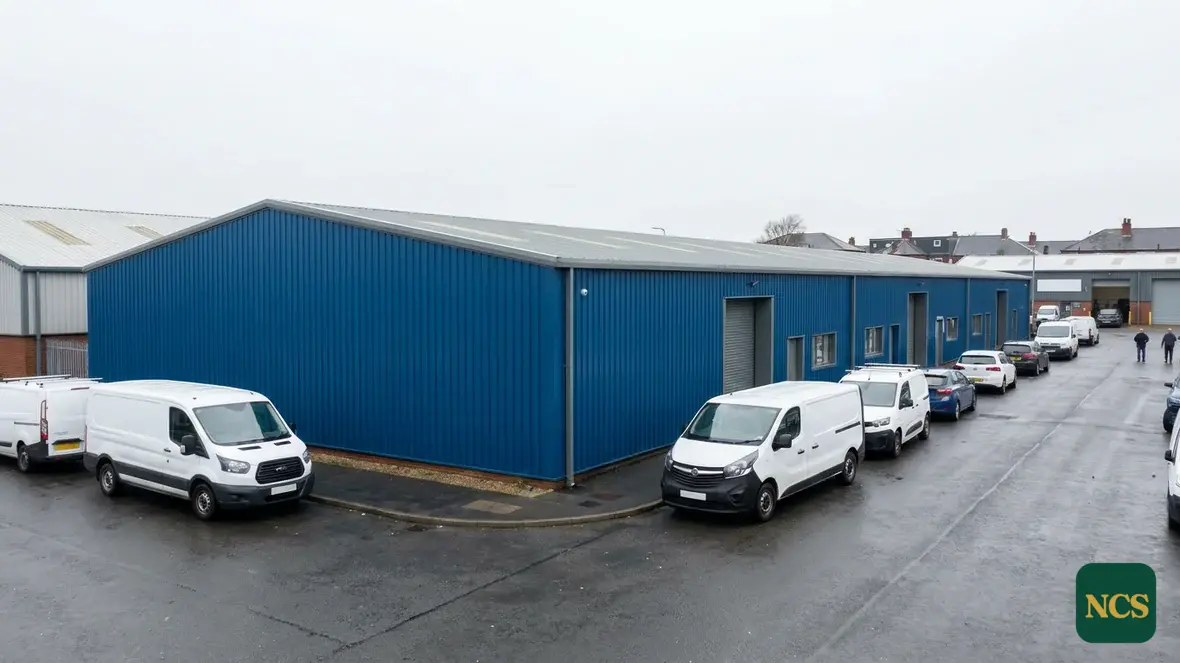
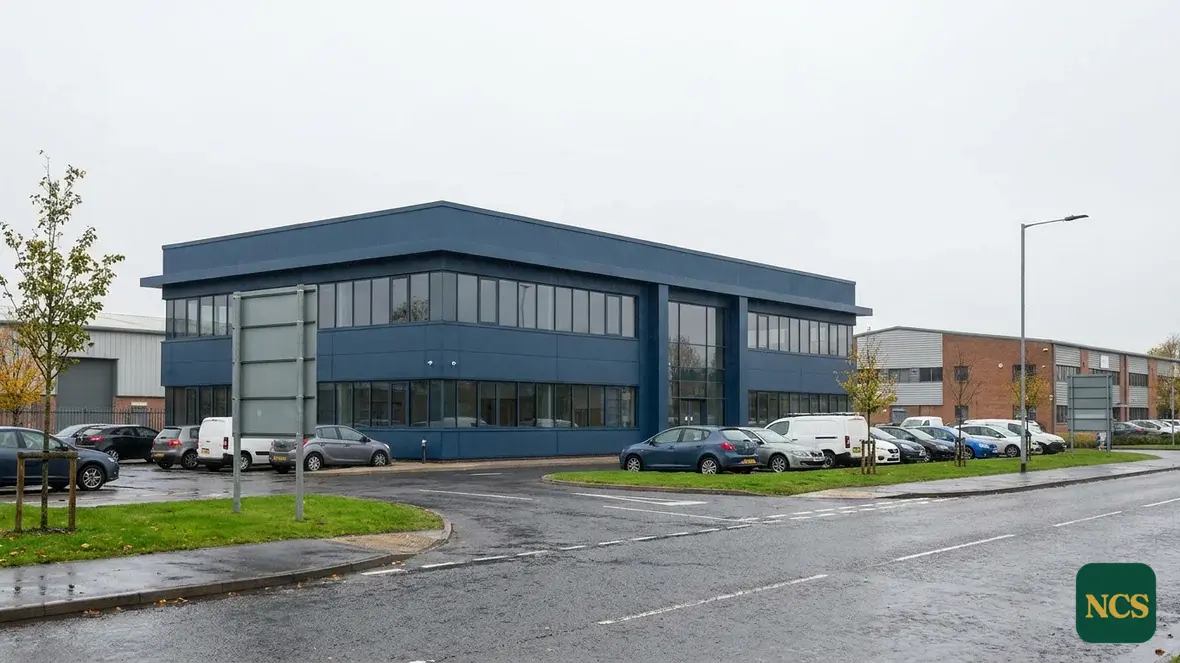
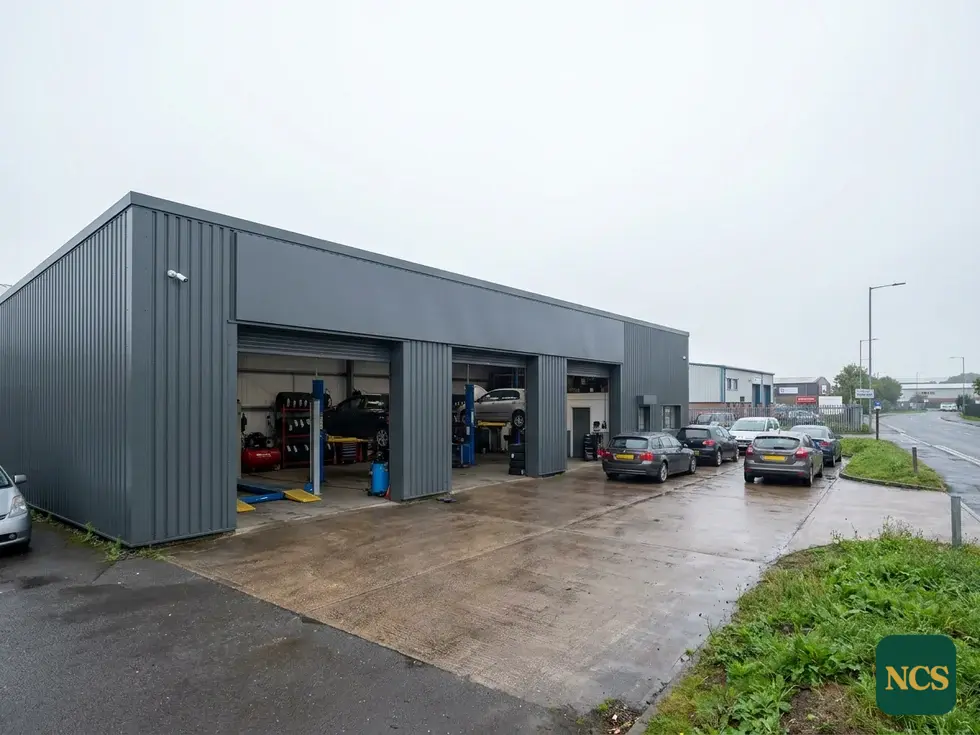
Winchester might be famous for its ancient cathedral, but we know there’s plenty of modern commercial and industrial stock around the city and out along the M3 corridor. We see business parks, trade counters, retail units, and light industrial buildings, all finished with profiled steel or composite panels. They all weather in the same way. When those elevations fade, cladding spraying in Winchester is usually the practical answer. We keep the panels on the building and spray on a specialist coating, bringing back the colour and adding a fresh layer of protection.
We treat every enquiry the same way: we survey the building, we test the existing finish, then we specify and price the job. We won’t promise anything off the back of a photograph. That applies to a single fascia as much as to a full industrial unit. The discipline doesn’t change just because the job is bigger.
What Hampshire weather does to clad buildings
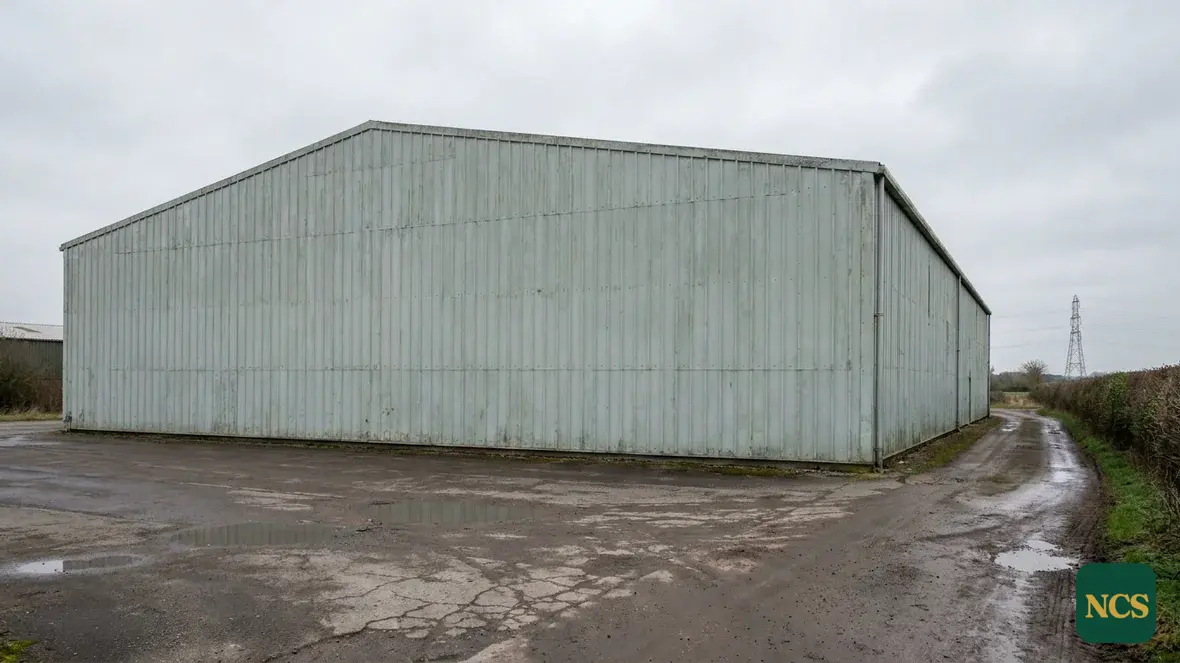
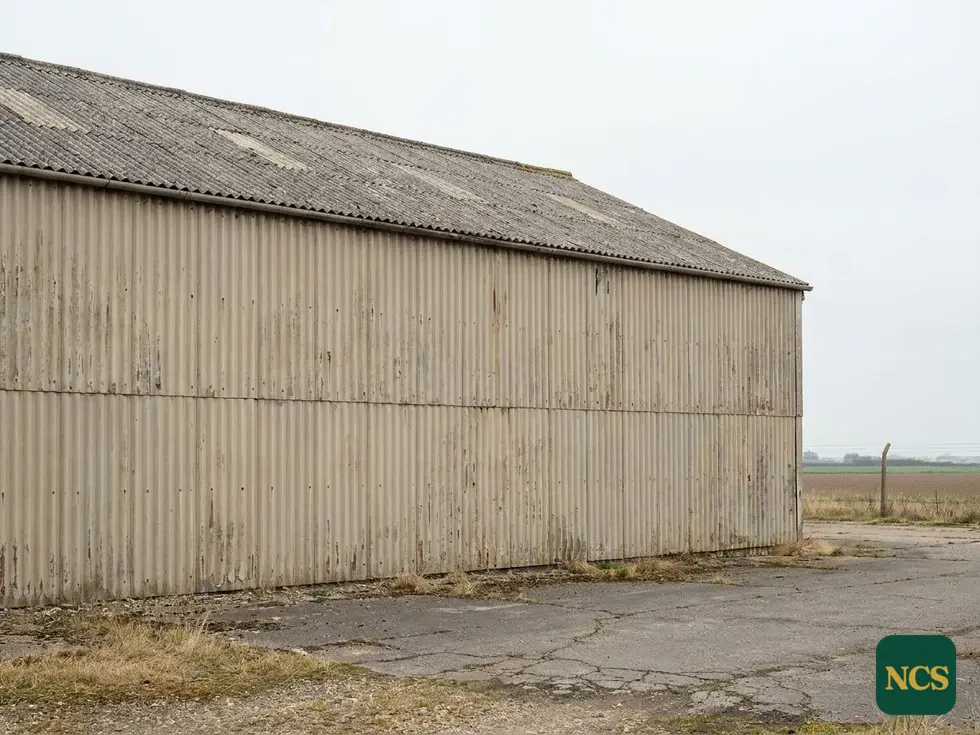
Clad buildings in this part of Hampshire tend to fail gently, not dramatically. We see south-facing elevations fading fastest under UV, plastisol finishes chalking and losing their gloss. Run-off staining builds up below gutters and flashings, and those cut edges at sheet ends and around openings show the first orange traces of edge corrosion. None of this means the building is finished. It usually means the original factory finish has reached the end of its decorative life, but the panel beneath is still perfectly serviceable. That’s exactly the situation an on-site respray is designed for.
Changing the colour is a common reason too. If you’ve bought a building from a previous occupier, or you’re rebranding a unit, we can move it to an entirely new colour scheme in the same visit that restores the finish. We’ll agree the colours from standard ranges before we start work.
A cladding respray on a Winchester unit is a refurbishment in the real sense: repairs first, then the sprayed finish.
From enquiry to handover, survey first
A surveyor inspects the building before anything else happens. We test the adhesion of the existing coating, we map out any corrosion and damage, and we record all the practicalities: access, occupied areas, parking, and how we can phase the work around your operation. The written specification that follows covers preparation, any repairs, corrosion treatment, and the coating system itself. Your quotation is built on that specification.
- We survey the condition and test adhesion before we quote.
- We treat cut-edge corrosion properly, we don’t just paint over it.
- We fully mask all glazing, signage, paving, and vehicles.
- We apply the spray in a controlled way, to a written system specification.
- We do a final inspection against the agreed scope.
We work on the same basis across the area. Buildings in Eastleigh, Southampton, Basingstoke, and Andover are surveyed and programmed exactly as they would be in Winchester itself.
When we recommend something other than coating
Being survey-led means we have to accept what the survey tells us. If the sheets are perforated by rust, if the composite panel faces are separating from their cores, if the fixings have failed, or if the building needs thermal or fire-performance improvements that only recladding can provide, a respray would be the wrong recommendation. We won’t make it. You’ll get that conclusion in writing, along with our view on the sensible alternative. A coating applied over a failing substrate protects nobody, including us. In practice, this happens less often than owners fear. The point is, the survey decides, not a sales pitch.
Why the survey is worth insisting on
Any two quotations can name a similar paint system. What separates them is the preparation, and you can only scope preparation accurately by standing in front of the building. Insisting on a survey-led contractor means the scope is fixed before the price, the specification exists in writing before work starts, and you can check the finished elevations against something more solid than a verbal promise. For a tired clad building in or around Winchester, that’s the difference between redecorating a problem and actually resolving one.