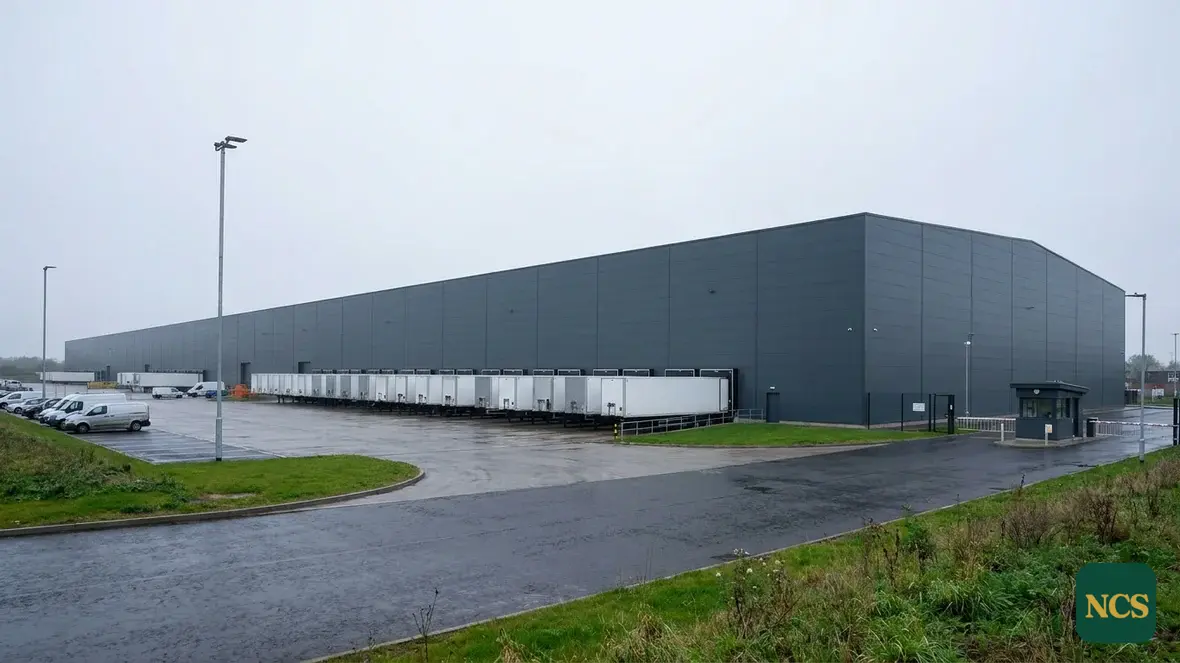
A brown line above the gutter is the early warning
On a profiled steel roof, the sheets were cut to length when the roof was made. That cut left a strip of bare metal at the sheet end. The factory coating protects the faces, but the cut edge has nothing. Rust starts there, then burrows back beneath the coating, lifting and peeling it season by season. By the time you notice it from the ground, a stained line above the gutter, flaking at the overlaps, it has usually been running for years.
This is cut edge corrosion. It’s the most predictable failure on coated steel roofs of a certain age. Predictable is good news. It means the defect can be caught, treated and stopped, provided you move while the damage is still confined to the edges.
The roofs around Winchester most likely to have it
We see Winchester’s metal roofs in two main places. First, on the business parks and trade estates around the city’s edges. Units roofed in plastisol-coated steel from the eighties onwards are now reaching the age when edge corrosion turns active. Second, in the downland villages around the city, on steel-framed agricultural buildings, grain stores and workshops. These often get little attention as long as they keep the rain out.
Hampshire’s weather does the rest. Wet winters, valley mists and slow-drying mornings keep gutters and lap joints damp for long spells. Damp edges are exactly what this defect feeds on. A roof that never quite dries out between November and March corrodes all winter, without anyone watching it.
If a Winchester roof has been painted once already and the rust is back through, the edges were never treated. That is the part we repair first.
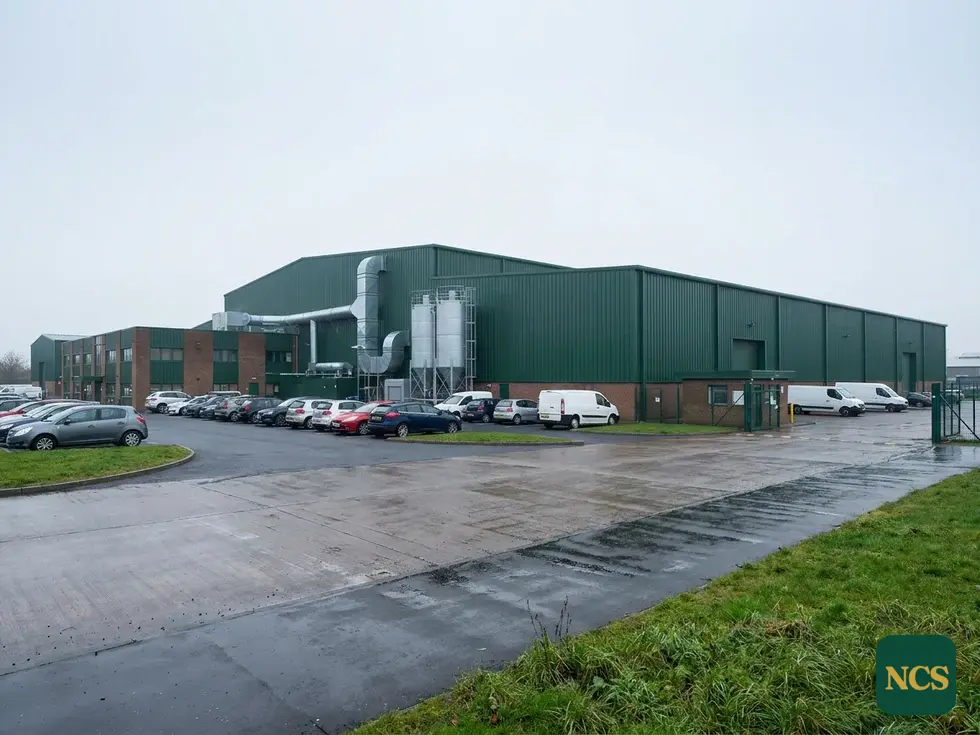
Where we draw the line, and why we tell you
Every job starts with a survey. Sometimes, that survey ends the conversation. If sheet ends have rusted through, if laps are corroded across both sheets, or if the underside shows heavy condensation damage, then treating the edges would only dress a roof that is structurally past it. In that situation, our report will recommend replacement or over-sheeting, in writing, with the photographs that justify it. Recommending a coating we know will fail is not work we want, in Winchester or anywhere else.
Why early treatment is the cheap option
Most roofs have not reached that point yet. The gap in cost between the two situations is the whole argument for acting early. Edge treatment on a sound roof is contained work: mechanical preparation back to bright metal, corrosion treatment, then a flexible reinforced coating over the edges and laps. The building stays occupied, the disruption is minimal, and the spend sits well below what replacement sheets, access equipment and downtime would add up to. Every winter the defect runs, the balance shifts towards the expensive outcome. From the ground, look for:
- Rust staining along eaves and gutter lines
- Coating blistering or peeling at sheet ends
- Orange run-off marks beneath lap joints
- Water sitting in gutters against the sheet edge
- Damp showing inside the building near the eaves
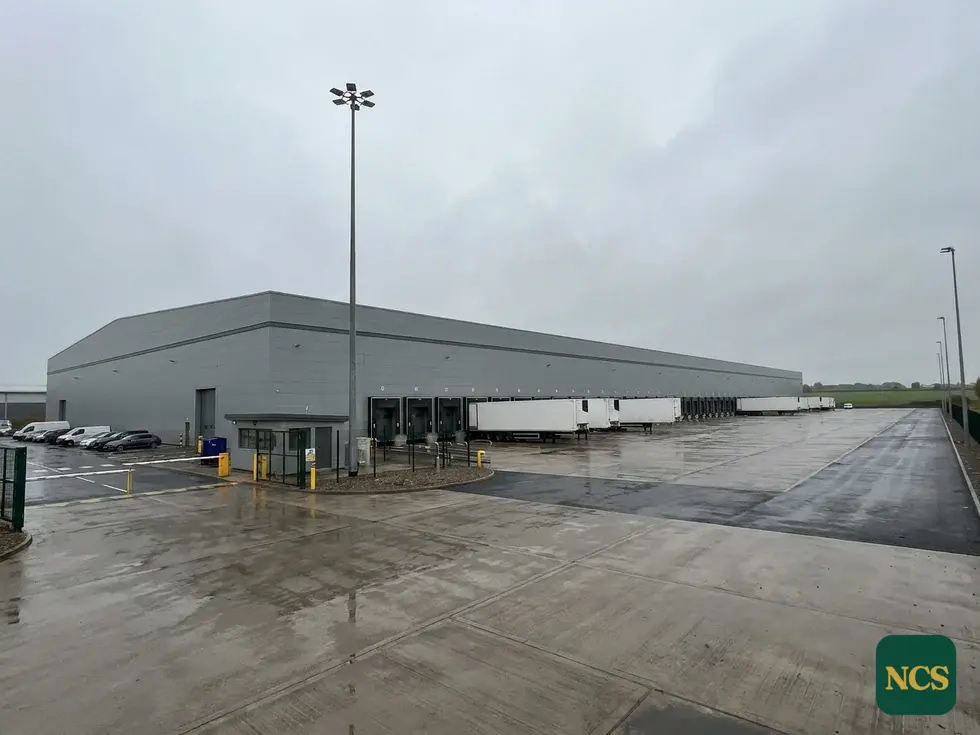
Treating the edges as part of a full recoat
Where the rest of the roof is showing its age too, chalky, faded, with sealants drying out around fixings, the sensible move is often to combine edge treatment with a full roof coating. One programme of work cleans the whole surface, deals with the corroded edges, seals the laps and fixings, and recoats the lot. The result is a roof addressed as a system rather than a series of patches. That’s usually the better economics over any horizon longer than a couple of years.
If a unit, barn or workshop roof near Winchester is showing rust at the edges, ask for a survey. You will get a straight answer about what it needs, and just as importantly about what it does not.