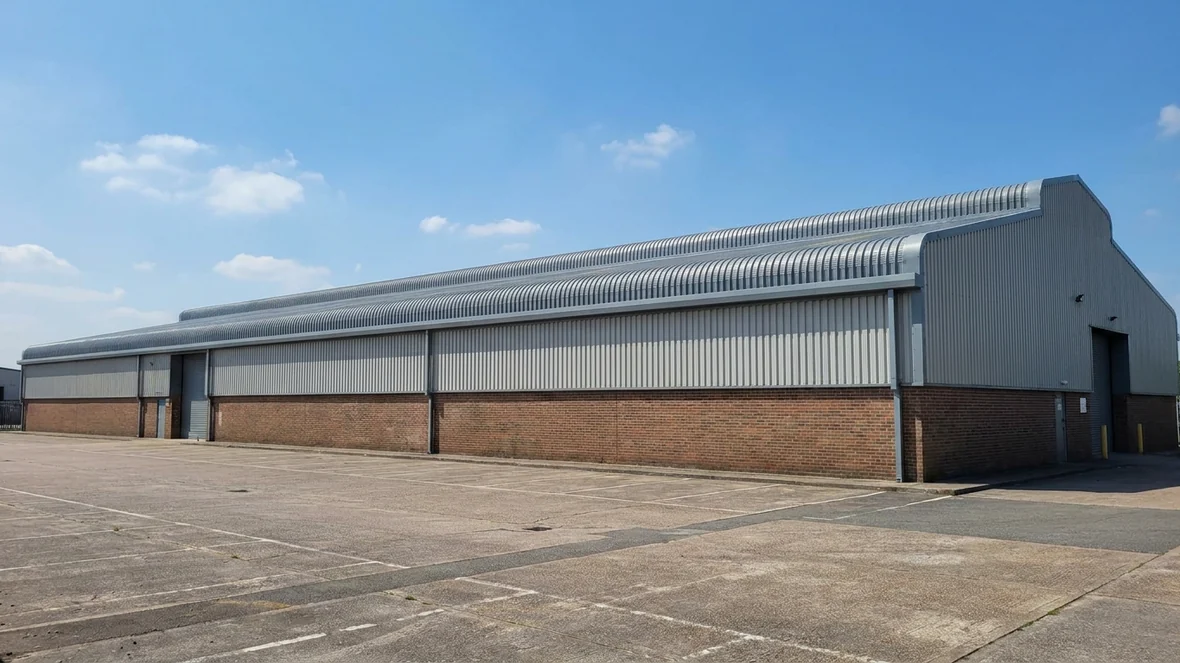
The defect that starts at the sheet ends
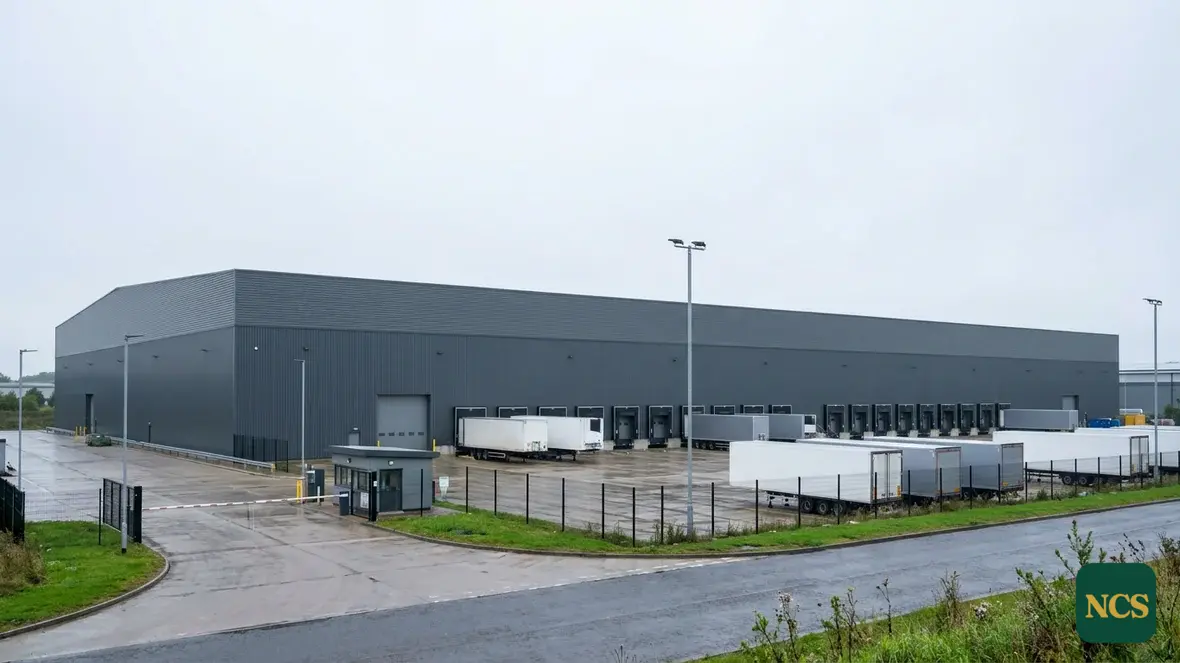
Milton Keynes is built around distribution. The big logistics warehouses and steel-clad industrial units along its grid carry vast areas of profiled metal roof, and a common way those roofs begin to fail is at the edges rather than the face. The cause is cut edge corrosion. Profiled steel sheets are cut to length in the factory, and the cut passes through the galvanising and the coloured coating, leaving bare steel at every sheet end and side lap. The coated face holds up for years; the cut edge was never sealed, because no coating covers a line made after the coating is applied.
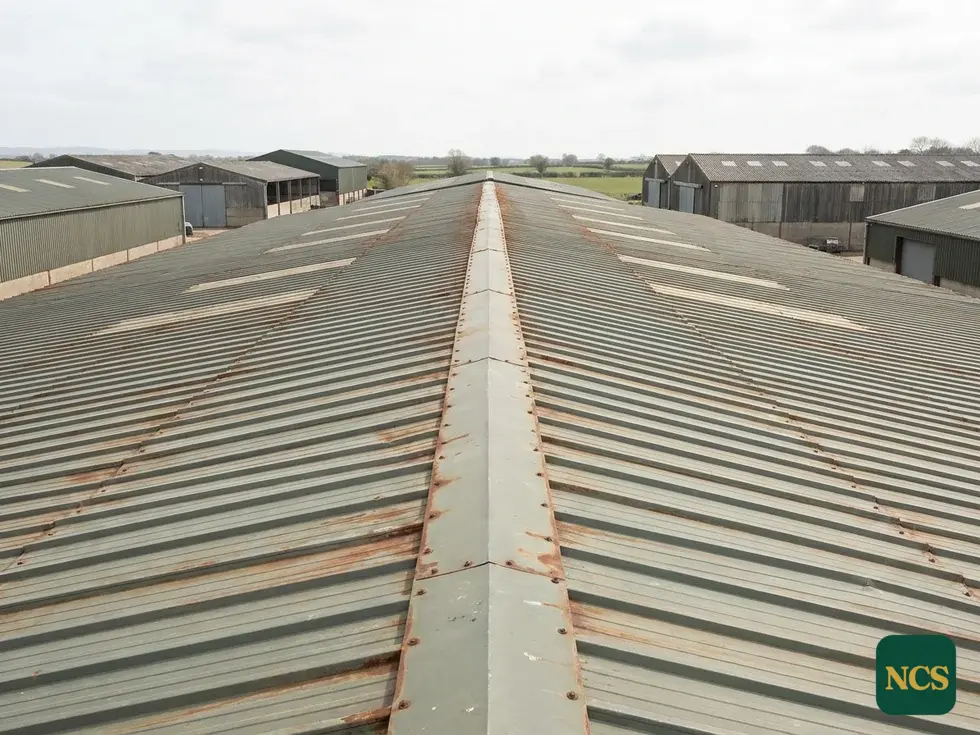
Water reaches that exposed steel, rust forms, and it then tracks back under the coating, lifting it away from the metal as it spreads. The brown line you can see from the service yard is the leading edge of corrosion that has usually crept further than it appears.
Large modern sheds, large areas of edge
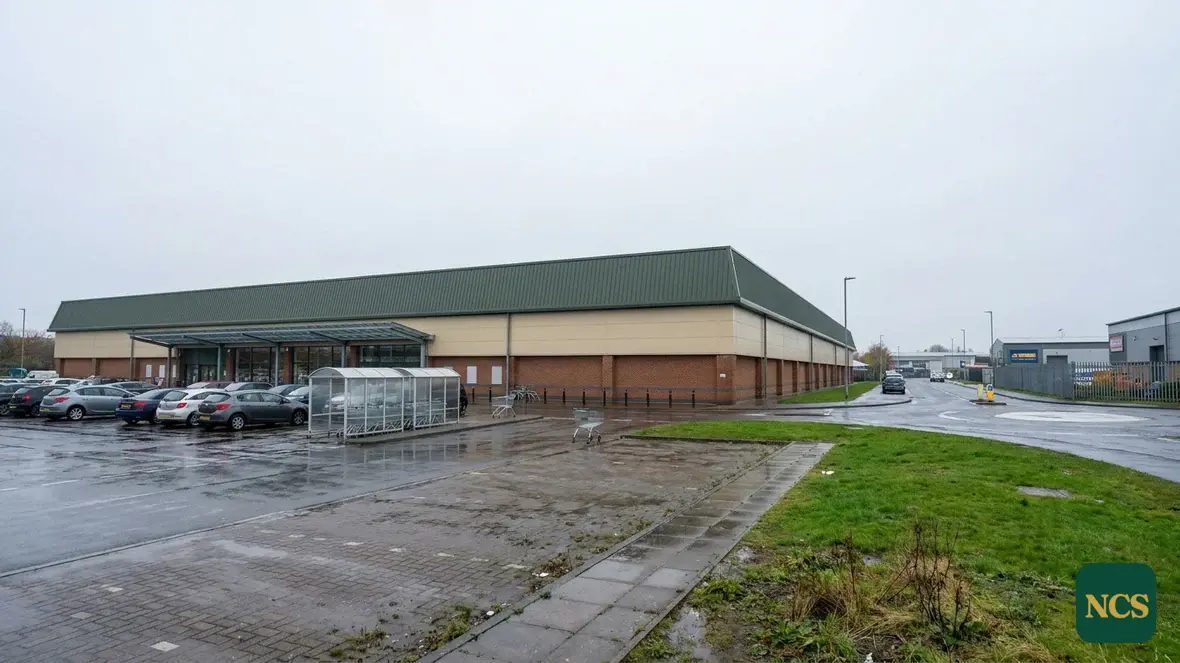
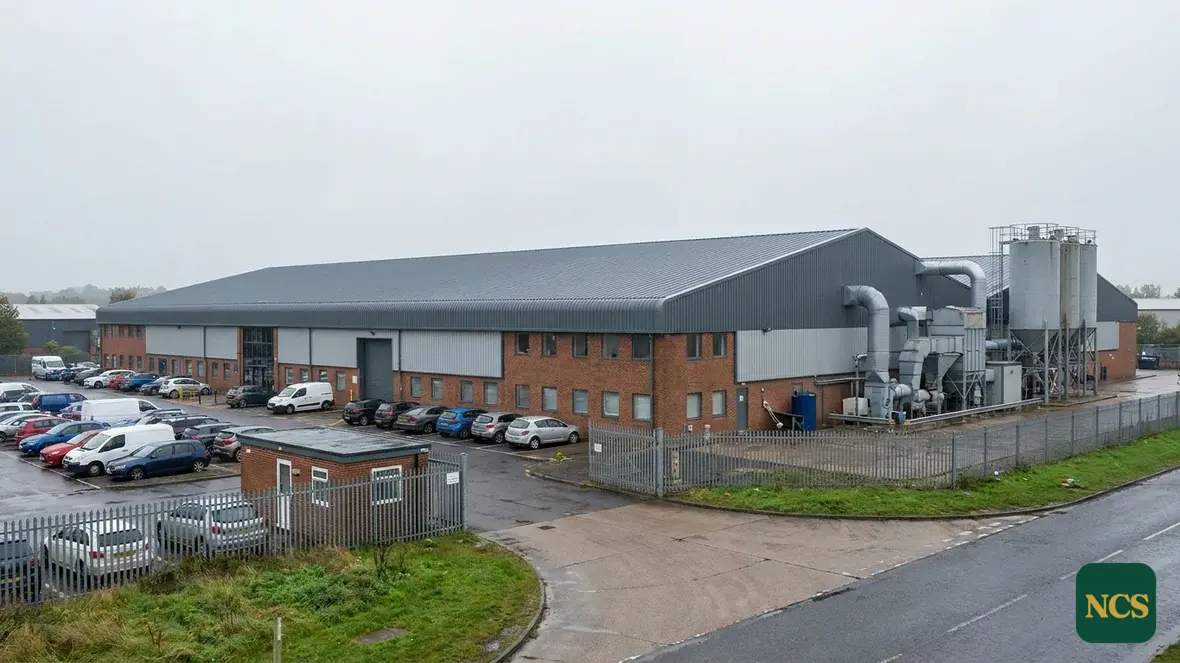
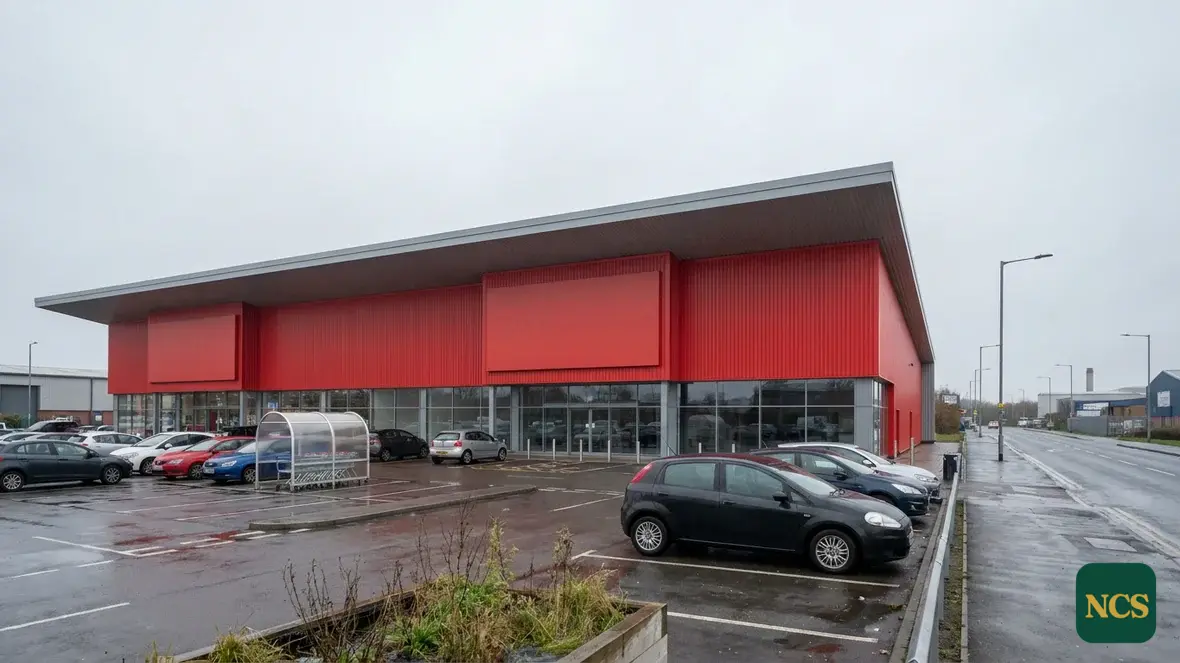
The building stock here is different from an old port or a farming county. Much of it is relatively modern, large-span distribution and warehouse roofing, which means long runs of sheet and a great deal of total edge and lap to protect. Milton Keynes sits well inland, so salt is not the driver. Instead it is sheer scale combined with condensation, rain held in the overlaps, and the thermal cycling of huge roof areas heating and cooling each day. On roofs this size, edge corrosion that starts small can run along a great length of gutter line before anyone on the ground notices.
Why catching it early protects the budget
While the rust is shallow, treatment is localised and low-disruption. The edges are mechanically cleaned back to sound metal, then treated, primed and sealed with a flexible coating system designed to flex with the sheet through the seasons. The warehouse stays operational and the rest of the roof carries on. Let the corrosion run to perforation and no coating can recover the sheet. You are then into replacement across what may be a large area: access equipment, stripping, new sheets, and disruption to a building that rarely has downtime to spare. On big distribution roofs the cost gap between edge treatment and re-sheeting is large, which makes early action the sensible commercial call.
Signs to look for from the yard
- A rust-coloured line along the eaves, visible from ground level
- Coating peeling or curling at the sheet overlaps
- Corrosion halos around the fixings near sheet ends
- Rust flakes or coating fragments washing into the gutters
- Damp marks or drips inside the unit beneath the laps
None of these measures the problem on its own. The dependable answer comes from a survey, with someone on the roof opening the worst laps where it is safe and judging how far the rust has gone under the coating.
The honest verdict when sheets are too far gone
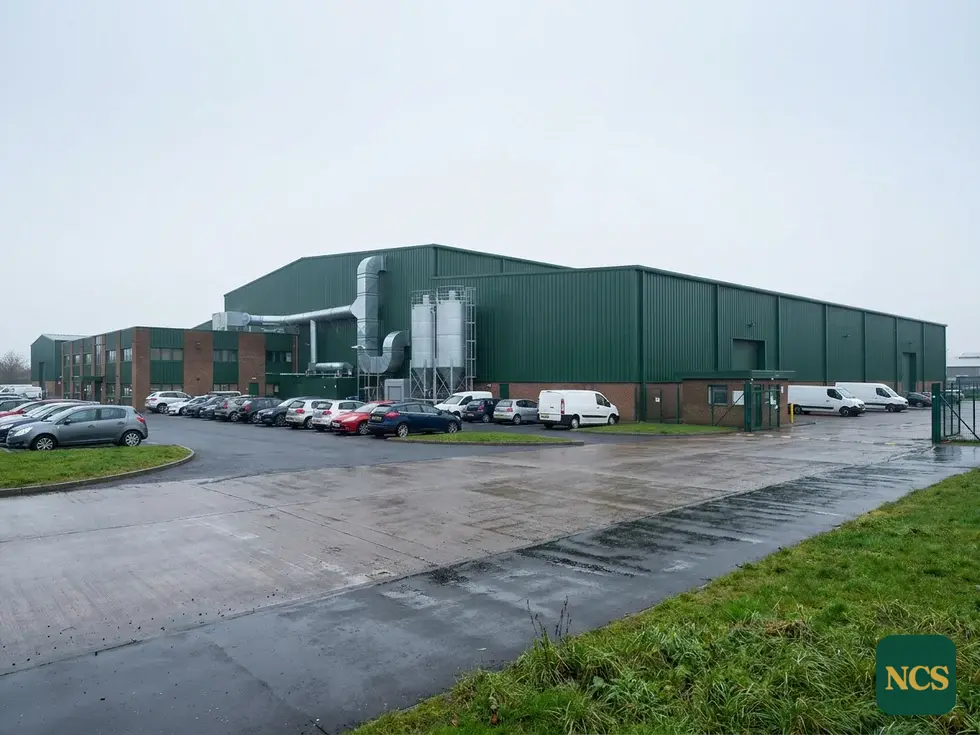
We survey before we quote, and sometimes the survey works against our own interest. If sheets are perforated, if corrosion has run a long way under the coating, or if the underside is rusting where no treatment reaches, we say so. Coating over a failed sheet wastes money on a finish that fails quickly. The honest options then are replacing the worst sheets and treating the rest, or an overlay if the roof as a whole is finished. Where the edges are failing and the faces are chalking and fading too, handling the cut edges as part of a full roof coating is usually the better value, sealing the whole surface in one visit instead of in stages. We are South-East based and cover England, and any recommendation for a Milton Keynes roof is built on the survey findings, not a fixed script.