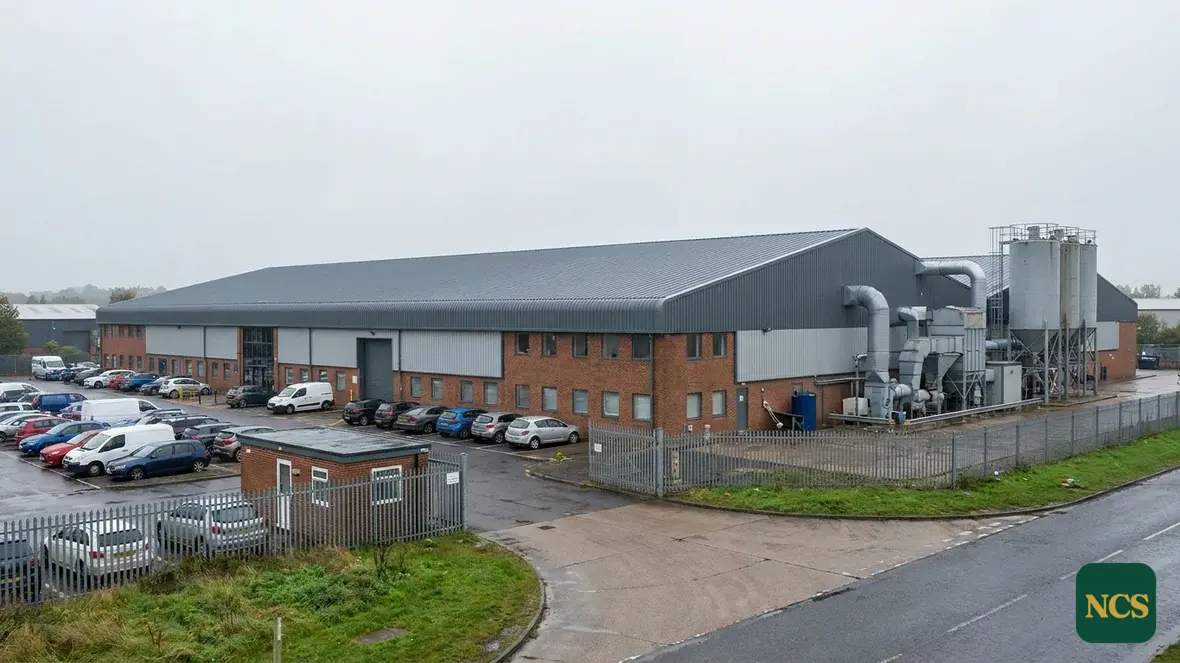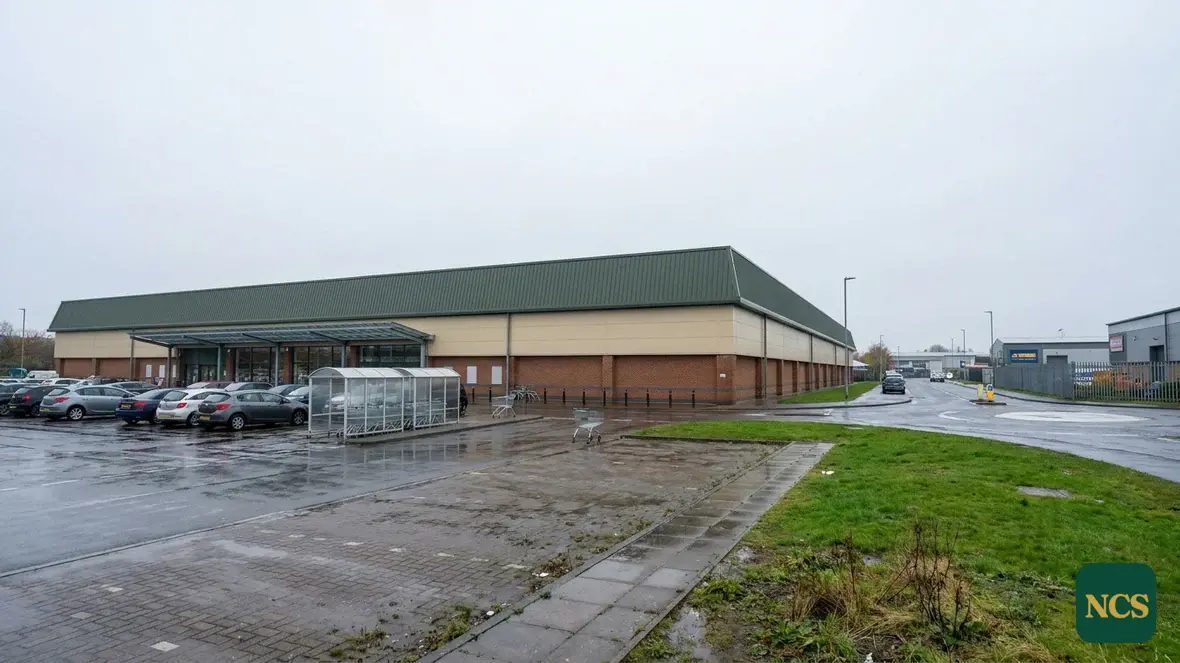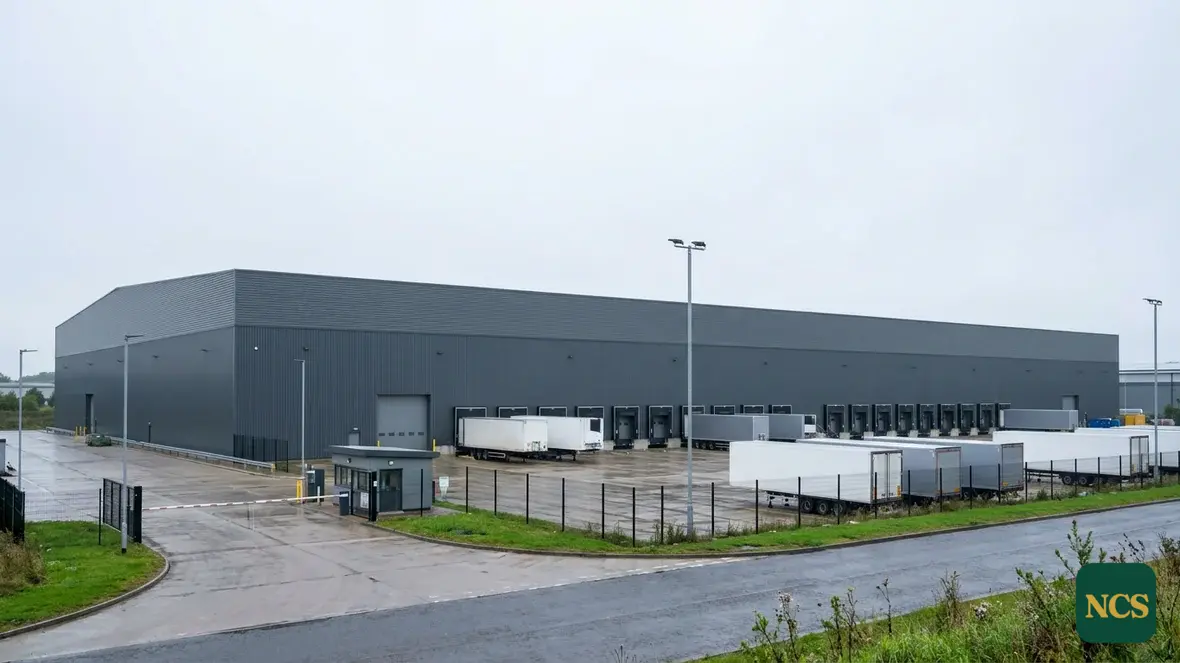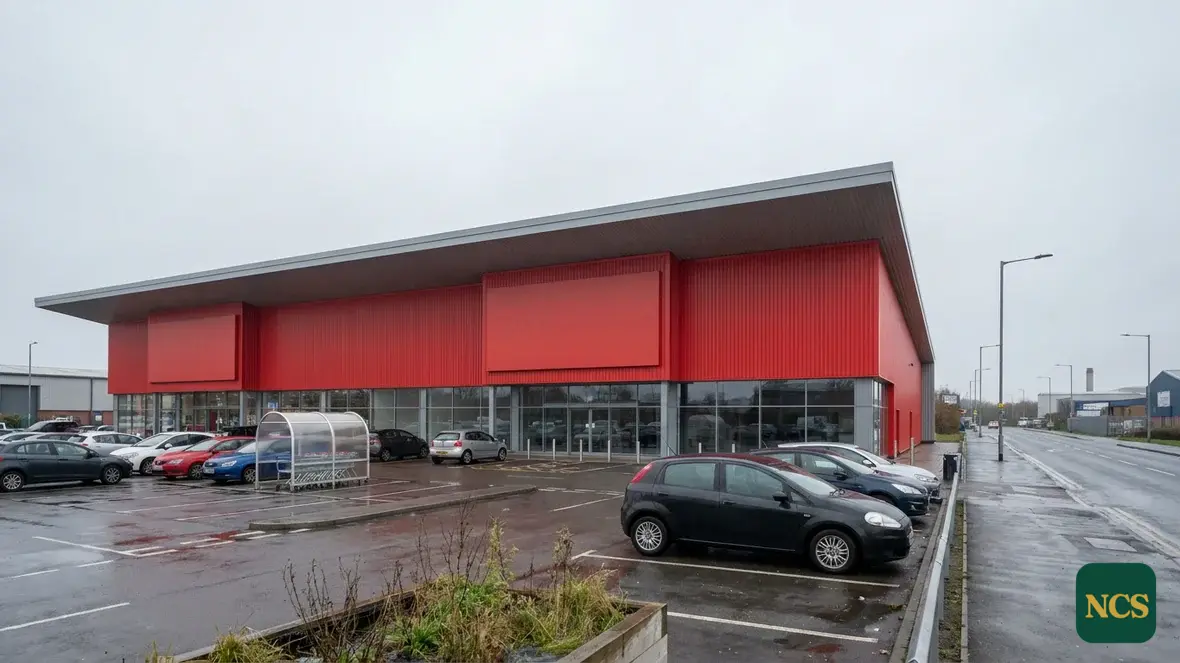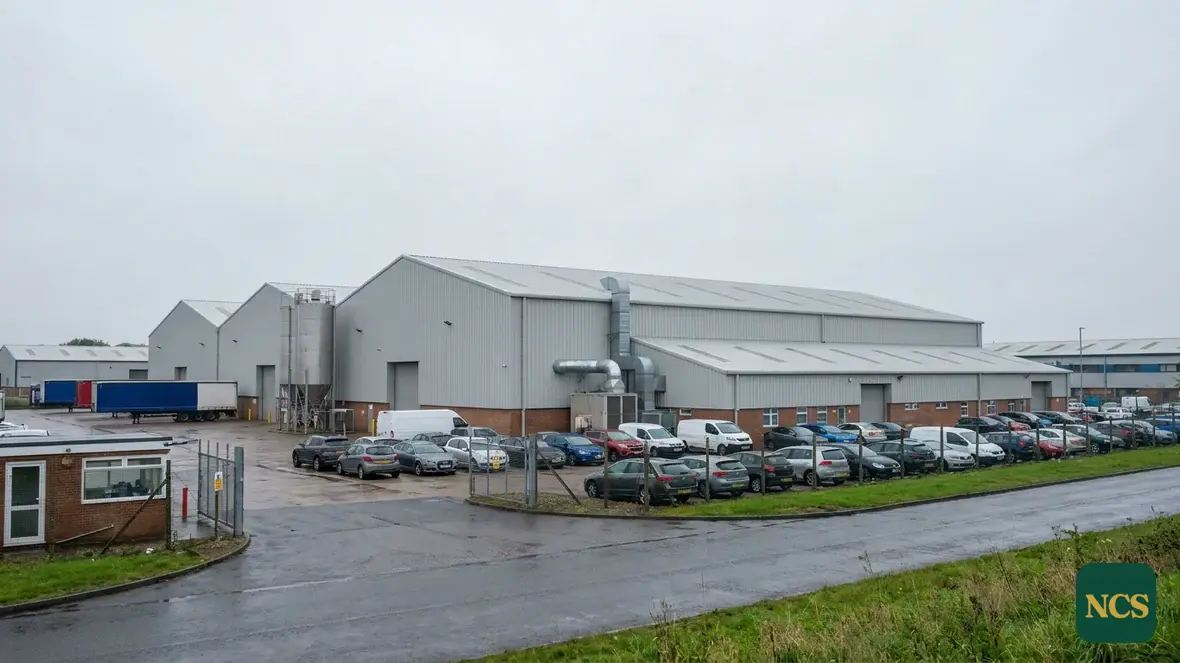
Few industrial roofs in England sit in a more corrosive setting than Portsmouth’s. As a dense island port city on the Solent, its warehouses, port-related units and trading-estate stock breathe salt air every day, and salt is the enemy of profiled steel. For the estates and facilities teams here, roof finishes wear faster and cut edges rust sooner than the same building would inland. That makes early intervention more valuable than usual, and it makes an honest survey, rather than a quick price off some photographs, the right place to start any roof project in the city.
Salt air and a working port city
The marine environment is the defining factor on Portsmouth roofs. Salt-laden air keeps the surface mildly aggressive year-round, so the factory finish chalks and thins faster, fixings and washers corrode sooner, and any exposed steel begins to rust almost immediately. Add the wind exposure of a coastal site and the wear is uneven, hardest on the elevations that face the prevailing weather and around the details where water collects. A coating system applied while the substrate is still sound seals the laps, fixings and penetrations against that salt-driven attack with a continuous bonded layer over the whole roof, which holds up far better than a finish that stops at every cut edge.
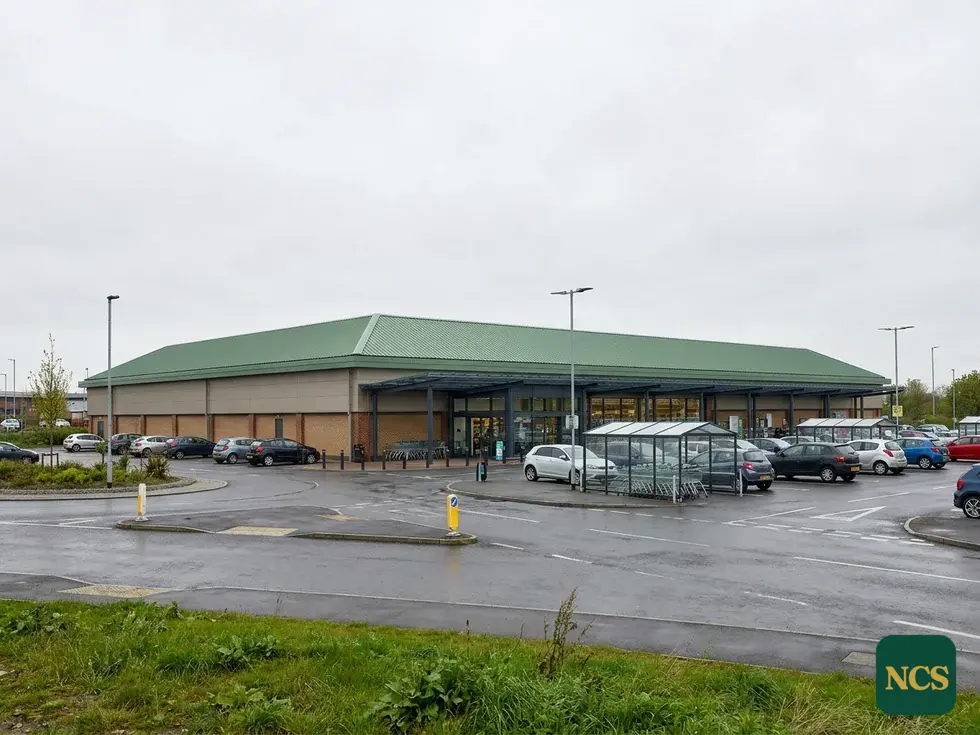
Cut-edge corrosion in a coastal setting
Cut-edge corrosion is the defect that decides most budgets, and the local climate brings it on early. Wherever sheets were cut, the bare steel edge has no protection, and salt-laden moisture sitting in the laps gets corrosion started quickly. From there it tracks back under the finish and lifts it. Caught in good time, it is treatable within a coating project: edges are mechanically prepared, treated and sealed before the main coat goes on. Caught late, when the lap has weakened, the sheets need replacing and the cost rises sharply. On the coast that early window is shorter than estates teams used to inland buildings tend to expect, which is the strongest argument for surveying a roof before it starts leaking.
Coating an occupied unit with minimal disruption
Industrial space in Portsmouth is tight and almost always in use, so disruption matters. Coating is done from roof level, with no strip-off and no loss of weathertightness, which means the building keeps working throughout. There are no skips of old sheeting crossing a constrained city yard, and the programme can be phased by elevation or by bay around the operation below:
- Work sequenced around shifts, deliveries and access constraints
- The unit stays weathertight from the first day to the last
- No internal disruption, because nothing is opened up from below
- Multi-let estates phased and agreed with each occupier
- Access and parking managed beneath the working zones
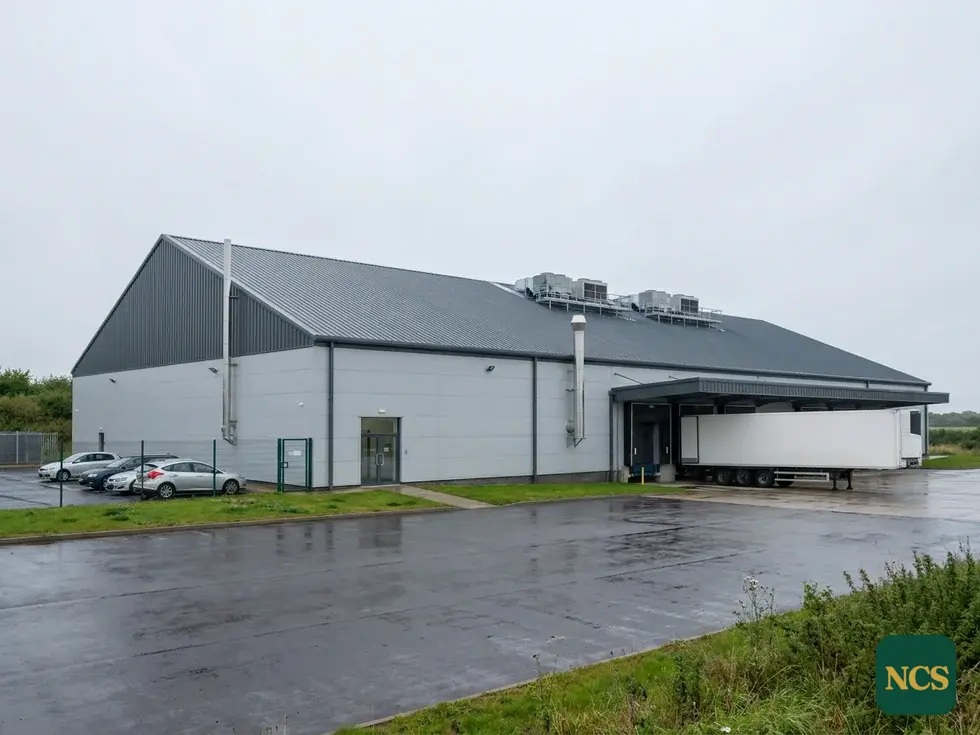
When we will tell you to replace instead
We will not coat a roof that has gone too far. Widespread perforation, corrosion through to the purlins and fixings, or saturated insulation in a built-up system all mean a coating would hide the failure rather than fix it, and the salt air here pushes roofs towards that state sooner than most. Where we find it, the survey report recommends repair or replacement, with photographs, and we say so plainly even though it loses us the job. A coating over a failed roof fails again fast, and an estates team is far better served by the truth at survey stage than by a tidy finish over a roof that is already beyond saving. Most of the roofs we look at in Portsmouth still have life in them, and for those a coating is usually the most economical option open, keeping the unit weathertight and trading for a fraction of the cost of a strip-and-replace.