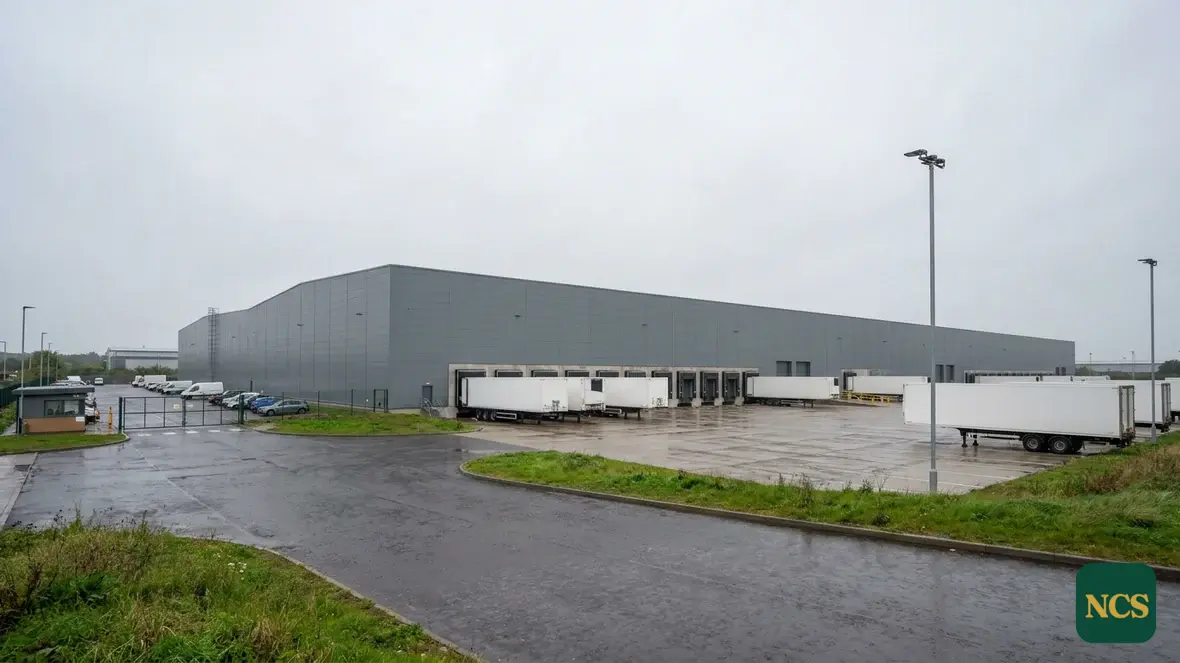
Portsmouth is a city of islands, and that’ll do a job on your steel roofs. Salt air really drives corrosion, and on a profiled roof it hammers the steel exactly where it’s most exposed: the cut edges of the sheets. Walk around the naval dockyards, the port logistics units and the trade estates near the harbour, and cut-edge corrosion is one of the most common roof defects we’re asked to look at. Spot it as a rust line and deal with it early, it’s a repair. Leave it to spread, and the bill gets a lot bigger.
What is actually happening at the edge
A steel sheet gets coated on both sides at the mill, but cutting it to length leaves a band of bare steel along the cut. Up on the roof, those edges sit at the laps and gutter lines, where rain pools and is slow to clear. The exposed steel corrodes, and the rust then works back underneath the coating, lifting and peeling it from the edge inwards. The factory finish did its job everywhere else, but it never touched that one detail, which is why Portsmouth roofs fail along their sheet ends first.
Salt, exposure and a moving front
Being so close to the coast speeds up the whole process. Salt holds dampness against the steel and really kicks off the reaction, so an edge that might take years to go inland can get a lot worse faster on a harbour-side roof. Capillary action pulls moisture into the lap where it can’t dry, the corrosion front moves inward, the coating delaminates ahead of it, and the steel thins until the ends start to perforate. Throw in shallow pitches and gutters struggling with driving rain off the Solent, and it only gets worse. That first thin orange line rarely stays a thin orange line for long.
Treating cut edge corrosion on a Portsmouth roof early costs a fraction of what the repair becomes later. The survey is free either way.

Why early treatment pays
Catch it when it’s just staining, and cut-edge treatment is contained and quick to programme. We clean the corroded edges back to sound steel, prime them with a corrosion inhibitor, and seal the laps and gutters with a flexible coating that moves with the roof. The building stays in use and the existing sheets keep their service life. Catch it late, and you’re looking at sheet replacement, which is slower, dearer and disruptive to whatever’s going on below. Worth checking after the next storm if you see:
- Orange or brown rust staining along the gutter edges
- Coating lifting or flaking where the sheets overlap
- Gutters holding standing water or full of rust flakes
- Damp marks inside that line up with the fixings
- Daylight or wet patches at the sheet ends seen from below
When the honest answer is no
Edge treatment isn’t always the right call, and we’ll tell you straight. If sheets have already perforated, if corrosion has driven deep into the laps over big areas, or if the coating is failing across the whole sheet face rather than just the edges, coating those edges is money wasted on steel that’s finished. For roofs that far gone around Portsmouth, the real options are replacement or over-roofing, and you’ll hear that from us after the survey, not after a coating has failed in the first hard winter.
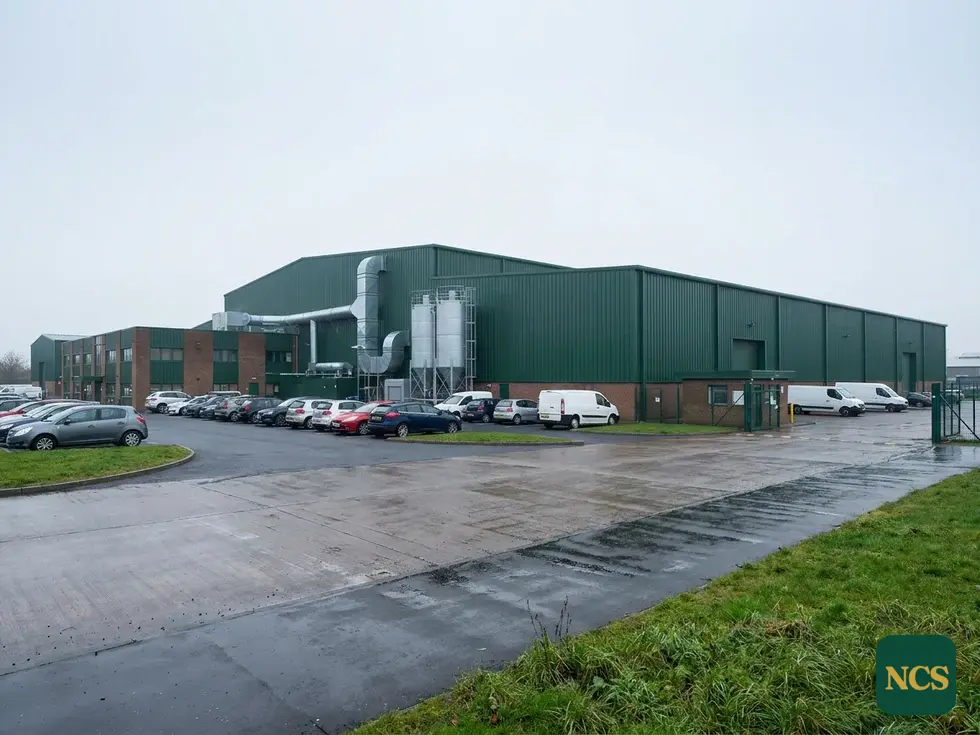
A survey before a scope
We start with a full roof survey, photographing the laps, edges, gutters, fixings and coating so the report truly reflects the condition. Where salt and weather have tired the factory finish across the whole roof, treating the cut edges alongside a full roof coating in one visit usually makes the most sense. One access set-up, one finished roof. We’re a South East based contractor and Portsmouth and the wider Hampshire coast are firmly within our regular working area. Send through the building details and we’ll book a date to survey it.
Recently — July 2026
We coat roofs and cladding that still have life in them, and we say so plainly when one is past saving.
Summer is the steadiest season for exterior coating: longer dry spells mean preparation, application and curing can be programmed with fewer weather delays.