Seal it or strip it? The question Portsmouth building owners keep asking
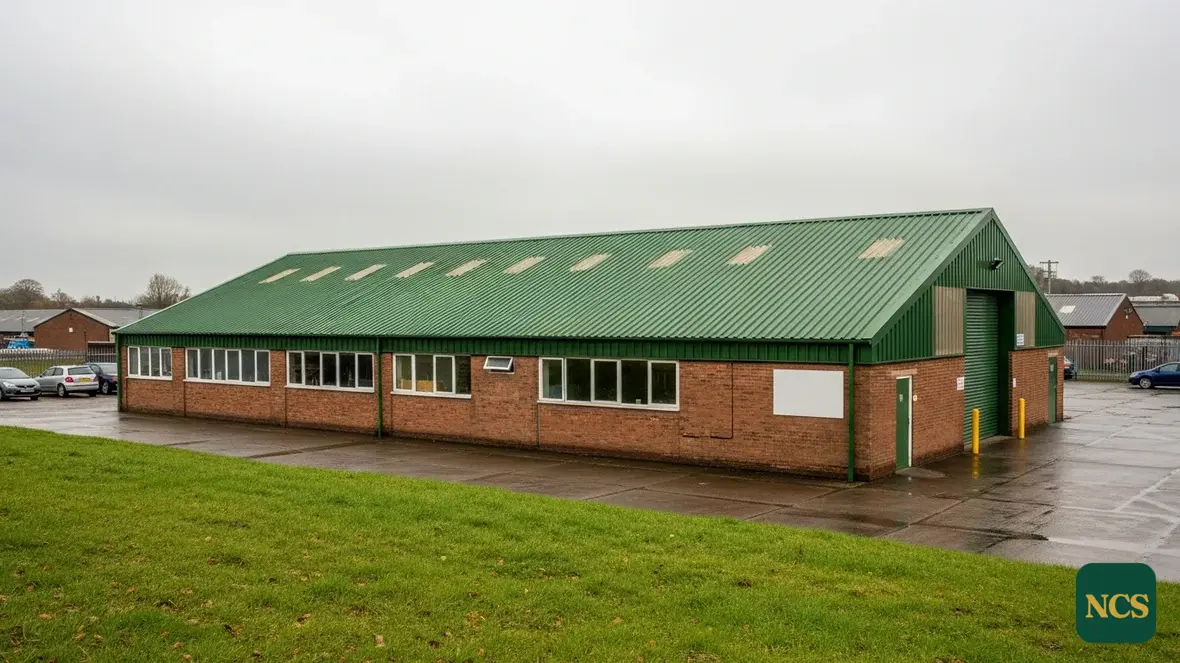
Walk through the industrial areas of Portsea Island or the trading estates on the mainland side of Portsmouth, and you’ll hear the same discussion again and again. It’s always about a building from the 60s, 70s or 80s, with a corrugated asbestos cement roof that’s turned grey and porous. The owner is weighing up the cost of a full strip and replacement against finding a way to keep the roof working. For sheets that are still sound, there’s a third option that the regulations fully back: encapsulation. We clean, repair and seal the roof under controlled conditions, using a coating system that locks the surface down. You need to get this decision right first time. The wrong call in either direction will just waste serious money. Rip a serviceable roof off too soon, and you’ve thrown cash away. Coat a roof that’s already failed, and all you’ve bought yourself is a bit of a delay.
Asbestos cement on Portsmouth’s commercial stock
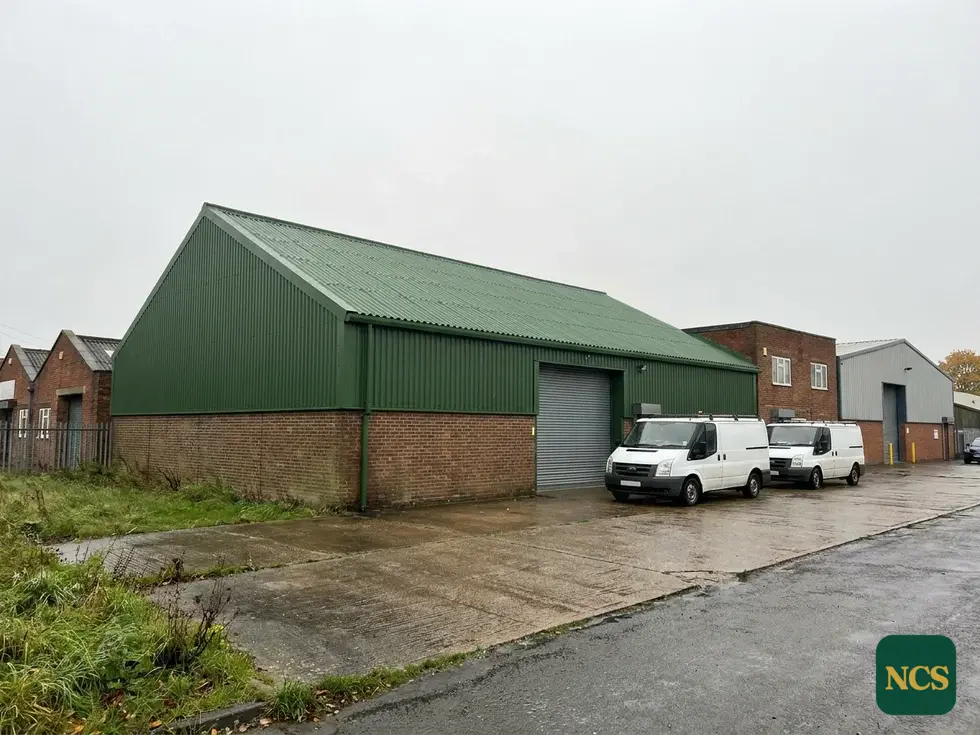
Portsmouth is a busy city, with a long history of industry and naval support. For thirty years, the workshops, stores, vehicle bays and light industrial units that served it were routinely roofed in asbestos cement. The sea air hasn’t helped these roofs. Salt air eats away at the surface, and the freeze-thaw cycles of a coastal winter open up the cement matrix. A lot of these roofs are weathered, not failed. They’re still structurally sound, but they’re soaking up water, growing moss and dropping grit into the gutters. That’s exactly the kind of condition encapsulation was made for.
Compliance: what CAR 2012 expects from a dutyholder
If you’re responsible for a non-domestic building, Regulation 4 of the Control of Asbestos Regulations 2012 makes you a dutyholder. Your main responsibilities are straightforward:
- Take reasonable steps to find asbestos-containing materials and check their condition
- Presume materials contain asbestos unless there is strong evidence otherwise
- Keep a written record of location and condition, and keep it up to date
- Assess the risk and prepare a management plan
- Put the plan into action, monitor it and review it
Nowhere in that list does it say you have to remove anything. Sound asbestos cement that’s sealed, recorded and monitored is being managed exactly as the regulations intend. Most of the time, this costs a fraction of what it would to strip and replace the roof.
The difference between asbestos roof painting and proper encapsulation is the specification and the controls. Around Portsmouth we only do it the second way.
Where encapsulation stops being the right answer
We’d rather walk away from a job than coat a roof that needs to come off. Encapsulation isn’t right if the sheets are widely cracked, holed or brittle. It’s not for cement that’s turned soft and crumbly, or if storm damage and structural movement have wrecked the roof as a whole. And it’s only for asbestos cement products. Insulation board, lagging and sprayed coatings are all licensable materials, and that work belongs with an HSE-licensed removal contractor. If our survey finds any of that on your Portsmouth building, the report will say it plainly. We’ll point you towards removal, not try to gloss over a failing roof.

How an enquiry runs
Every job starts with a condition survey. We inspect and photograph the sheets, fixings, rooflights, gutters and supporting structure. Then we give you a written report. It’s a clear yes, a no, or a list of repairs you’d need before coating makes sense. We’re based in the South East, so Portsmouth is right in our main working area, and we coat roofs across the whole of the UK. The survey gives you two things at once: evidence for your asbestos management plan, and a costed, compliant alternative to removal, provided the roof is in good enough shape to justify it. We write our reports in plain English, with photos linked to a roof plan so you can see exactly which sheets, fixings and rooflights we’re talking about.