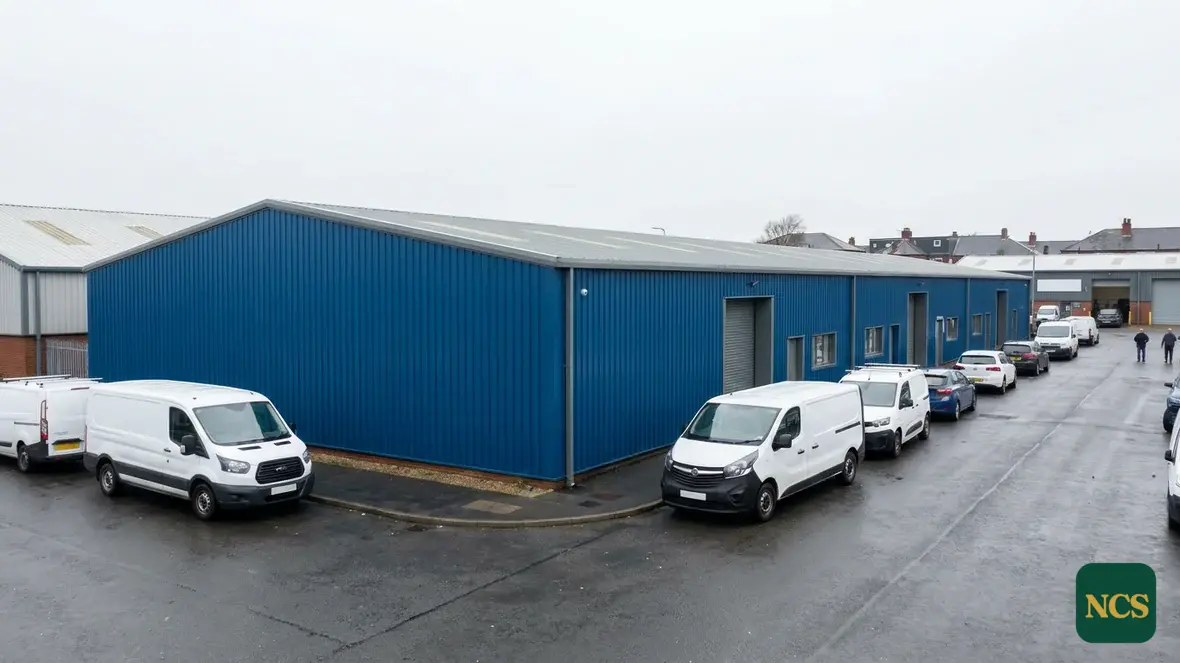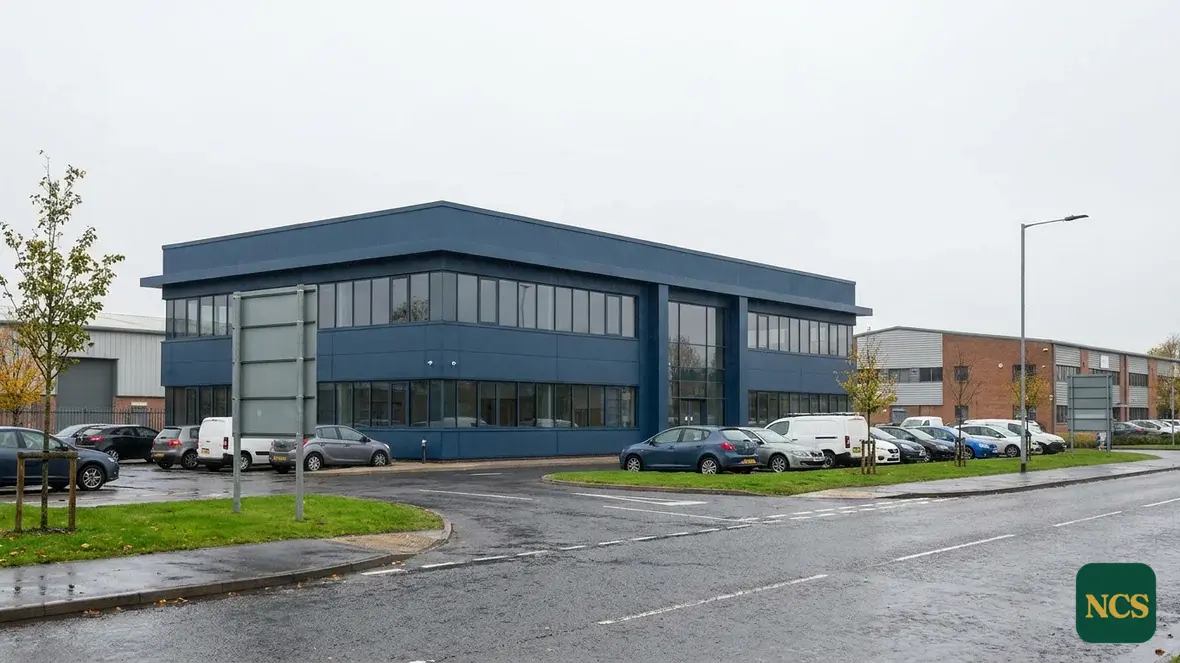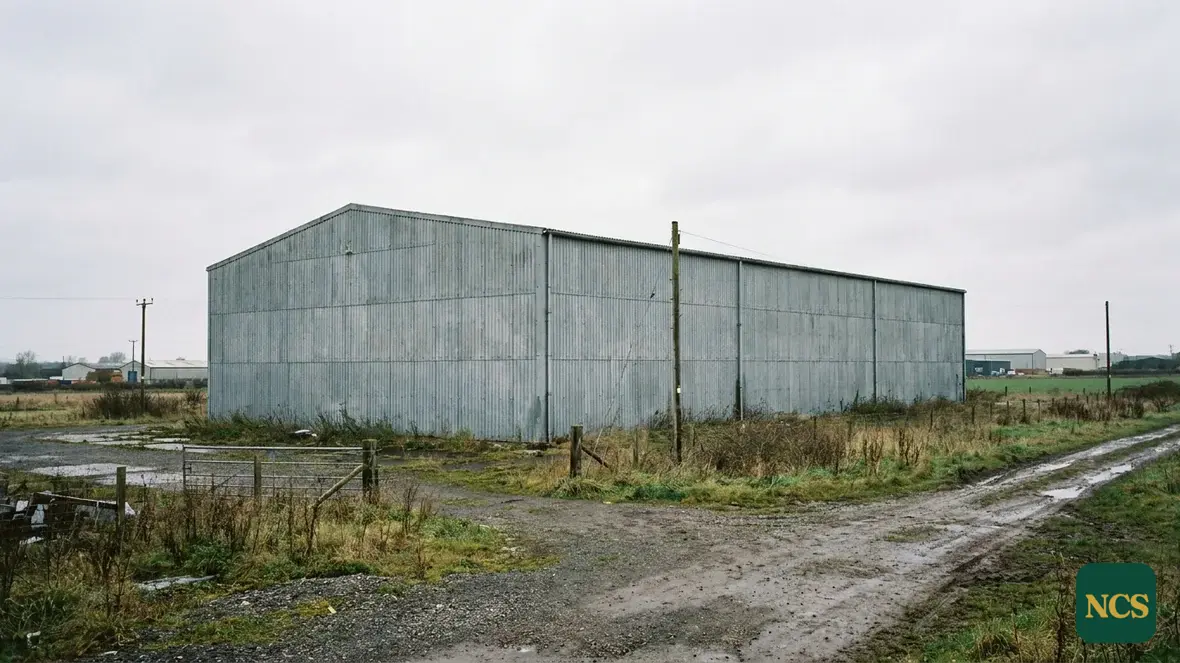
Cladding spraying in Portsmouth
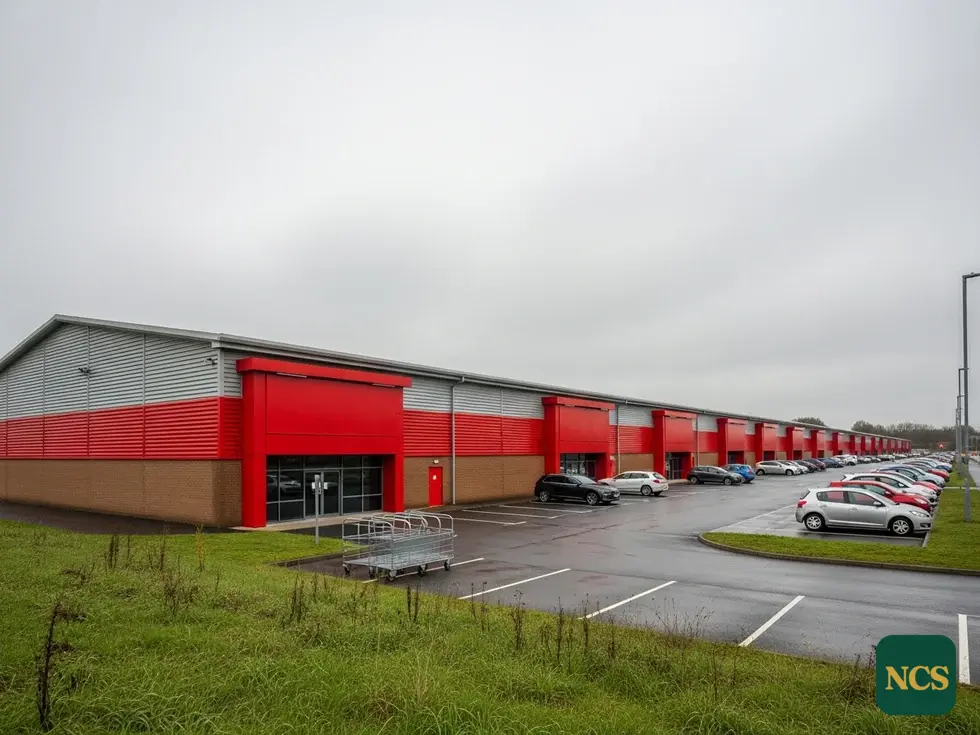
There aren’t many places in England that test a coated steel building like Portsmouth. Most of the city sits on an island, the sea is always close by, and salt spray reaches cladding that would last a lot longer inland. Cladding spraying tackles that exposure: we clean, repair and respray the existing panels on site with a coating system picked for the local conditions. It costs a fraction of what recladding would.
We’re survey-led. In a marine environment, that’s not just a sales pitch. The state of the cut edges and how well the old finish is stuck on decide what the job really is, and you can’t see either of those from the road.
What marine exposure does, and where we look for it
Salt speeds up every kind of corrosion. When we survey, we really look hard at:
- Cut edge corrosion at the ends of sheets, where they overlap, and around any openings
- Rust stains and blisters low down on the elevations that face the sea
- White rust on galvanised flashings, gutters, and trims
- Chalking and bad fading on the side of the building that gets sun and salt
- Sealant joints and fixings that have given up too soon
If we catch the corrosion while it’s still at the edges, it’s all treatable. Treating it properly is what makes a respray last, rather than just looking good for a bit. The colour is the last five per cent of the job; the preparation is all the rest. Once the new finish is on, an annual wash-down to get rid of salt deposits is the cheapest thing an owner can do to help it last.
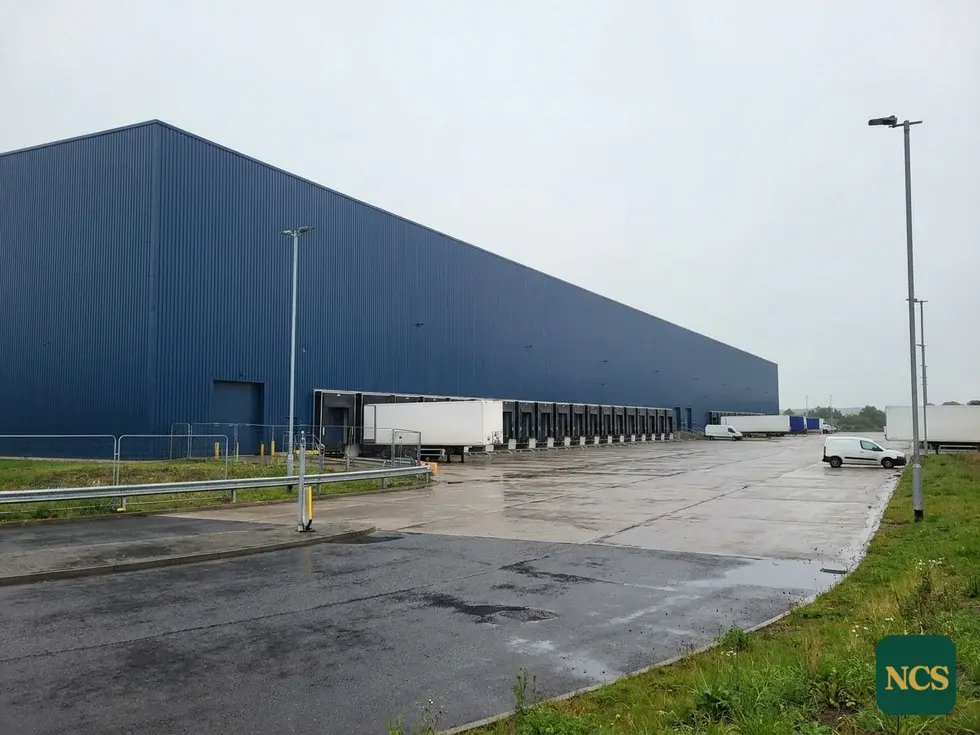
From survey to finished elevation
The inspection gives you a written scope: which panels need replacing, where edges need mechanical prep and sealing, what each elevation needs for cleaning and priming, and which coating system suits both the material and the exposure. The price comes after that report. We phase the work so your premises can keep running, with masking protecting glazing, signage, and anything parked nearby. Roller shutters, doors, fascias, and gutter lines are usually in the same scope, so the finished building looks consistent, not like a new wall above tired trims.
We survey and spray across Portsmouth and the towns around it in Hampshire, including Gosport, Fareham, Havant and over to Southampton. Buildings on both sides of the harbour are easy for us to reach.
Choosing the right system matters more here than inland. The spec has to handle a salty environment as well as the substrate. On tight urban sites, the plan also needs to deal with neighbouring buildings, parked cars, and pavements within masking distance. We answer both of those questions at the survey stage, in writing, before putting a price on anything.
The Portsmouth jobs that go wrong are the quick overpaints. A proper respray sequence, wash, treat, repair, spray, is what we quote.
The point where we advise replacement instead
Marine exposure means more buildings here reach the point of no return than inland. It would be wrong to pretend otherwise. If sheets are perforated, composite panels have wet or delaminating cores, or fixings have failed all over an elevation, they’re beyond coating. Where the survey finds that, the report will say replacement, sometimes for a few panels, sometimes for more. We’ll explain why, rather than just spraying over the problem. A coating works on sound steel; on failed steel, it just delays the inevitable bill and adds ours to it.
Choosing a contractor who inspects before pricing
Any sprayer can give you a rough quote based on the area. A survey-led contractor tells you if your building should be sprayed at all, what needs to happen first, and what the finished system needs to put up with on this stretch of coast. For a clad building in Portsmouth, that inspection is the cheapest decision-making tool you’ll find before any money goes on the exterior, and the written report is yours to keep, no matter what you decide to do.