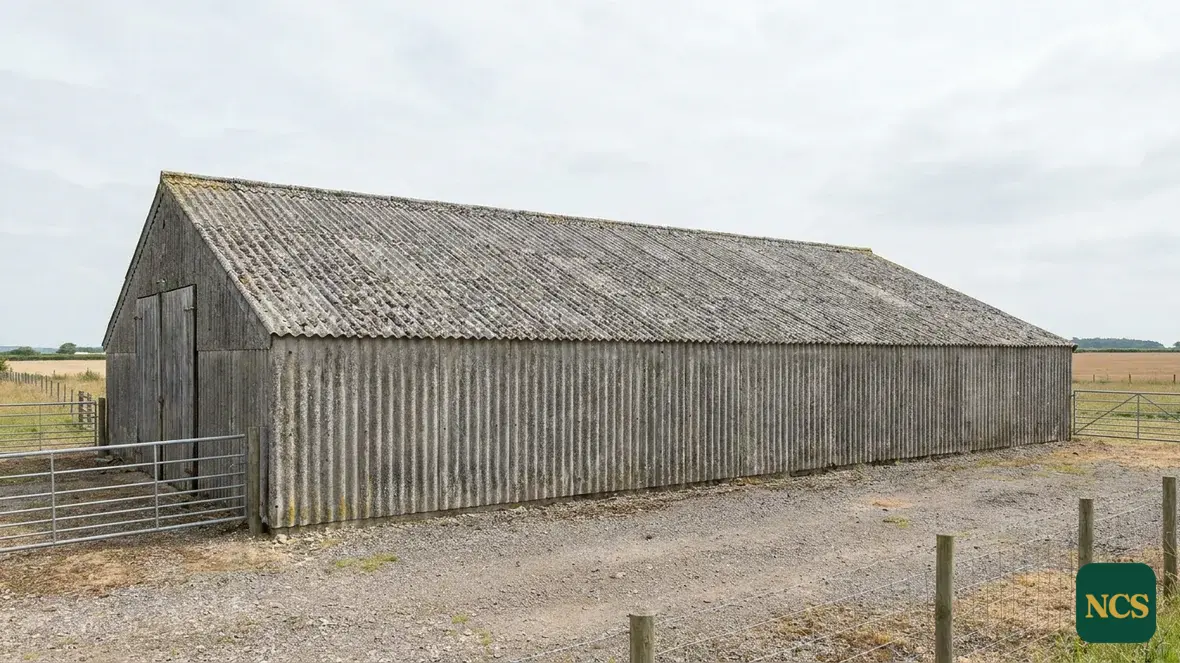
Asbestos cement roofing in and around Hereford
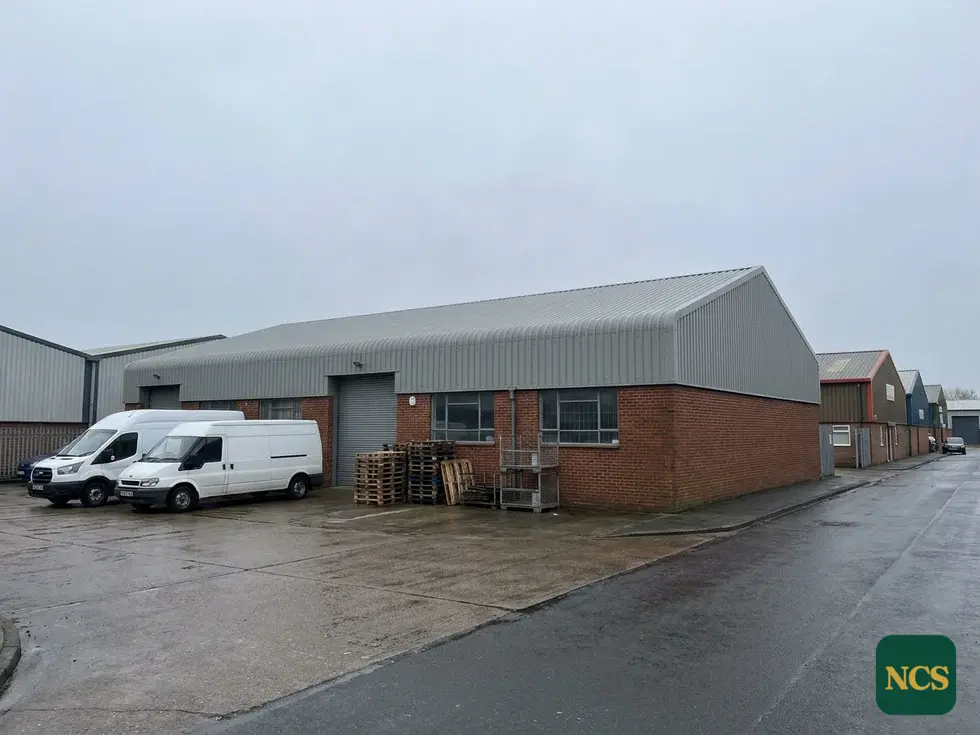
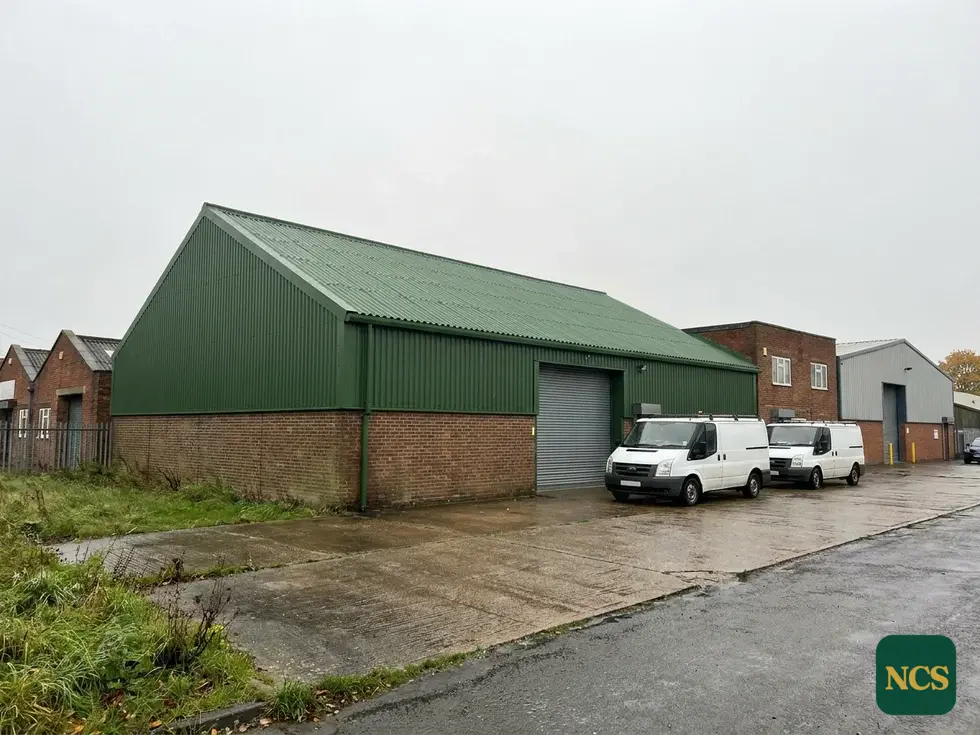
There’s still a surprising amount of original asbestos cement roofing on buildings across Hereford and the surrounding area. Think of the corrugated sheets on farm buildings, grain stores and livestock sheds across Herefordshire, or the profiled roofs on the light industrial units built on the city’s trading estates between the 1960s and the 1980s. Asbestos cement was the default material back then. We didn’t get a full ban until 1999, so if a roof is that old, you should treat it as suspect until you know what it is.
The good news is, a sound asbestos cement roof doesn’t automatically mean a strip-out. Encapsulation, which is a specialist coating process that seals the sheet surface, is often a cheaper and less disruptive way to manage the material and get more life out of the roof.
Your duty to manage under CAR 2012
If you own or control a non-domestic building, you’ve got a duty under Regulation 4 of the Control of Asbestos Regulations 2012 to manage any asbestos on site. That means finding out if asbestos-containing materials are there, checking their condition, writing it all down in a management plan, and then acting on the risk.
The HSE guidance is pretty clear: asbestos-containing material that’s in good nick is often safer left alone than disturbed. Encapsulating a sound roof is a proactive step. It seals the weathered surface, cuts down the chance of fibre release, and gives you something concrete to put in your asbestos management plan.
How encapsulation works on a sound roof
It all starts with a proper condition survey. Before anyone quotes you for a coating, we need to inspect the roof sheet by sheet. The decision between encapsulation and removal hinges entirely on the roof’s condition. Our surveyors will note:
- Cracked, holed or delaminating sheets and how widespread the damage is
- The state of fixings, laps and ridge details
- Moss, lichen and surface erosion that’s exposing the cement matrix
- Roof lights, flashings and gutters that need sorting first
- Any previous patch repairs or overcladding work
If the sheets are sound, we clean the roof using controlled methods, fix any dodgy fastenings or minor damage, and then apply an elastomeric encapsulant coating to seal the surface. You end up with a weatherproofed roof, the asbestos locked away under a flexible, maintainable coating, and you skip the disposal costs and the mess of a full strip and re-sheet.
When encapsulation is the wrong answer
We’ll be straight with you: encapsulation only works if the sheets are structurally sound. A coating won’t save a roof that’s badly cracked, friable or just falling apart. And you should never use it to hide damaged material from an assessor. If a survey in Hereford finds a lot of broken sheets, soft or crumbling material, asbestos insulation board instead of cement, or a structure that can’t safely take access equipment, we’ll tell you that removal is the right way to go. If the material needs it, that’ll mean a licensed asbestos removal contractor, and we’ll put that in writing. Same goes if the building’s due for redevelopment; sealing a roof you’re about to knock down is just throwing money away.
Survey first, then an honest recommendation
National Coating Specialists is a survey-led contractor. We’re based in the South East but we work across the UK, and that includes Herefordshire. We don’t quote for asbestos roof encapsulation based on photos or some postcode average. We’ll inspect your roof, report on its condition, and only recommend encapsulation if it’s genuinely the right way to meet your duty to manage. If your building near Hereford has a suspect cement fibre roof, the sensible first step is to get a proper look at it, and that’s exactly where we start.