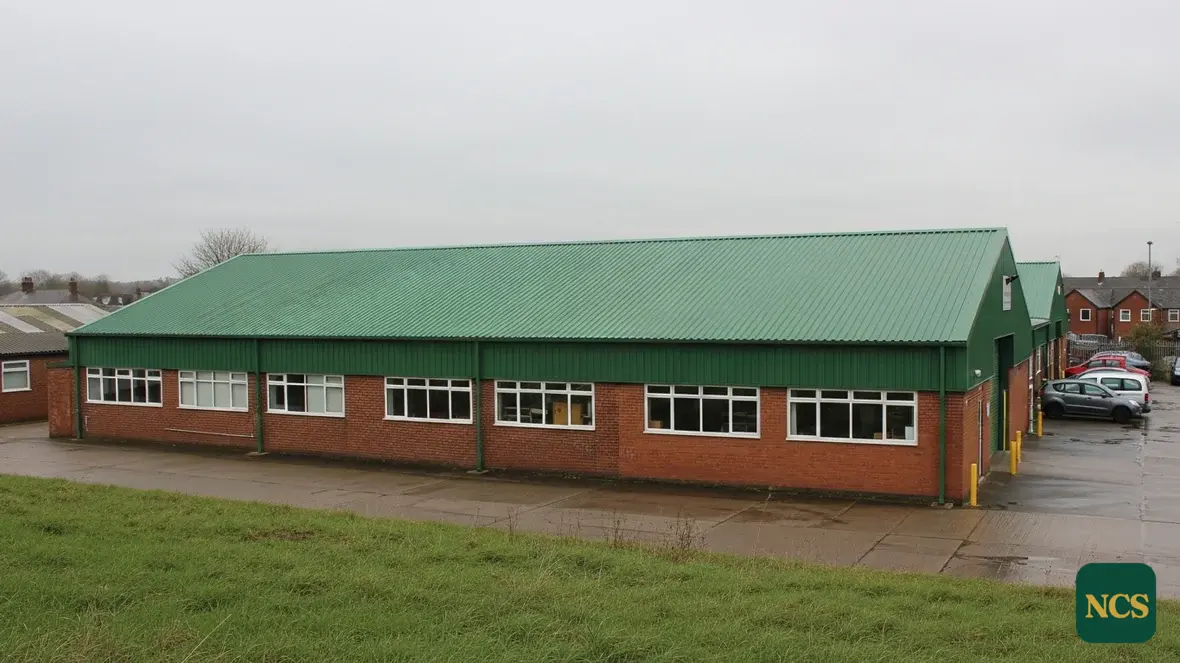
1960s to 1980s roofs across Preston and central Lancashire
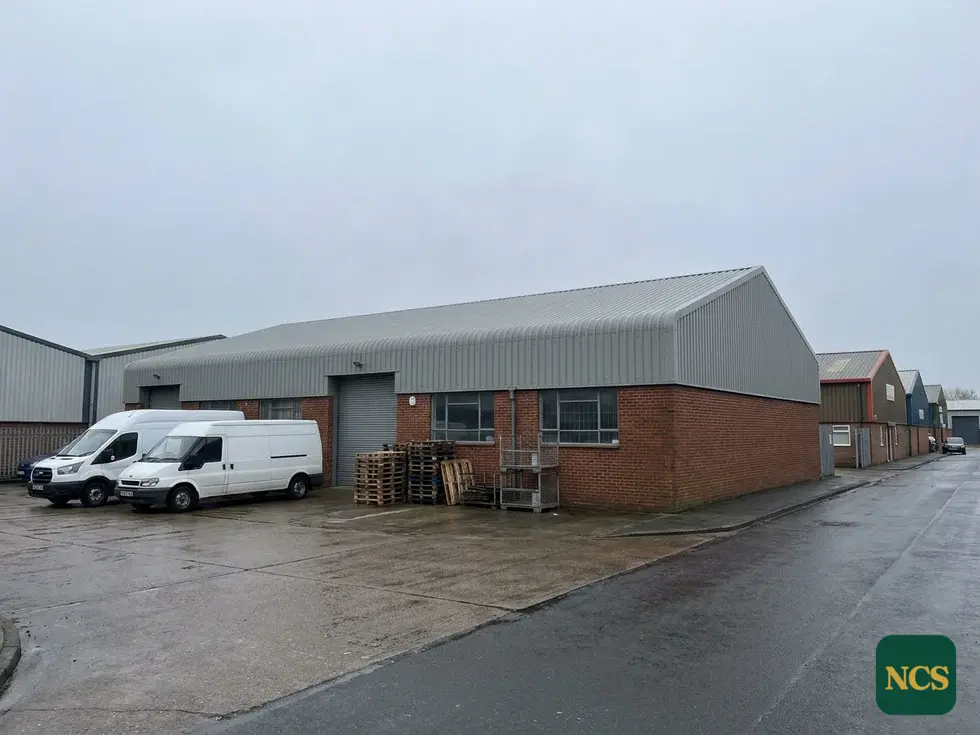
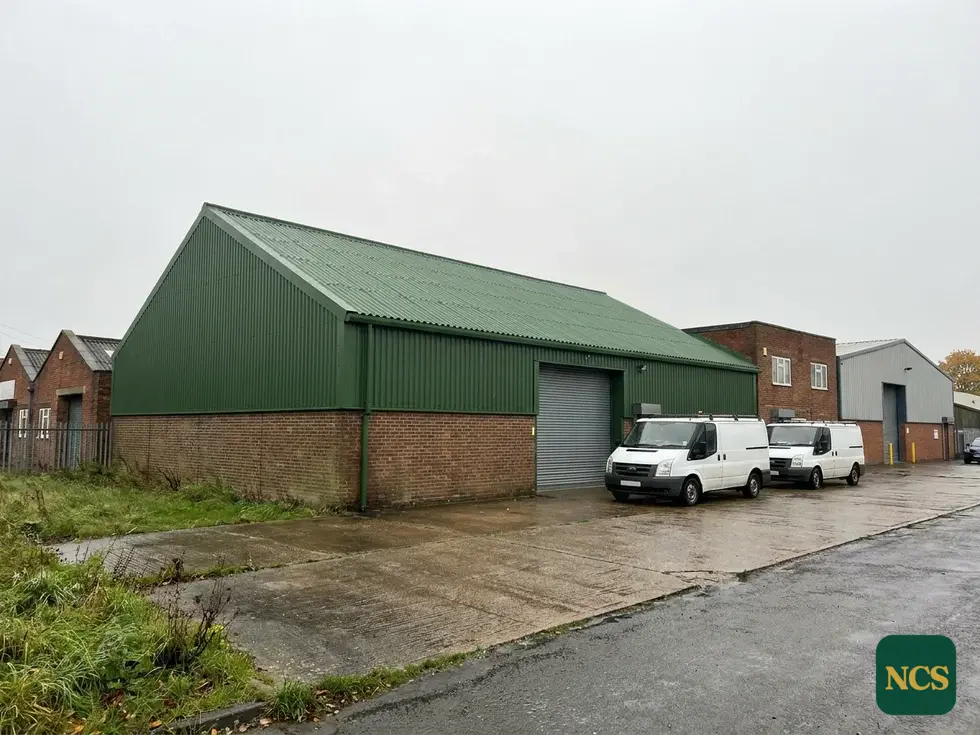
Preston sits at the centre of one of the busiest industrial corridors in the North West. The motorway-age growth of the city and the towns around it filled central Lancashire with portal-frame factories, distribution sheds, vehicle workshops and farm buildings. Through the 1960s, 70s and 80s the default roof for all of them was corrugated asbestos cement. Those sheets were specified for a thirty-year life. Most are now well beyond it, weathered porous by Lancashire rain, carrying moss on the north slopes and leaking at fixings, yet a surprising number remain structurally sound underneath the surface decay. Distribution and storage buildings are a particular case in point: the roof has rarely been touched since the day it went on, and nobody wants to take the building out of service to deal with it now.
Encapsulation around Preston is survey-led work: cleaning that does not disturb the surface, primers and paint systems made for asbestos cement, and a topcoat that seals it.
Sound sheets do not have to come off
The Control of Asbestos Regulations 2012 give building owners more room than many realise. Regulation 4 imposes a duty to manage: find the asbestos, record it, assess it, plan how to manage it. Removal is the right course when the material is in poor condition or will be disturbed, not by default. For a Preston unit with weathered but intact asbestos cement, sealing the roof through encapsulation is a recognised management measure. It binds the surface, prevents fibre release, restores weather protection and goes into your management plan as a documented, monitored action. Set against controlled removal, hazardous-waste disposal and a complete replacement roof, it is normally the far cheaper route, and the building stays in use while the work happens. It also keeps disturbance of the asbestos to the minimum the regulations favour.
What the work involves
A coating system is only as good as the preparation underneath it, so the process is methodical:
- We start with a condition survey of every slope, with photographs of sheets, fixings and rooflights.
- Then we carry out controlled cleaning to remove moss and debris without damaging or treading sheets.
- Next, we replace failed fixings and repair minor defects.
- We pay attention to rooflights, flashings and gutters so the whole roof works as a system.
- Only then do we apply the encapsulation coating to the prepared, dry surface.
- Finally, we provide a photographic record of the finished works for your asbestos register.
None of this is cosmetic. The aim is a sealed, inspectable roof with a meaningful further service life.
Where we draw the line
Some roofs in this part of Lancashire are past saving, and coating them would waste your money. We will not encapsulate sheets that are extensively cracked, holed or brittle, cement that has gone soft and friable through long-term saturation, or roofs distorted by structural movement. Storm-damaged areas need replacing, not sealing. And if the survey turns up asbestos insulation board, lagging or sprayed coatings rather than cement sheet, that is licensed work. It must go to an HSE-licensed removal contractor, and we will tell you so directly. An honest no at survey stage costs you nothing. A coated failure costs you twice.
Getting a Preston roof surveyed
We are based in the South East and operate across the UK, covering the North West through planned survey rounds. The first step is always the same: a condition survey and a written report stating whether your roof is a genuine candidate for encapsulation, needs repairs first, or should be referred for removal. If you hold the duty to manage for a non-domestic building and the roof has had nothing but a visual glance since the 1980s, that report does double duty, supporting your CAR 2012 management plan and telling you what the most proportionate spend actually is. Photographs are keyed to each slope, so the condition of individual sheets is recorded rather than generalised.