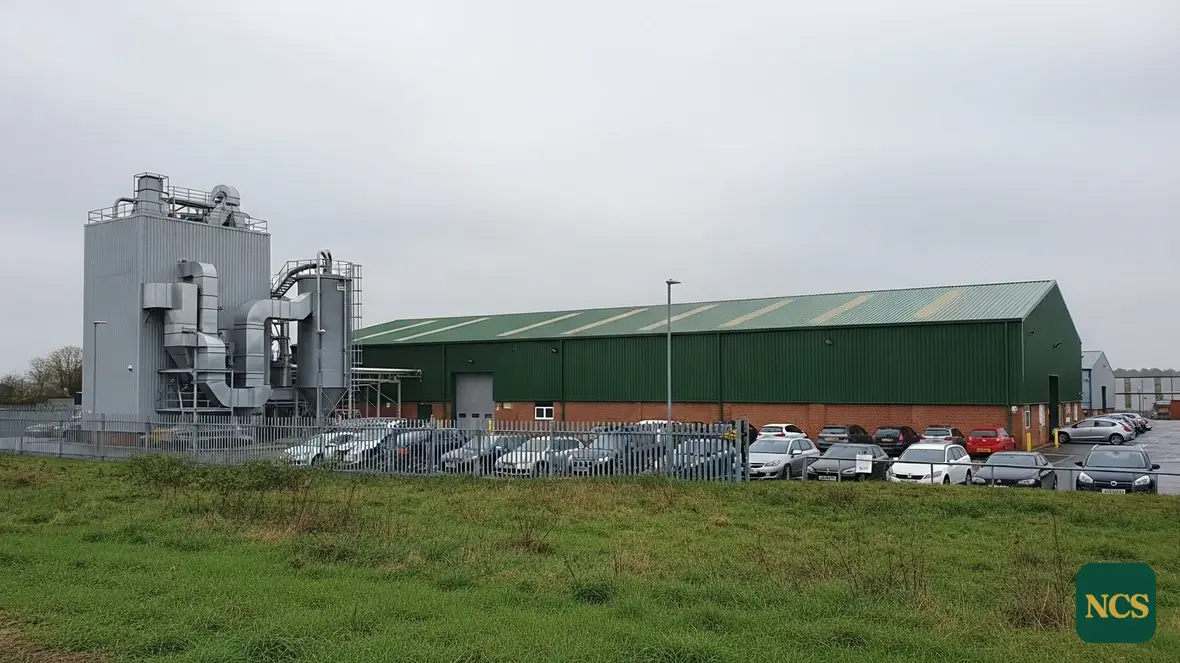
Preston sits at one of the North West’s busiest road junctions, where the M6, M55 and M61 meet. The industrial estates around those routes are full of distribution sheds, factory units and workshops, nearly all under wide profiled metal roofs. Most of that stock has been weathering Lancashire’s wet climate for decades. For the facilities and estates teams who manage it, the recurring question is whether a coating will genuinely add years to a tired roof, or simply paper over a problem. We survey first and answer that honestly. In this climate, the wrong call is an expensive one to live with.
Lancashire weather on profiled steel
The North West is one of the wetter regions in England. That tells on roof finishes. Profiled steel depends on a factory coating that weathers steadily: it chalks, fades and thins until bare metal shows and corrosion sets in. Around Preston, roofs stay wet for more of the year. Organic growth establishes itself on the shaded slopes. The period between a roof looking tired and a roof actually deteriorating is shorter than a maintenance schedule written for a drier county would assume. A coating applied in good time replaces that worn finish with a continuous, fully bonded layer over the entire roof, sealing the laps and fixings against exactly the weather that wore the original out. These industrial roof coatings work.
Cut-edge corrosion: the usual culprit
The defect we find most often, and the one that drives the budget, is cut-edge corrosion. Where sheets were cut at the eaves and laps, the bare steel edge carries no protection. The wet Lancashire winters keep the overlaps damp. Rust starts at the edge and tracks back beneath the finish, lifting it as it spreads. Treated early, it is routine work within a coating programme: prepare, treat and seal the edges, then apply the main system. Treated late, once the lap has weakened, the affected sheets need replacing and the costs climb steeply. Two or three Preston winters is often all it takes to move a roof from the first stage to the second. An early survey usually pays for itself.

Keeping the building in use
For an estates team, the time a building is out of action can cost more than the roof. Coating avoids that. We carry it out entirely from roof level, with no strip-off and no loss of weathertightness. The unit keeps working, deliveries keep arriving, and the programme is phased around the operation rather than halting it. Before any of that starts, the survey sets out what we are dealing with:
- Whether sheets, laps and fixings are structurally sound
- How far cut-edge corrosion has spread, with photographs
- The condition of gutters, valleys, rooflights and penetrations
- Any internal signs of leaks or saturated insulation
- Whether coating is genuinely the right intervention here
If your Preston unit needs the roof painting rather than replacing, the survey establishes if the deck is sound enough to carry it.
When coating is not right
Coating extends roofs that still have life left. It is wrong for a roof with widespread perforation, corrosion that has compromised the sheets or fixings, waterlogged insulation in a built-up construction, or permanent ponding from structural deflection. Where we find any of those, we recommend repair or replacement in writing, with photographs, even though it loses us the coating work. An honest condition report serves an estates team far better than a roof that looks sorted and leaks again within a couple of years. Most of the roofs we survey have not reached that point, and for those a coating is usually the most economical route available: a fraction of replacement cost, no strip-off waste, and a unit that keeps trading throughout. If a roof on your estate is showing rust at the sheet ends, the survey is the sensible first move and far cheaper than waiting for the leak.
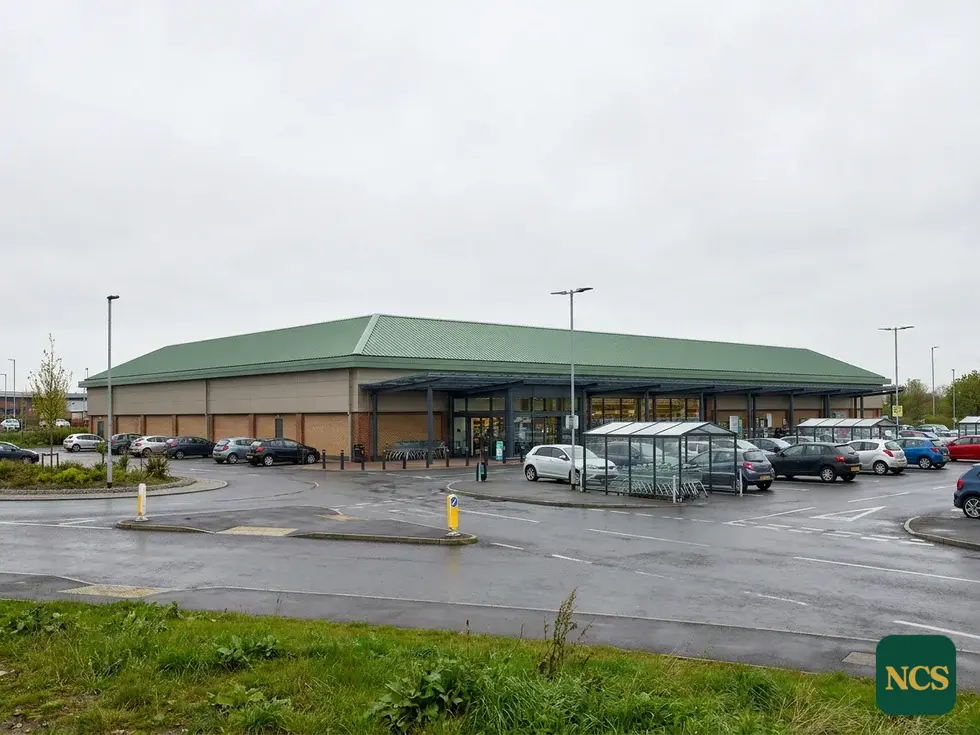
Recently — July 2026
We do not price a roof we have not stood on, so every job here starts with a proper look at the building.
Settled summer weather suits coating and spraying work, with stable temperatures and dry surfaces helping systems cure and bond as specified.