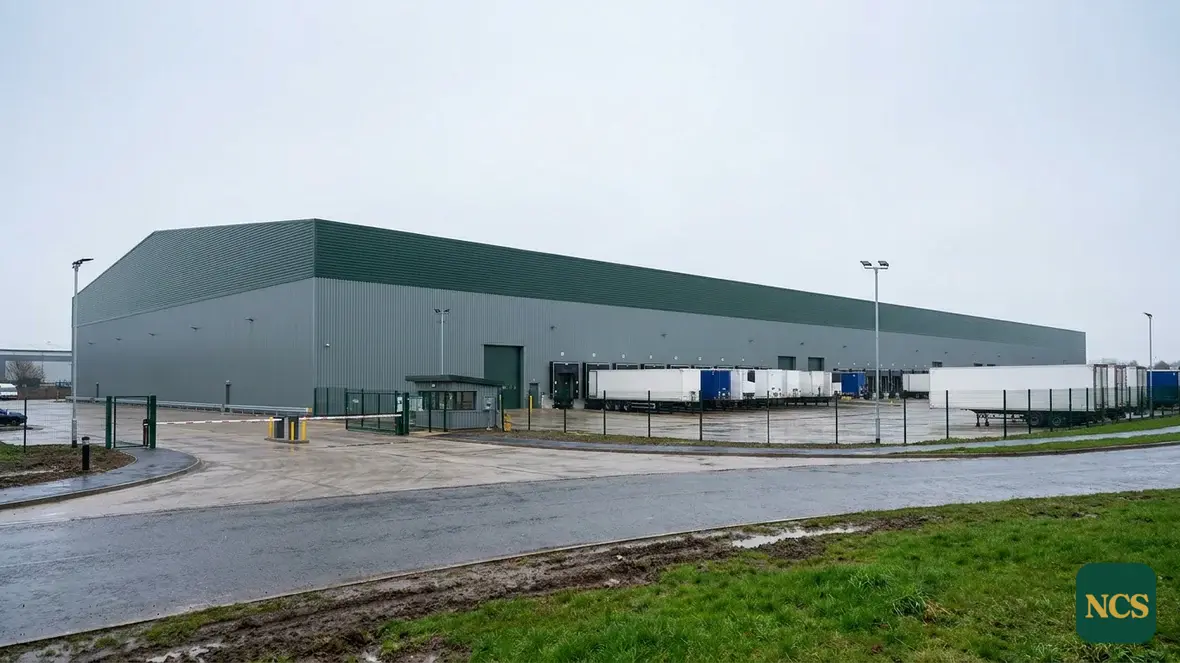
The manufacturing heartland of Lancashire has left Preston with a fair few profiled metal roofs. You see them everywhere, from the old mill buildings that have been repurposed right up to the modern units strung out along the M6. Nearly every one of them has the same weak spot: the cut edge of the sheet. If you’re seeing rust along your gutter line, or the coating is lifting at the overlaps, that’s cut edge corrosion. The smart move is to sort it out while it’s still just on the edges, before it lets the water in.
The failure mode built into every coated sheet
Coated steel sheets arrive on site sealed on both sides, but every single one gets cut to length. That cut leaves bare steel along the edge. On the roof, those bare edges bunch up at the sheet ends, the side laps, and especially along the gutter line. Rain collects there and doesn’t run off quickly. That bare steel rusts, and the rust then creeps back under the factory coating, peeling it away as it goes. The coating holds up everywhere else, but that cut edge is the problem. That’s why a roof in Preston can look sound for twenty years, then suddenly show corrosion on nearly every sheet end all at once.
Rain, and why spread is the danger
Up here in the North West, we’re not short of rain, and that’s exactly what drives this corrosion. Water gets sucked into the lap by capillary action and then it can’t dry out. So, the rust keeps moving inwards, the coating keeps delaminating in front of it, and the steel gets thinner until the sheet ends start to perforate. Low-pitched roofs that pond water, gutters choked with leaves and muck pressing damp against the edges, and repeated freeze-thaw cycles in winter all keep the rot going. Leave it alone long enough, and water will start coming into your building along every single lap line.
Early treatment versus late replacement
Catch it early, and the work is contained, your building keeps ticking over. We clean the corroded edges right back to sound steel, prime them with a proper corrosion inhibitor, and then seal the laps and gutter runs with a flexible coating that moves with the roof. The existing sheets get to live out their natural life. Leave it too late, and you’re looking at replacing sheets, which brings all sorts of disruption to a working unit. The difference between those two outcomes is exactly why you should deal with it now. Here’s what to look for:
- Rust streaks along the gutter edge and running down the cladding.
- The coating bubbling or peeling where the sheets overlap.
- Gutters holding standing water, or packed full of rust and debris.
- Damp patches inside, tracking the line of the fixings after it’s rained.
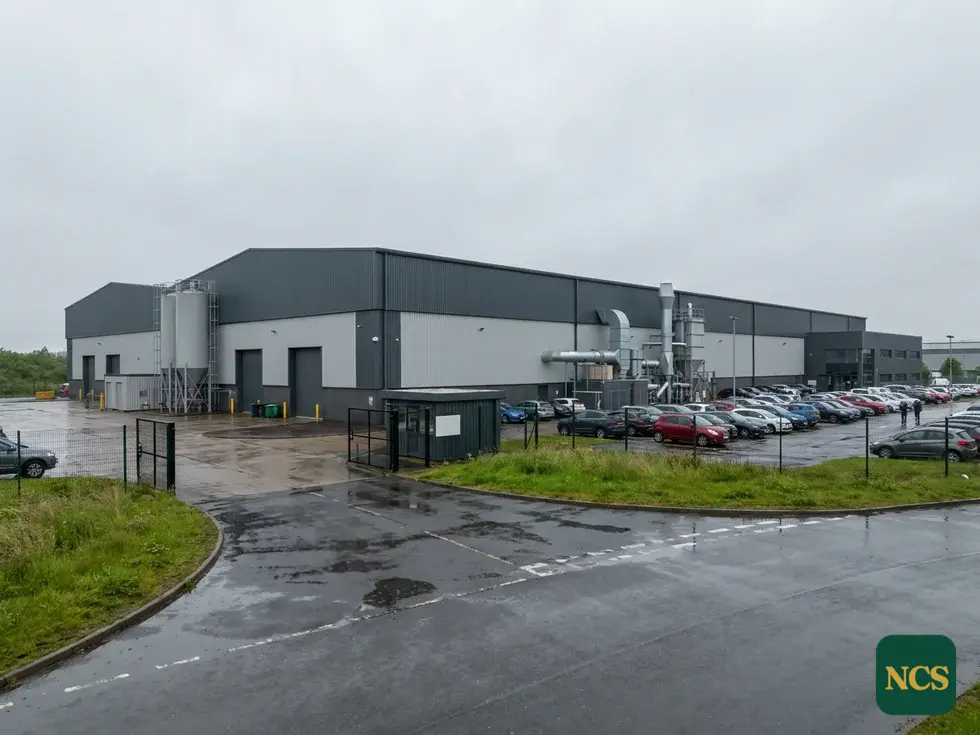
Edge corrosion around Preston hides under old coatings. The survey lifts the story of the roof before any repair or paint system is named.
When the honest answer is replacement
We won’t just coat steel that’s beyond saving. If the sheets have already perforated, if the corrosion has eaten deep into the laps over big areas, or if the factory coating is failing across the whole sheet face, not just the edges, then an edge treatment is money wasted. For roofs around Preston in that kind of state, the honest options are either sheet replacement or over-roofing. We’ll tell you that straight after the survey, rather than trying to sell you a coating that can’t possibly hold. A straight answer now saves you a wasted spend later.

One visit, edges and roof together
Every job starts with a proper roof survey. We photograph and report on the laps, edges, gutters, fixings, and the coating itself, so the scope of work is based on what we actually see. If the factory finish is looking tired and chalking across the whole roof, it usually makes sense to treat the cut edge corrosion and put a full roof coating on in one go. You pay one set of access costs for one finished roof. We’re based in the South East but we work all over the UK, and Preston and the wider Lancashire area are well within our usual stomping ground. Send over the building details and we’ll get the survey booked in.
Recently — July 2026
We plan the work around how your site runs, so the building stays in use while we are on the roof.
Long daylight and warm, dry days are when a coating cures and bonds best, so summer is a sensible time to get the work booked in.