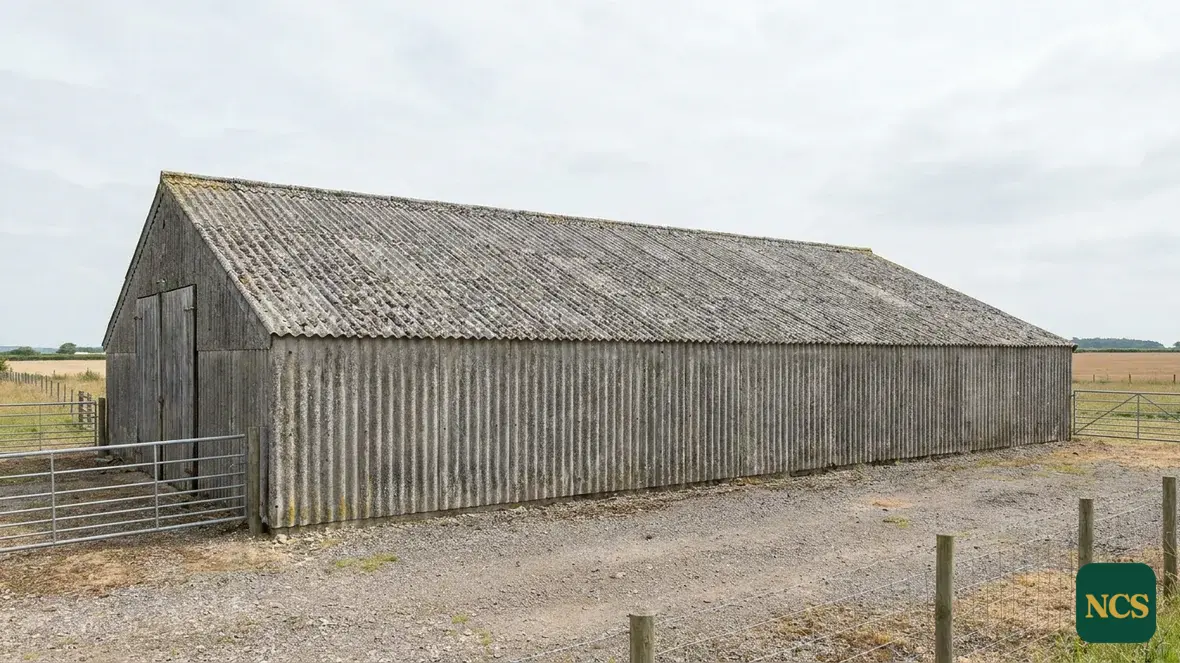
A working hinterland full of asbestos cement roofing
Salisbury’s centre may be medieval, but the working buildings around the city are anything but. The trading estates on its edges, the workshops serving the rural economy and the farm buildings spread across the Wiltshire countryside were largely built or re-roofed in the post-war decades. Corrugated asbestos cement was the standard covering for almost all of them between the 1960s and the 1980s. Half a century on, those roofs are showing their age. Porous surfaces, moss and lichen, weeping fixing holes and gutters full of shed grit. The sheets themselves, though, are often still sound. That distinction, between weathered and failed, is what decides everything. Sales, lettings and tenancy changes increasingly force the issue, because buyers and incoming tenants ask for the asbestos paperwork before almost anything else.
Encapsulation: managing the roof rather than replacing it
Encapsulation treats a sound asbestos cement roof as an asset to protect, rather than a liability to dispose of. We clean the roof under controlled conditions, repair fixings and minor defects, then seal the prepared surface with a coating system. That binds the cement, prevents fibre release and restores its ability to shed water. The building stays in use throughout. Nothing is consigned to hazardous-waste disposal. The cost is normally well below that of stripping and replacing the roof. For a workshop outside Salisbury or a grain store on a Wiltshire farm, it is usually the most proportionate option available, provided our survey supports it.
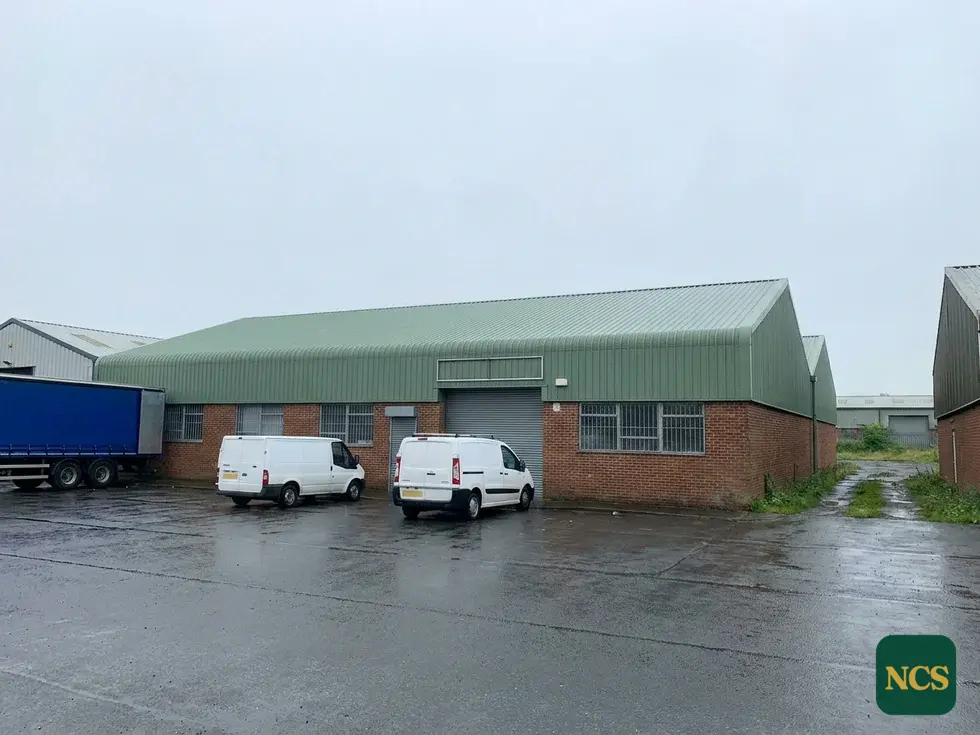
The compliance position under CAR 2012
The Control of Asbestos Regulations 2012 place a duty to manage on whoever is responsible for maintaining non-domestic premises, farms and rented commercial buildings included. Regulation 4 requires you to identify asbestos materials, record their location and condition, assess the risk and hold a written management plan. It does not require removal of material that is in sound condition and unlikely to be disturbed. Managing it in place is expressly contemplated, and sealing is a recognised management measure in HSE guidance. An encapsulated, documented, periodically inspected roof is therefore not a shortcut around the regulations. It is what compliance looks like for sound asbestos cement.
When encapsulation is the wrong call
We turn down roofs. We would rather do it at survey stage than have a coating fail on a roof that should never have been coated. Encapsulation is not appropriate where:
- Sheets are extensively cracked, holed or broken across the roof
- The cement has become soft, friable or delaminating after years of saturation
- Structural movement has distorted the roof plane or broken sheet bearings
- Storm or impact damage has compromised whole areas rather than odd sheets
- The material is asbestos insulation board or sprayed coating, which is licensed work and belongs with an HSE-licensed removal contractor
If any of that describes your building, our report will recommend removal and say why. That gives you a document you can hand straight to a removal contractor.
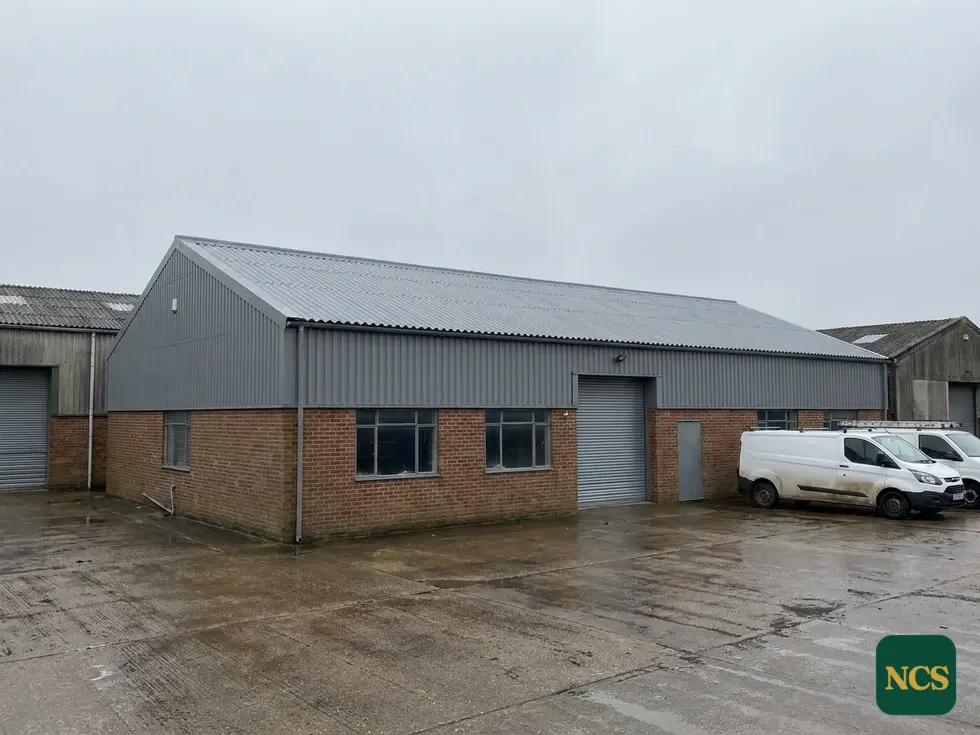
Surveying roofs in Salisbury and south Wiltshire
We are based in the South East and work across the UK. That places Salisbury within comfortable reach for condition surveys and coating contracts alike. Every job begins with an inspection of the sheets, fixings, rooflights, gutters and structure. We record it in photographs and report in plain English with a clear recommendation. That report supports your asbestos management plan, whether the answer is encapsulation, repairs first or removal. If your building still wears its original sheeting from the 1960s to the 1980s, a survey now is cheaper than a decision forced on you by the next hard winter. Where a roof straddles the line, sound in parts and failed in others, the report sets out a sheet-by-sheet position so repairs and coating can be priced honestly.