Industrial roof coatings for Salisbury’s trading estates
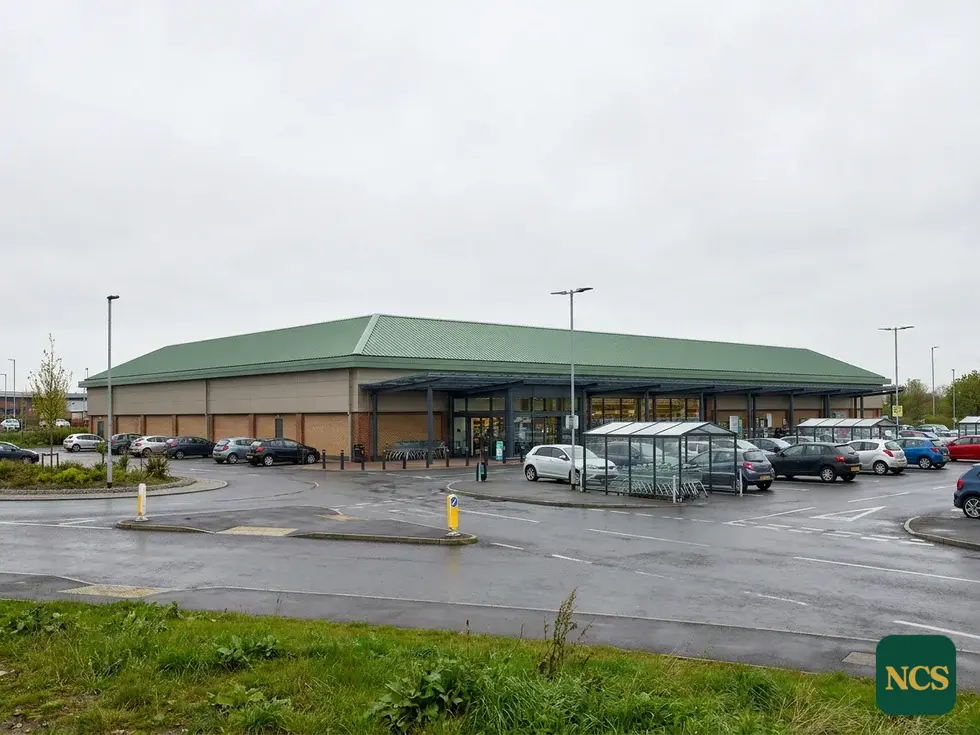
Salisbury isn’t a city of vast logistics hubs. Its commercial buildings tend to be mixed-age trading estates on the fringes of town. We see units here that were built and extended in stages, with profiled steel next to older cladding, light manufacturing alongside storage, workshops and trade counters serving Wiltshire, the A36 and the A303 corridors. These roofs rarely fail all at once. They go joint by joint and edge by edge. The question for whoever runs the estate is always the same: keep patching, coat the sheets while they’re still sound, or start saving for a full replacement. We provide industrial roof coatings across Wiltshire and the wider South. The right answer always starts with a survey, never a sales pitch.
What a coating actually does for an older unit
A full coating system isn’t just paint for show. We clean and prepare the roof, treat and prime corroded areas, seal all the lap joints and fixings, then apply a coating across the whole surface to restore a continuous weatherproof layer. If we do this at the right point in the roof’s life, it’ll add years of service for a fraction of the cost and upheaval of re-sheeting. We can also apply solar-reflective finishes, which cut down on summer heat gain in units where the space below gets uncomfortably warm. What a coating won’t do is repair structural problems, replace sodden insulation or rescue sheets that have rusted through.

Cut-edge corrosion and the other usual faults
On profiled metal roofs, the exposed cut edges at laps, eaves and ridges are always the first to corrode. That’s because the factory finish doesn’t protect the raw steel where the sheet was cut. From there, rust creeps back under the coating. Aside from cut-edge corrosion, the most common faults we find on estate units of this age are rusting or loose fixings, perished lap sealant, brittle and discoloured rooflights, and gutters that have been quietly overflowing into the wall head for years. None of these are unusual problems. We need to deal with all of them before we put a coating on, otherwise the coating fails early and the money’s wasted.
Minimal disruption on occupied estates
Most Salisbury estates are fully let, and nobody wants roof work that stops tenants trading. Coating work happens from outside the building. There’s no strip-off, and no period where units are open to the weather. Before we start, we’ll agree all the practical details with the estate or facilities manager:
- Access routes, parking and pedestrian protection
- Timing around tenant deliveries and busy periods
- Positions for access equipment and materials storage
- Any noise-sensitive or odour-sensitive occupiers
- How progress and sign-off will be reported
We then sequence the work in sections so the estate can carry on around it.
The honest bit: when we advise against coating
Some roofs are simply past the point where a coating makes financial sense. Widespread perforation, structural movement, saturated composite panels and fibre cement that’s too brittle to access safely all point towards repair or replacement, not coating. We also see buildings where the roof is fine but the real problem is the gutters or the rooflights. In those cases, a full coating would be overkill and targeted work is a better spend. Our survey report will tell you which of these situations you’re in, with photographs and clear reasoning. If we recommend a coating for a unit in Salisbury, it’s because the roof genuinely suits one. It’s not because it’s the only product we offer.