Cladding spraying in Salisbury
Commercial buildings around Salisbury have a higher bar to meet than most. A tired industrial unit stands out in a city known for its architecture, and a faded elevation does a business no favours with customers, neighbours or planners. Cladding spraying tackles that on site: we prepare the existing metal cladding, repair it where needed and respray it in a fresh colour, at a fraction of what new panels would cost.
We work survey-led. Before any quote, we inspect the cladding properly. What looks like simple fading from the car park can hide corrosion that changes the job, and occasionally rules it out altogether.
Signs your cladding is due attention
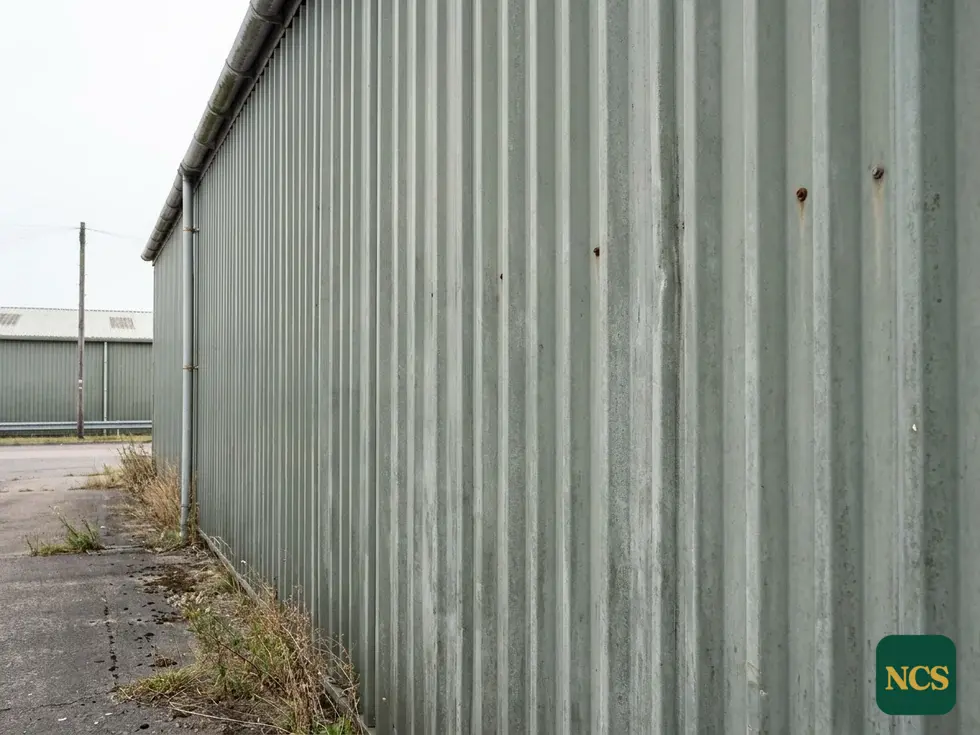
Coated steel rarely fails overnight. It gives warnings, and the earlier they are acted on, the cheaper the fix tends to be:
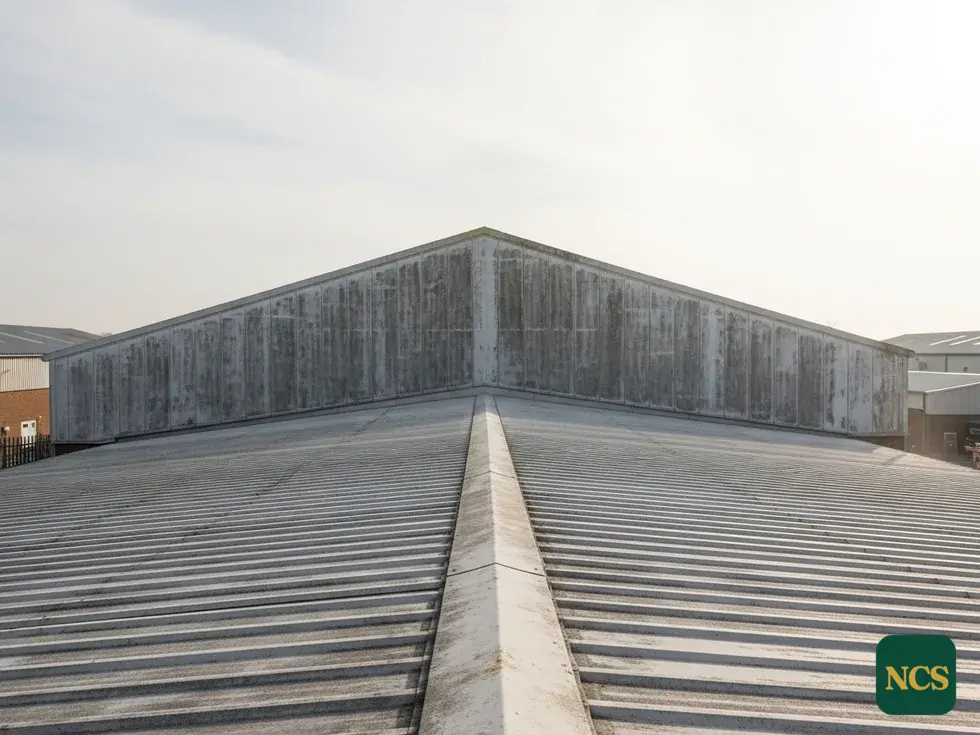
- Colour fade and chalking, where pigment rubs off on your hand.
- Rust staining at sheet ends, laps and around cut openings.
- White corrosion blooms on galvanised surfaces.
- Peeling or flaking patches in the existing finish.
- Mismatched panels from past repairs spoiling the elevation.
All of these are routinely recoverable with the right preparation and coating system. Left for years, the same defects migrate from the surface into the steel itself, and the conversation changes from respraying to replacing.
A cladding respray on a Salisbury unit is a refurbishment in the real sense: repairs first, then the sprayed finish.
The building stock we see across south Wiltshire
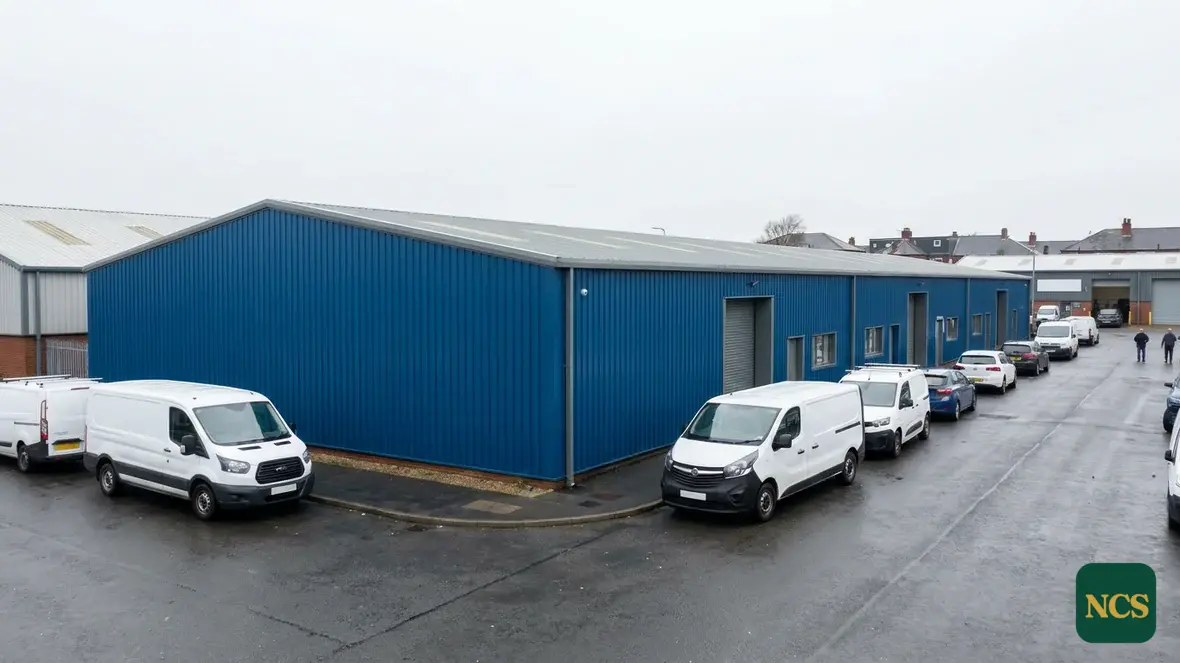
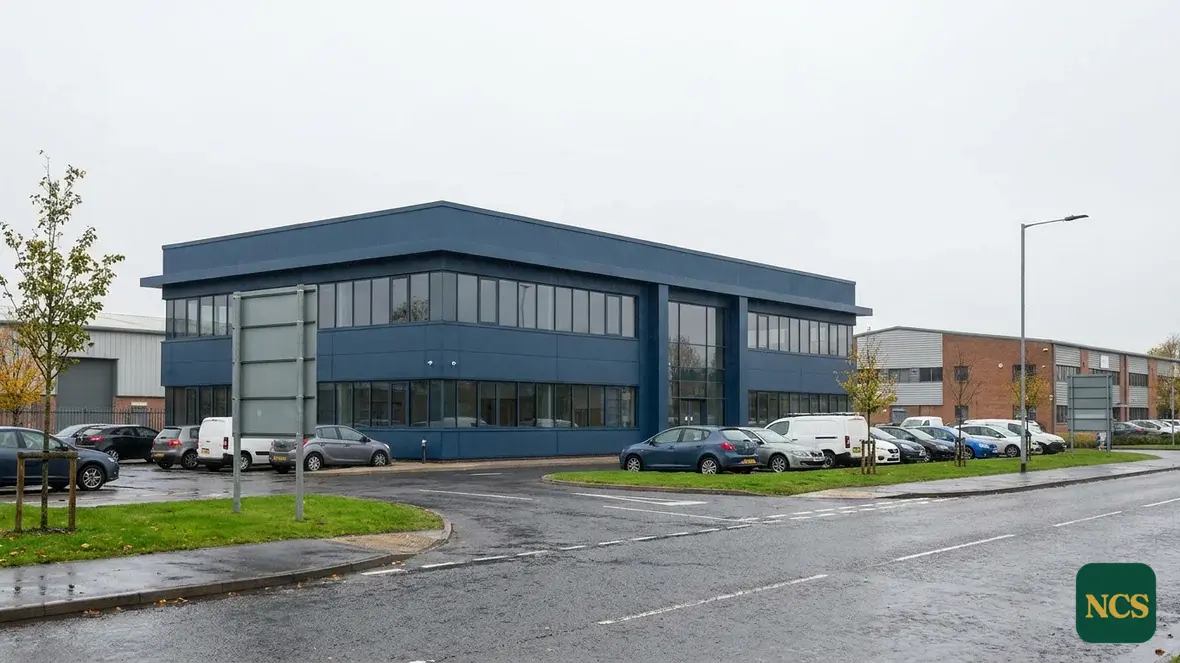
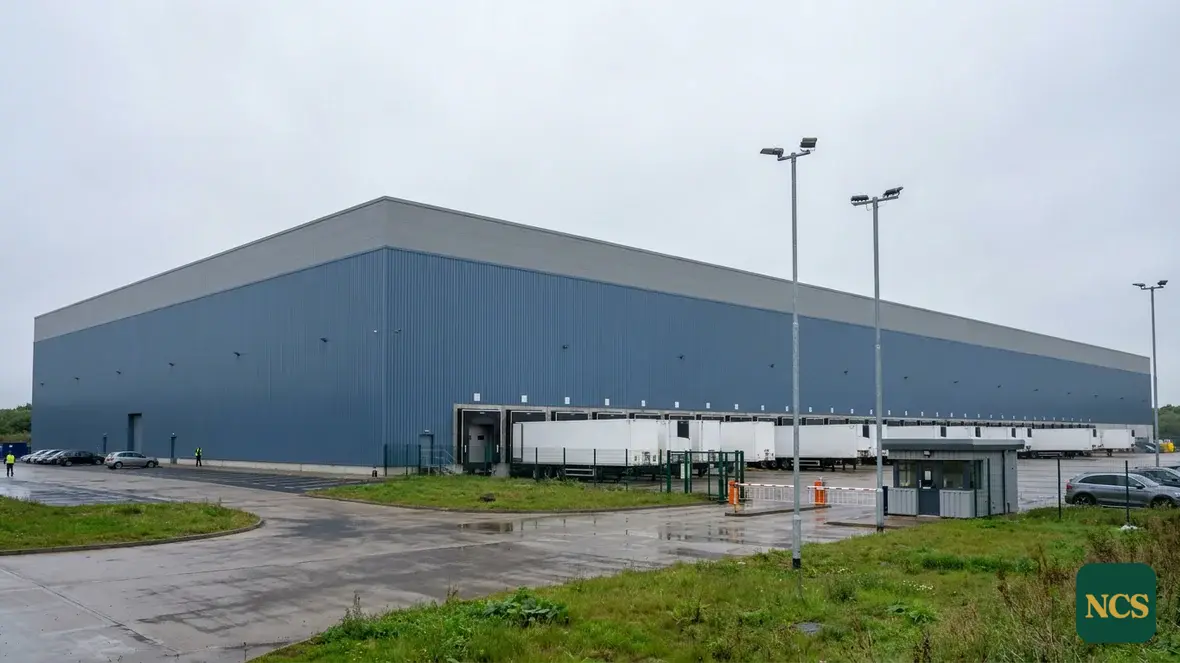
The work we see in this area is genuinely varied: units on the business parks at the city’s edges, steel-framed agricultural buildings in the surrounding countryside, retail and trade-counter premises, and workshops serving the rural economy. We usually bring doors, shutters, fascias and guttering into the same scope as the wall panels, so the whole building finishes together. We survey and spray across Salisbury and the wider area, including Amesbury, Andover, Warminster and down towards Southampton.
Rural buildings bring their own considerations. Livestock, stored crops and machinery movements all affect how a job is planned. The survey takes those operational realities into account alongside the condition of the panels, so the programme fits the way the building is actually used.
An inspection before any number
Our survey examines panel type and profile, the adhesion of the existing coating, cut edge condition, fixings, gutters, sealant lines and access. What comes back to you is a written scope: the repairs needed, the preparation specified, the coating system recommended and the reasoning behind each. Pricing follows the findings, not the other way round, which is why the figure tends to hold from quotation through to handover.
Colour is part of the conversation too. In and around a historic city, a quieter palette often serves a building better than the brightest option on the chart. Where a site sits near sensitive surroundings we will flag anything that might warrant a word with the local planning team before the sprayers arrive. Most resprays need no consent at all, but it costs nothing to check the exceptions early.
When spraying is not the right spend
If panels have perforated, composite cores have taken on water or the fixings have failed across an elevation, a coating will not save them, and we will tell you so in writing. Sometimes the right answer is replacing a few sheets and spraying the rest so everything matches. Sometimes it is a harder conversation about recladding. Either way you get a straight assessment, which is the whole point of surveying before pricing.
A respray done on sound, properly prepared cladding gives a building years more presentable service. A respray done over failing cladding gives it a short reprieve and you a bill twice. If your building near Salisbury looks past its best, start with the survey and make the decision from facts rather than from a sales pitch.