Commercial wall coating in Salisbury
Salisbury isn’t a city where we coat first and ask questions later. You’ve got modern units on the business parks, sure, but the centre also holds some of Wiltshire’s oldest commercial buildings. We’re talking solid-walled properties, lime renders, and frontages in conservation areas. These need a careful, breathable approach, or sometimes, no coating at all. So, for us, any commercial wall coating in Salisbury starts with a survey and an honest chat about whether your building is even a sensible candidate.
Our aim here isn’t to just sell you a coating. It’s to explain how we decide if one will actually work on your building, what exactly we check during the survey, and the situations where we’ll recommend a repair or a breathable alternative instead. That’s how exterior work should be done in a city like this one.
Two very different kinds of building
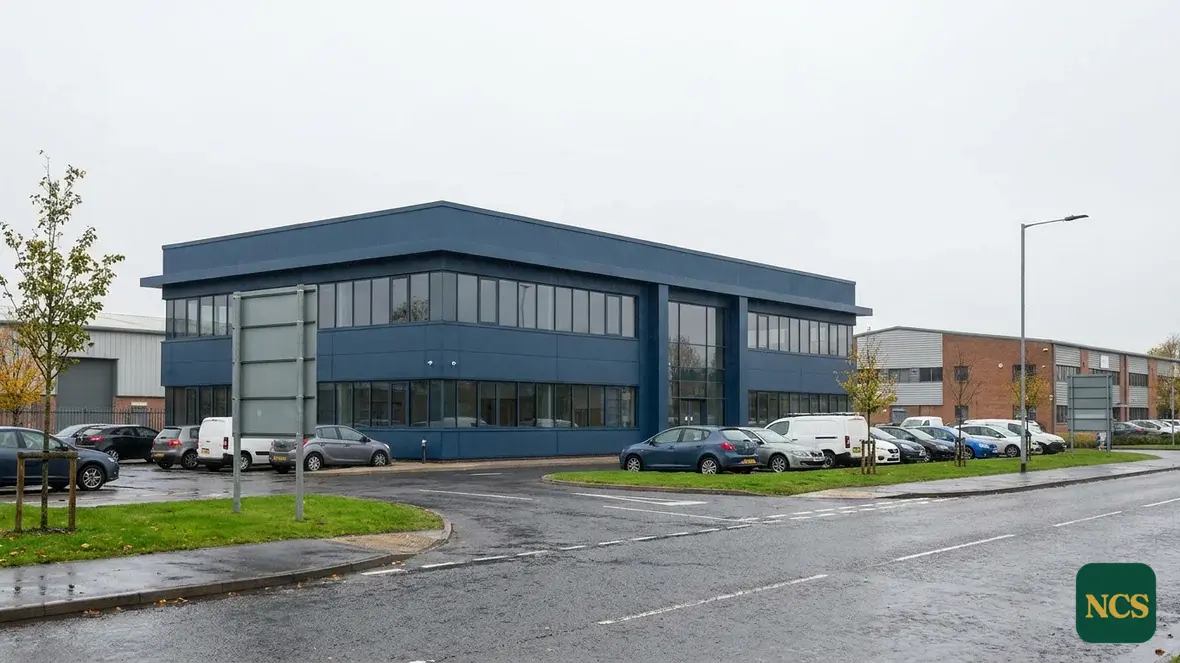
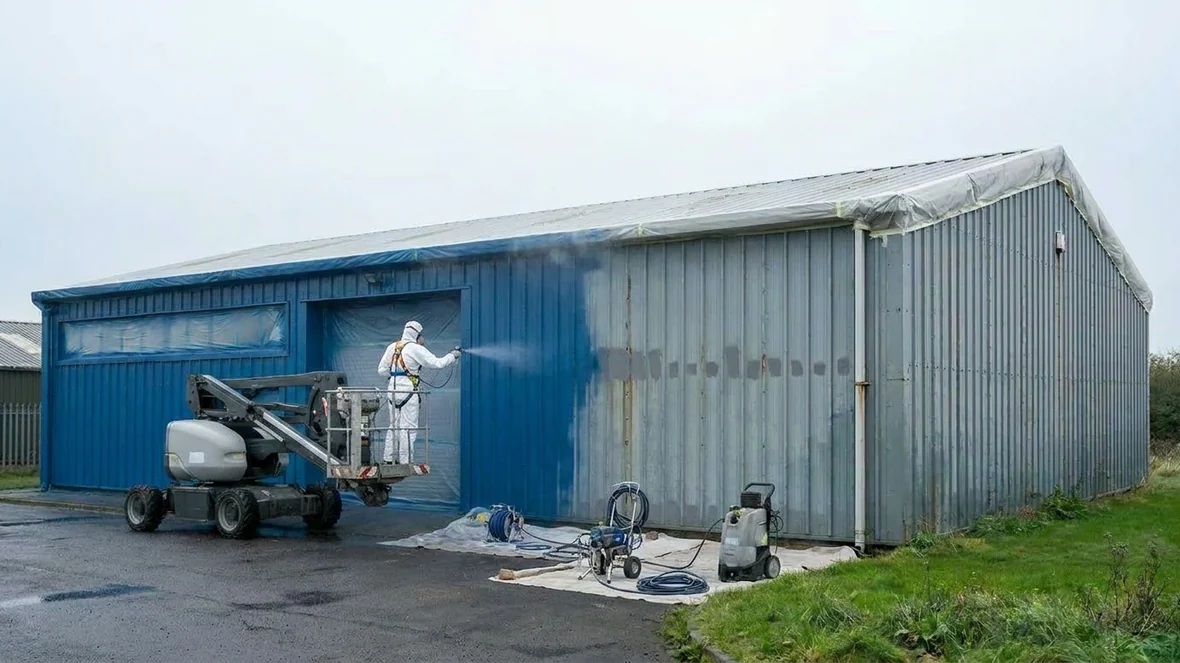
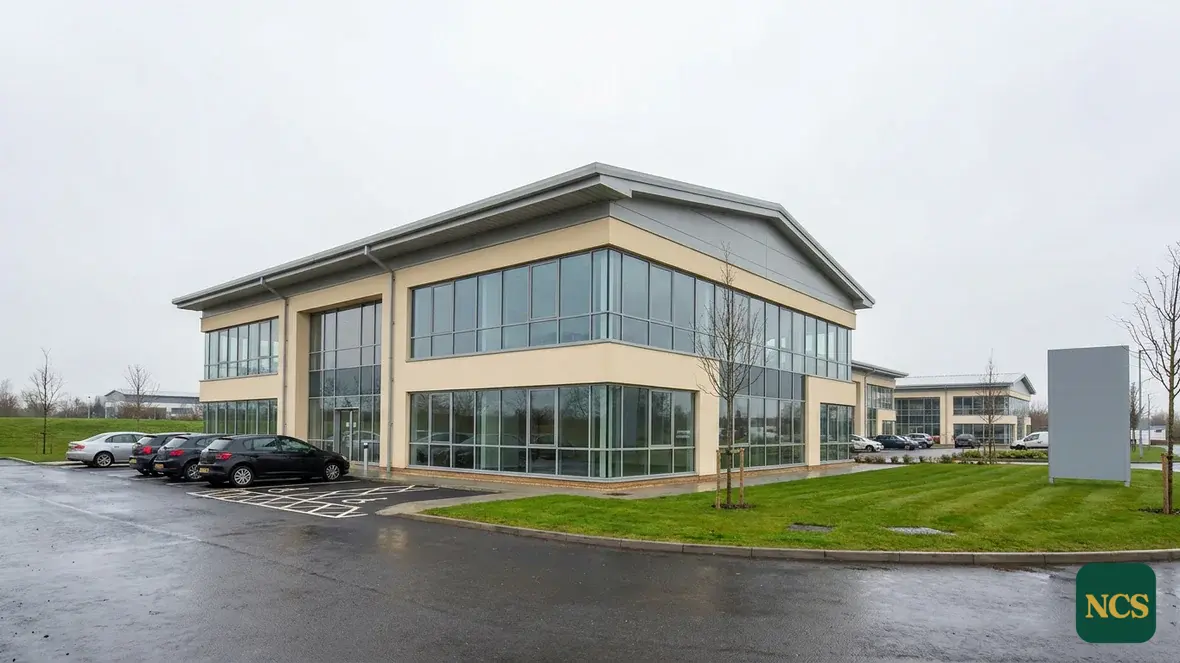
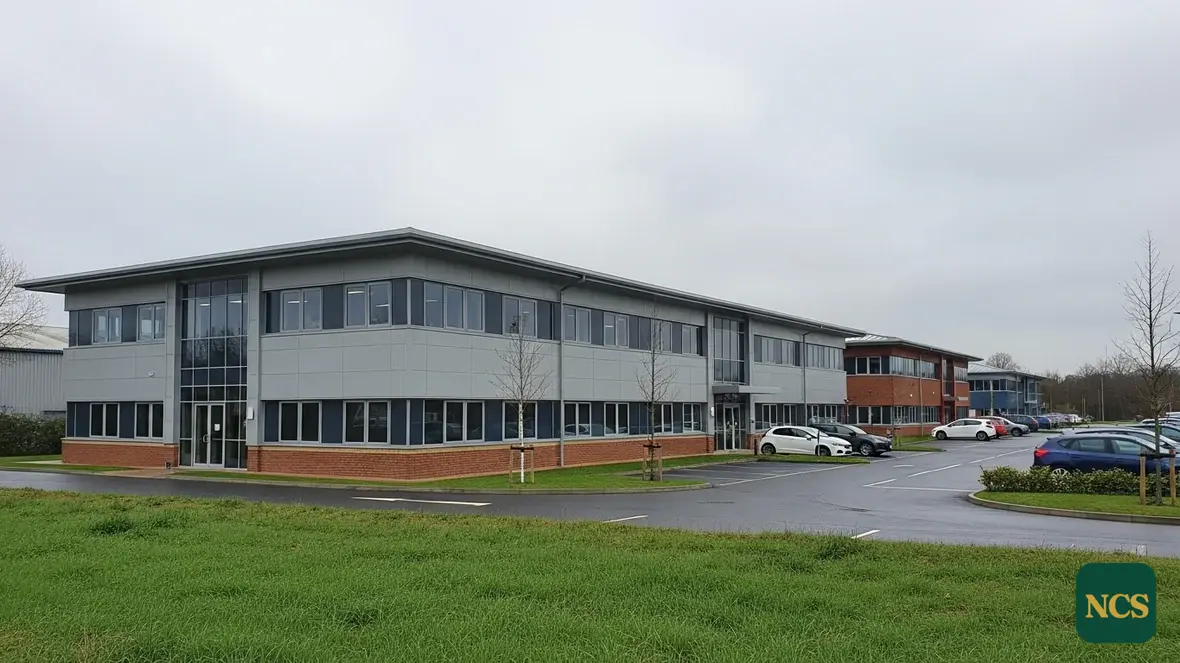
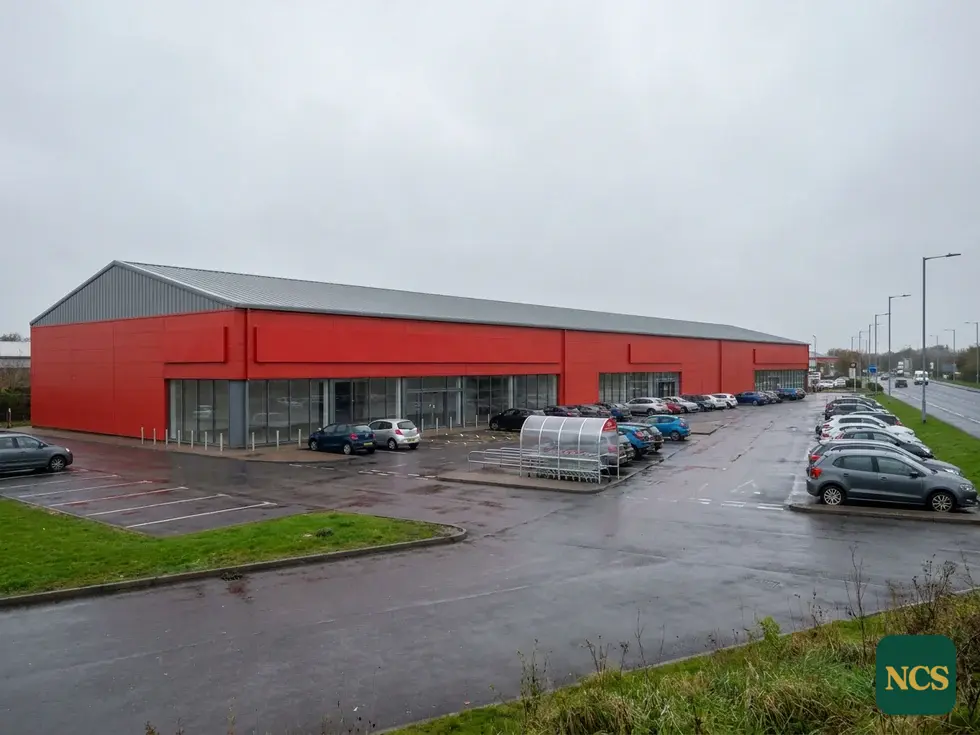
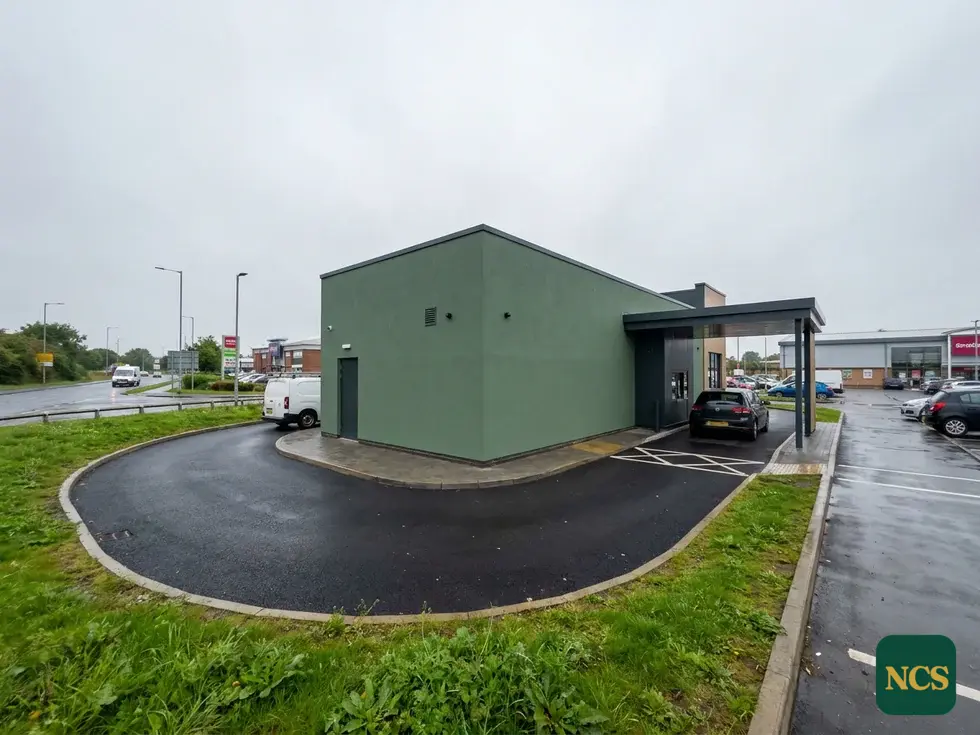
Most of the enquiries we get around here tend to fall into two camps. First, there’s the modern commercial stuff: rendered offices, retail units, and industrial buildings on the city’s outskirts. A high-build exterior coating is usually straightforward on these, once we’ve prepped the substrate properly. Then there’s the older property: shops, offices, and hospitality places right in the centre or nearby. These often have solid walls, and some are even listed. Those walls manage moisture by breathing, and if you put the wrong product on, you’ll trap damp and speed up decay. We also look after rural and agricultural businesses in the surrounding villages, and their exposed elevations often raise the same questions. Figuring out which situation you’re in is the whole point of our survey.
What happens before anyone opens a tin
We’ll visit your building, walk every accessible elevation, and we test things rather than just assuming. The survey tells us what the wall is made of, how wet it is, why it’s wet if it is, how well any existing finish is sticking, and whether any cracking has settled or is still moving. On older buildings, we’ll also flag anything that points towards needing listed building consent or conservation-area rules before we even start talking about a specific product. We carry out these same surveys for businesses in Amesbury, Andover and Warminster, and even as far afield as Southampton.
- We identify the substrate: modern render, lime render, brick, or previously painted masonry.
- We take moisture readings and trace the source of any damp.
- We test the adhesion of existing finishes.
- We check for conservation or listing constraints before we name any product.
- You get a written report to keep, whether you go ahead with the work or not.
Commercial painters around Salisbury are easy to find. What the survey adds is a written account of the wall before any paint or coating is named.
The honest cases against coating
Salisbury has buildings that simply shouldn’t take a modern, film-forming coating. And when we find one, we’ll tell you. Solid walls that need to breathe require vapour-open treatments or just good, honest repair, not a sealed surface. Blown render needs to be cut back. Live cracks need their underlying cause dealt with. And damp from a leaking parapet or downpipe? That leak needs fixing first. A contractor who quotes for coating without checking these things is setting your building up for failure, no matter how cheap their price looks.
Why survey-led suits a heritage city
A survey-led contractor has nothing to gain from coating a building that shouldn’t be coated. Our recommendation *is* the product. For commercial owners across Wiltshire, that means a clear, written account of what your walls actually need, an honest “no” when a “no” is the right answer, and a specification with solid reasoning behind it when coating *is* the right call. You also keep the survey findings either way, so even a “no” has value. If you manage premises in Salisbury and the exterior is starting to show its age, an inspection will give you the proper answers.