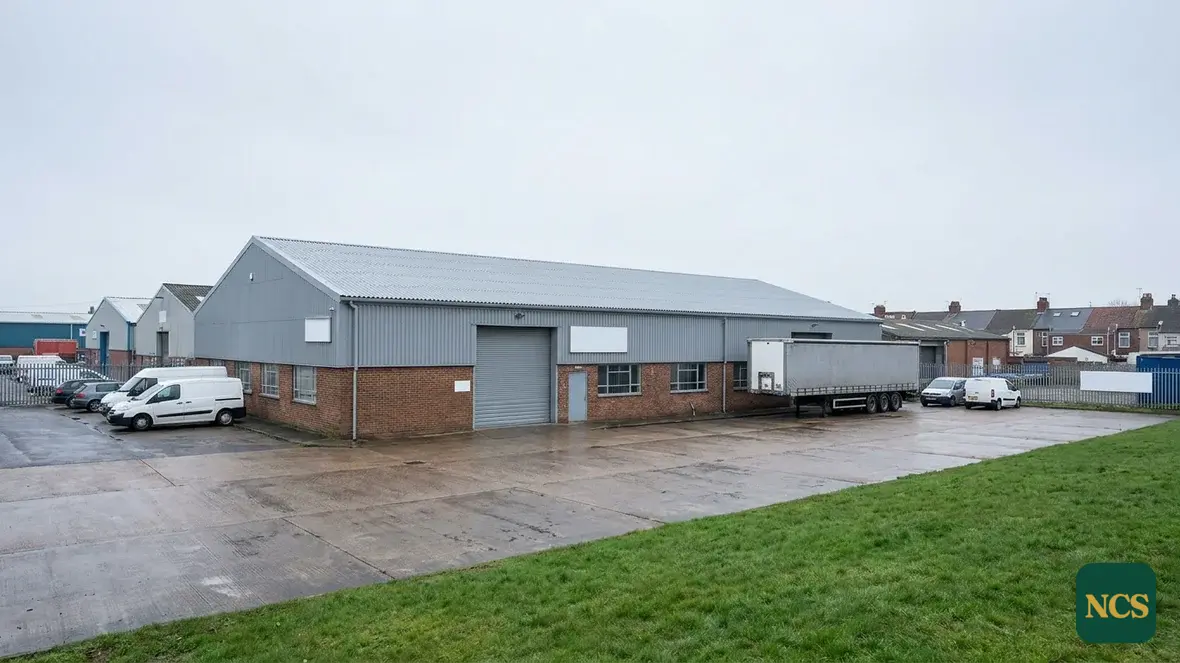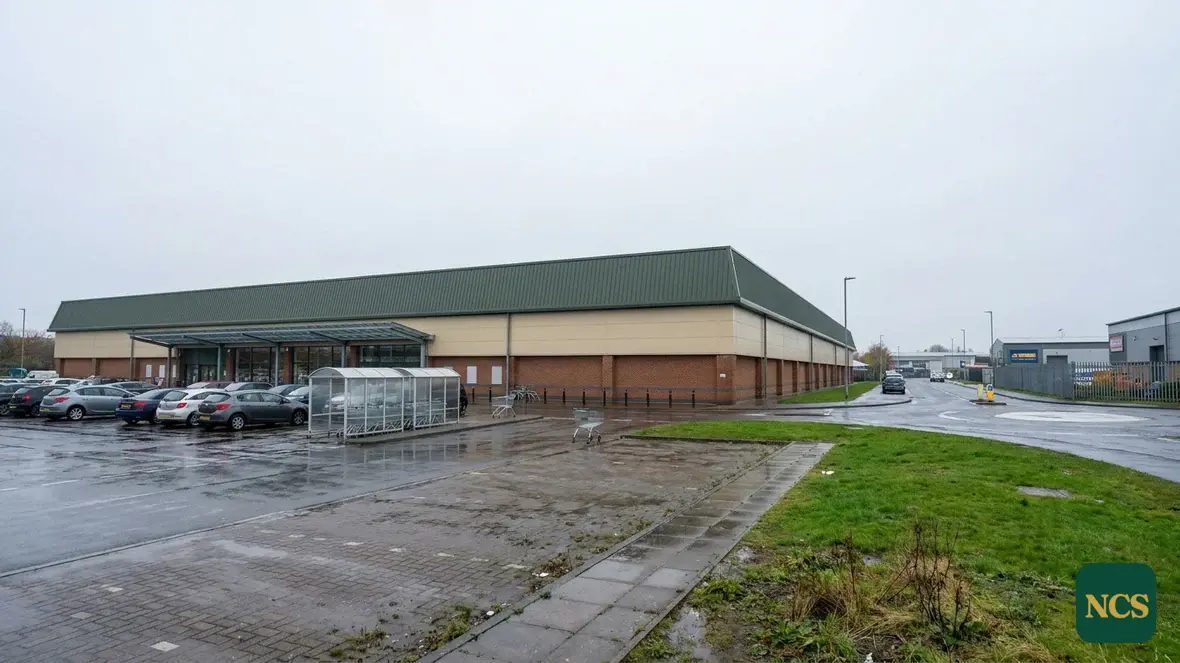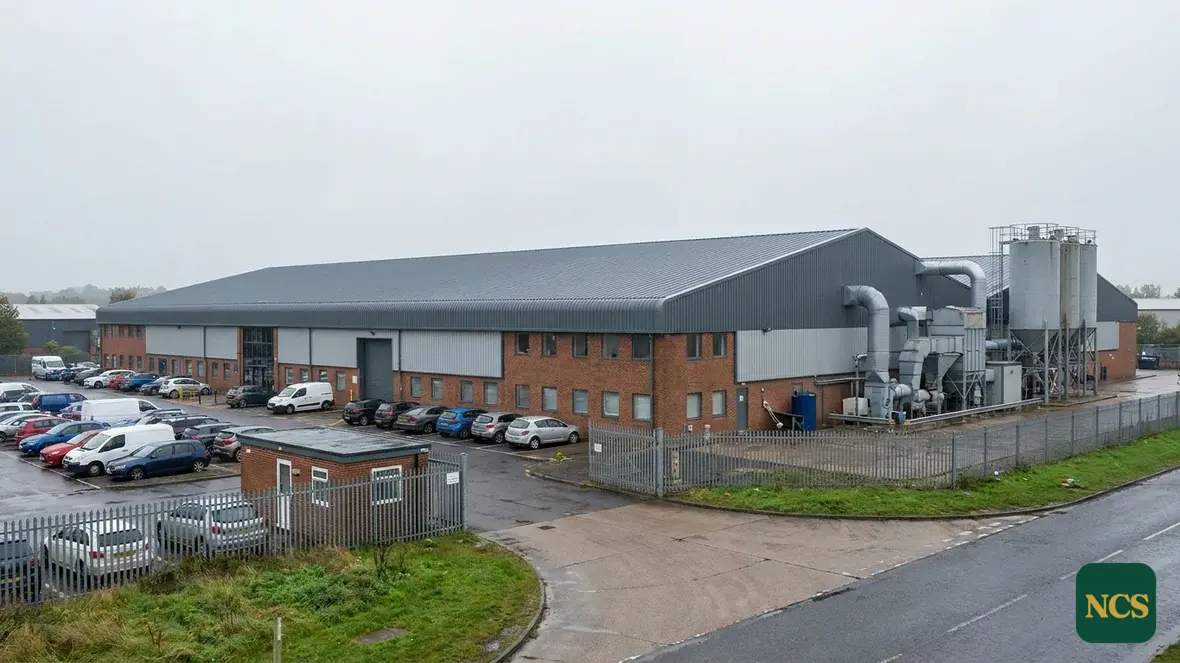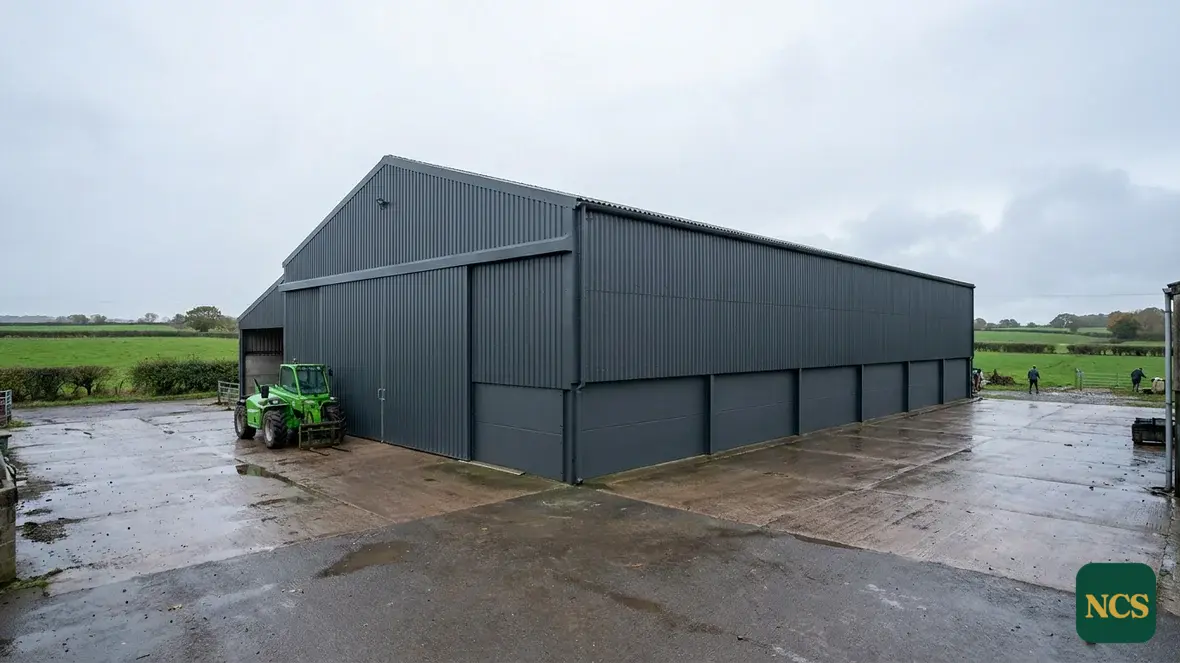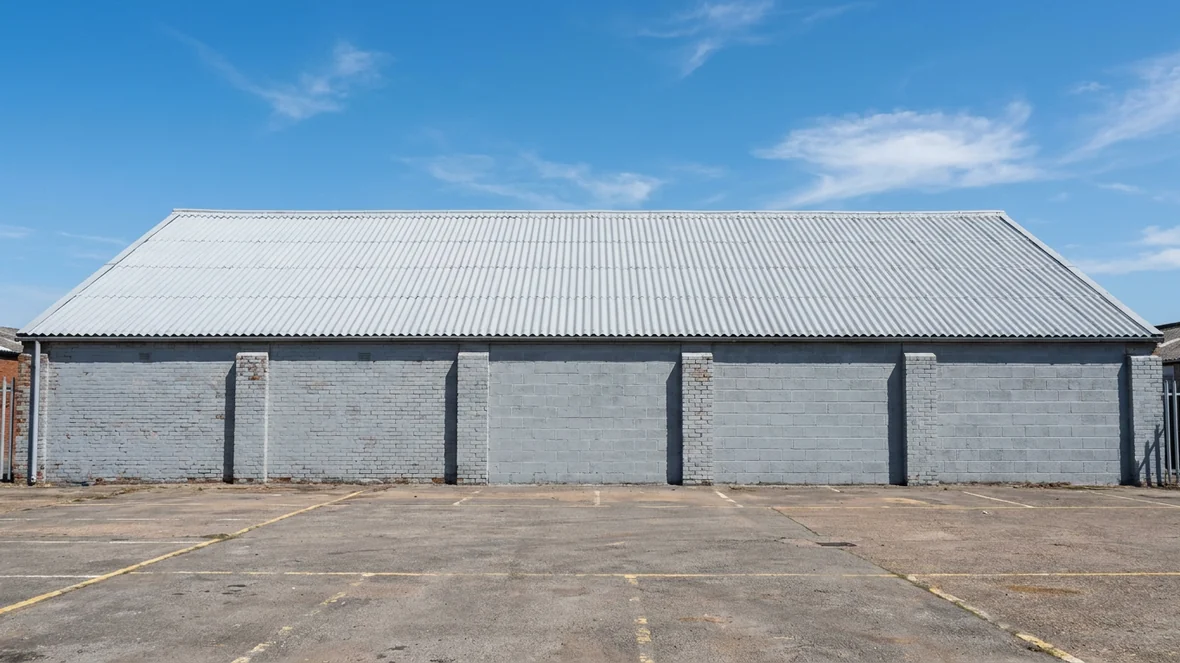
St Albans is better known for its commuter villas than its industrial roofs, but the city and the surrounding Hertfordshire towns carry plenty of older commercial stock. On the trading estates, in the light-industrial units and behind the parades of older shops and garages, corrugated asbestos cement roofing remains common. If you own or manage one of these non-domestic buildings, the law gives you specific duties, and sooner or later you have to decide whether to remove the roof or seal it in place. For sound sheets, encapsulation is usually the more proportionate choice.
The duty-holder’s decision
Regulation 4 of the Control of Asbestos Regulations 2012 places a duty to manage asbestos on whoever controls a non-domestic building. You are responsible for identifying the asbestos-containing materials, assessing their condition, recording them and managing the risk. On stock built from the late 1950s through to the early 1980s, the roof is often the largest single asbestos element on site, which is why it tends to drive the decision.
The regulation does not require you to strip the roof out. It requires you to keep the material in a safe condition and to manage it. Where the sheets are structurally sound, a correctly applied encapsulation system is an accepted way of meeting that duty, at a much lower cost than removal and replacement and with far less disruption to whatever the building is used for.
How the coating works in practice
Asbestos cement releases fibres as its surface weathers, cracks and erodes over the years. Encapsulation locks that surface down. The roof is cleaned with controlled wet methods rather than dry abrasion, damaged fixings and flashings are repaired, minor faults are made good, and the whole surface is sealed with a flexible coating made for asbestos cement substrates. You are left with a watertight finish, the fibres bound into the sheet, and several more years of service from the roof.
Signs your roof may qualify
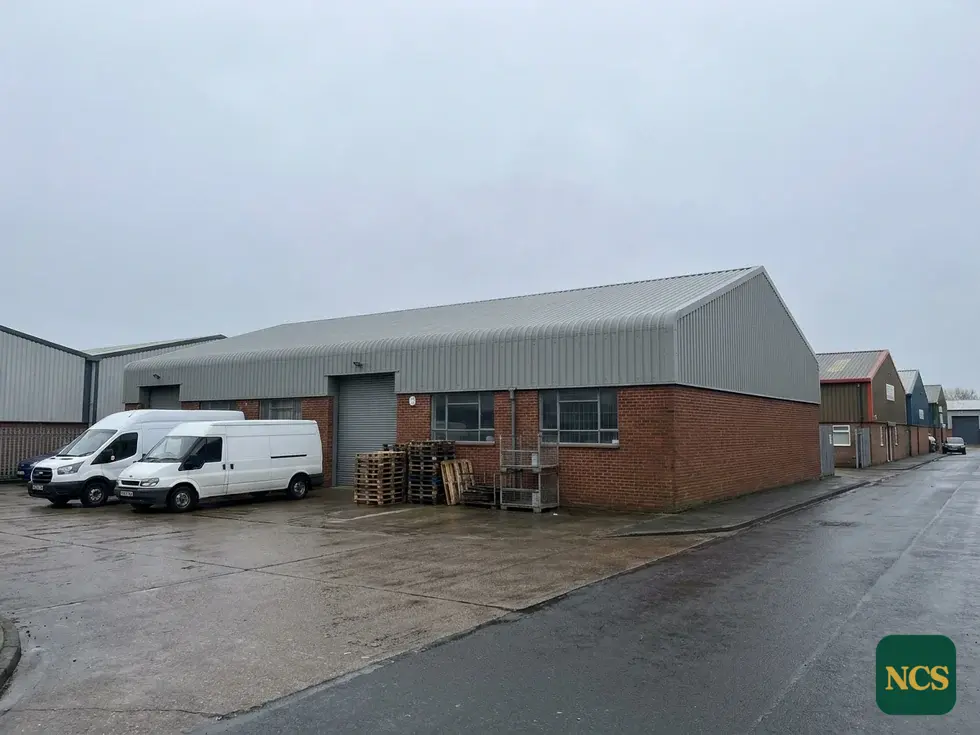
We survey before we quote because not every roof is suitable. As a rule, encapsulation makes sense where:
- The sheets are weathered but not widely cracked or holed
- The cement substrate is firm, not soft or delaminating
- Fixings, sheet laps and flashings are sound or repairable
- The roof structure beneath carries the load safely
- The building has a working future worth the investment
When encapsulation is not appropriate
An honest survey sometimes ends with the answer you were not after. A coating moves with the sheet beneath it, so if that sheet is already breaking up, no coating will keep it together, and the spend is wasted. Where we find brittle, delaminating or extensively cracked sheets, repeated structural leaks, or a frame that can no longer take the load, we will recommend removal and replacement and confirm it in writing. We also hold a firm line on material. Higher-risk products such as insulation board or sprayed coatings are a different class of work that normally requires an HSE-licensed removal contractor. Encapsulation is for sound asbestos cement only.
Survey first, then a straight recommendation
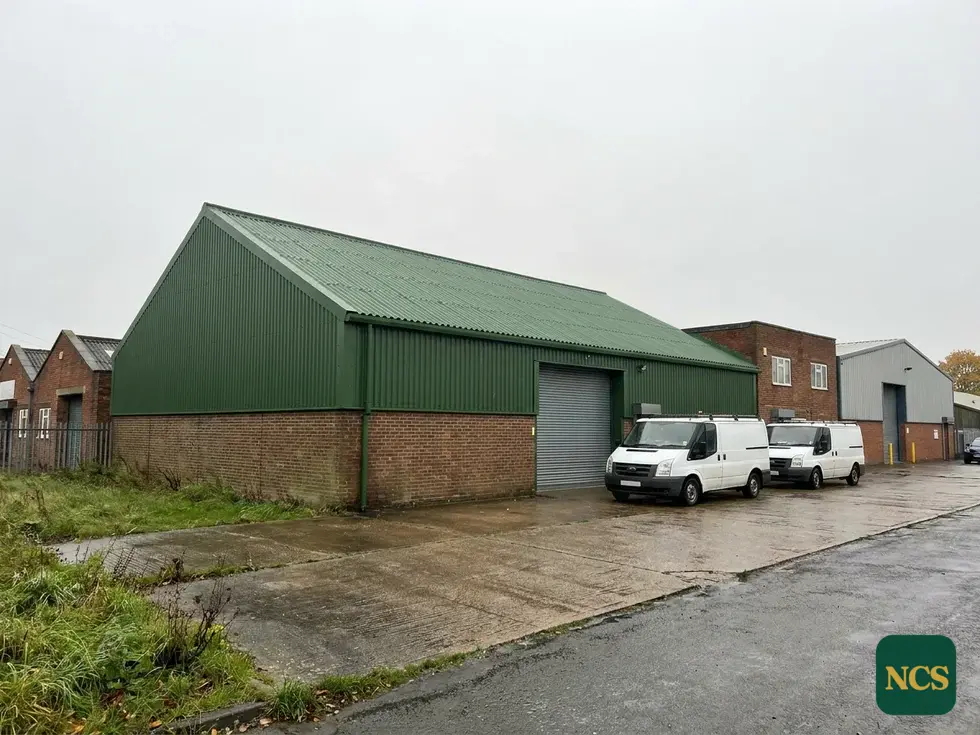
Before any figures are discussed we inspect the roof properly: sheet condition, fixings, rooflights, gutters, internal signs of leaks, and the state of the structure holding it up. You receive written findings and a clear recommendation, whether that is encapsulation, repair first, or removal by the right contractor. And bear in mind that sealing the roof does not end your duty to manage. The asbestos stays in place and on your register, and should be re-inspected periodically. What encapsulation changes is its condition, turning a slowly failing roof into a sealed, maintained one. If you are responsible for a building in or around St Albans, the sensible starting point is a proper condition survey.