Protecting industrial roofs in the St Albans corridor
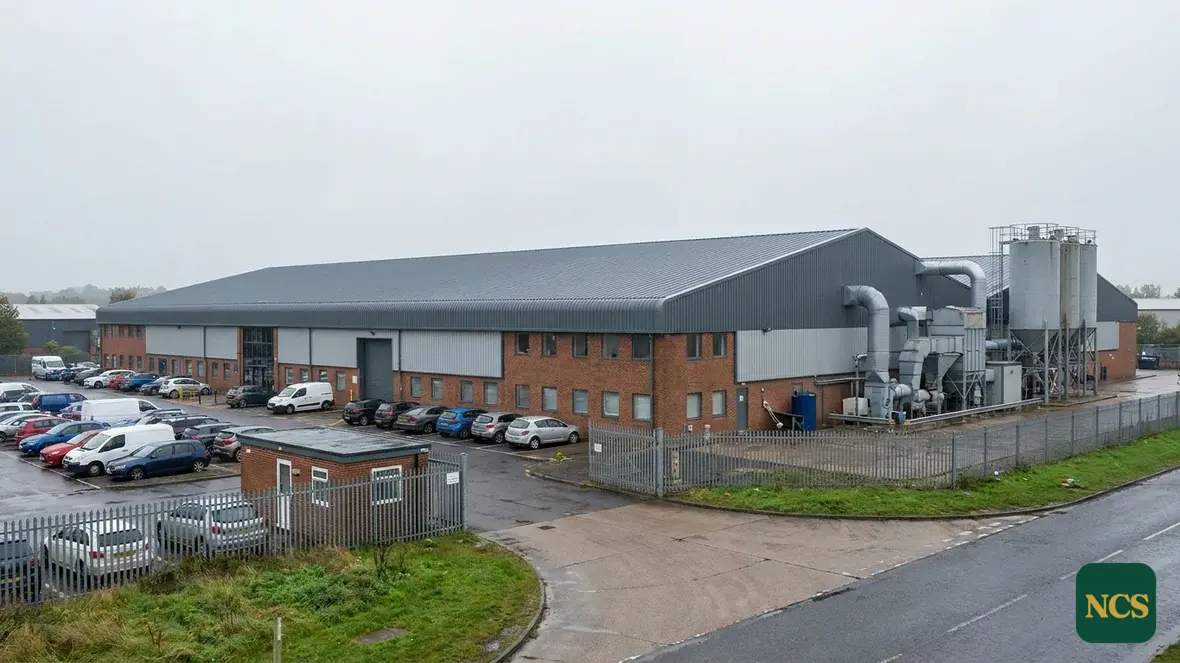
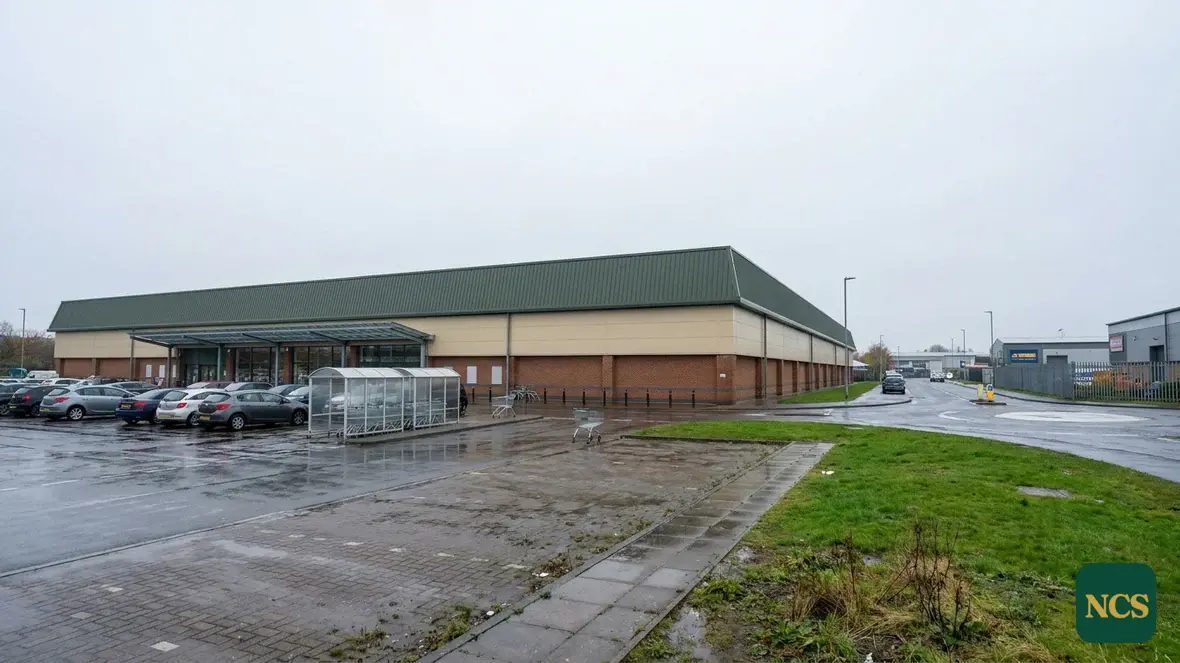
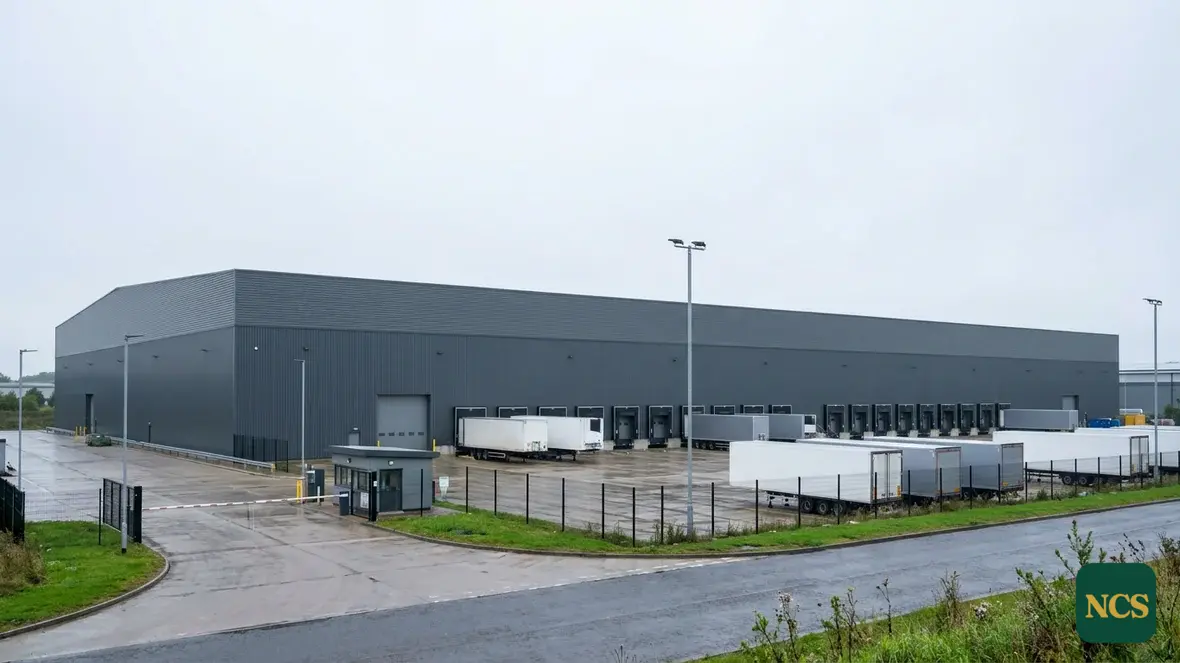
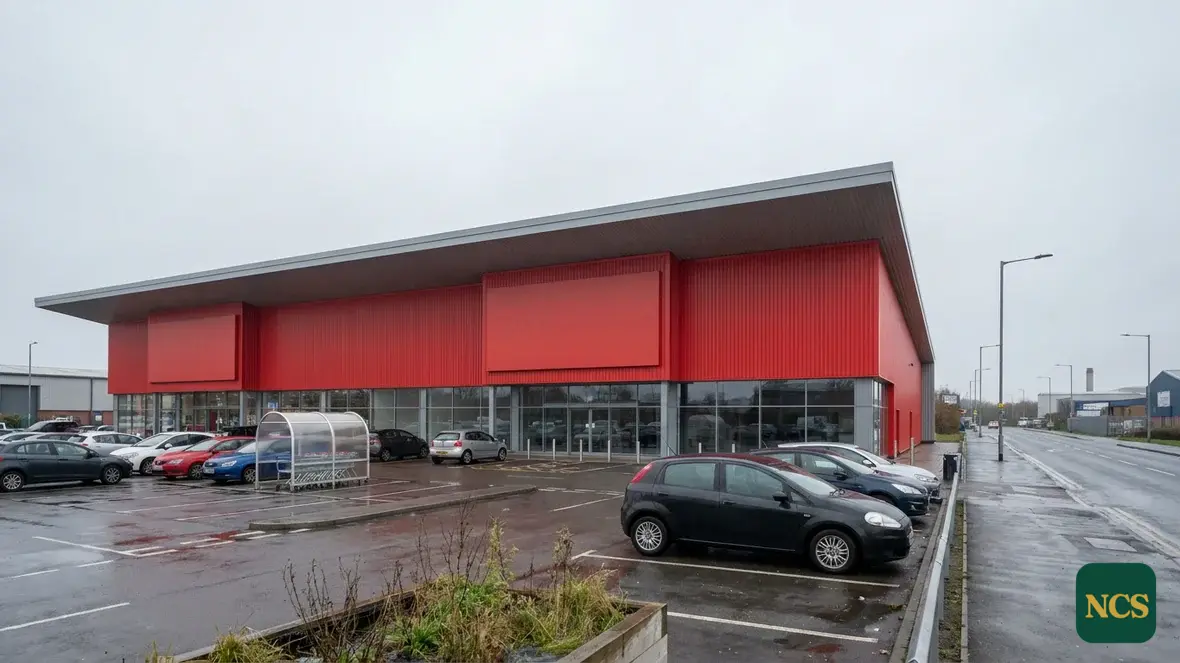
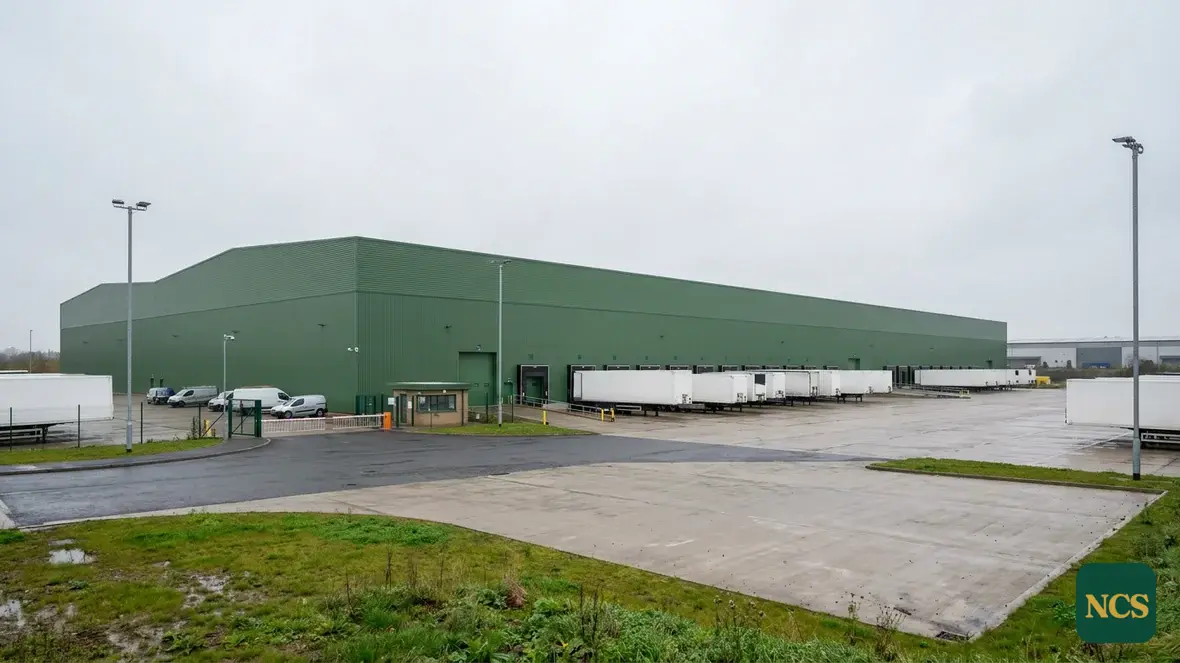
St Albans sits in one of the busiest logistics belts in the country, ringed by the M25, M1 and A1(M), and its industrial stock reflects that: trading estates and business parks holding distribution units, workshops and light industrial space that serves London and the Home Counties. Land and buildings here are too valuable to let a tired roof drag a unit down. Yet many of these roofs are profiled metal from the eighties, nineties and two-thousands, now showing the classic late-life faults at the surface while the structure underneath remains perfectly serviceable. Industrial roof coatings are built for exactly that situation, and for estates teams in St Albans the case usually comes down to cost, disruption and timing.
Why estates teams choose coating over replacement here
Re-sheeting an occupied industrial unit is a major undertaking: scaffolding, strip-off, exposure risk, tenant disruption and a long programme. A coating system, by contrast, is applied externally to the prepared existing roof, typically at a much lower cost, with the occupier trading underneath throughout. For managed and let buildings there is a second driver: roof condition feeds into lease events, dilapidations discussions and asset valuations, and a documented, professionally coated roof is a far easier conversation than a patched one with a leak history. A coating does not just keep water out. It tidies up the asset’s paperwork as well as its surface.
Cut-edge corrosion: catch it inside the coatable window
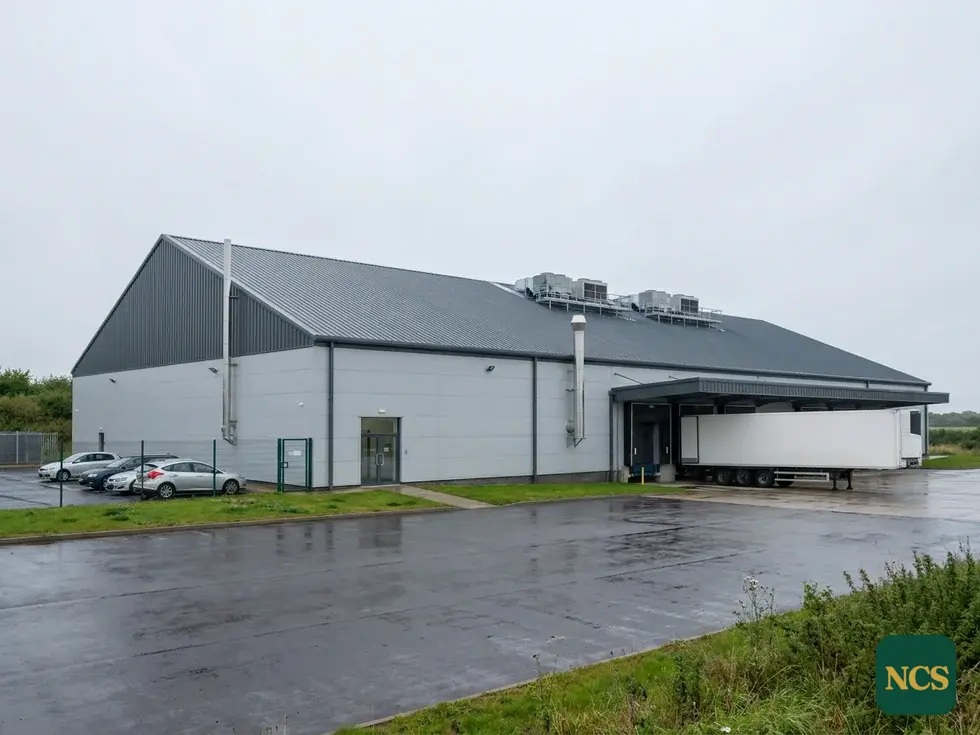
The fault that decides most coating projects is cut-edge corrosion. Profiled steel sheets are cut to length in the factory, leaving raw steel exposed at the ends, and that is where rust takes hold, creeping back from laps and eaves beneath the finish. Treated early, the edges are prepared, primed and sealed as part of the coating works and the roof gains years of life. Treated late, the rust has perforated the sheet and coating is no longer honest. The window between the two is wide enough to manage but narrow enough to miss, which is why a survey now is worth more than a quote later.
What happens before any coating is specified
Our process is survey-led from the first visit:
- Full roof inspection with photographic evidence
- Assessment of corrosion spread against the coatable threshold
- Check of fixings, lap sealant, rooflights and flashings
- Gutter and outlet condition, often the real source of reported leaks
- Written recommendation: coat, repair first, or do not coat
Only after that does a specification and price follow. Guarantee terms depend on the system specified, and we put them in writing before you commit.
The cases where coating is the wrong spend
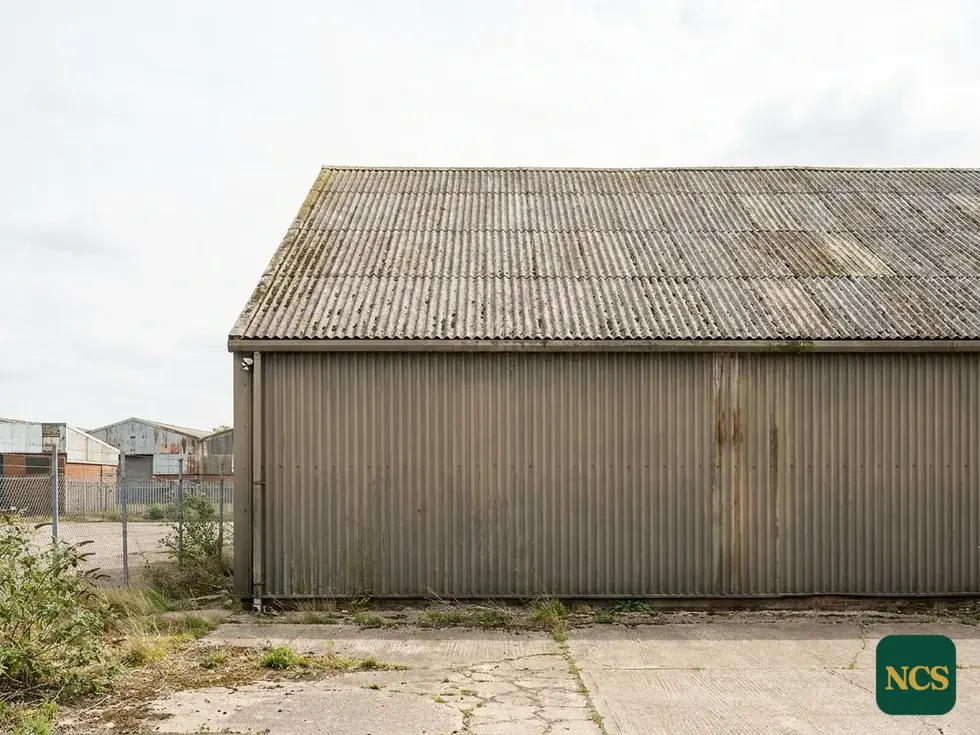
Some roofs in this corridor are past saving with a surface treatment, and we say so when they are. Widespread perforation, corrosion well beyond the edge zones, saturated insulation in composite panels and structural problems with purlins or fixings all rule a coating out, because it would fail early and delay the inevitable at full price. Occasionally the opposite is true: the roof needs only gutter work and minor repairs, and a full coating would be premature. Either way, the survey report gives you the position straight, with evidence, so a facilities or asset manager in St Albans can take a defensible decision rather than a hopeful one.