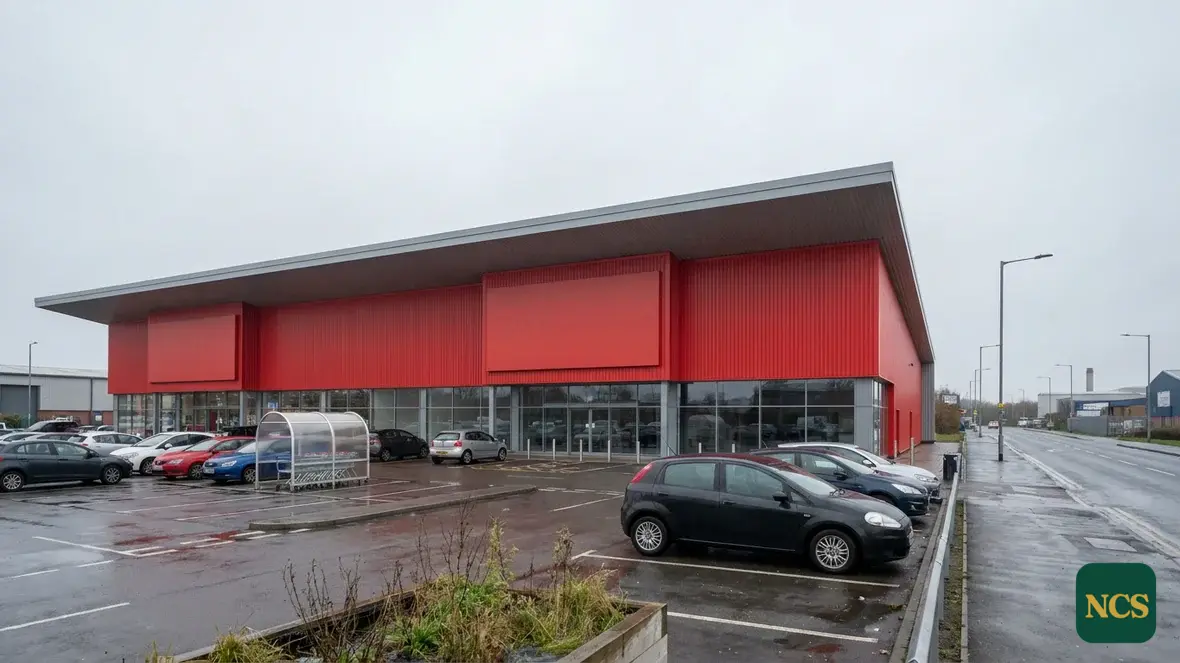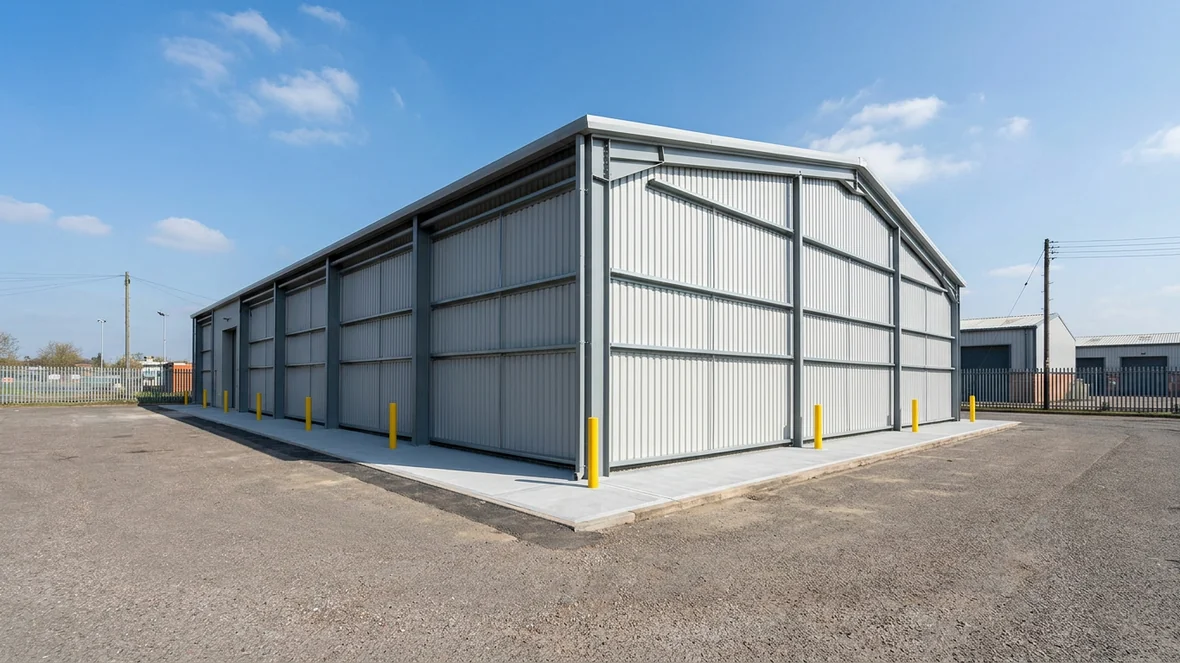
Commercial wall coating in St Albans
Commercial property in St Albans tends to be client-facing: offices, clinics, restaurants, showrooms and professional premises where the state of the building is read, fairly or not, as the state of the business. Commercial wall coating in St Albans is therefore usually about two things at once, protecting the fabric from the Hertfordshire weather and keeping a frontage presentable enough to work for the firm behind it. Both depend on the same discipline: understanding the wall before specifying anything for it, which is why every job we take on begins with a survey rather than a quote.
There is an economic logic to getting this right as well. Exterior work brings access equipment, disruption and management time, and those costs are much the same whether the specification is correct or not. The only genuinely cheap version of the job is the one that does not have to be repeated, and that is decided at the survey stage, not on the scaffold.
The local stock, described honestly
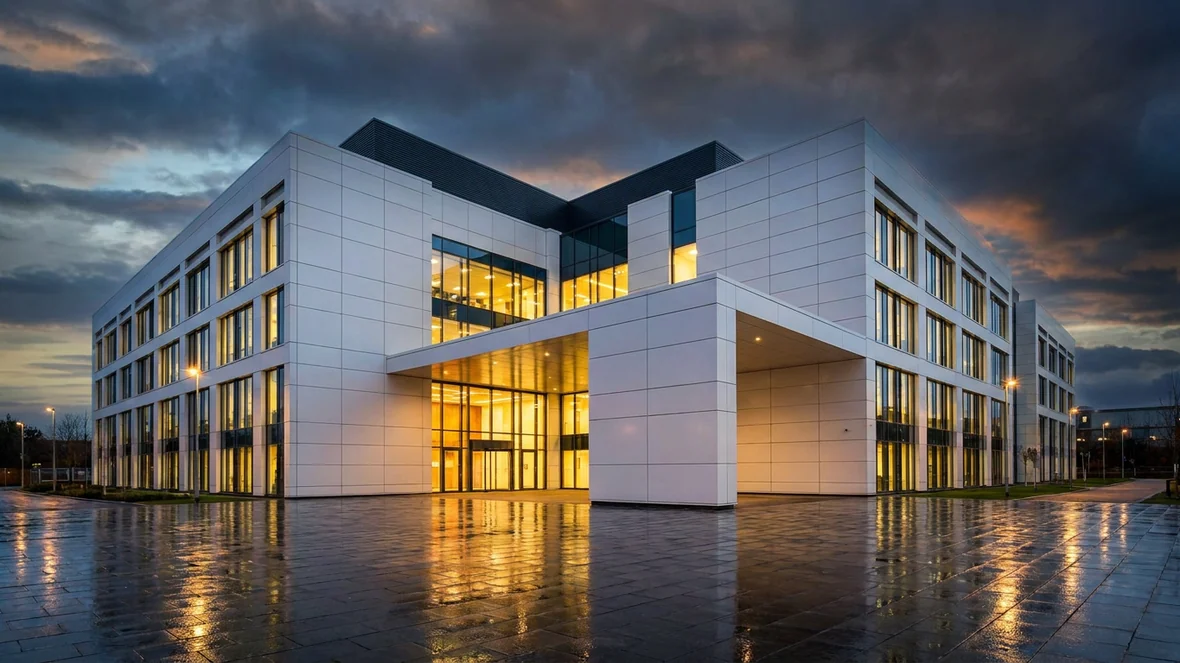
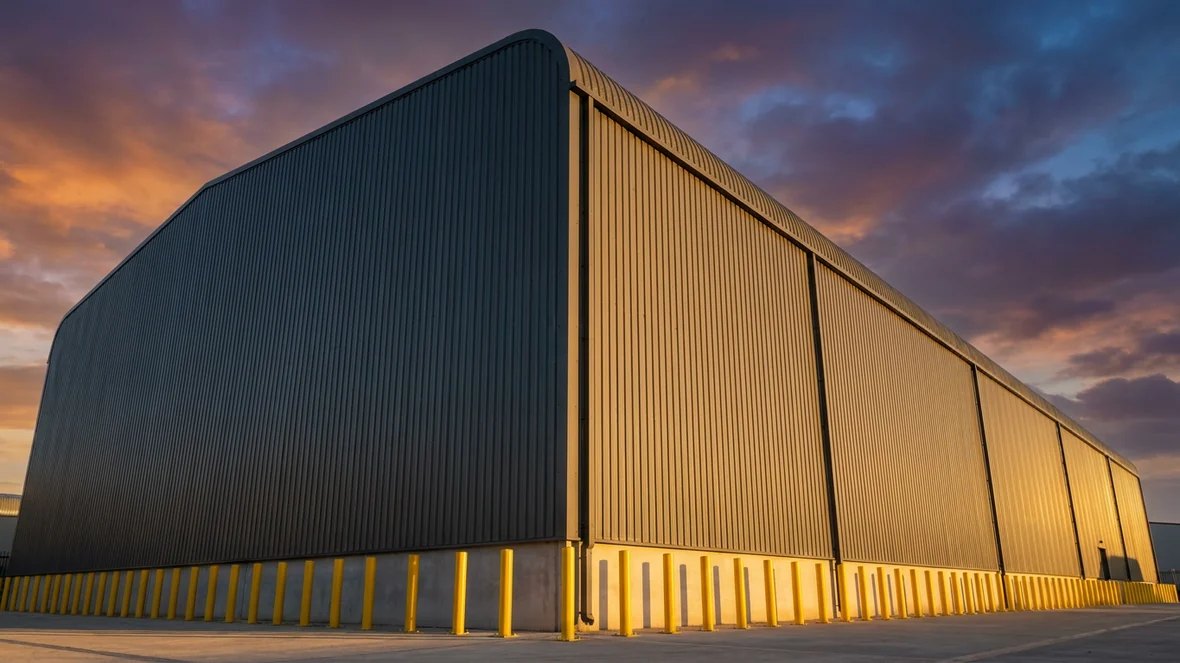
The city’s commercial buildings range from older brick and rendered frontages around the historic core to inter-war parades, converted houses in professional use, and modern office and business-park units on the edges. Each generation of building fails differently. Older brick needs to breathe and can be damaged by the wrong sealed product; render cracks and lets water travel behind it; modern masonry mostly suffers from age, movement joints and previous quick-fix coatings. We deliberately keep these descriptions general. Exposure and orientation matter too: a weather-facing rendered gable takes far more punishment than a sheltered courtyard elevation, so one building can need several different answers. Until a wall has been inspected, with the substrate identified and moisture measured, anything more specific would be guesswork dressed up as expertise.
The problems we refuse to coat over
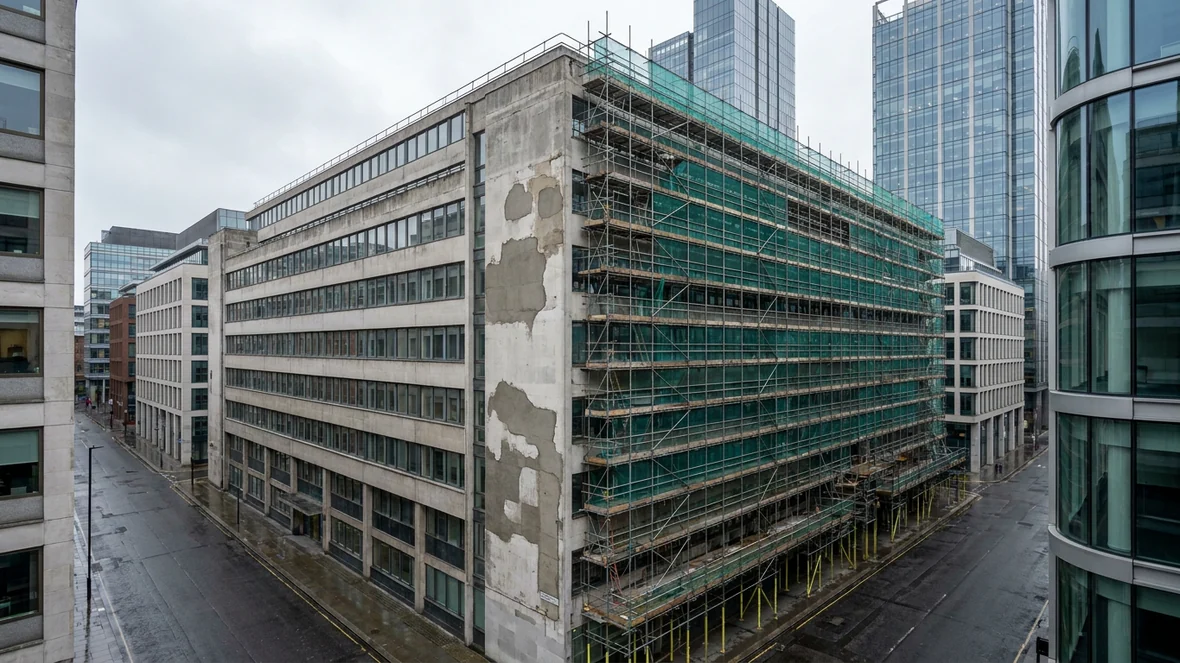
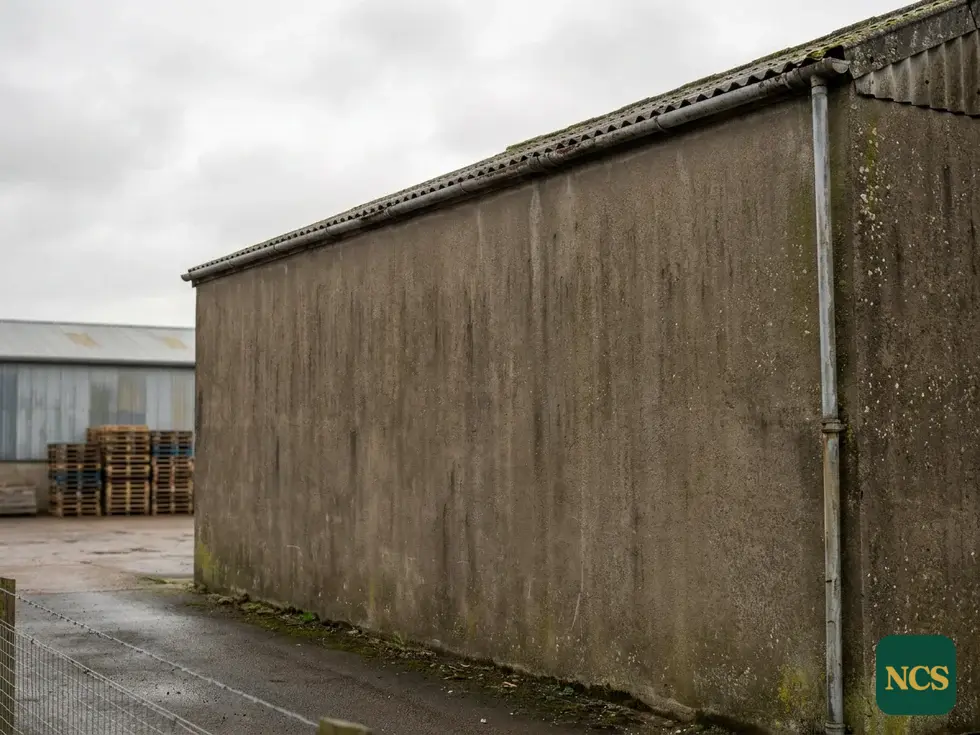
Part of being survey-led is reporting what the survey actually finds, including the findings that lose us work:
- Rising damp or a compromised damp-proof course
- Cracking that suggests live structural movement
- Walls being soaked by failed gutters, downpipes or roof details
- Saturated fabric that needs repair and drying time, not sealing in
- Previous coatings failing so badly that removal must come first
Each of those is a building fault with its own correct remedy, and a coating is not it. Our reports say so in plain English, with the order of works we would recommend instead. Where drying time is needed before any finish can be applied, the report says that too, with the programme adjusted to suit.
How the process runs across Hertfordshire
It starts with a conversation about the building and what is bothering you about it. Then a site survey: substrate, moisture, cracking, detailing, access and how the work would fit around your business hours. Findings and a recommended scope arrive in writing before you are asked to decide anything. The process is the same across the county and just beyond it, so premises in Hemel Hempstead, Hatfield, Watford and Luton are surveyed and specified exactly as a building in the centre of St Albans would be.
Why the survey-led model is worth holding out for
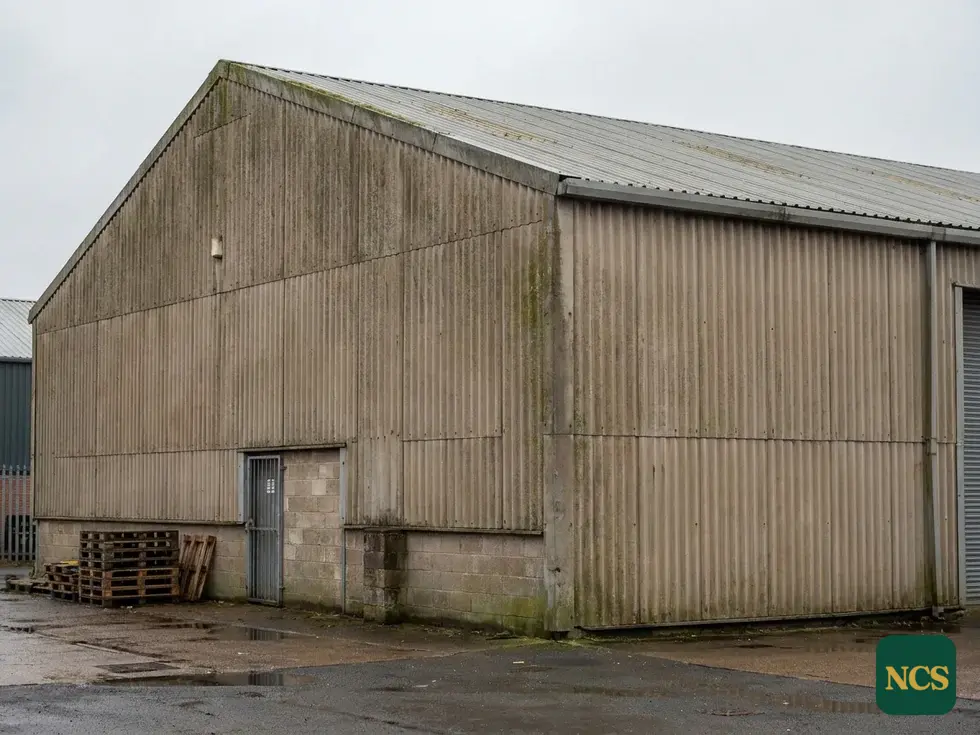
Exterior coating attracts firms that quote in minutes and specify by habit. The survey-led alternative is slower at the front end and far cheaper over the life of the wall: a documented diagnosis, a specification with reasons attached, repairs sequenced before finishes, and a contractor willing to say no when no is the right answer. For commercial buildings in a market like St Albans, where appearance carries direct commercial value, that is the standard worth insisting on before anyone opens a tin.