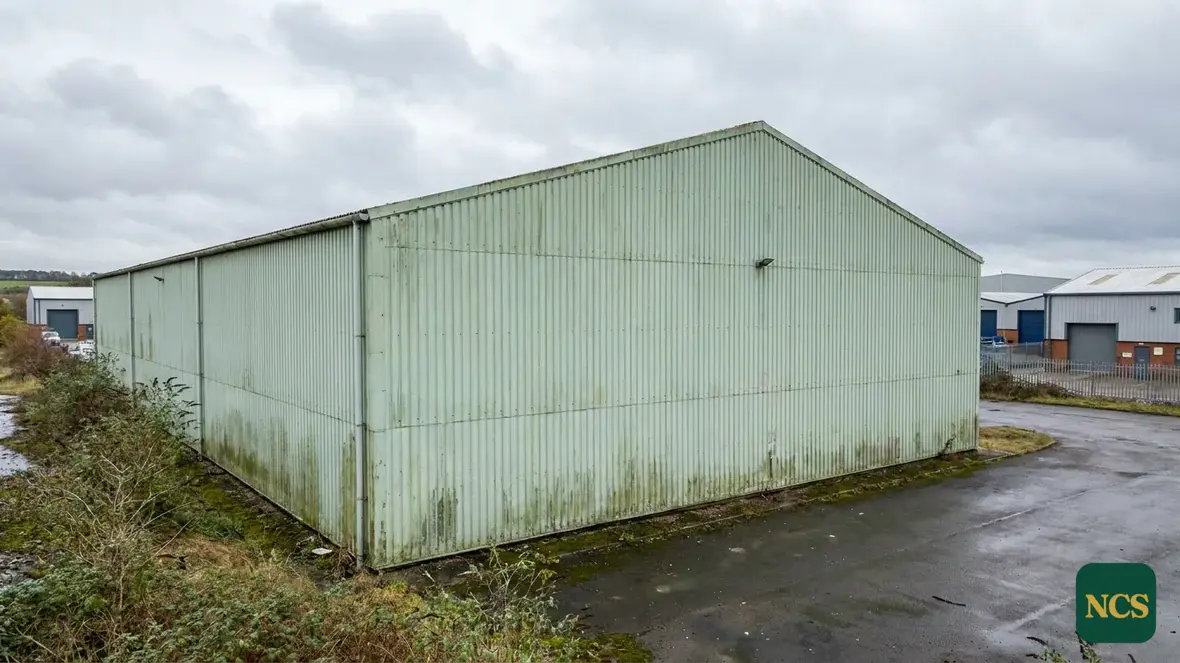
Cladding spraying in St Albans
St Albans trades on its appearance, and its commercial buildings have to keep up. Cladding spraying in St Albans restores faded steel and composite elevations on site, without stripping a single panel: offices, trade units, showrooms and retail buildings get their colour back, plus a new protective layer over the original factory finish, for a fraction of the disruption that recladding involves. Done at the right time, it also halts the slow creep of edge corrosion before it turns into a repair bill.
We are survey-led, which means the order of events never changes: inspect and test the building first, write the specification second, price it third. A quotation without a survey behind it is a guess, and we do not sell guesses.
The Hertfordshire stock this usually involves
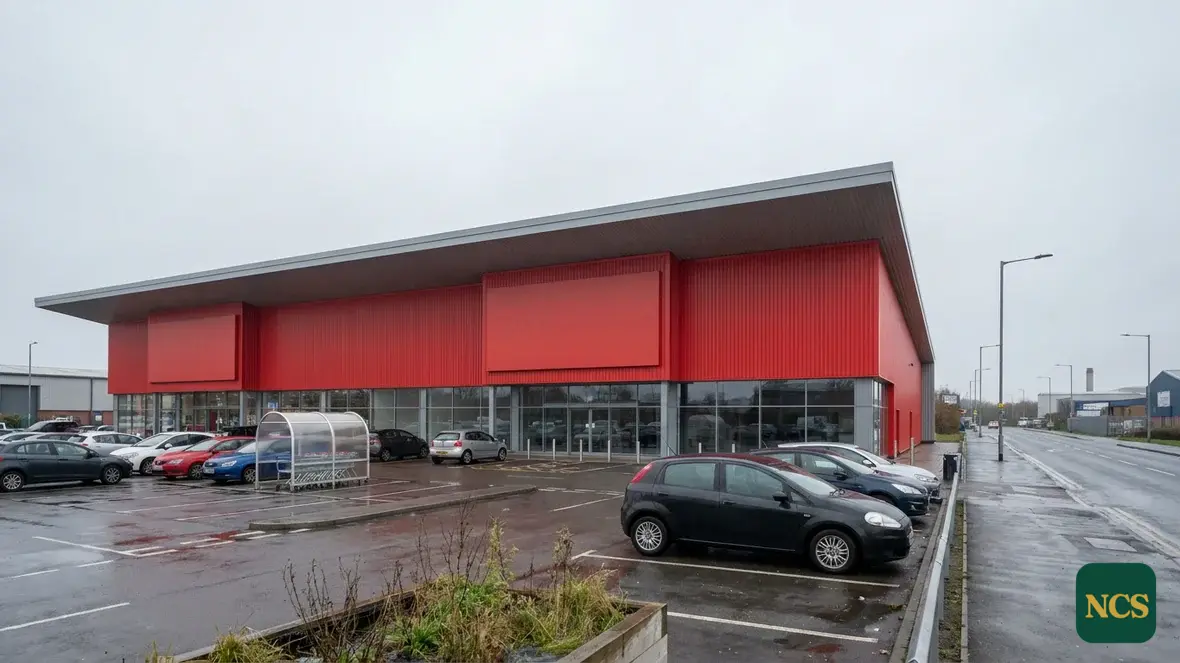
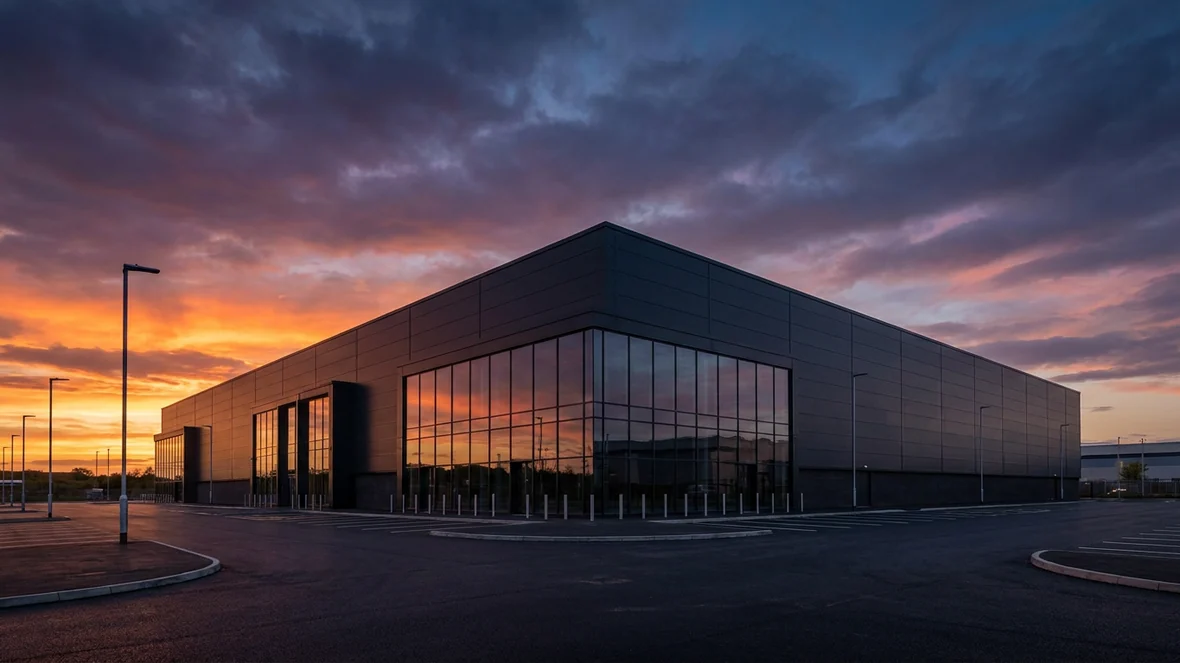
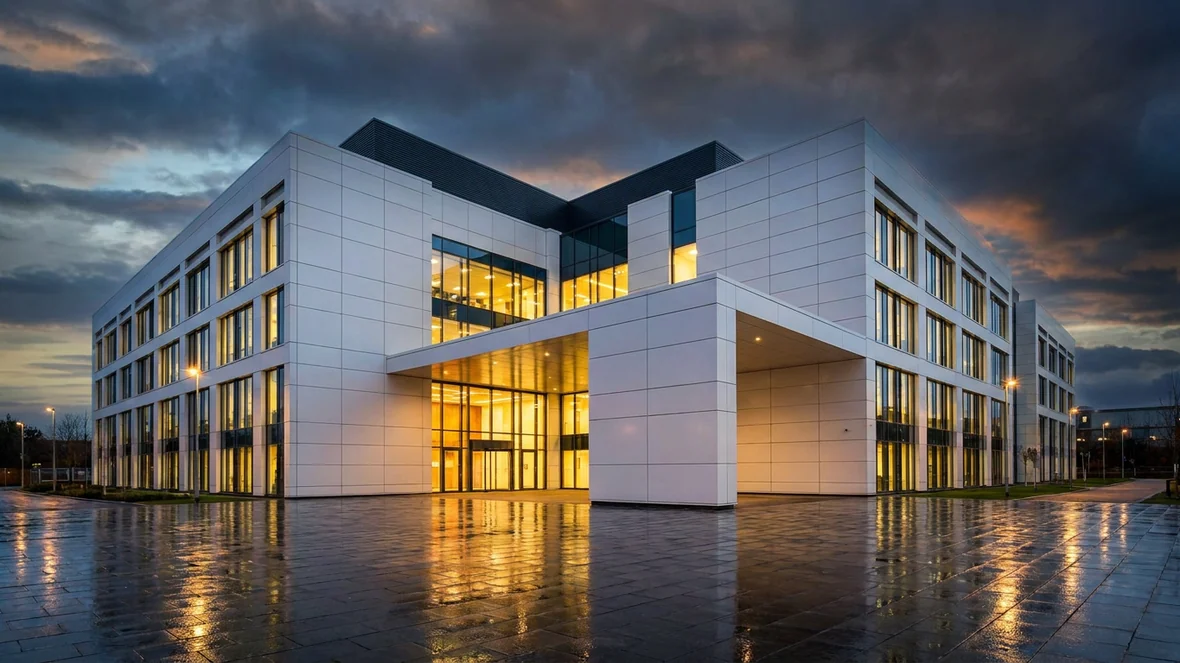
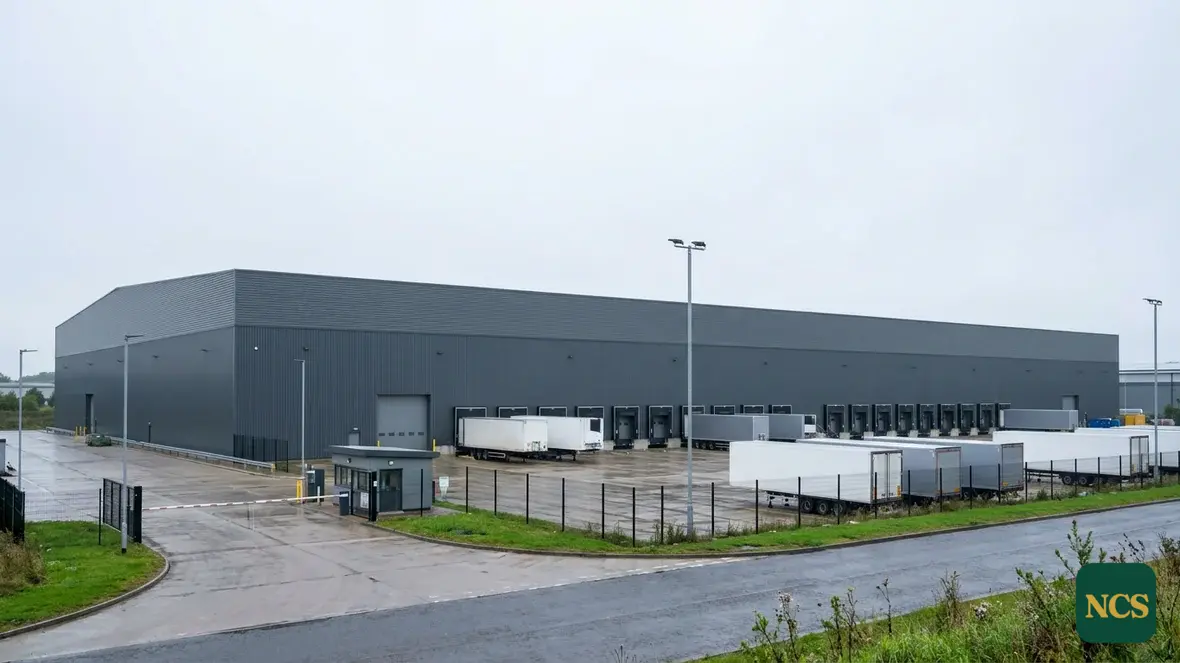
Around the city and along the M1 and M25 corridors, the typical candidates are business park offices with powder-coated framing, fascias, soffits and rainscreen details, trade and retail units in profiled steel, and warehouse and light industrial buildings in composite panel. Hertfordshire’s clad stock is generally younger than the industrial north’s, so the common complaint is appearance rather than crisis: uneven fading between elevations, chalking, staining under gutter lines, and early cut-edge corrosion that has not yet done structural harm. That is the ideal window for a respray. Colour change is as common a reason to call as weathering: new occupiers and rebrands can move a building to a completely different scheme during the same visit, with colours agreed before the first coat goes on.
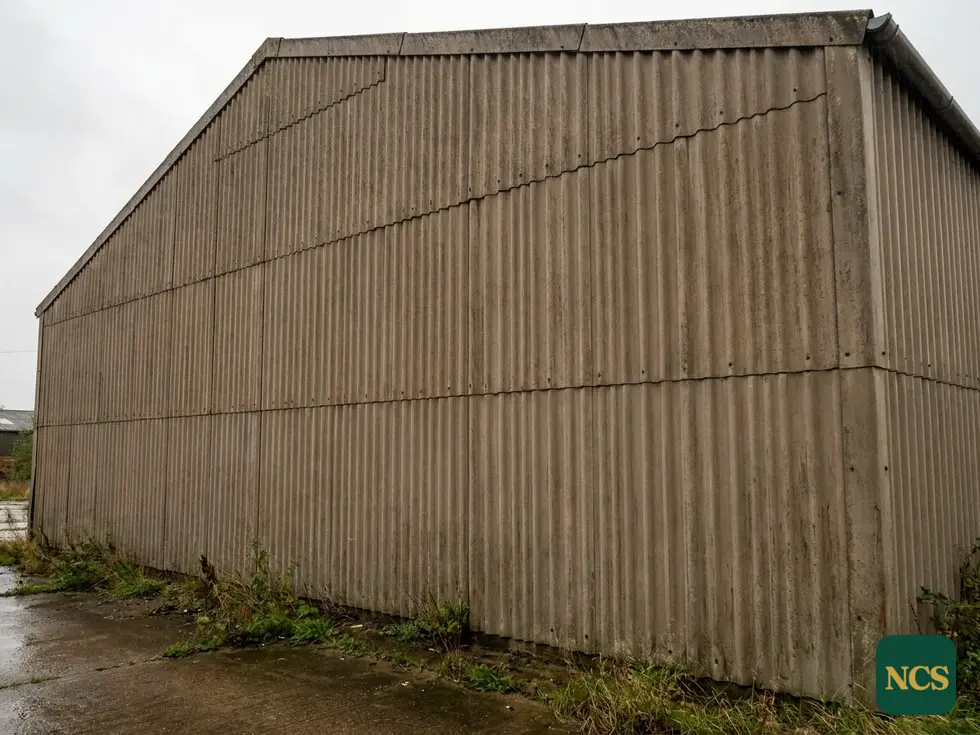
What survey-led actually means on site
Before anything is priced, a surveyor inspects the building, tests how well the existing coating is bonded, maps corrosion and damage, and notes the constraints that matter on occupied premises: parking, pedestrians, trading hours and neighbouring businesses. The specification that follows sets out preparation, repairs, edge treatment, the coating system and the colour scheme, and the programme is planned to keep the building usable throughout. Out-of-hours working is part of that conversation where daytime disruption is unacceptable.
- Inspection and adhesion testing before quotation
- A written specification covering preparation, repairs and the system
- Work phased around trading hours and occupied areas
- Full masking of glazing, signage, paving and parked vehicles
- Handover checked against the specification, not against memory
The same teams cover the surrounding towns, so buildings in Hemel Hempstead, Hatfield, Watford and Luton are surveyed, specified and delivered to exactly the same standard.
When honesty says do not coat
A respray suits sound buildings with tired finishes. It does not suit perforated sheets, delaminating composite panels, failed fixings or edge corrosion that has consumed the metal, and it cannot stand in for thermal or fire-performance upgrades where those are required. If the survey finds any of that, we will tell you in writing and explain what we would do in your position, even where the answer is repair or recladding by someone else. Spraying over a known fault is the one outcome we refuse to deliver. In practice, buildings caught early rarely fall into that category, which is one more argument for surveying sooner rather than later.
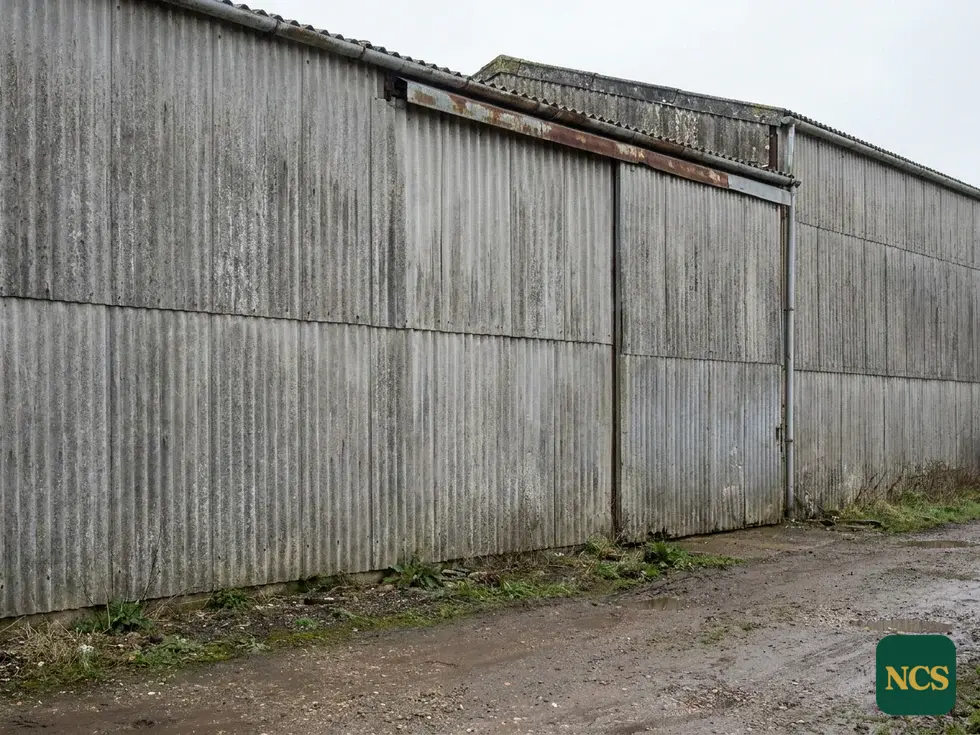
Choosing a contractor for a building you care about
The difference between coating contractors is rarely the paint tin. It is whether anyone competent stood in front of your building before the price was set. A survey-led contractor gives you tested evidence instead of assumptions, a written scope instead of a rate per metre, and a finished job that can be measured against its own specification. For commercial buildings in St Albans and across Hertfordshire, that is the approach we would want as the client, so it is the only one we offer as the contractor.