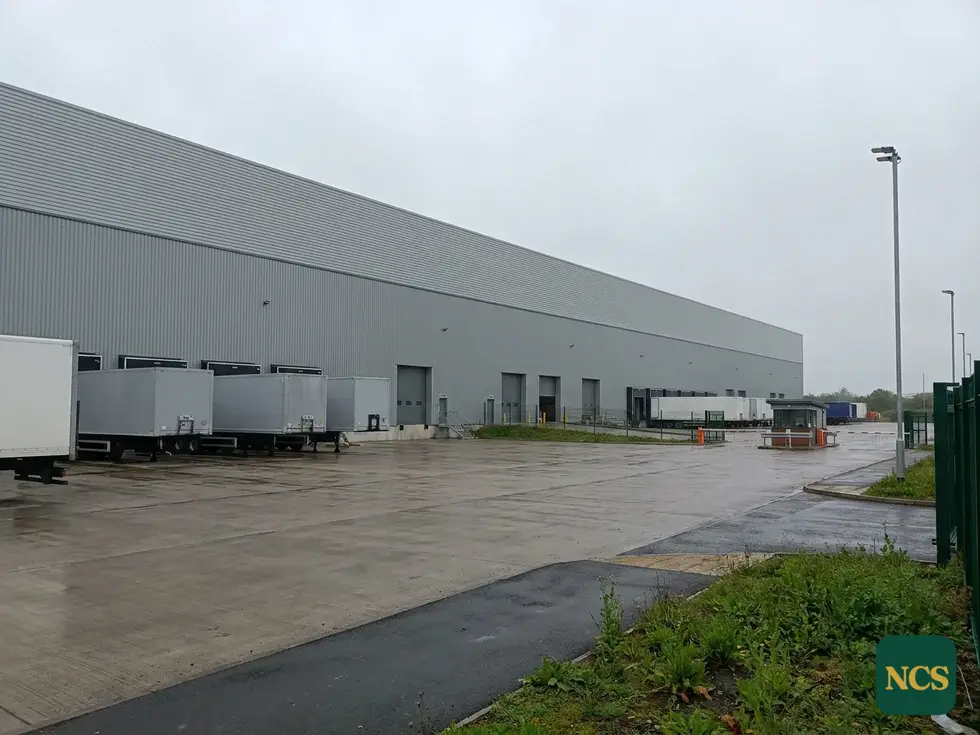
Leicester sits at the heart of England’s logistics geography. You’ve got distribution parks and manufacturing units where the roof doesn’t just cover a building, it covers a schedule. When a profiled metal roof in the East Midlands starts to leak, the first question your facilities teams ask isn’t about the roof itself. It’s about how much disruption the fix will cause. Industrial roof coatings are usually the answer that keeps the operation moving, and we deliver it survey-first across Leicester and the surrounding county.
Distribution roofs, manufacturing roofs and the cost of stopping
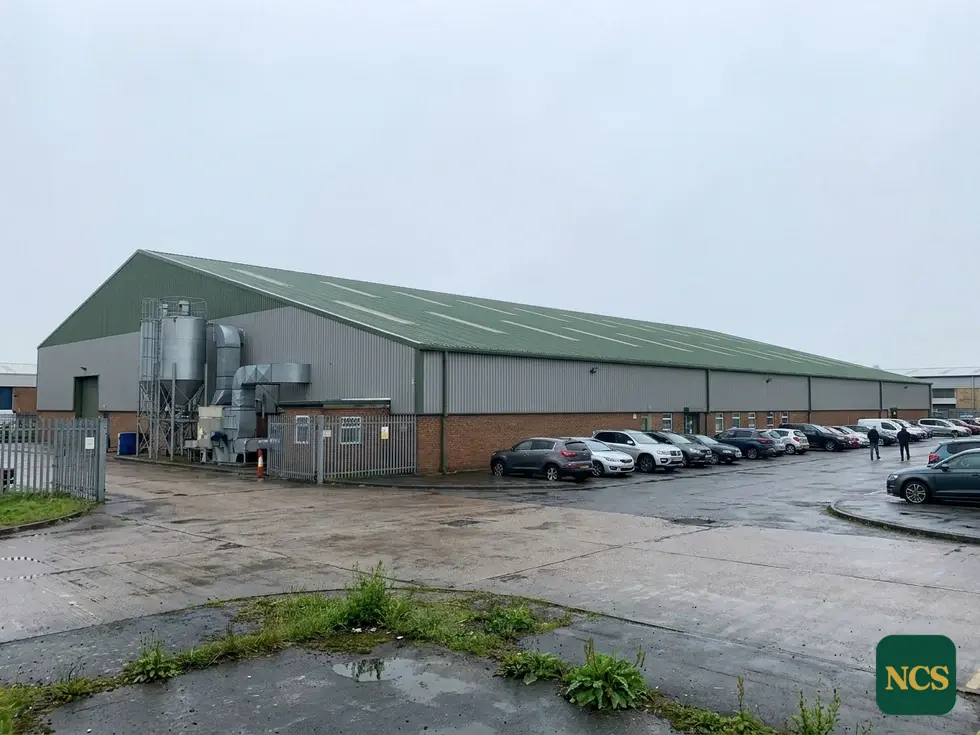
Alongside the big-box distribution stock that’s grown up around the motorway junctions, you’ve got Leicester’s older manufacturing base: food, textiles, engineering units. These roofs are twenty-five to forty years old now. Both types share the same covering, profiled steel sheet, and the same problem: the factory finish is reaching the end of its service life. Replacement means months of programme, scaffolding, exposed bays and arguments about who pays for stock damage. Coating means an external works package over a closed roof. For a building that earns its keep every hour, that difference usually decides the matter, provided the roof qualifies.
Why this generation of metal roof fails from the edges in
The sheets themselves are rarely the first thing to go. Failure starts at the details: the cut edges at end laps and eaves where the factory finish doesn’t cover the bare steel. It’s the fixings whose washers have hardened, the gutter joints and rooflights that have aged faster than the metal around them. Cut-edge corrosion is the headline issue, rust creeping back beneath the finish from every exposed edge. On roofs of this age in Leicester, we expect to find it. Found early, it’s a preparation-and-priming exercise. Found late, it’s holes.
Survey-led quoting, not guesswork
Any contractor can price a roof from an aerial photo. The number just won’t mean anything. We walk the roof. We document sheet condition. We map the spread of cut-edge corrosion, test our way along gutters and rooflights, and trace internal leak marks to their actual entry points, which are often metres from where the drip lands. You get the findings, photographs and a recommendation you can put in front of a budget holder. If part of the roof needs sheet repairs before industrial roof coatings, the quote says so up front rather than as a variation later.
How we keep a live site live
Our site method is built around operations that can’t pause:
- Programme agreed around your shifts, peaks and dispatch windows
- No strip-off and no open roof at any point
- Exclusion zones and protected walkways agreed with your safety team
- Sections above sensitive areas coated at the times you nominate
- Daily progress reports to a named contact on your side
The aim is simple: the roof gets ten or more years of renewed service and the operation underneath never notices the work happening.
When coating would waste your budget
If the survey finds perforated sheets across large areas, corrosion driven from the underside, saturated insulation or a deck that’s reached the end of its structural life, coating is the wrong spend. We’ll say so in writing. Replacement or overcladding becomes the honest recommendation, whoever ends up doing it. A coating system extends the life of a roof that still has life to extend. We hold that line in Leicester as we do everywhere else we work across the UK.