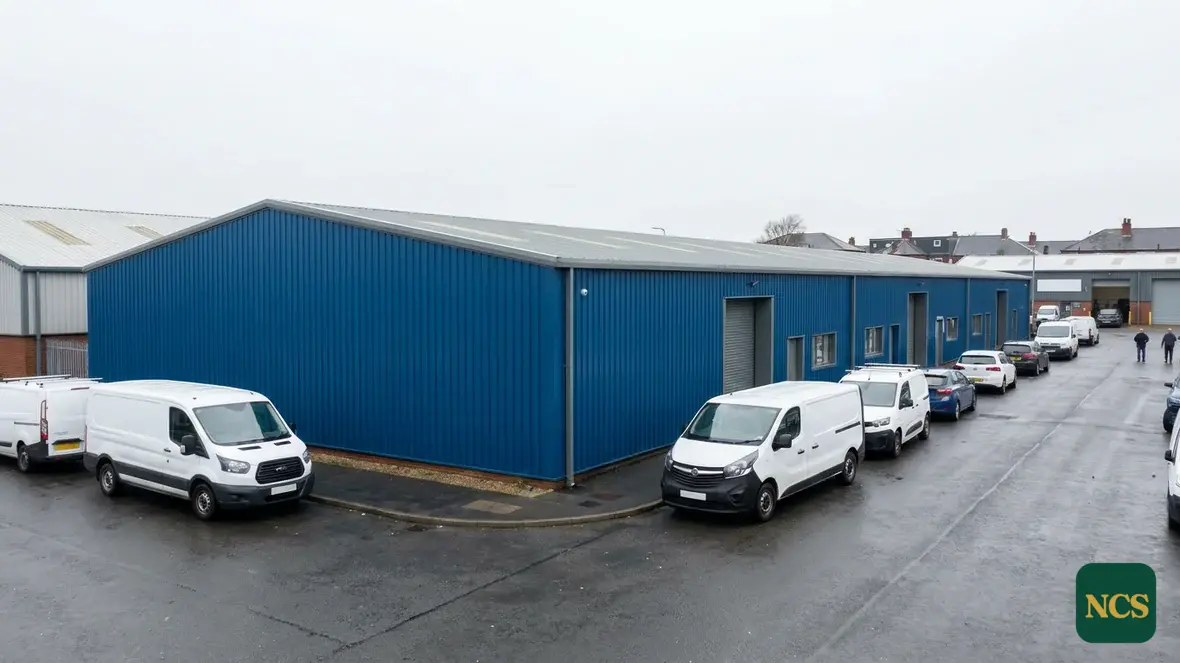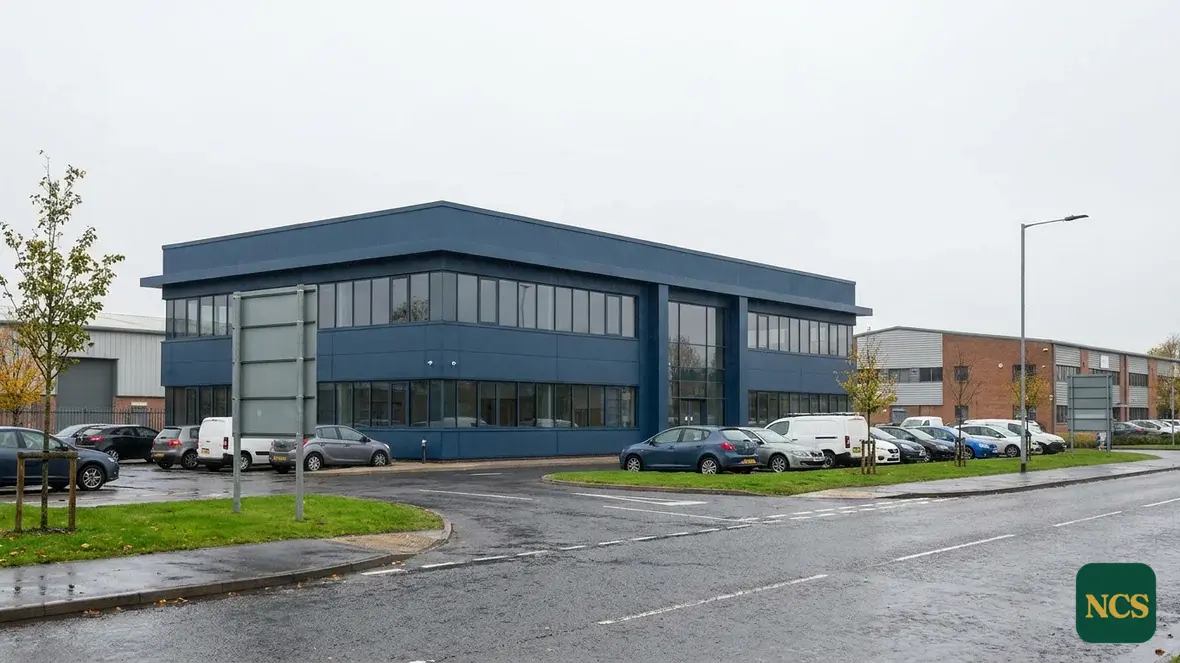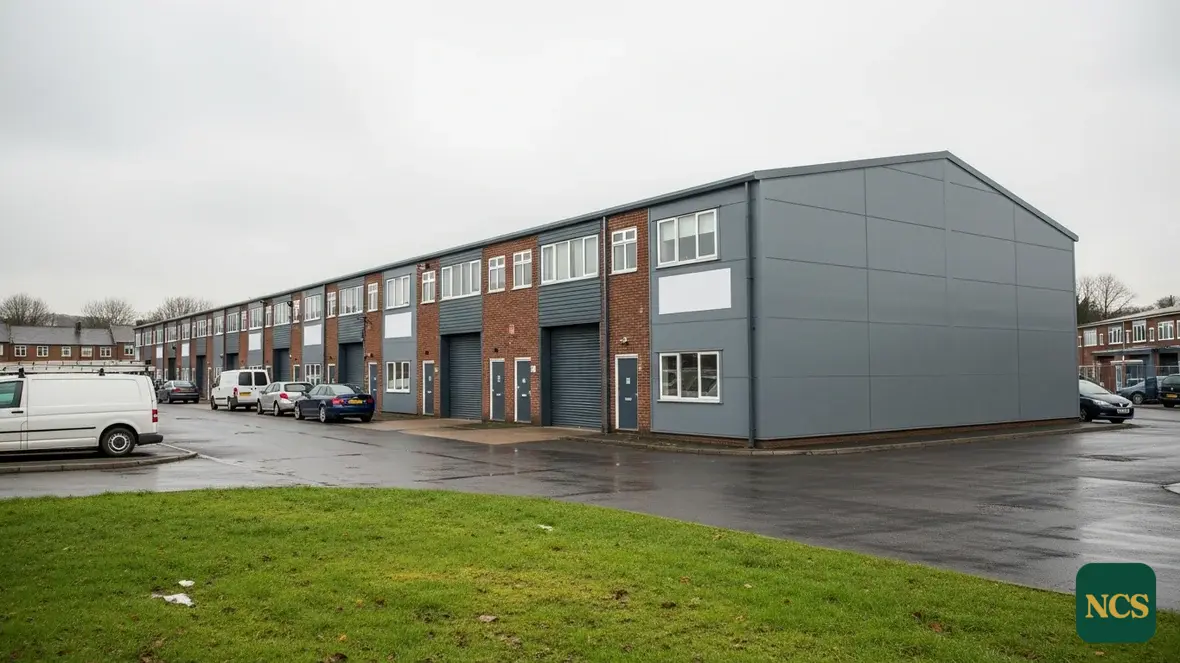
Cladding spraying in Leicester
Leicester is a city of industry and logistics, and the buildings that keep it moving are often clad in steel. When those facades start to fade, chalk, or show rust along their cut edges, but the panels themselves are still sound, cladding spraying in Leicester is the practical way forward. It’s a new finish, applied on site, for a fraction of what replacement would cost, and your business keeps trading underneath.
We work survey-led. That phrase isn’t just marketing fluff. The inspection dictates the spec, the spec dictates the price, and we won’t promise anything until we’ve looked at your building. Sometimes, it means the job is smaller than you thought, and sometimes, it means no job at all.
If your Leicester unit needs the cladding painted, the survey decides if a respray restores it or the panels are past saving, and you get that answer straight.
From enquiry to inspection to finished facade
The process is straightforward, deliberately so. You get in touch, we arrange access, and a surveyor gets up close with the cladding. We check the panel type, how well the old finish is holding on, any corrosion at the edges and laps, what repairs are needed, and what the site itself means for access and masking. You get the findings back in writing, with a specification built from them.
If you decide to go ahead, the real work starts with preparation. That’s where most of the time goes: cleaning, rust treatment, dealing with edges and repairs, then masking, then the controlled spray application, and finally, we check every elevation before we hand it over. We follow the exact same process in Loughborough, Hinckley, Market Harborough, Coalville, and the rest of Leicestershire.
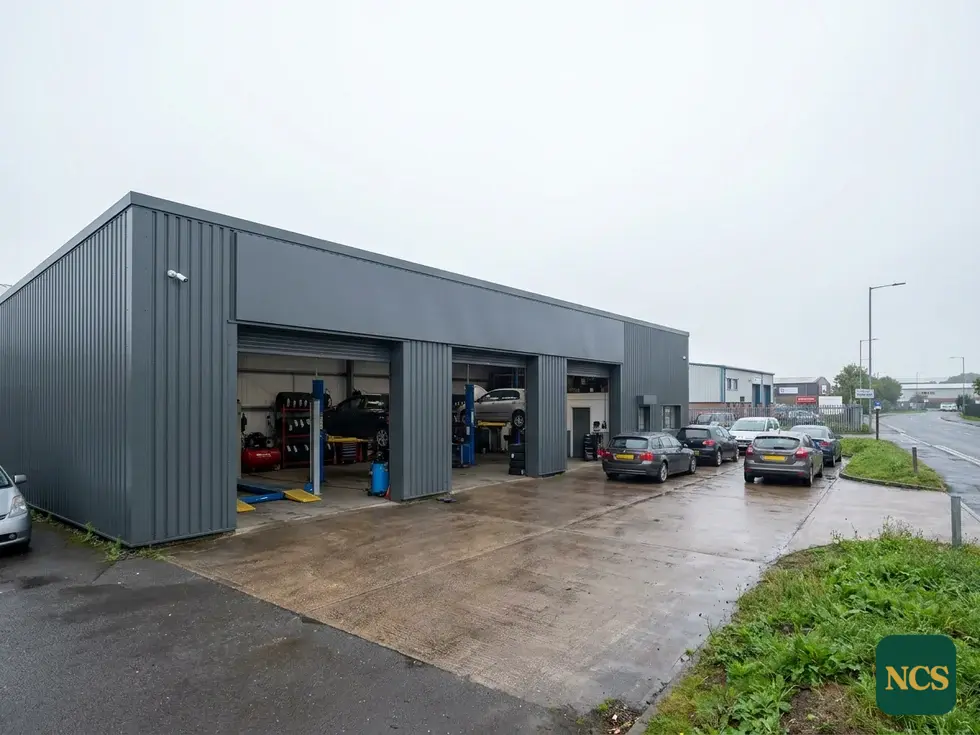
The stock we tend to see across the county
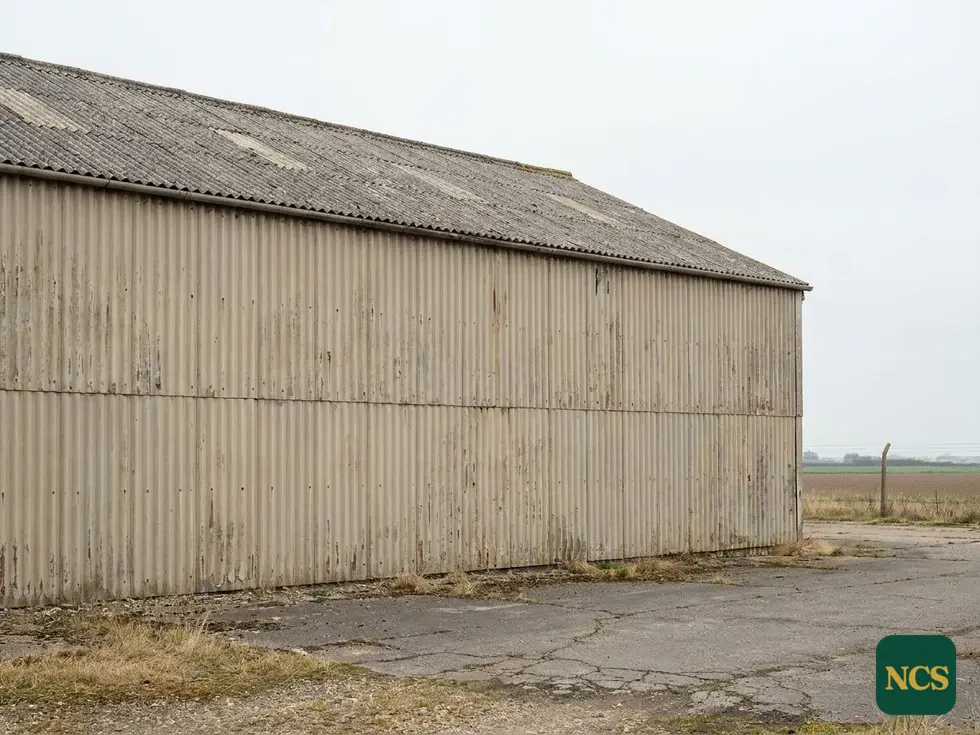
Leicestershire throws up a good mix for a surveyor: manufacturing units that have seen decades of service, distribution sheds dotted near the motorways, trade parks, retail units, and clad office blocks. But across all of them, we keep seeing the same problems:
- Chalking, where the coating breaks down to a powder.
- Uneven fading on the elevations that face the weather.
- Cut-edge corrosion creeping along sheet ends and panel laps.
- Sealant lines and flashings that have given up.
- Impact damage from vehicles around loading doors and routes.
Most of these can be fixed if you catch them in time. That’s the main reason not to ignore them. There’s often a commercial rhythm to it too: units getting a fresh coat between tenants, whole estates brought under one colour scheme before they go to market, or facades tidied up at the end of a lease. The reason for the work changes, but the method stays the same.
When we advise against spraying
Catch some of those defects too late, and spraying isn’t the answer. Corrosion that’s gone through a sheet, panels delaminating, fixings that are shot: these need proper repair or replacement before we even talk about a coating. Our survey reports tell you that plainly, no soft-pedalling.
We’d rather tell you upfront than find it out halfway through a job. If spraying isn’t right for your building, you’ll hear it from us first, with the reasons written down. Most buildings we survey are suitable, but the point is, we identify the ones that aren’t before any money is wasted.
Survey-led, and why it should matter to you
Plenty of firms can spray a panel. The harder questions are: should that panel be sprayed at all? What prep does it need? And what will the job really involve once we know its true condition? A survey-led contractor answers all three before asking you for a decision.
That’s what we offer building owners and managers in Leicester: an honest inspection, a written specification, and a finish applied to a surface that we’ve properly understood. The colour comes after that foundation, not instead of it. Any existing scheme can be matched once the surface is ready, which is why the preparation gets all the attention.