Commercial wall coating in Leicester
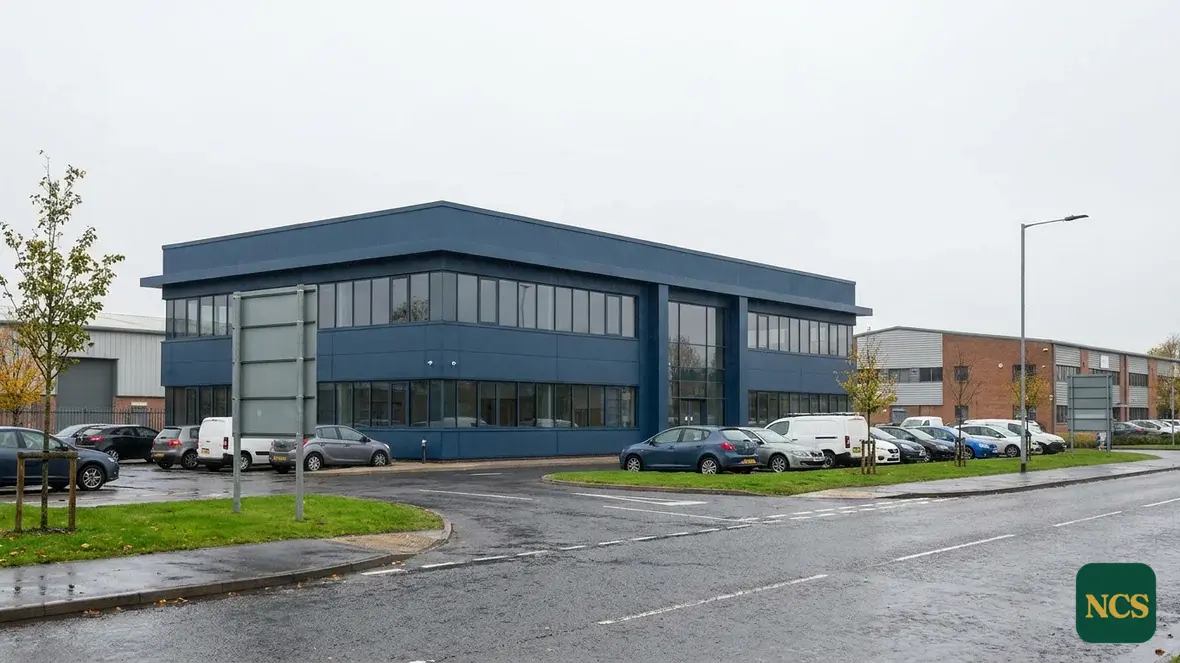
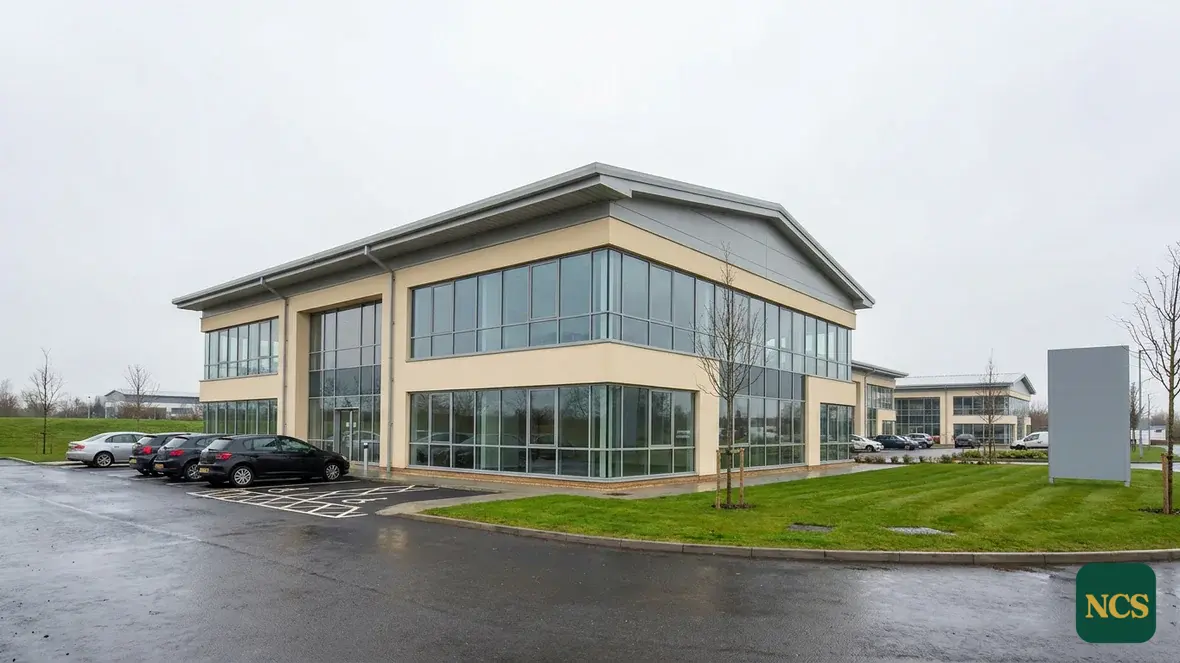
Walk the commercial streets here and you’ll see a city built on brick. Former hosiery and knitwear factories, Victorian parades, workshops and warehouses dominate, with post-war offices and modern estate units dotted in between. For us, commercial wall coating in Leicester is mostly about tackling that inheritance. These are walls that have stood for a century or more, absorbed decades of repaints, and now need something far better than another coat of masonry paint. A properly surveyed coating system can seal weathered brick, bridge crazed render and bring a patched-up frontage back to a consistent finish. But we always survey first. The age and sheer variety of the buildings mean no two walls ever turn up in the same state.
What the city’s commercial walls are typically made of
Across Leicester and the wider county, the elevations we usually get called out to coat typically fall into one of these categories:
- Brick former factories and workshops, often painted over many times through the years.
- Victorian and Edwardian shop parades, with rendered or painted upper floors.
- Post-war brick and concrete offices, showing patch repairs and staining.
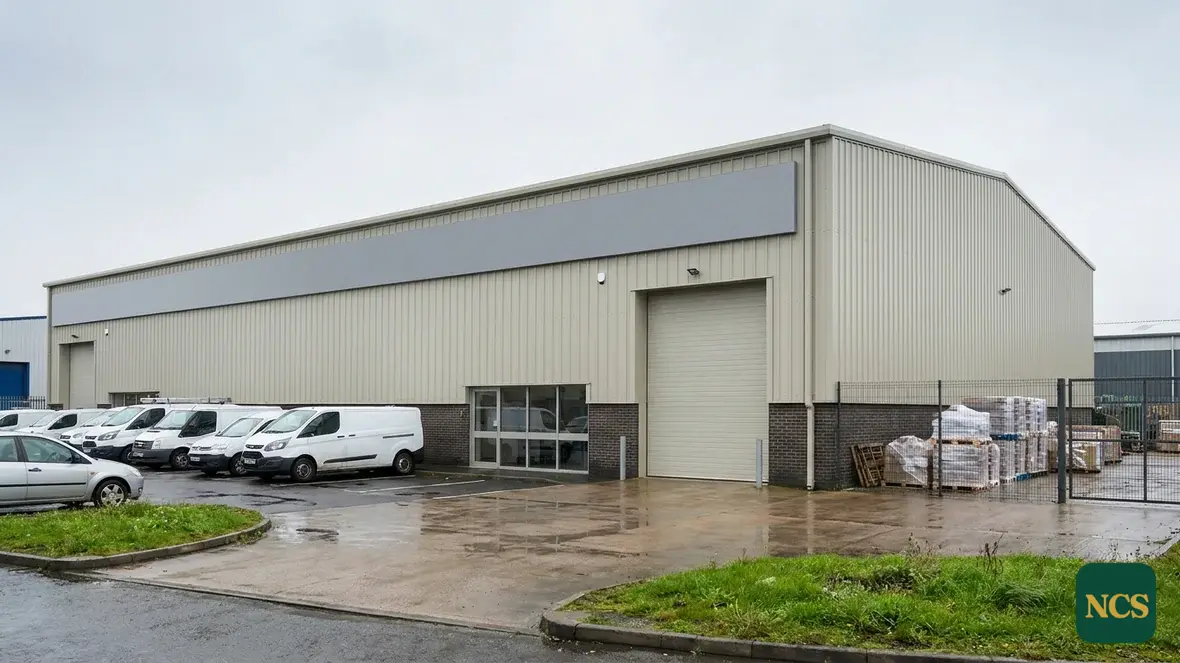
- Industrial and trade units on Leicestershire’s estates, with faded or chalking finishes.
- Modern thin-coat render on newer commercial buildings, often weathering prematurely.
Each type brings its own preparation challenges. Old paint layers might need stripping, not just painting over. Soft brick needs to breathe. And we have to sort out any cracks or hollow patches in render before we put any system on.
Why we put a surveyor in front of every wall
The maths for coating is simple: the prep and the diagnosis dictate how long it lasts, the product does the rest. A surveyor on site will find things a photo never shows. How damp is the wall? Are the existing coatings still sound? Has the render lost its key? What will the repairs actually involve? If we price without that knowledge, we’re either padding the quote to cover unknowns, or we’re cutting corners when those unknowns pop up. Neither helps the building owner. That’s why our prices only ever come after an inspection and a written specification.
If you are comparing commercial painting contractors in Leicester, ask each one what happens to the cracked render before the finish goes on. That answer separates painting from decorating.
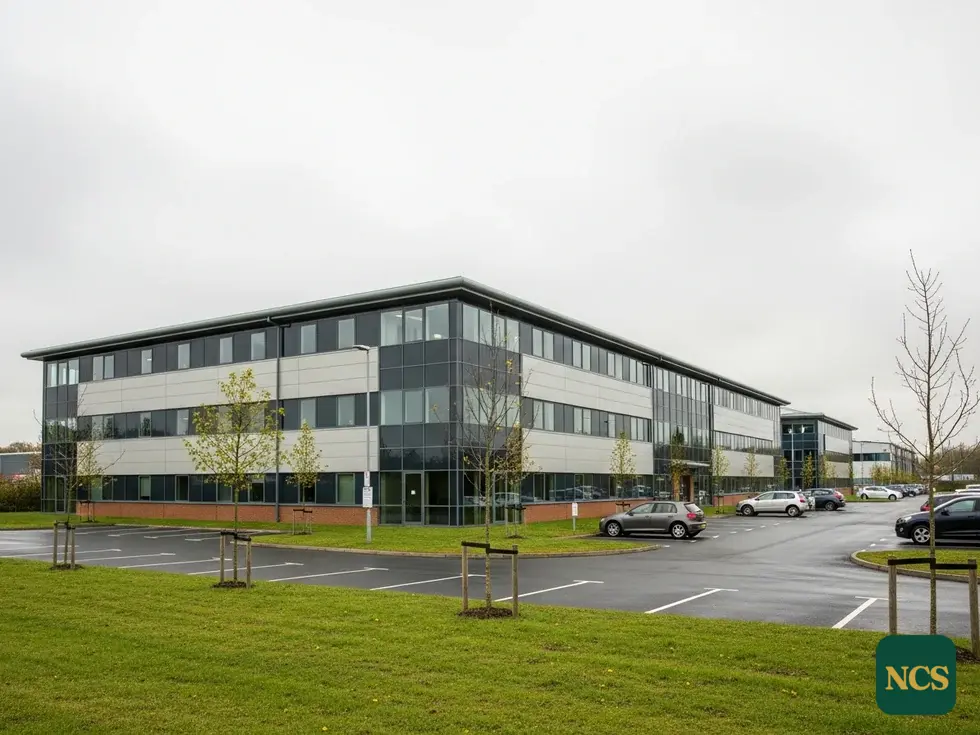
The process, step by step
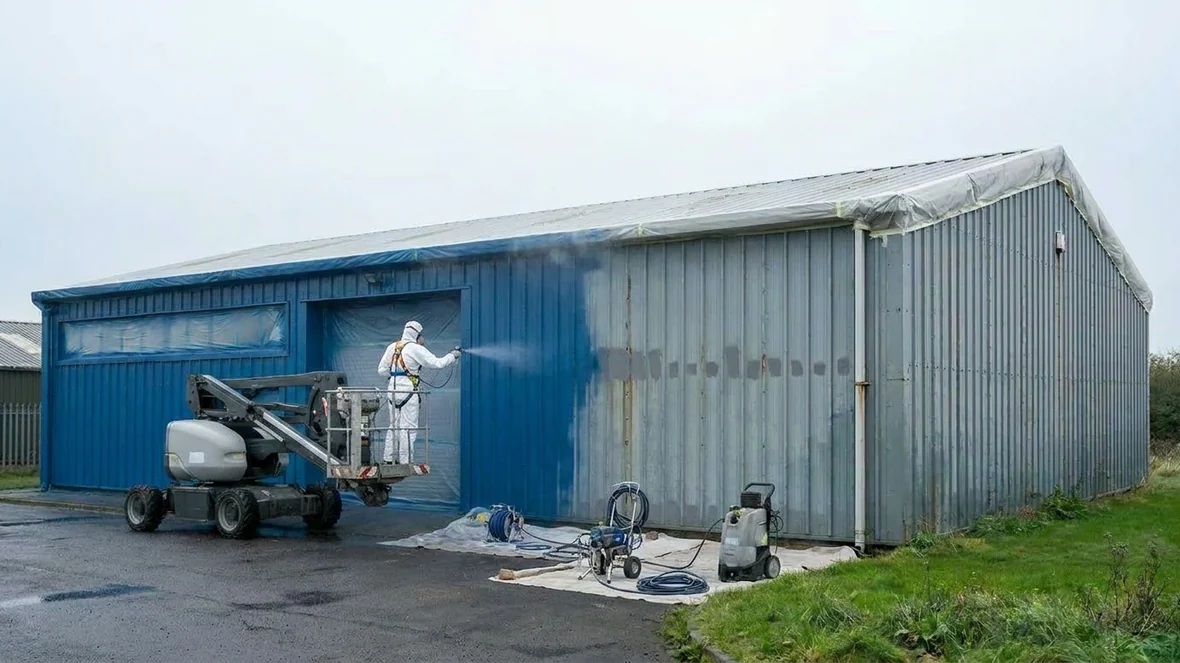
It’s always the same sequence: survey, report, specification, price, repairs, coating, then sign-off. The survey records the substrate, how much moisture is present, and any defects on each elevation. The specification details the preparation work, the repair schedule and the coating system we’ll use. Then we build the price based on that document. We complete and check all repairs before we even start coating. At the end, we review the finished work against the agreed standard. This sequence applies across the county. So if you’re in Loughborough, Hinckley, Market Harborough or Coalville, we handle your premises exactly as we would a frontage in the centre of Leicester.
When a coating would be the wrong spend
Some walls need something else first. Some need something else entirely. If masonry is saturated because of failed gutters, downpipes or copings, we need to repair and dry it out before we even talk about coating. Large areas of debonded render need stripping off, not just painting over. Any active structural movement needs investigating before you even think about decorating. Some older solid-wall brick is best repointed and left breathable. And if your building has conservation or listed status, consent comes before any specification. If our survey finds any of these issues, the report will state it plainly and set out a better path. An honest ‘no’ at the survey stage costs you nothing. A coating over a known fault will cost you twice: once now, and again when it fails.
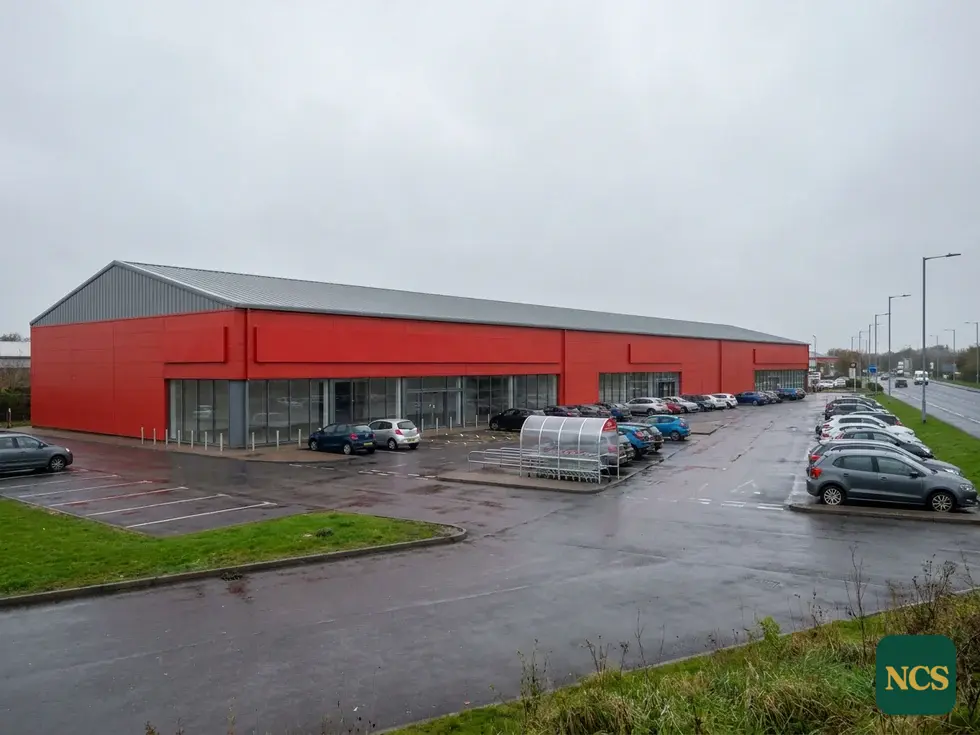
What a commercial wall coating survey in Leicester looks at
National Coating Specialists carries out commercial wall coating work in Leicester and the surrounding area. Every building is assessed on its own condition first. The survey weighs up the points that decide whether coating, repair or replacement is the right route:
- Local Leicester authority and planning considerations for external wall changes.
- Concrete examples of property types and streets/business parks in Leicester served.
- Detail on coating systems used (acrylic, silicone, elastomeric) and guarantees.
- Clear explanation of process from survey to completion with timescales.
- Evidence such as case studies, photos and testimonials from Midlands projects.
Related survey-led services
Cladding SprayingSurvey-led cladding spraying for commercial and industrial buildings across England.
Industrial Wall CoatingsSurvey-led industrial wall coatings for commercial and industrial buildings across England.
For a survey-led assessment of your building in Leicester, request a free site survey.