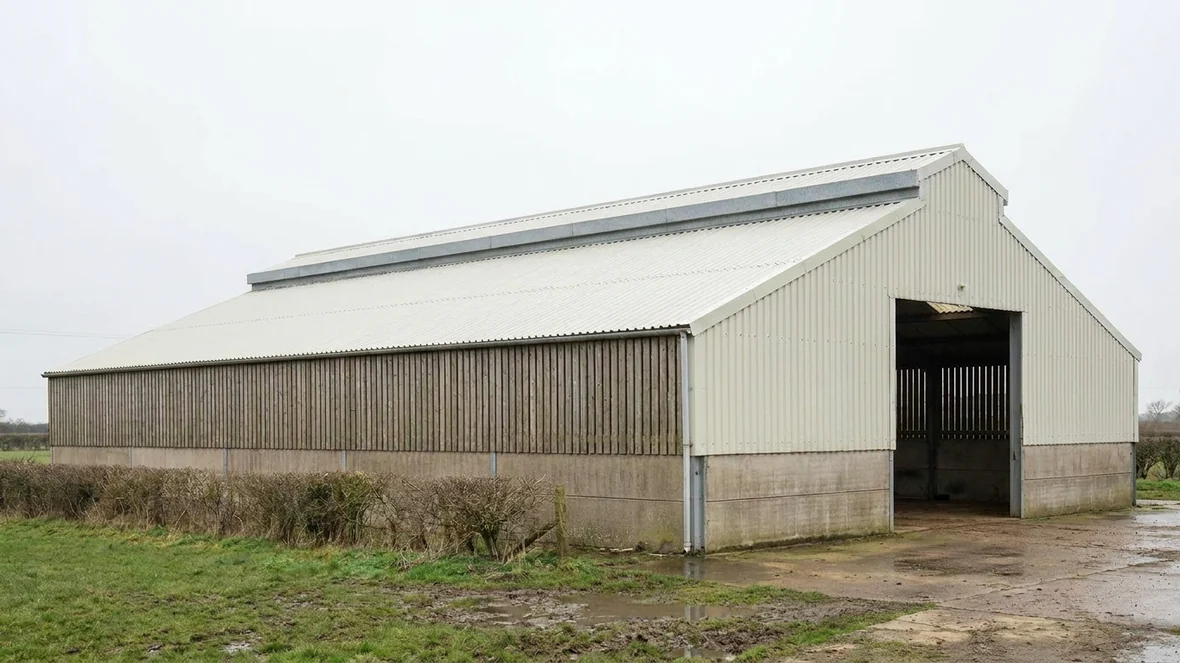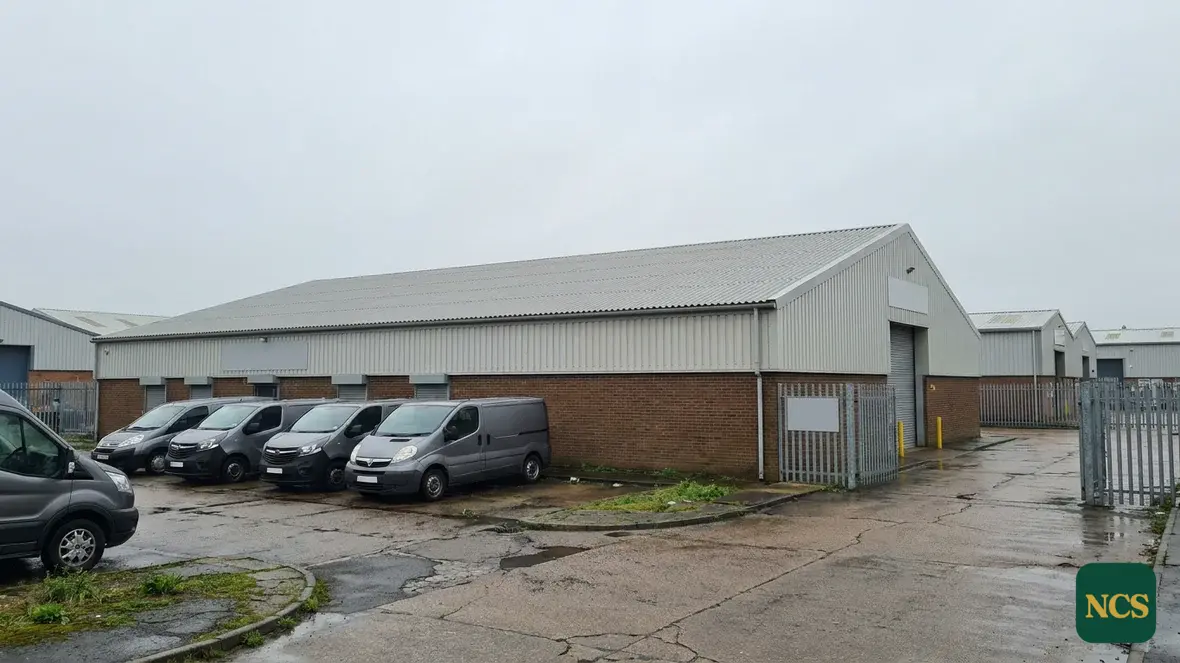




Leicester’s factory and warehouse roofs
Walk around Leicester and you’ll see the legacy of its industrial past: factory units, warehouses, trading estate sheds, many put up or extended between the 60s and 80s when asbestos cement was the go-to for an economical roof. Asbestos roof encapsulation Leicester factories and farms choose is how most of those sound sheets get dealt with today. Head out into the county and there are plenty of farm buildings with the same grey corrugated sheets. Decades on, these roofs are often weathered, covered in moss, and letting in water at the laps and rooflights. As the owner, you’ve got a legal duty to manage what’s up there.
If the sheets are still sound, encapsulation is a way to meet that duty without the massive cost and disruption of ripping the whole thing off. If a roof’s past that point, we’ll tell you straight: you need a different answer. We don’t mess about.
Asbestos cement sheets around Leicester chalk and grow moss long before they fail. Asbestos roof encapsulation Leicester factories and farms choose over a strip-out keeps the fibres locked in and the roof watertight. An encapsulating paint coat on surveyed sheets keeps the weather out and the fibres in.
Sealing sound sheets instead of stripping them
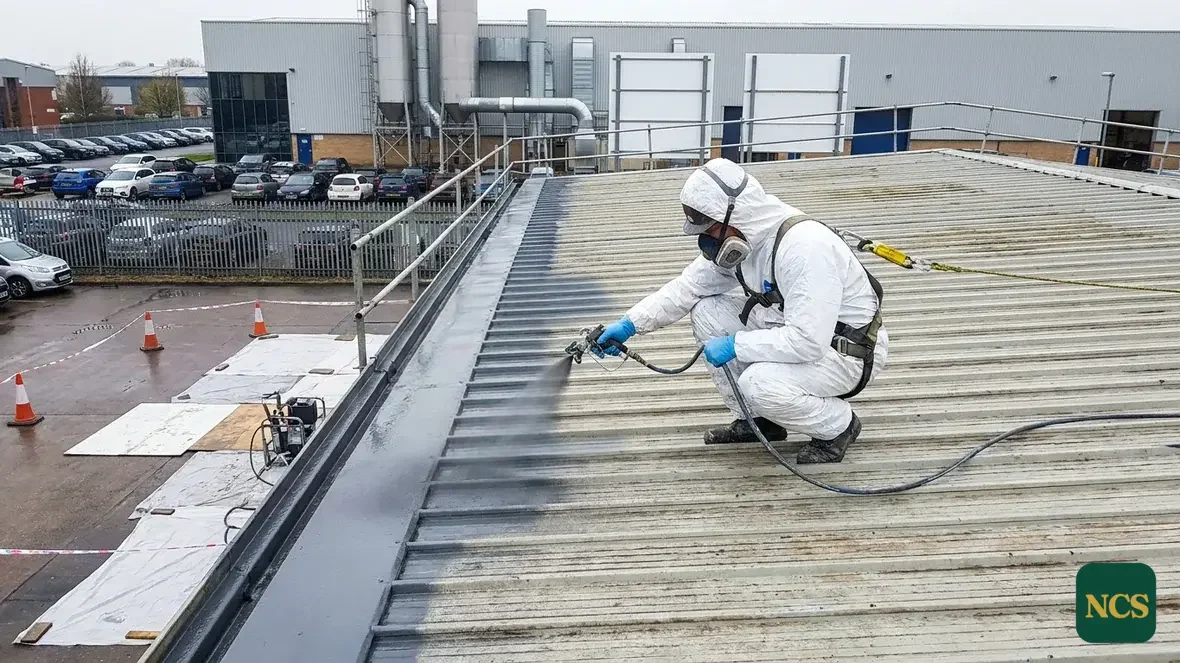
Encapsulation works because asbestos cement, when it’s intact, isn’t high risk. The fibres are locked in the cement and only get released if the sheets are broken, drilled, or badly eroded by years of weather. Our programme starts with a controlled clean, then we fix any loose fastenings, laps, and flashings. If a few isolated sheets have failed, we’ll replace them if it makes sense. Finally, we seal the whole roof with a coating system designed specifically for asbestos cement.
You end up with a watertight roof that won’t shed fibres or dust, and we do it all while your building stays in use. No need to schedule around tenants for a strip-out, no huge disposal costs, and it’s usually a lot cheaper than re-sheeting. For an occupied unit in Leicester, those are usually the deciding factors.
Compliance, registers and management plans
The Control of Asbestos Regulations 2012 put the duty to manage squarely on whoever controls a non-domestic building. It’s not vague: you have to identify asbestos-containing materials, record their condition, review it, assess the risk, and keep a written management plan. Sound material doesn’t have to go; it just has to be managed and kept sound. An encapsulated roof ticks that box directly. Our survey and completion records become part of your asbestos register, giving you clear, documented proof that you’ve assessed and improved the material’s condition.
The roofs we turn down
Not every asbestos roof should be coated. We walk away from the ones that shouldn’t. If the sheets are friable, soft, delaminating, or badly cracked, coating them is pointless. You’re just hiding a continuing failure and throwing money away. For a roof in that state, the only correct path is removal by a licensed asbestos contractor and a full replacement.
If that’s what our survey finds, that’s what our report will recommend. The survey decides, not some sales patter. If the deterioration is only in specific areas, then partial sheet replacement combined with encapsulation of the rest can be a sensible middle ground, but we’ll only know for sure after an inspection.
A survey decides
We’re a survey-led contractor, based in the South East but working right across the UK, including Leicester and the wider East Midlands. When we visit, we’ll establish:
- If the sheets are sound enough to encapsulate
- What repairs and isolated replacements are needed before we coat
- The condition of rooflights, gutters, and flashings
- How the work will fit into your asbestos management plan
If your building has an old asbestos cement roof, get it assessed while encapsulation is still an option. Weather only goes one way, and so does the cost of fixing it further down the line.
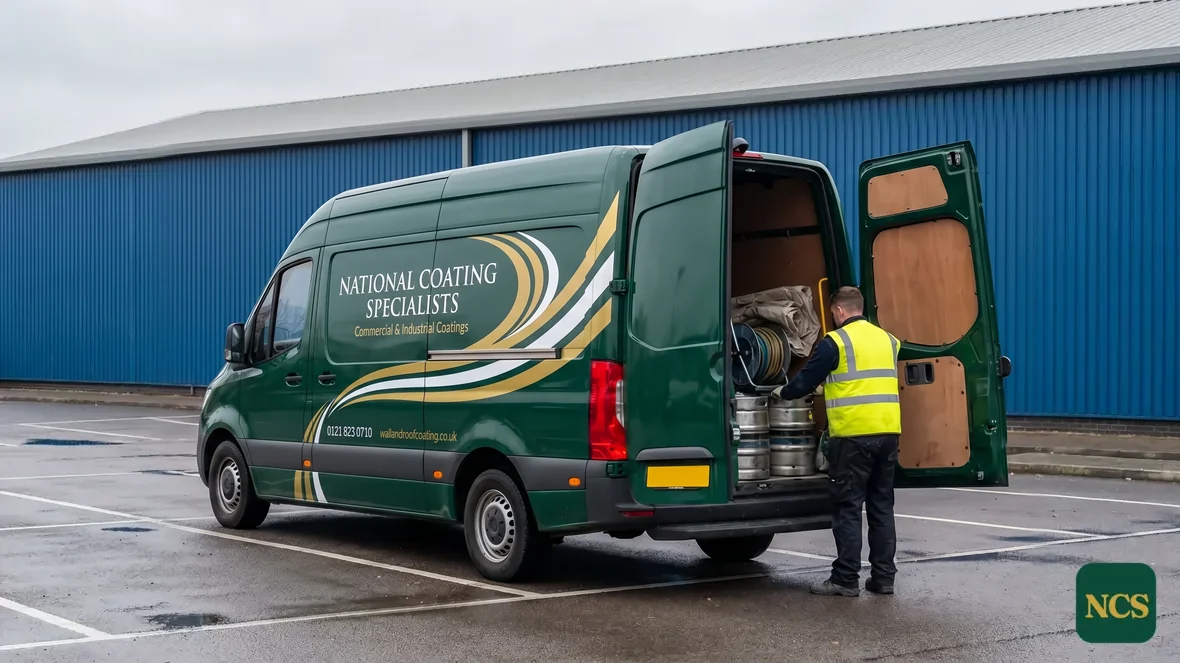
Asbestos roof encapsulation Leicester: recent work we can show you
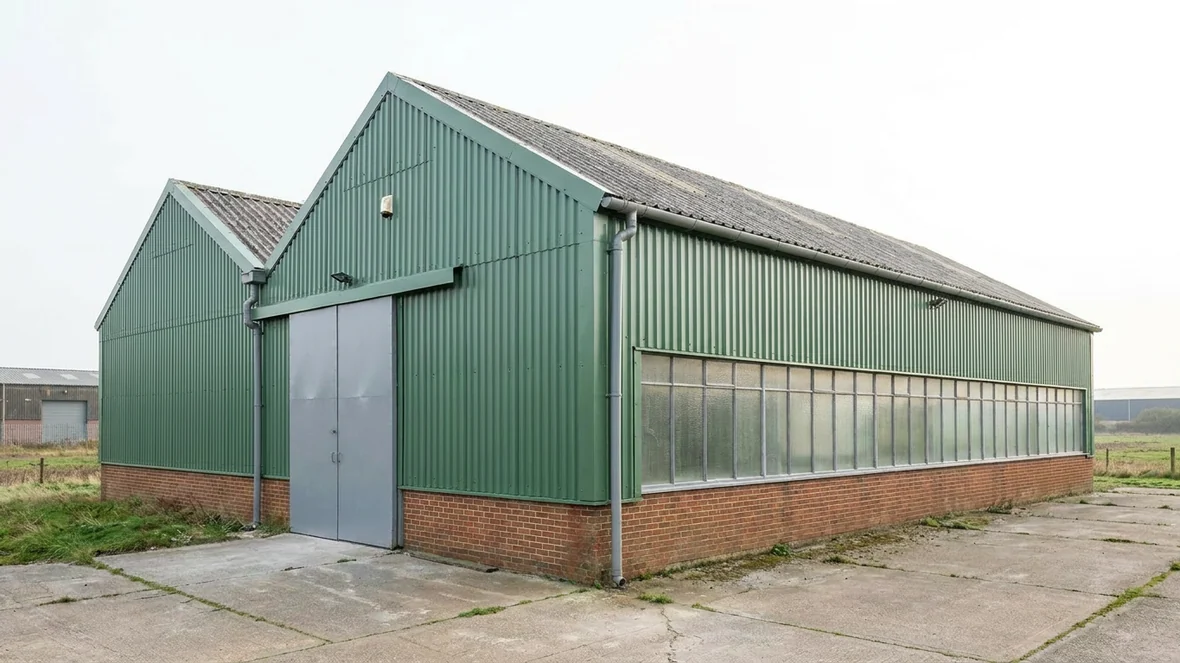
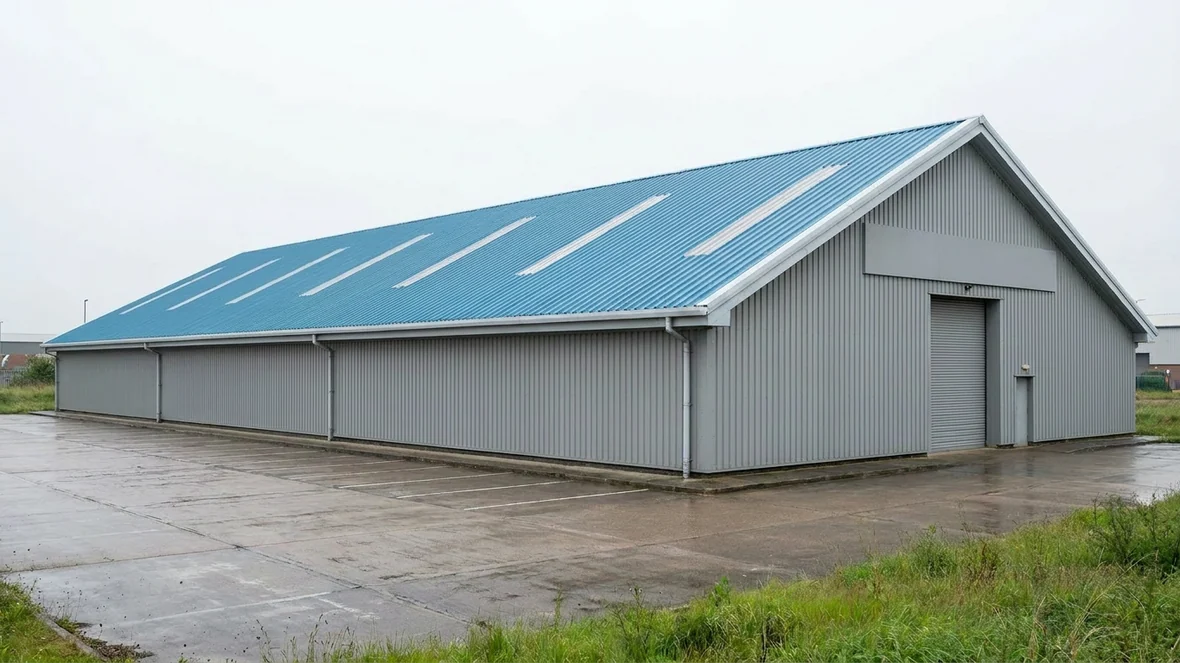
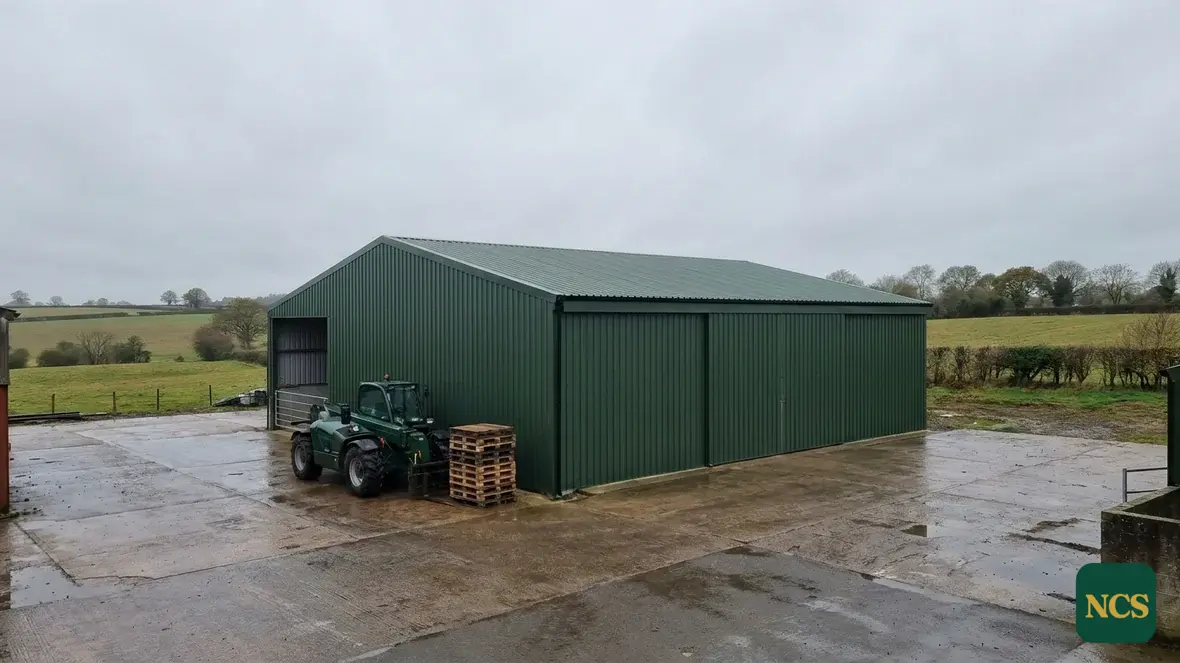
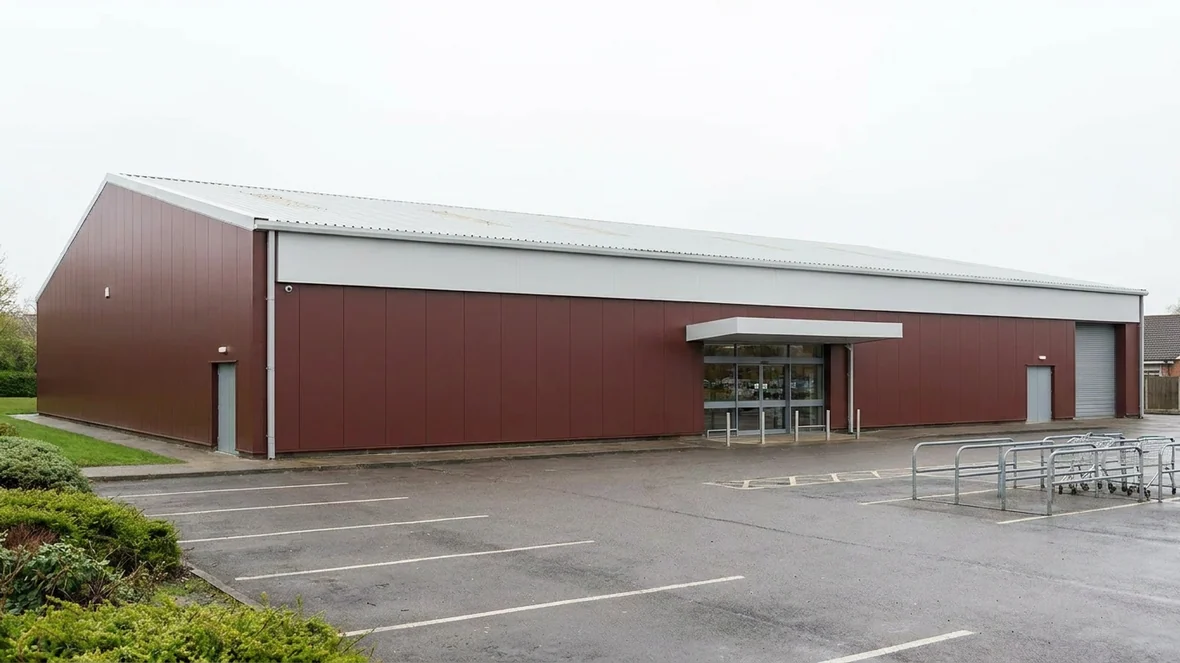
These are our own photographs from jobs of the same type. They are not stock images, and none of them is dressed up as something it is not. The caption tells you where each one was taken.
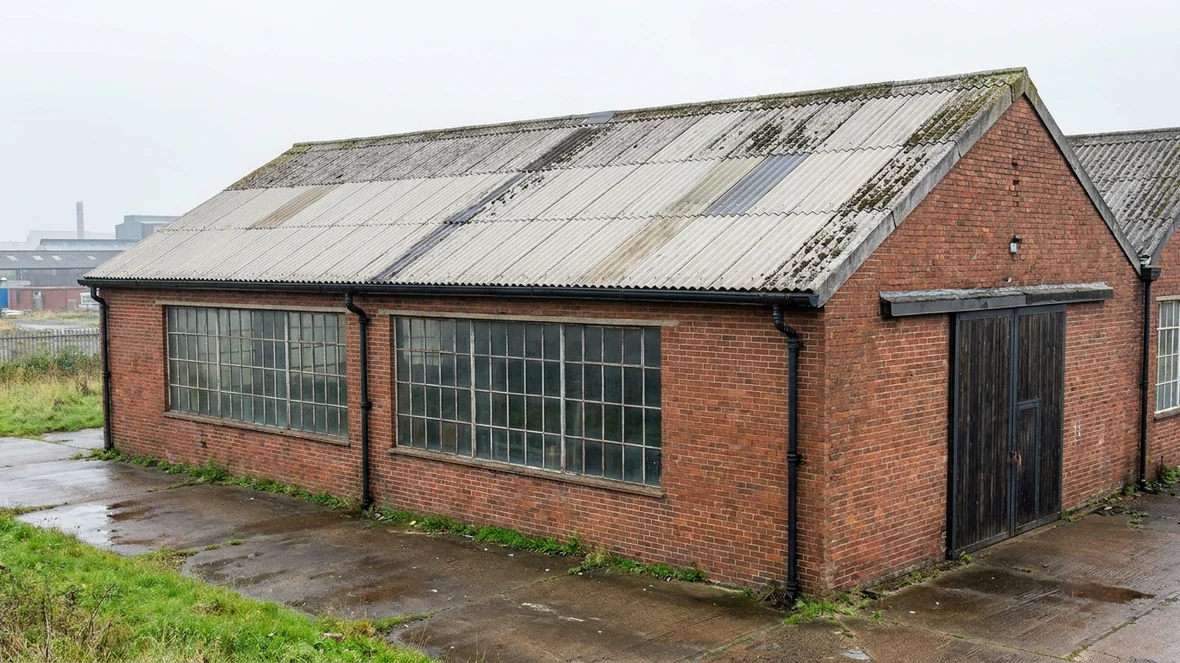
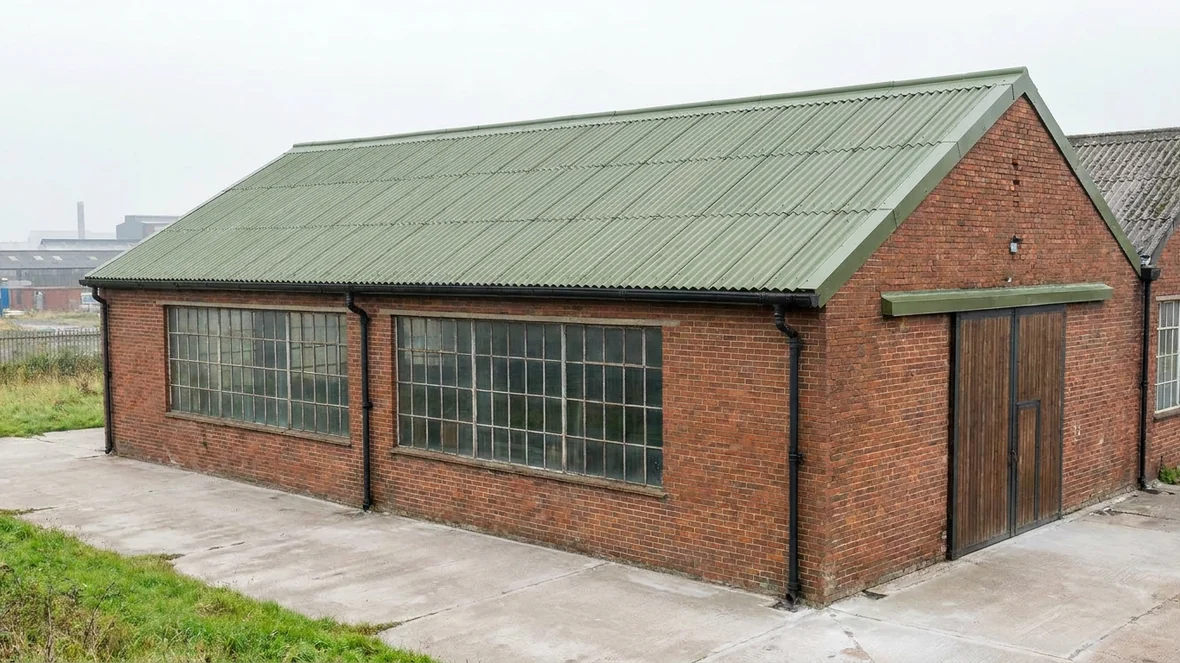
Standards behind our asbestos roof encapsulation Leicester work
Asbestos roof encapsulation Leicester factories rely on is carried out under controlled conditions that follow HSE practice for sound, intact material, the same programme documented in our asbestos roof encapsulation case study. Our teams plan every job around the HSE’s asbestos guidance, and we hold CHAS accreditation so the health and safety paperwork a managing agent or estates team asks for is ready before the first van arrives.
Common questions about asbestos roof encapsulation Leicester
Can an asbestos cement roof be coated instead of removed?
Yes, provided the sheets remain sufficiently sound to accept a coating system. We first assess their condition, the extent of any cracking, the security of the fixings and the causes of water ingress. Encapsulation is not a structural repair, so severely weakened or unstable sheets should not simply be coated.
Does encapsulation make an asbestos roof safe?
Encapsulation helps bind the weathered surface and reduces the risk of fibres being released through ongoing deterioration. It does not remove the asbestos or change the need to manage it as an asbestos-containing material. The roof should remain recorded in the building’s asbestos register and considered before any later maintenance or alteration.
Can a leaking asbestos roof be encapsulated?
Often, but the source of each leak must be understood first. Water may enter through loose fixings, failed laps, cracked sheets, damaged flashings or adjoining gutters. We deal with suitable local defects before coating. Where leaks result from widespread sheet failure or movement in the supporting structure, replacement is usually the more credible option.
Can asbestos roof encapsulation be carried out while the building remains in use?
In many cases, normal activity can continue with suitable controls around the work area. Access routes, fragile roof risks, debris control and the protection of occupants all need to be planned. The requirements depend on the survey findings, the building layout and the work needed at roof level.
How long does an encapsulated asbestos roof last?
There is no responsible answer without inspecting the roof. Performance depends on substrate condition, preparation, coating thickness, drainage, exposure and later maintenance. Periodic inspections remain important, particularly after severe weather or work by other trades.
Asbestos roof coating or replacement: which is the better option?
Coating is generally worth considering when the asbestos cement sheets are weathered but broadly stable, the supporting structure is serviceable and defects can be repaired without extensive disturbance. It retains the existing roof covering, limits disruption and can provide a practical means of managing surface deterioration.
Replacement wins when the roof has widespread cracking, significant deflection, persistent movement or too little sound material to support a coating. It is also the clearer choice when the building requires major thermal upgrading, extensive structural work, a change in roof design or frequent future access that would be difficult to manage over asbestos cement.
A replacement roof removes the asbestos-containing covering from the building, subject to controlled removal and disposal. That can simplify future refurbishment and maintenance. It is, however, a more involved operation and requires careful planning for weather protection, internal activities and the condition of the supporting frame.
Encapsulation should not be presented as replacement in liquid form. It preserves a suitable existing roof; it does not restore lost structural strength or eliminate asbestos management duties. For asbestos roof encapsulation Leicester property owners should base the decision on a roof survey rather than on appearance alone.
- Coating is better suited to stable sheets with manageable local defects.
- Replacement is better suited to extensive damage, structural concerns or substantial building upgrades.
- Persistent leaks must be traced before either approach is specified.
- Future access, maintenance and redevelopment plans should form part of the decision.
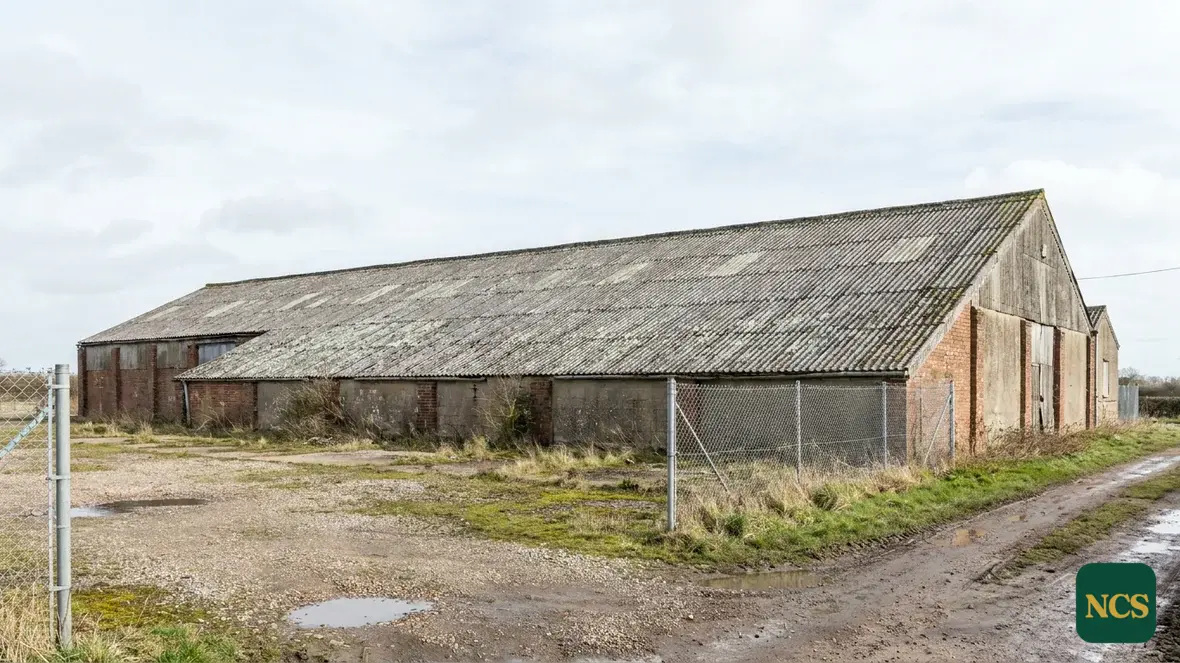
How we prepare and detail an asbestos cement roof for encapsulation
The quality of an encapsulation system depends heavily on what happens before the main coating is applied. We begin by checking the roof from safe access positions, identifying fragile areas and confirming where sheets, fixings, laps and perimeter details require attention.
Controlled surface preparation
Preparation must remove loose contamination without unnecessarily abrading or damaging the asbestos cement. We use methods selected to minimise disturbance and control debris. Aggressive cleaning can erode the sheet surface, spread contaminated material and leave a poorer substrate than the one it was intended to improve.
Fixings, laps and local defects
Loose or failed fixings can allow sheets to move, while open laps can draw in wind-driven rain. We address suitable defects using methods compatible with the roof condition. Cracked or badly weakened areas require particular caution; a coating should never be relied upon to bridge structural failure.
Edges, penetrations and rainwater details
Abutments, ridge details, vents, gutters and other penetrations often demand more care than the open roof area. Coating must be applied continuously around compatible details without blocking drainage paths or concealing defects that still need repair. Rooflights and adjoining materials are protected where they are not intended to receive the system.
Application conditions and coverage
We apply coatings only when the roof surface and weather conditions are suitable. Damp substrates, falling temperatures, strong winds and approaching rain can compromise adhesion or curing. Coverage is built methodically across the profiled sheets, with attention to crowns, troughs, edges and repaired areas where thin application is easily missed.
Completion and future inspection
On completion, we check for continuity, uncovered areas, obstructed outlets and damage caused during access. Encapsulation then becomes part of the roof’s ongoing maintenance plan. Later trades should be told that asbestos cement remains beneath the coating so that drilling, cutting and access are properly controlled.