



Industrial roof coatings Wakefield
Industrial roof coatings Wakefield: here is what the survey looks for on a Wakefield building, and the route we recommend once we have seen it.
Wakefield sits right in the middle of one of the UK’s busiest distribution corridors. Around the M1 and M62, the logistics parks that have sprung up hold an enormous amount of profiled metal roofing. We’re talking everything from compact 1980s units to the much larger sheds built in the 90s and 2000s. These roofs are now ten, twenty, even thirty years into their working lives, and on many of them, the original finish is wearing out a long way ahead of the building below.
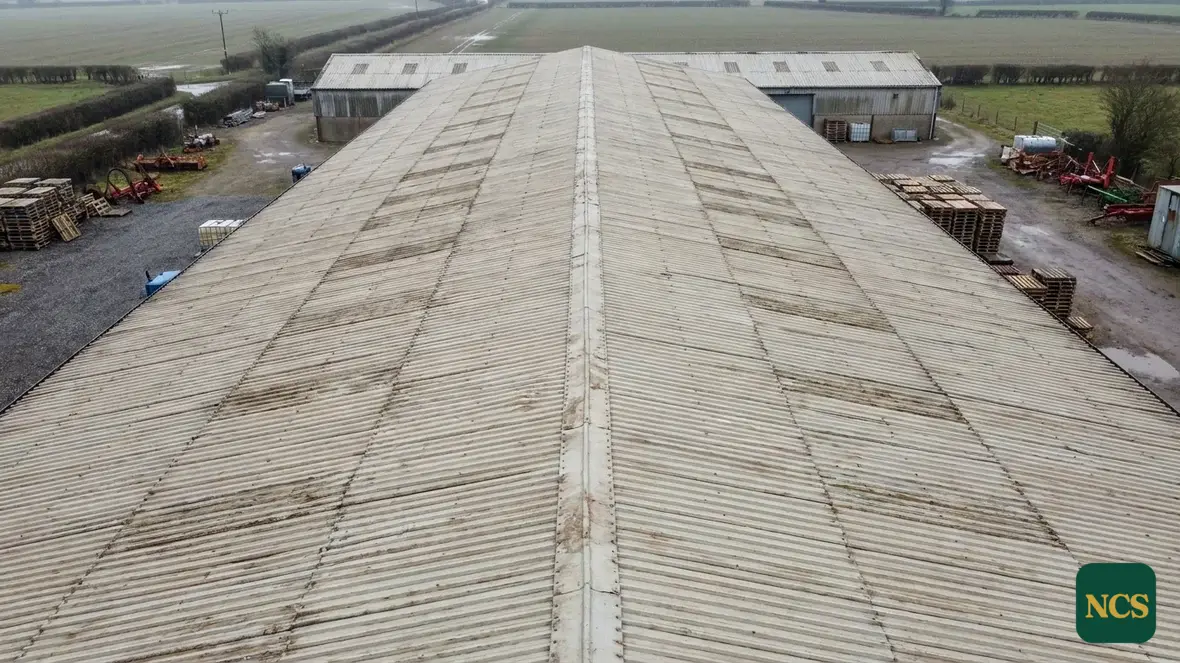
Roof coating for the Wakefield logistics belt
National Coating Specialists works on exactly this kind of stock: big steel-sheeted roofs on warehouses, distribution centres and manufacturing units. We’re based in the South East and cover the whole UK, including West Yorkshire. For buildings this size, the case for industrial roof coatings is mostly simple arithmetic. Refurbishing a sound roof costs a lot less than replacing it, takes a fraction of the time, and the building doesn’t have to stop earning while we work. The key word in that sentence is “sound,” which is why everything we do starts with a survey, not a price.
Cut-edge corrosion at scale
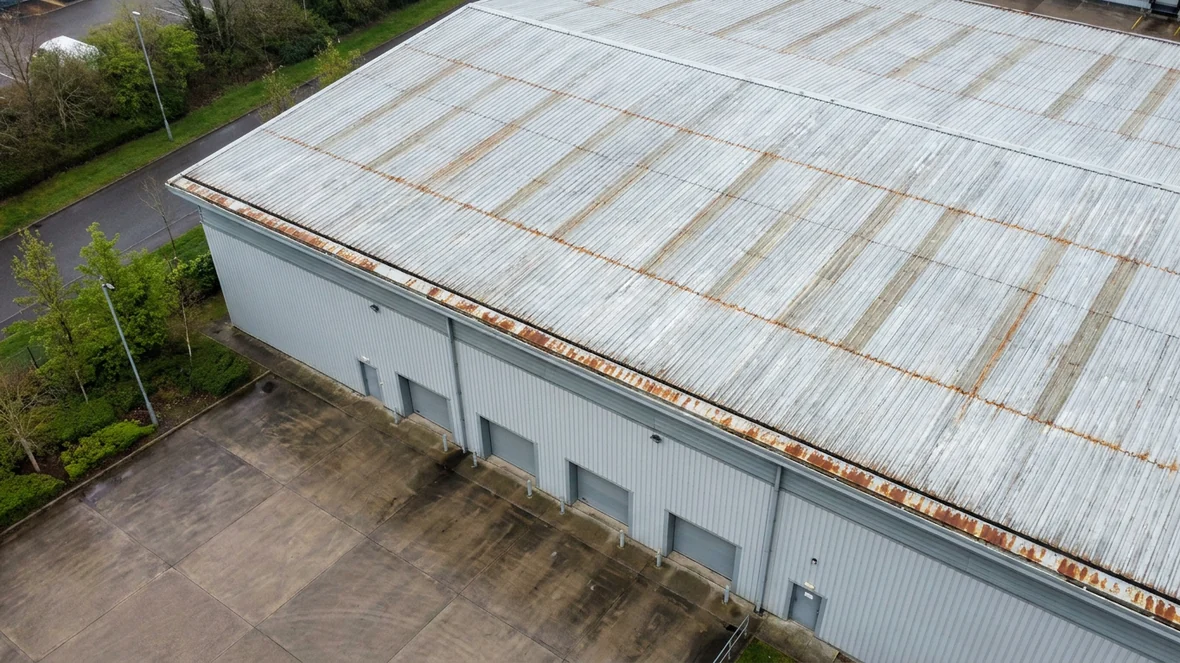
On a small unit, cut-edge corrosion is just another maintenance job. On a big distribution shed, though, it’s kilometres of vulnerable sheet edge. Every single metre of it was cut through the protective coating during manufacturing, and it’s all rusting away at its own pace. It’s the same story with fixings: tens of thousands of them, each one a potential leak path as washers harden and threads back out. A coating programme tackles this systematically: edges prepared and sealed, defective fixings replaced, laps closed, then the full surface coated. This stops the deterioration being a constant annual headache and turns it into a finished piece of work.
Roof life as an asset decision
For estates and asset managers, the roof is usually the biggest single maintenance headache on an industrial building. It’s also the one that complicates lease events, dilapidations discussions and disposal plans. A survey-led industrial roof coatings programme gives you something concrete to work with: a written record of the roof’s condition before work, details of the work carried out, and a documented position on its state afterwards.
We don’t offer valuations or legal advice, but those conversations always go better with evidence, and our survey and completion records provide exactly that. For multi-site operators, applying the same survey discipline across your portfolio also gives you a like-for-like picture of which roofs need attention first.
The Wakefield roofs that fail early after painting were never repaired first. Cut edges, fixings and laps come before any coat we apply.
Working over a 24/7 operation
Distribution doesn’t stop, so we plan the work with that in mind from our very first site meeting:
- All work is done from outside: no clearing racking, no stopping picking below.
- No strip-off, so the building is never open to the weather.
- Working zones are phased to keep dock doors and yard circulation moving.
- Access plant and delivery movements are agreed with your team in advance.
- Clear daily communication with site management throughout.
Compare that with a strip-and-replace programme over a live distribution floor, with its temporary roofs, internal protection and weather risks, and the operational argument for coating a sound roof makes itself.
When we advise against coating
Some roofs are past the point where coating makes sense, and we’ll tell you that straight. Sheets perforated by corrosion, soaked insulation, structural problems at deck level, or chronic movement at the joints all mean the clear recommendation is replacement. You’ll get that recommendation in writing, not a quote we know won’t hold. Coating extends the life of a roof that is still fundamentally sound. Working out if yours qualifies is the survey’s job, and that’s where we’d suggest any Wakefield estates team starts. Send us the building details, anywhere around Wakefield or the wider Five Towns and motorway corridor, and we’ll arrange it.
Industrial roof coatings Wakefield: recent work we can show you
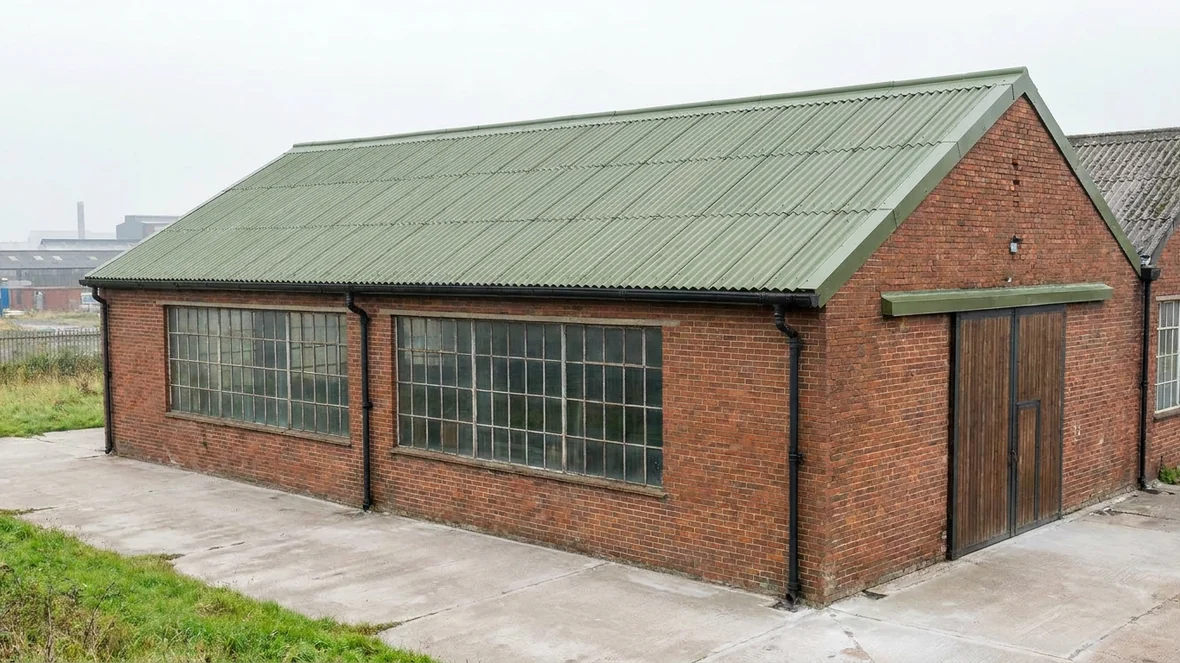
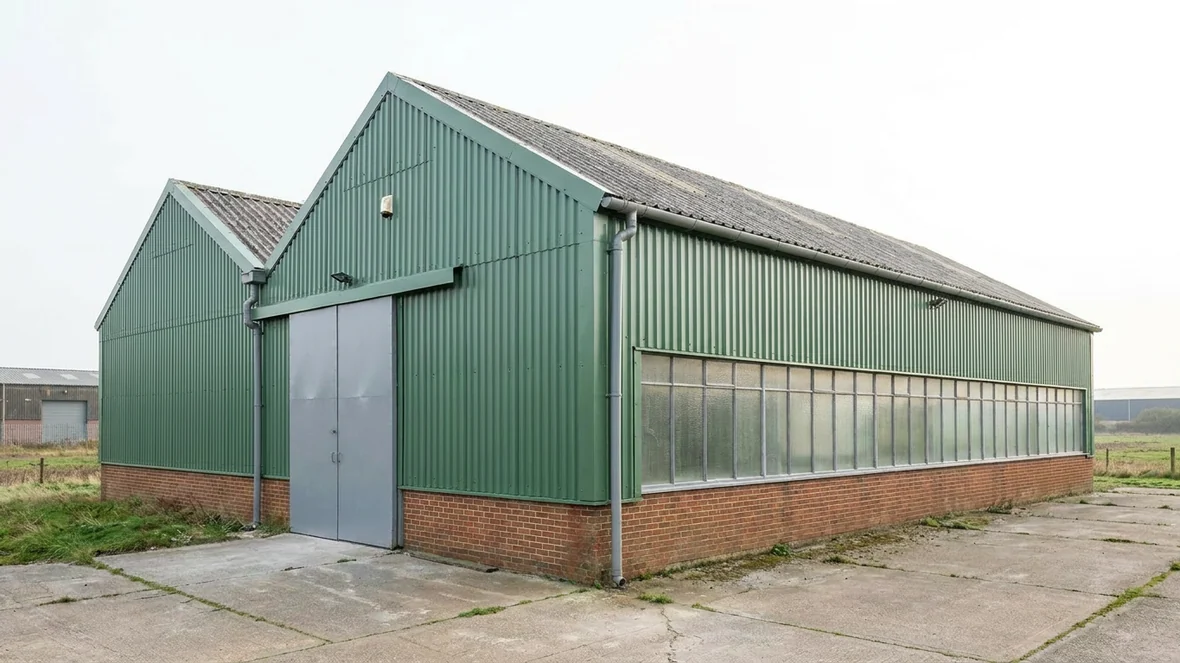
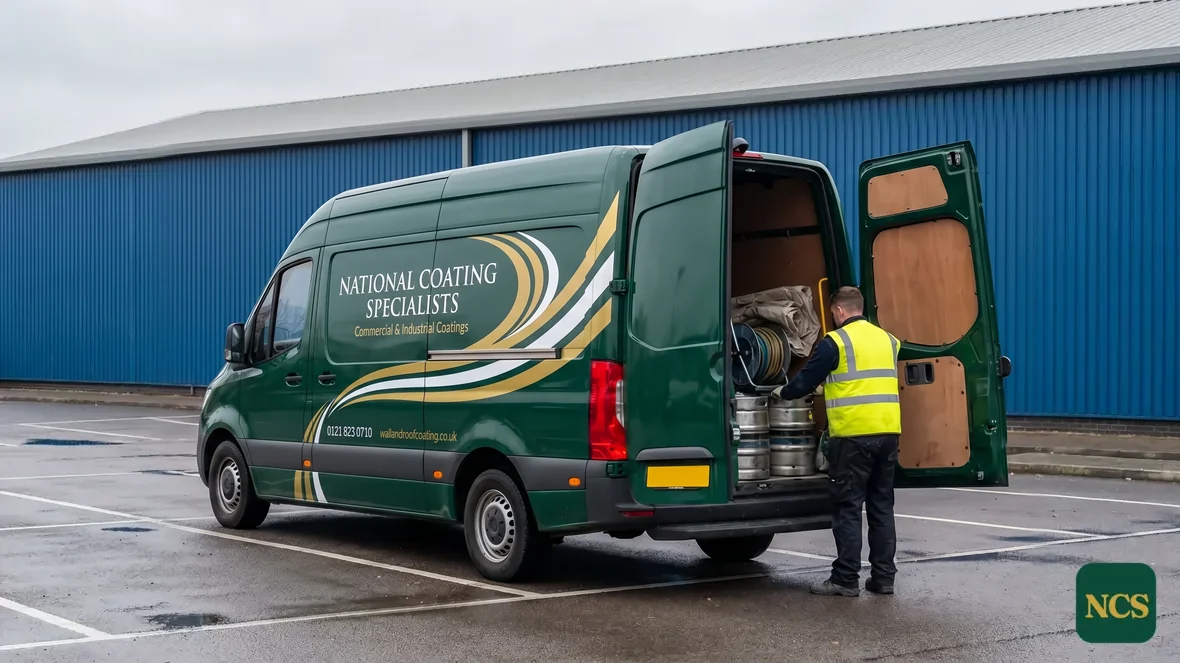
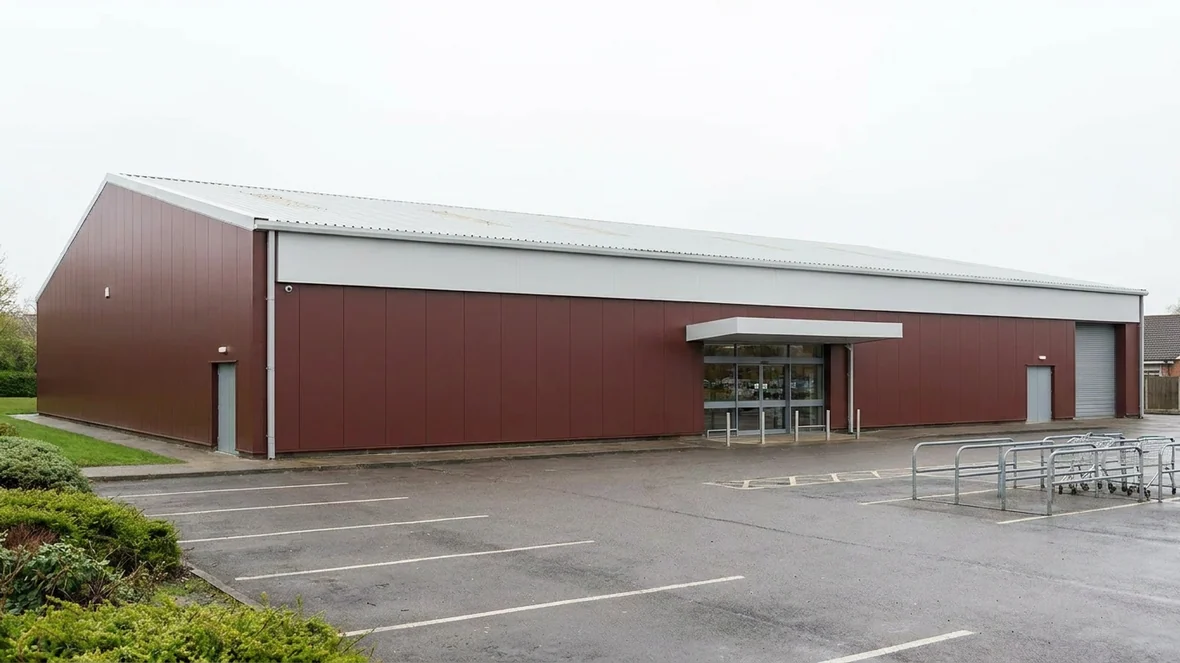
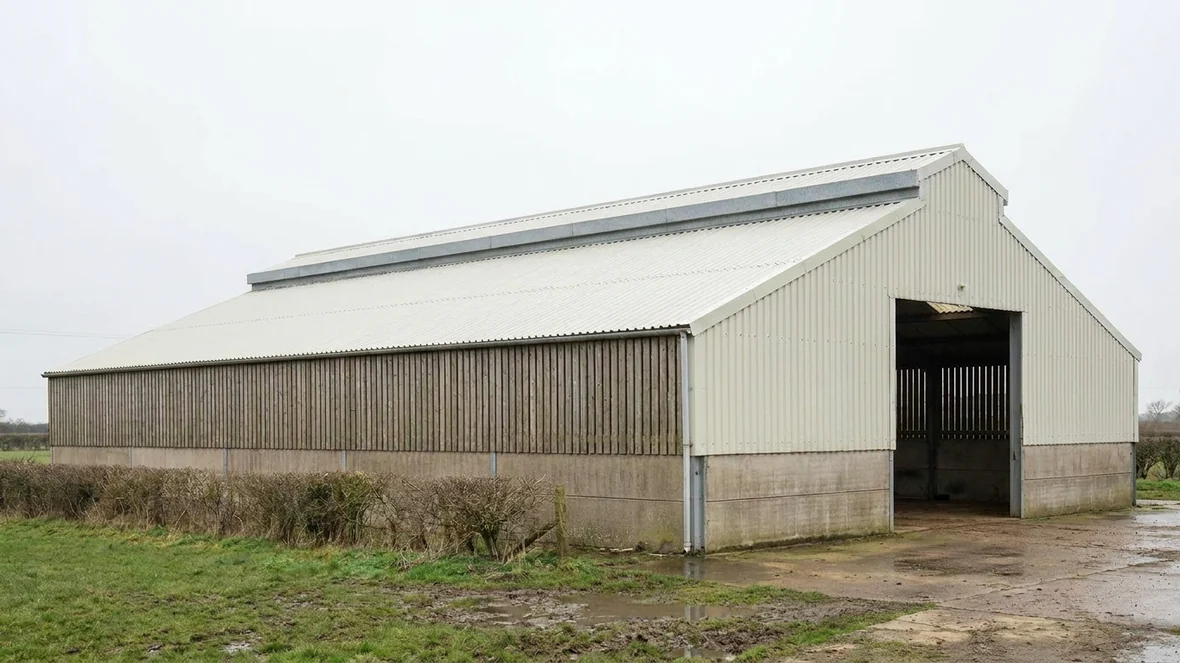
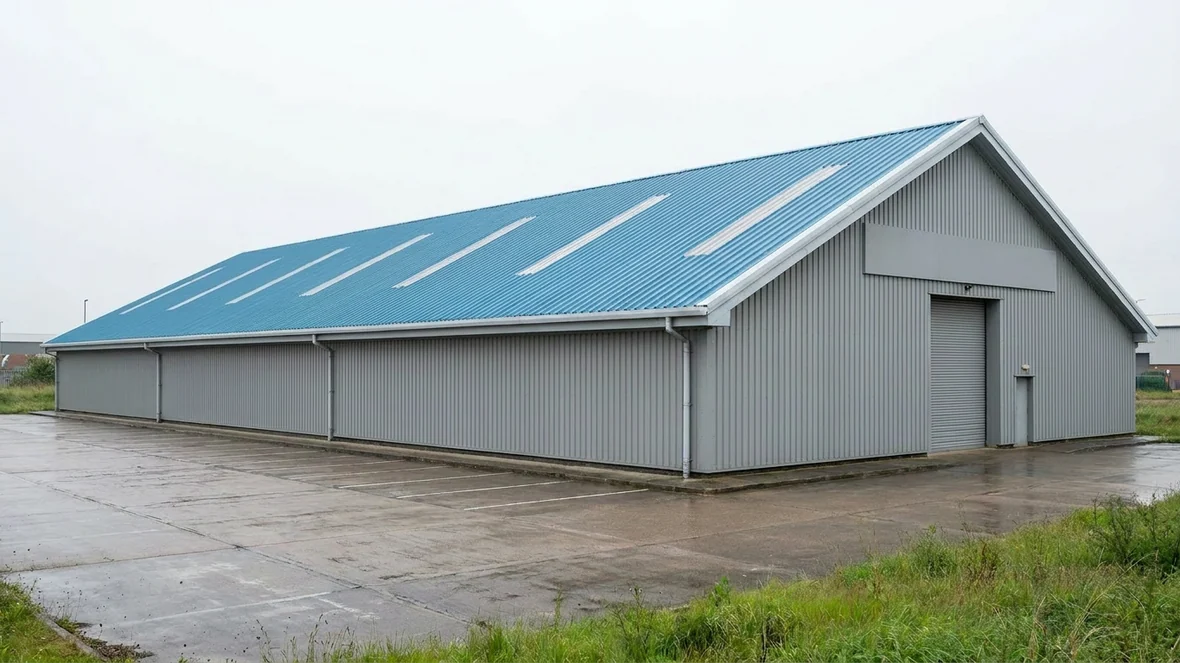
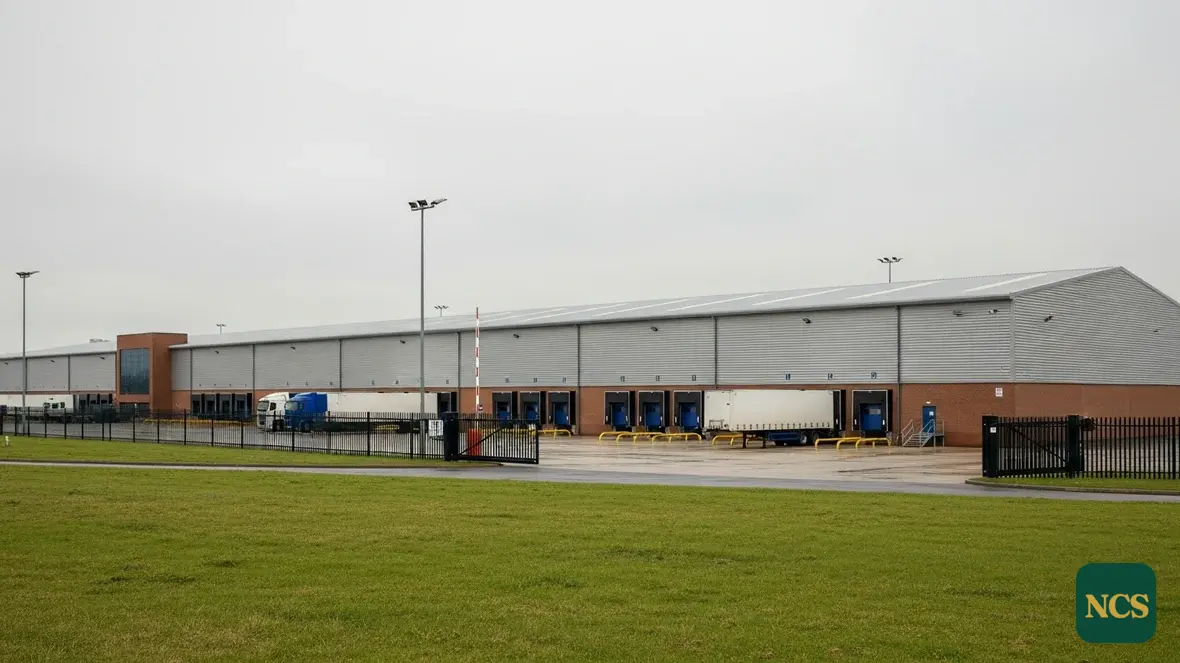
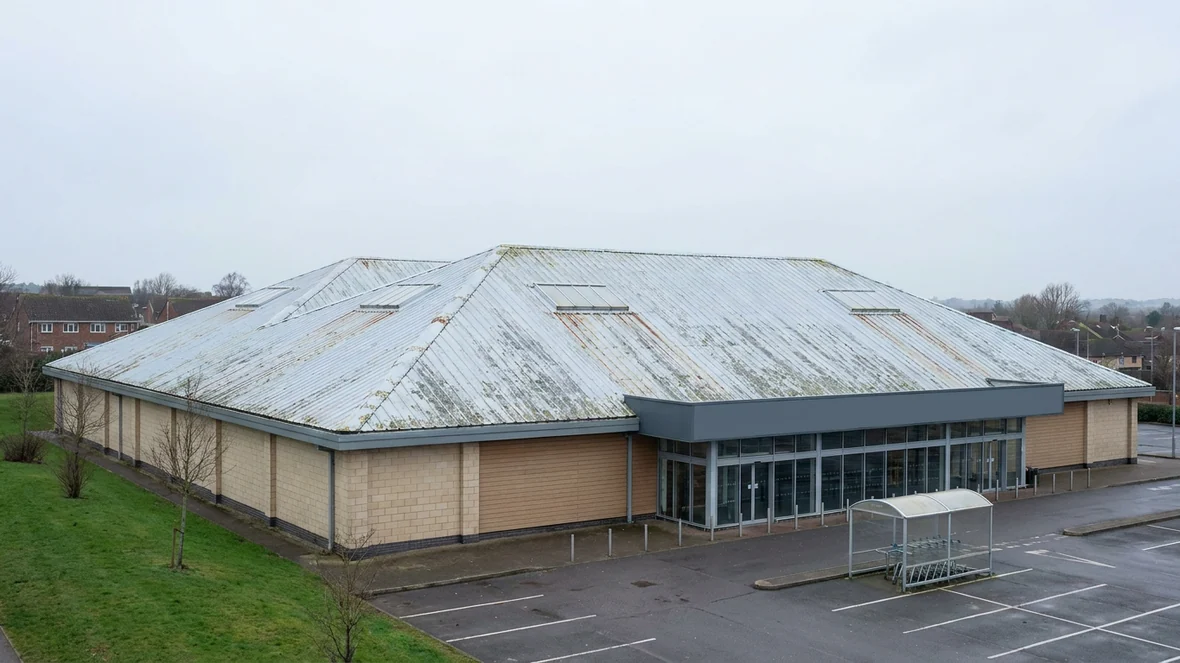
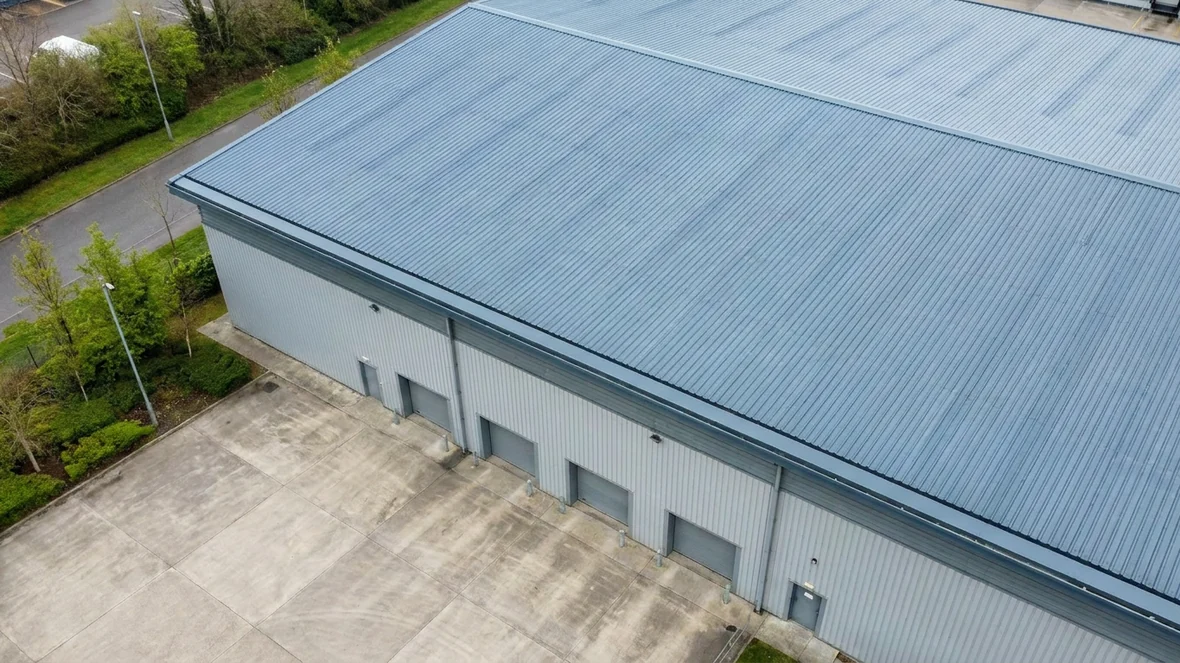
These are our own photographs from jobs of the same type. They are not stock images, and none of them is dressed up as something it is not. The caption tells you where each one was taken.
Standards behind our industrial roof coatings Wakefield work
Industrial roof work is planned around access, fragility and weather from the survey onwards. See our industrial roof coatings service for how we approach it across the UK. Our teams plan every job around the HSE’s work at height guidance, and we hold CHAS accreditation so the health and safety paperwork a facilities manager or site engineer asks for is ready before the first van arrives.
Common questions about industrial roof coatings Wakefield
Can an industrial roof coating stop leaks?
A coating can help where water is entering through deteriorated laps, fixings, cut edges or small surface defects. Those areas must be repaired and prepared before the main coating is applied. A coating will not correct structural movement, extensive perforation, failed roof sheets or saturated insulation. We establish the likely cause of water ingress before recommending treatment.
Can a rusty metal roof be coated?
Often, yes, provided the sheets remain structurally serviceable. Loose corrosion, failed paint and contamination must be removed, while cut edges, fixings and localised damage require separate attention. Where corrosion has substantially weakened or perforated the sheets, isolated replacement or full renewal may be the sounder option.
Can industrial roof coatings be applied during winter?
Application depends on suitable surface and weather conditions rather than the calendar alone. The roof must be dry, with acceptable temperatures and no immediate risk of rain, frost or condensation. Short working windows can make winter programmes less predictable, so we plan the work in manageable sections and avoid coating marginal surfaces.
Do asbestos cement roof sheets have to be replaced?
Not automatically. Their condition, fixings, fragility and previous repairs all need to be assessed. A suitable coating may help protect a serviceable surface, but it does not strengthen damaged sheets or remove the need for controlled access and careful working methods. Badly deteriorated sheets may need specialist removal and replacement rather than coating.
Will roof coating disrupt work inside the building?
Most activity takes place externally, and the work can usually be phased around access routes, loading areas and sensitive operations. Some local disturbance may occur during cleaning, repairs and work around roof openings. We agree access, protection and sequencing requirements before starting rather than leaving them to be resolved on the roof.
Industrial roof coating or roof replacement?
Coating is generally worth considering when the roof covering is fundamentally sound but its exposed surface, laps, fixings or cut edges are deteriorating. It allows local repairs and surface protection to be combined without removing an otherwise serviceable roof. It can also reduce disruption where the building needs to remain operational.
Replacement wins when deterioration is no longer mainly superficial. Widespread perforation, badly weakened sheets, persistent structural movement, failed decking, saturated insulation or extensive damage beneath previous repairs all point towards renewal. Replacement may also be preferable where the roof layout, drainage, insulation or internal performance needs substantial alteration.
A coating should not be used to postpone an unavoidable replacement. Equally, replacing sound sheets solely because the finish has weathered can create unnecessary work. For industrial roof coatings Wakefield building owners should expect the recommendation to follow a roof survey, not a preference decided in advance.
- Coating suits a structurally serviceable roof with repairable local defects.
- Partial replacement may be sensible where deterioration is confined to particular sheets or roof zones.
- Full replacement is more appropriate where defects are widespread or the roof build-up has failed.
- Access, drainage, insulation and future use of the building should be considered alongside surface condition.

Preparing laps, fixings and cut edges before coating
The broad roof sheets are rarely the only concern. Water commonly finds weaknesses at side laps, end laps, fasteners, penetrations, ridge details and changes in level. These areas need close inspection because a uniform coat over unresolved defects merely conceals them for a time.
Cleaning and surface preparation
We remove dirt, biological growth, loose coating and unstable corrosion using methods appropriate to the roof material and condition. Sound preparation creates a clean, stable surface and reveals defects that were hidden beneath debris. Gutters and outlets must also be protected and kept clear throughout the work.
Repairing vulnerable details
Loose or defective fixings are dealt with as required, while open laps and local penetrations receive suitable repair treatment. Corroded sheet edges need particular care because deterioration can continue beneath the remaining finish. Any failed previous repairs should be removed or corrected rather than coated over indiscriminately.
Controlling application conditions
Before coating, we check that the prepared surface is dry and that condensation is not forming. Work is sequenced so repaired details are ready for the main application and completed areas are not contaminated by later preparation. Coverage is monitored during application, with extra attention given to profiles, edges and awkward details where thin or missed areas can occur.