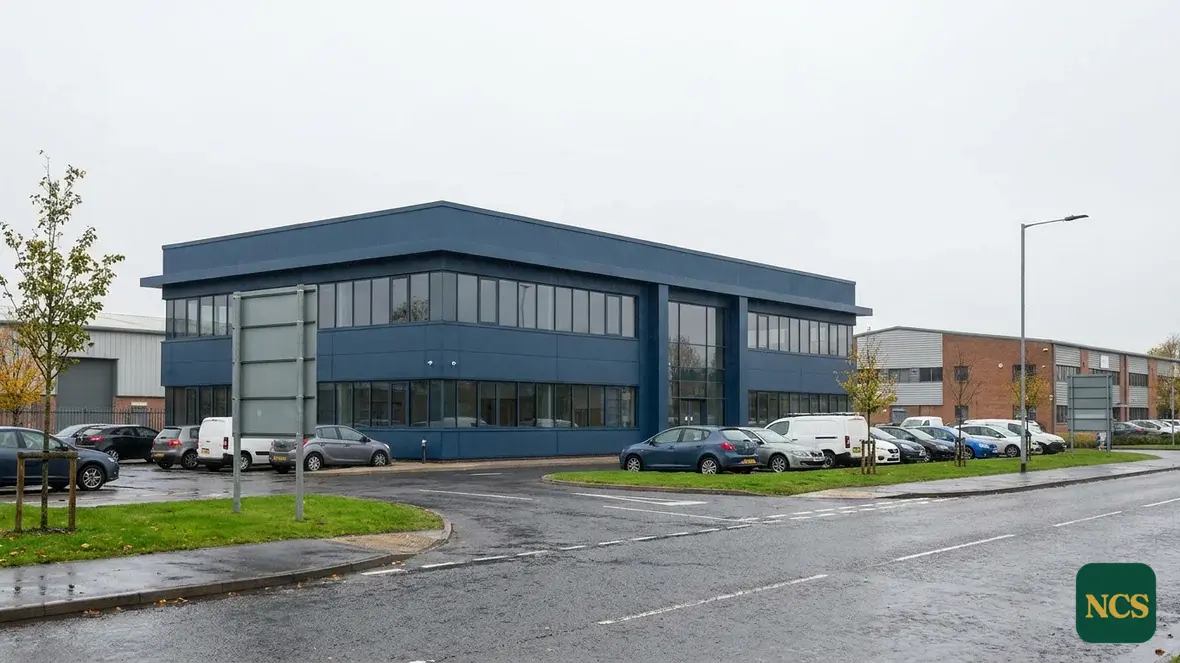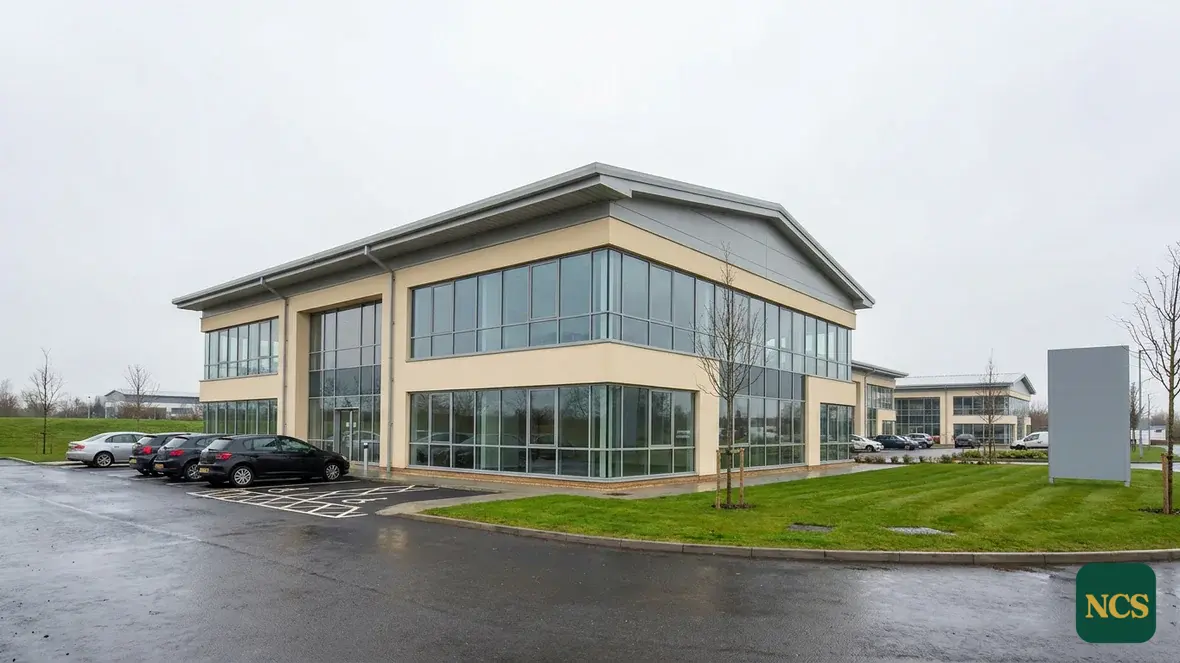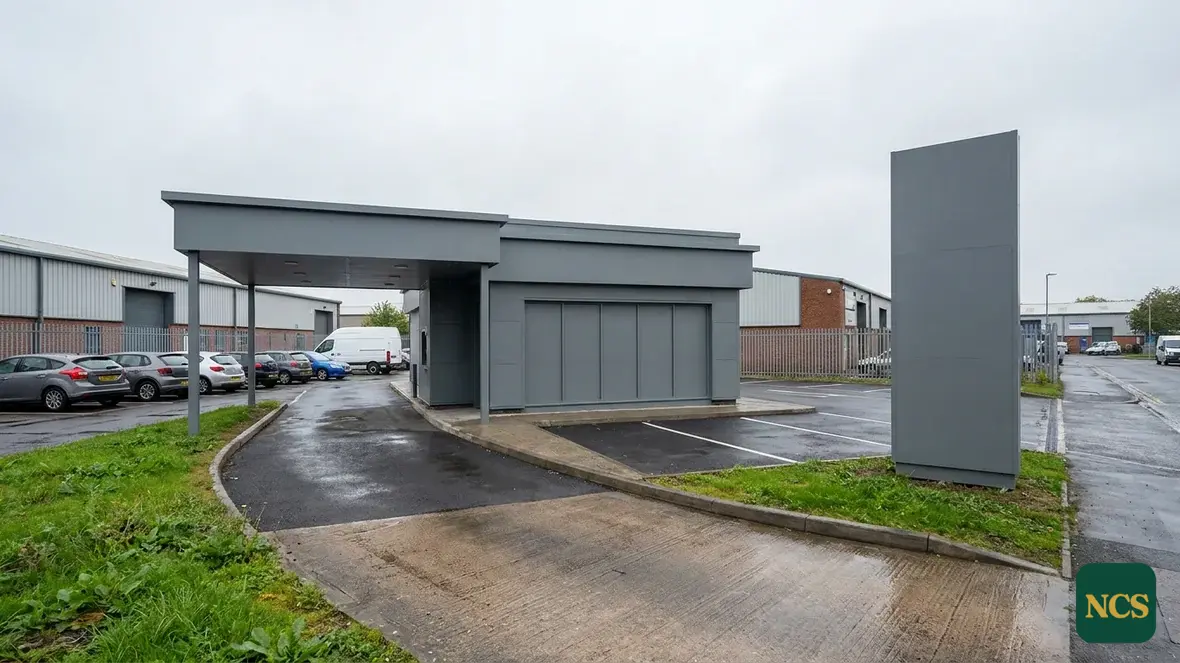
Being honest about local building types
Generally, those older sandstone and brick buildings around Wakefield need treatments that let the wall breathe and handle moisture naturally. Get that wrong and you can ruin a beautiful façade. Rendered walls, common on converted and inter-war commercial premises, fail in their own way, with cracking and blown patches that let water travel behind an apparently sound surface. Modern masonry and panel units on the business parks are different again, with movement joints and previous quick fixes adding their own complications. Exposure varies sharply across the district too; a wall facing open ground lives a different life from one in a sheltered street. We describe the stock in these general terms because that is all anyone can honestly say before standing in front of your building with a moisture meter. Getting this right is crucial for any colour change or rebranding project.
For a Wakefield frontage that needs repainting, the real question is why the last coat failed, and the survey answers it before anything is specified.
The written assessment you get before committing
Our process is survey-led from the first contact. It produces a document, not a sales pitch. After inspecting the building you receive:
- An identification of the substrate and the condition it is actually in
- Moisture findings and where the water appears to be coming from
- Repairs we believe must precede any coating
- A recommended specification, with the reasoning spelled out
- A clear statement if we think coating is the wrong move entirely
That same paperwork-first approach covers the wider region. Commercial buildings in Leeds, Barnsley, Pontefract and Dewsbury are assessed exactly as they would be in Wakefield itself. We don’t cut corners on the diagnosis just because it’s a longer drive.
What coating cannot fix
Rising damp, leaking gutters and downpipes, live structural cracking, failed wall ties and saturated walls are building defects. No exterior coating cures a building defect. At best, coating over one of them hides the evidence for a season or two. At worst, it traps moisture and accelerates the damage it was supposed to prevent. When a survey turns these up, we say so plainly and recommend the right order of works, even where that means our part of the job happens later or not at all. That is the deal with a survey: you get what it found, not what is convenient to sell.
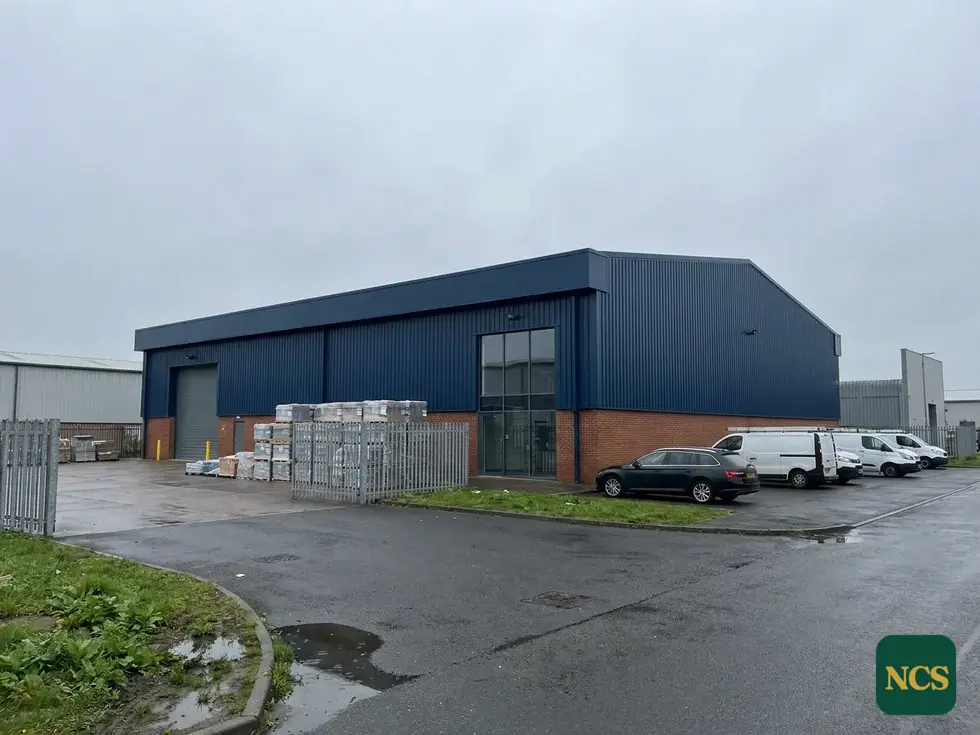
Why a professional building survey matters for your Wakefield property
Exterior coating is a trade with a low barrier to a confident quote and a high cost to a wrong one. A survey-led contractor reverses the usual risk: the diagnosis comes first, in writing, and the price is attached to a reasoned scope rather than a guess made from the kerb. For commercial property in West Yorkshire, where access costs and trading disruption make second attempts expensive, that is the only sensible way to buy this kind of work. The survey is not a formality before the real business. It is the real business. If you take one thing away, make it a question for any contractor you speak to: show me what your survey found, and show me why the specification follows from it.
Rebranding and new colour schemes for commercial walls in Wakefield
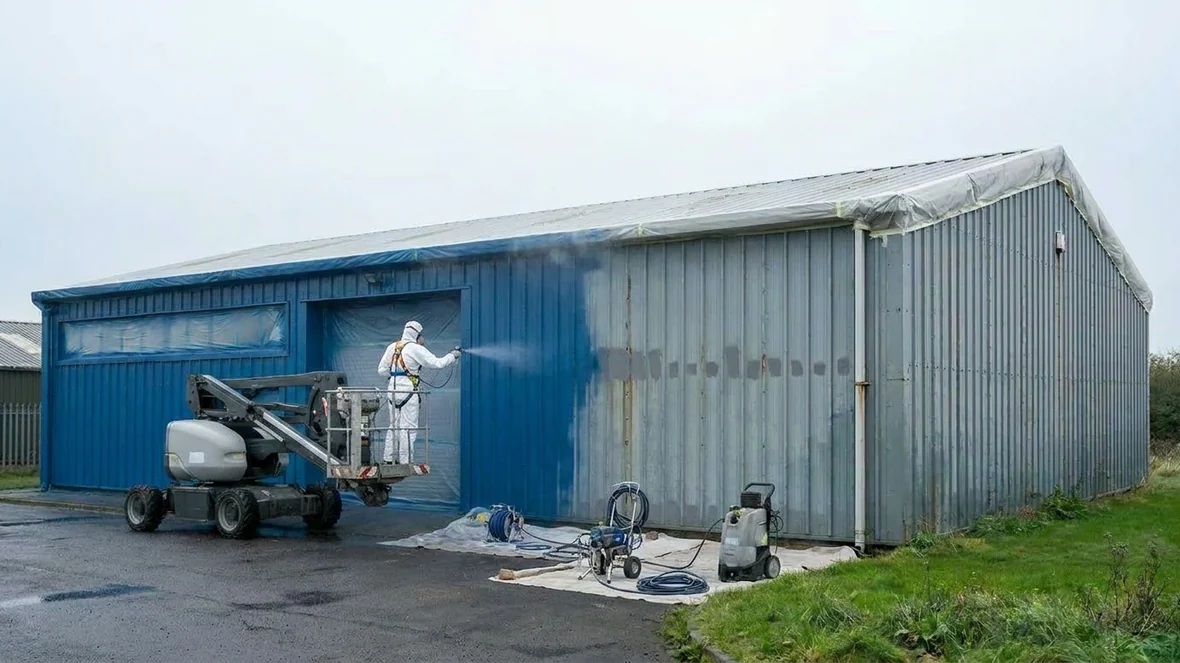
A fresh colour scheme can instantly modernise a commercial building, reflecting a new brand identity or simply revitalising a dated appearance. This is particularly effective for properties undergoing a change of ownership or a major rebrand. Whether you need a subtle shift or a bold new corporate colour, we can match and apply a wide spectrum of finishes to profiled steel cladding, render, brick, and other commercial wall surfaces. We understand the importance of colour consistency and durability, ensuring the new look stands up to the demands of the West Yorkshire weather, from the M1 corridor to the M62.
Commercial wall coating in Wakefield: a practical approach
Wakefield’s commercial property runs the full range, from Victorian stone and brick in the centre to rendered conversions and big modern units out by the motorway junctions. Commercial wall coating in Wakefield therefore starts with a blunt question: what is this particular wall made of, and what is the weather doing to it? West Yorkshire’s climate is not gentle with exteriors. Persistent rain, freeze-thaw winters and exposed elevations find every weak joint and every hairline crack, and a coating chosen without that understanding rarely earns its keep. The same climate rewards doing the job properly. A correctly specified, correctly sequenced coating on a sound wall shrugs off the weather that destroys a rushed one, and the difference between the two is decided before anyone lifts a brush: at the survey.
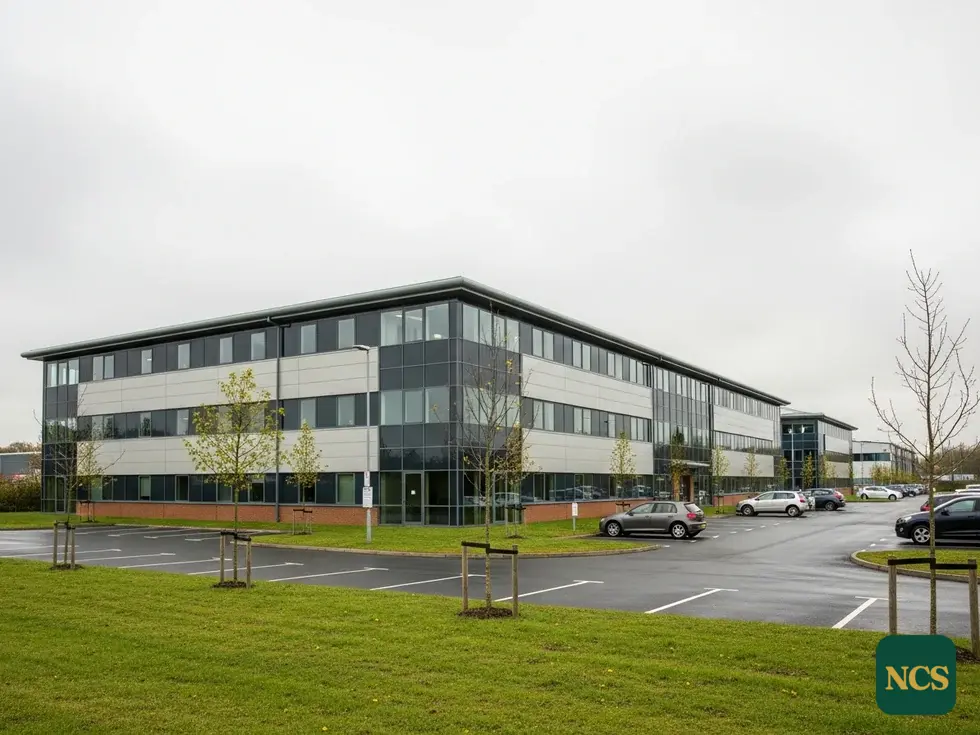
What a commercial wall coating survey in Wakefield looks at
National Coating Specialists carries out commercial wall coating work in Wakefield and the surrounding area. Every building is assessed on its own condition first. The survey weighs up the points that decide whether coating, repair or replacement is the right route:
- Clear explanation of coating systems used (acrylic, elastomeric, spray-applied) and their durability in UK weather.
- Specific Wakefield and West Yorkshire area coverage with named districts and business parks.
- Detail on building types served (warehouses, factories, retail units, schools, offices, industrial estates).
- Benefits section focused on protection, appearance, damp resistance and reduced maintenance for commercial property owners.
- Process overview from initial phone call and free survey through to preparation, repairs and final coating.
Related survey-led services
Cladding SprayingSurvey-led cladding spraying for commercial and industrial buildings across England.
Industrial Wall CoatingsSurvey-led industrial wall coatings for commercial and industrial buildings across England.
For a survey-led assessment of your building in Wakefield, request a free site survey.