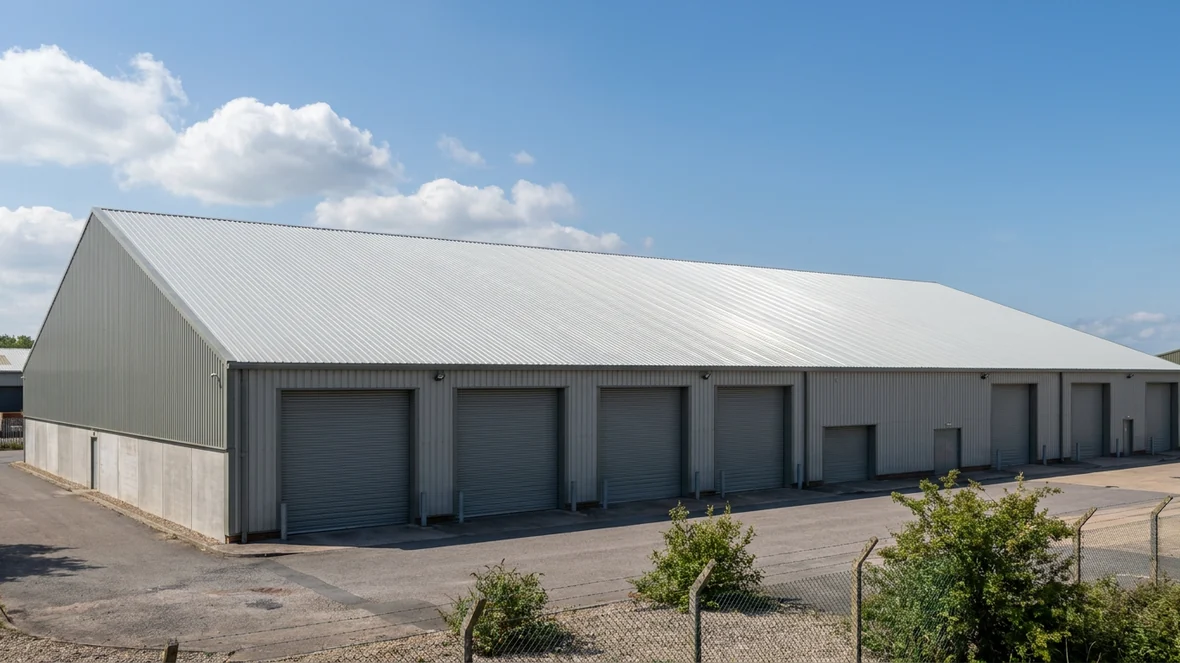
Roof coatings without shutting down your Exeter site
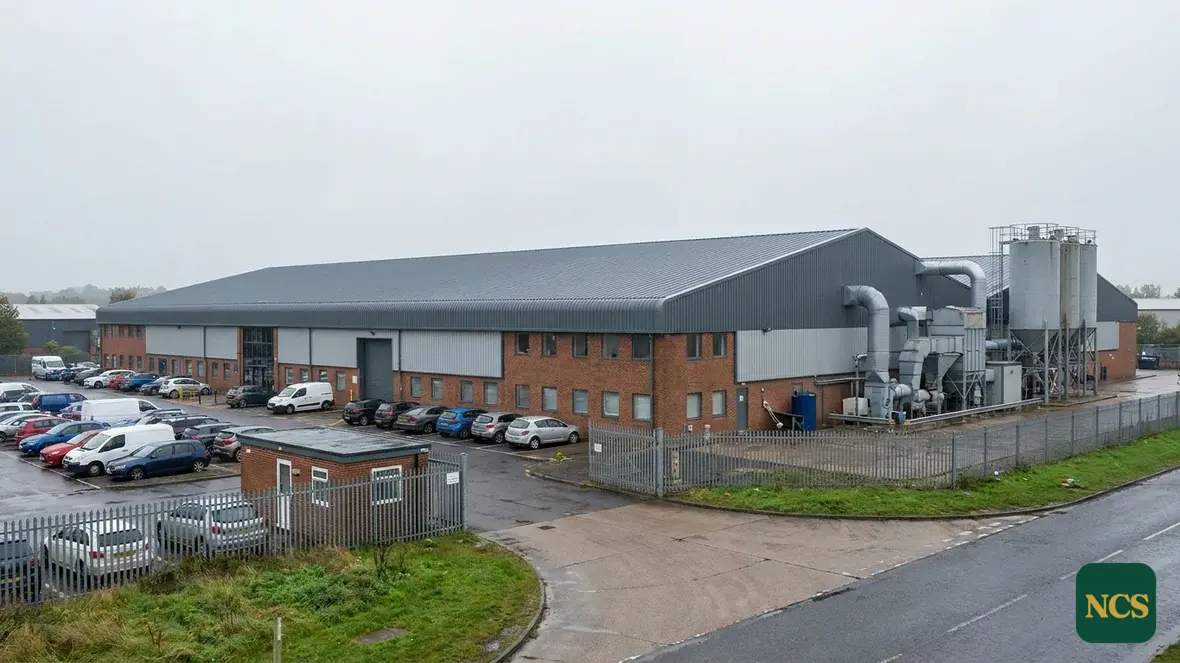
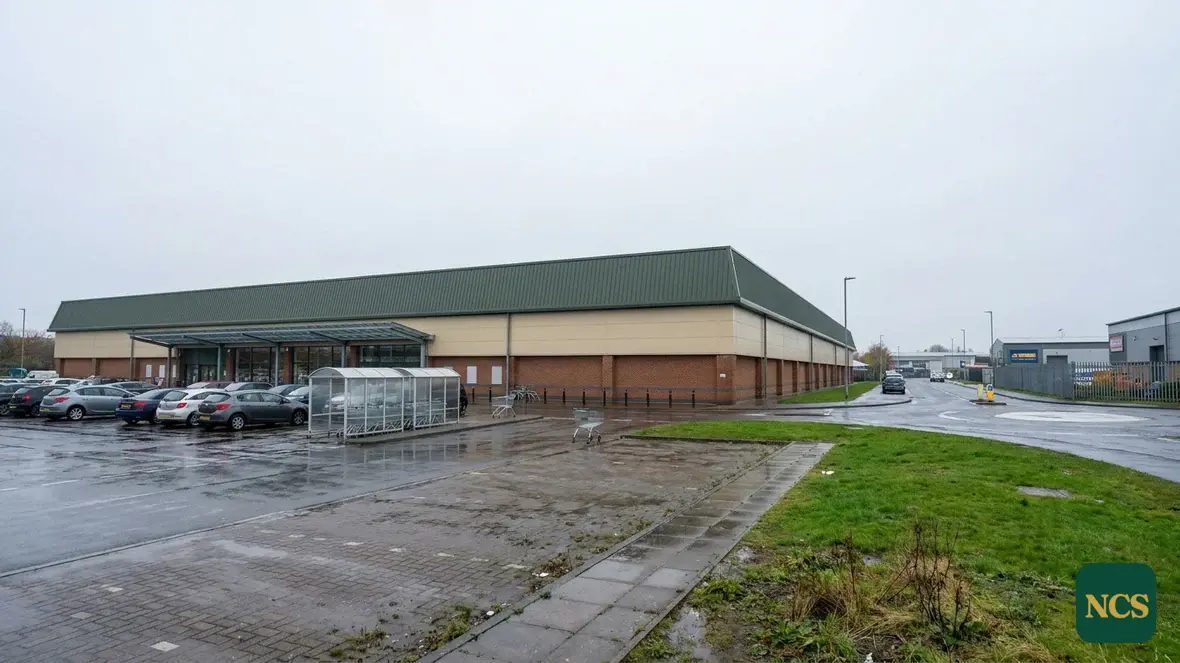
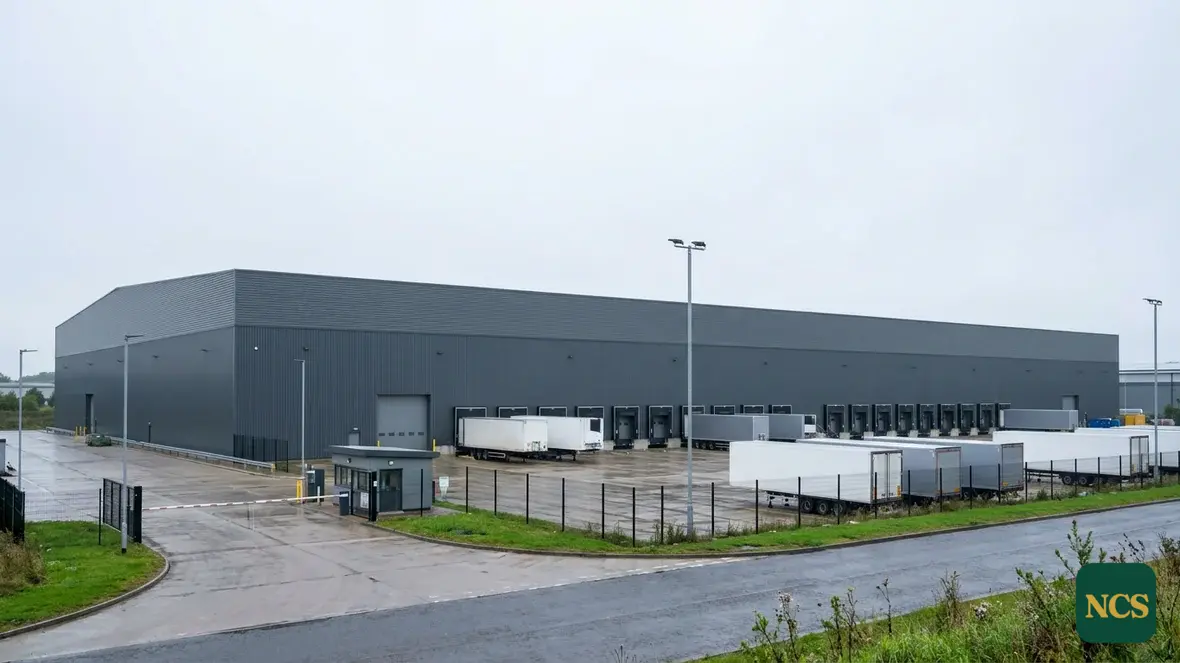
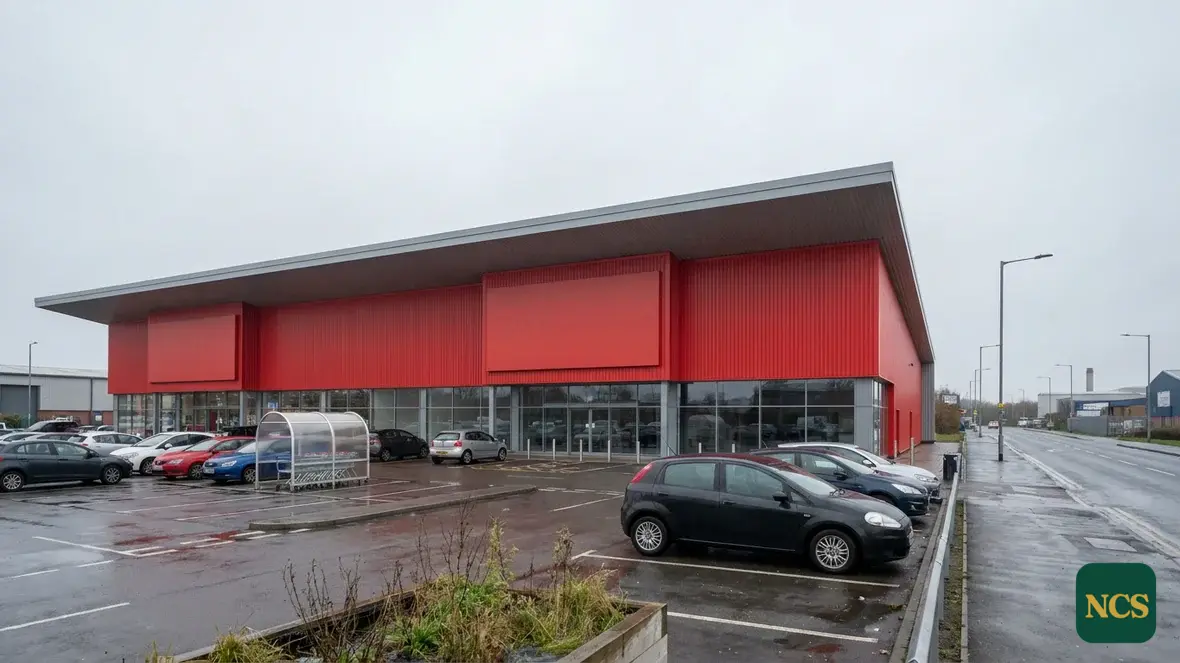
For the facilities team responsible for an occupied warehouse or factory unit, the hardest part of any roof project is not the roof, it is the operation underneath. Around Exeter, where business parks and trading estates along the M5 corridor and the city fringe keep the South West supplied, taking a building out of service for re-roofing is often simply not an option. That is the practical case for industrial roof coatings: the envelope is never opened, the building stays weathertight throughout, and work is sequenced around deliveries, shifts and yard movements rather than the other way round. National Coating Specialists surveys and coats industrial roofs in Exeter and across Devon, travelling from our South East base to sites England-wide.
The South West climate and profiled metal roofs
Devon is one of the wetter parts of England, and the moisture-laden Atlantic weather is hard on roof finishes. Profiled steel sheets rely on a factory-applied coating that weathers steadily: it chalks, fades, and thins until bare metal is exposed, at which point corrosion takes over and accelerates. In a drier county that decline takes longer. Around Exeter, roofs spend more of the year wet, organic growth takes hold more readily, and the window between cosmetic ageing and genuine deterioration is shorter than many maintenance plans assume.
A coating system applied while the substrate is still sound replaces that worn finish with a continuous, fully bonded weatherproof layer over the entire roof, sealing laps, fixings and details against exactly this climate.
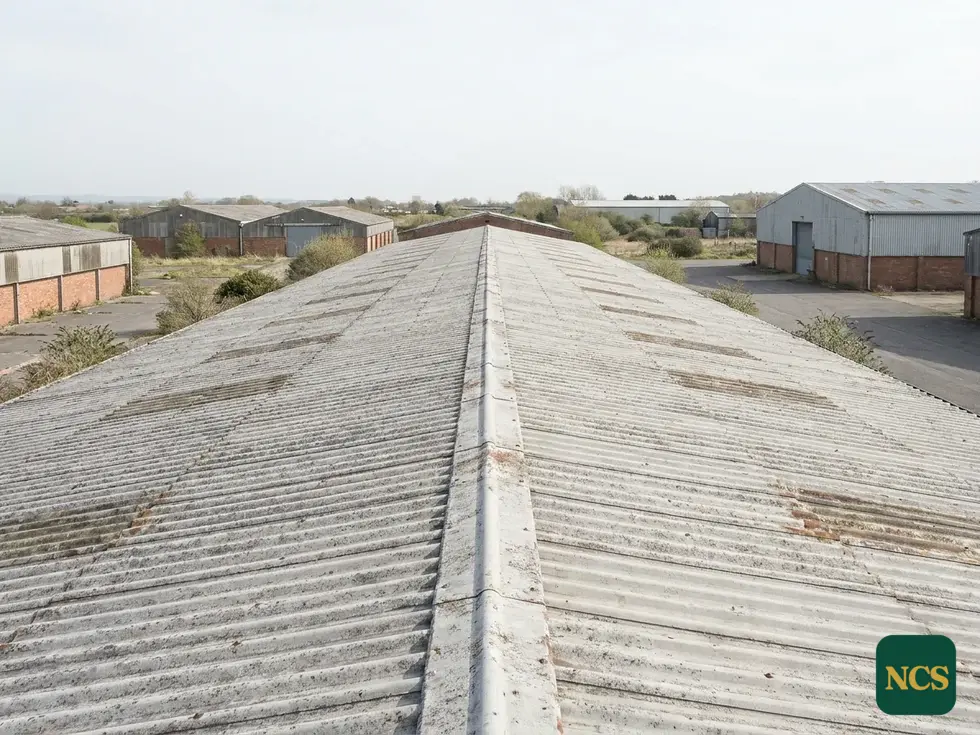
Cut-edge corrosion: catch it early or pay for sheets
The defect that decides most industrial roofing budgets is cut-edge corrosion: rust forming on the unprotected steel where sheets were cut, at eaves, side laps and end laps. Wet South West winters feed it. Moisture sits in the overlap, the edge corrodes, and the deterioration tracks back under the finish, lifting it as it goes. At the early stage, this is routine work within a coating project: the edges are mechanically prepared, treated and sealed with a dedicated cut-edge system before the main coating is applied. At the late stage, when corrosion has weakened the lap itself, the affected sheets need replacing, and the cost conversation changes completely. The difference between those two stages is usually two or three winters of inaction.
What we establish before specifying anything
We do not quote from aerial imagery. Every recommendation follows a physical survey that establishes:
- Whether the sheets, laps and fixings are structurally sound
- How far cut-edge corrosion has progressed, with photographic evidence
- The condition of gutters, valleys, rooflights and penetrations
- Any internal signs of leaks or saturated insulation
- Whether coating is genuinely the right intervention for this roof
Where coating loses to replacement
Coating extends the life of roofs that still have life to extend. It is the wrong answer for a roof with widespread perforation, corrosion that has compromised sheet strength or fixings, waterlogged insulation in a built-up construction, or permanent ponding caused by structural deflection. In those cases we will recommend repair or replacement and say so in writing, even though it means talking ourselves out of a coating contract. An honest condition report is more useful to an estates team than a tidy-looking roof that fails again in two years.
Most of the roofs we survey have not crossed that line, and for those buildings coating is usually the most economical option available: a fraction of replacement cost, no strip-off waste, and an Exeter site that keeps trading from the first day of work to the last. If your roof is showing its age, the survey will tell you exactly where it stands.