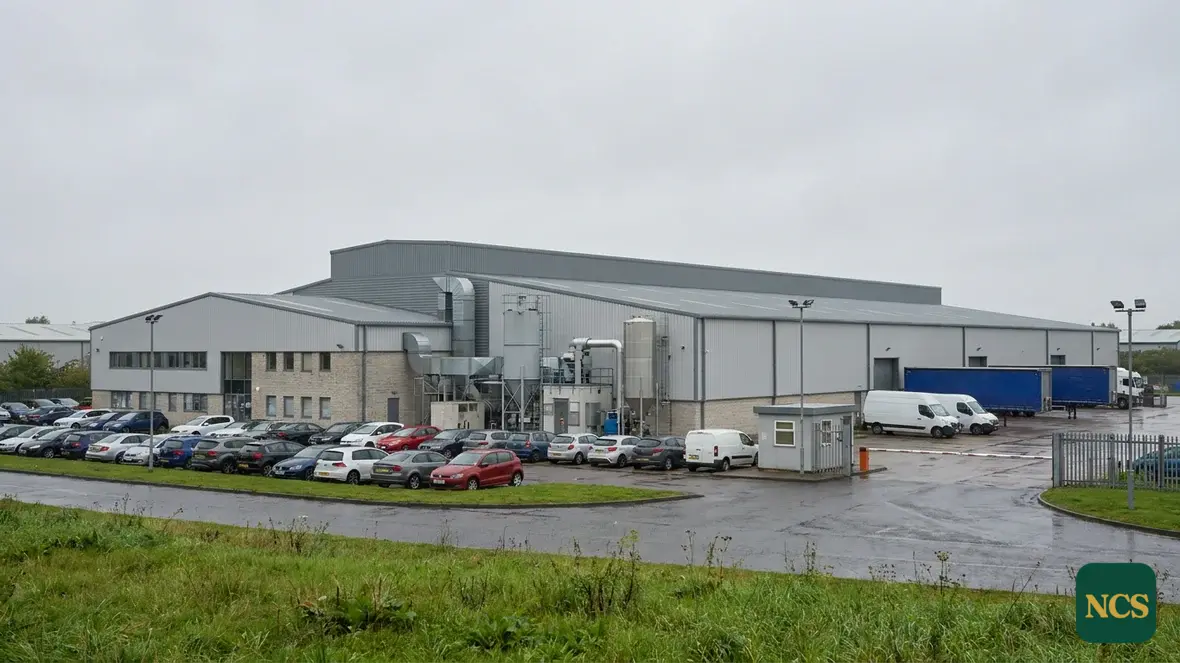
Wet winters, steel roofs and a predictable failure point
Devon’s weather is no stranger to rain, and the profiled steel roofs scattered across Exeter feel it most keenly where the sheets are weakest. When steel roof sheets are cut to size at the factory, that cut exposes bare metal along every edge and overlap. The factory finish protects the sheet’s surface for years, but the cut edge was never shielded at all. Rust takes hold there, then creeps back under the coating, lifting it as it spreads.
That’s cut edge corrosion. On the industrial estates around the city and the farm buildings dotting the county, it’s a common reason why coated steel roofs start leaking long before their time.
Painting over rusted edges is the repair that fails first. Around Exeter we treat the steel, seal the laps and then coat, in that order.
How a stained edge becomes a holed sheet
The defect thrives on moisture, and the Atlantic brings that in spades for months on end. Side and end laps pull rainwater in by capillary action, holding it tight against the bare steel. The joint stays wet long after the roof surface has dried. As the rust expands, it delaminates the coating. That curled edge then traps even more water, and the corrosion front climbs the sheet. Left unchecked, the steel thins until it perforates, usually at the eaves or an end lap. It nearly always happens first directly over whatever you’d least like soaked.

The case for treating it this year, not next
Catch it early, and it’s a contained, surface-level job: we mechanically prepare the corroded edges, apply a corrosion-inhibiting primer, seal the laps, and then apply a flexible coating band over that edge zone. It gets at the root cause, and your building stays open while we do it.
Every season you delay pushes more of the roof closer to the point where treatment simply won’t work. Replacement sheets, the access gear needed, and the disruption all cost many times more than an edge repair. The difference between those two outcomes is usually just a matter of timing. With this particular defect, early really does mean cheaper, and not by a small amount.
When we will not recommend coating
Our surveys sometimes turn up roofs near Exeter that are beyond treatment. We might find sheets already holed, laps with serious metal loss, or corrosion eating away at the underside where no coating can reach. We won’t quote a treatment for steel that isn’t there anymore. In those cases, we’ll lay out exactly what we’ve found, with photographs, and give you the realistic options: replace the failed sheets and treat the rest, or move to an overlay or full re-sheet. A coating company that says yes to everything isn’t one you should trust on your roof.
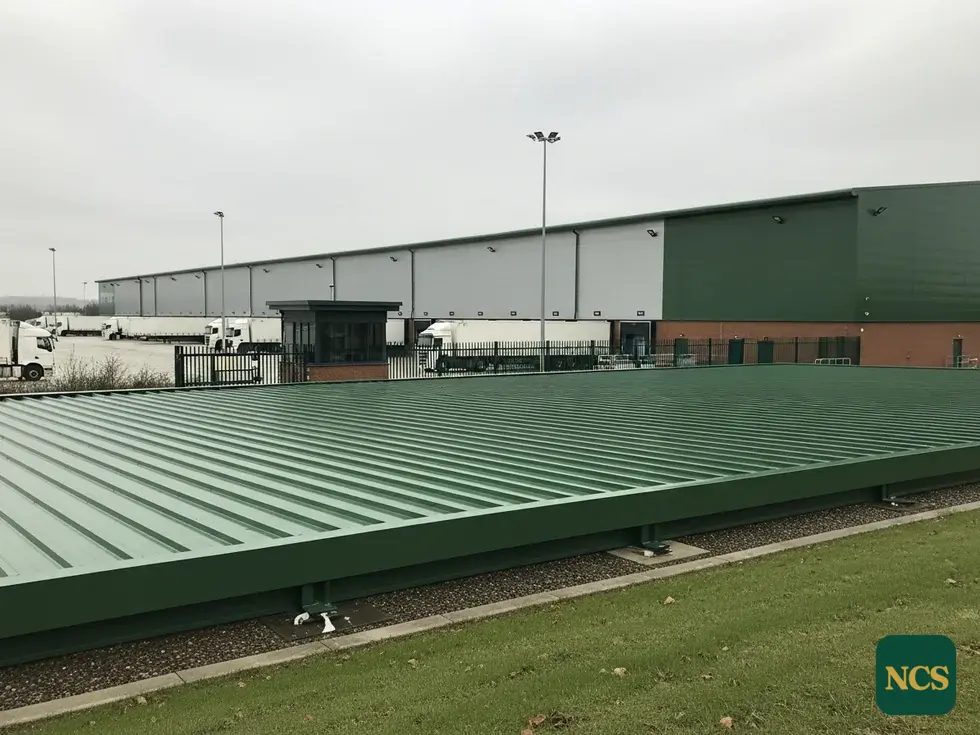
Edge treatment as part of a bigger answer
Cut edge corrosion usually shows up on roofs where the coating is ageing all over, not just at the edges. If the sheet faces are chalking, fading, or cracking, just treating the edges leaves the next failure point waiting. A full roof coating, with cut edge treatment built in, protects the entire surface in one go. That’s often the smarter long-term spend.
- Rust staining at the eaves or in the gutters
- Coating lifting or curling at the overlaps
- Rust rings spreading around fixings
- Damp patches inside the building below sheet ends
Any of those means it’s time to book a survey, rather than waiting for a leak. We’re based in the South-East and work UK-wide, covering Exeter and the wider South West. Every recommendation we make is grounded in what our survey actually finds.