The edge is where Gloucester’s steel roofs fail first
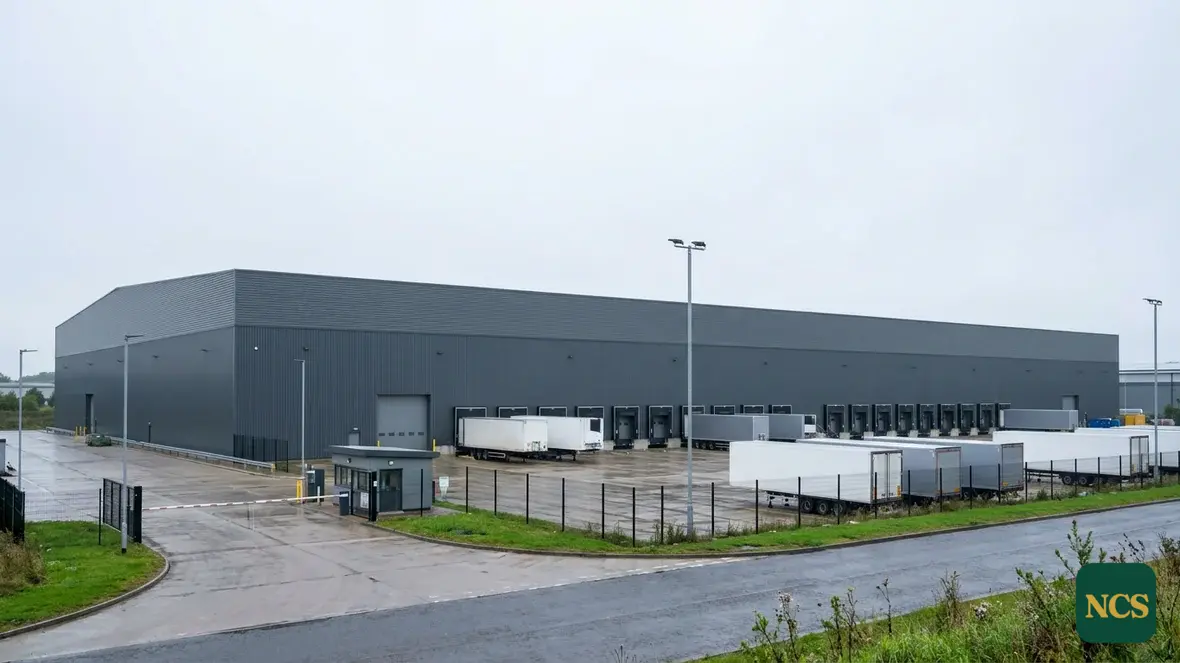
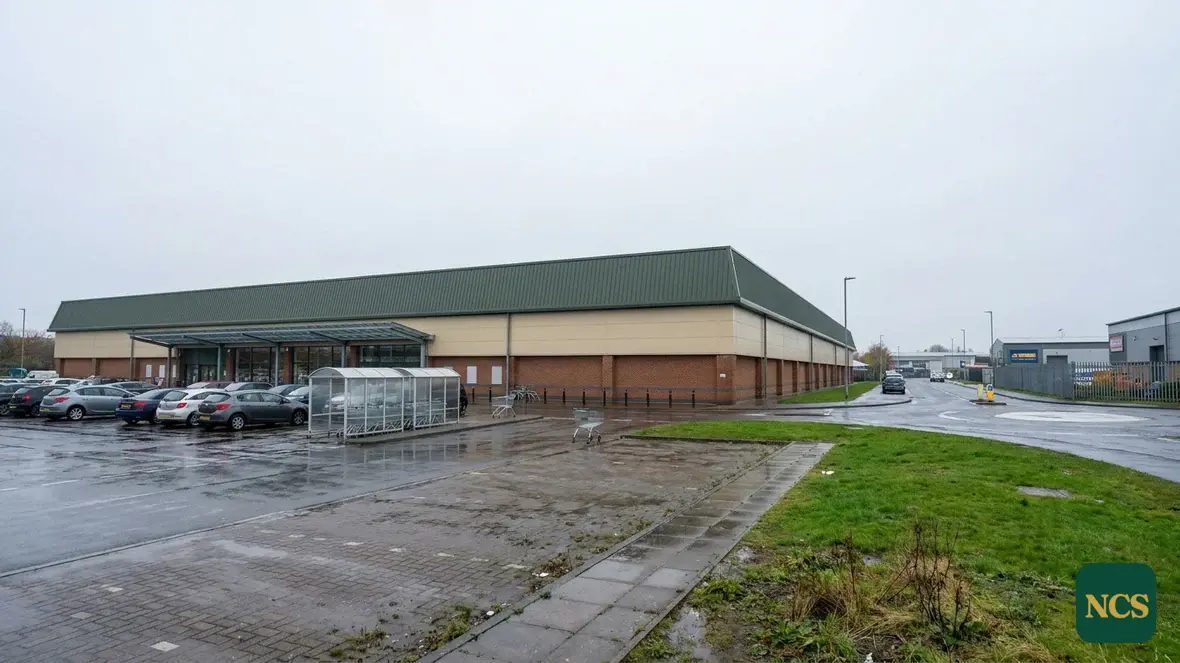
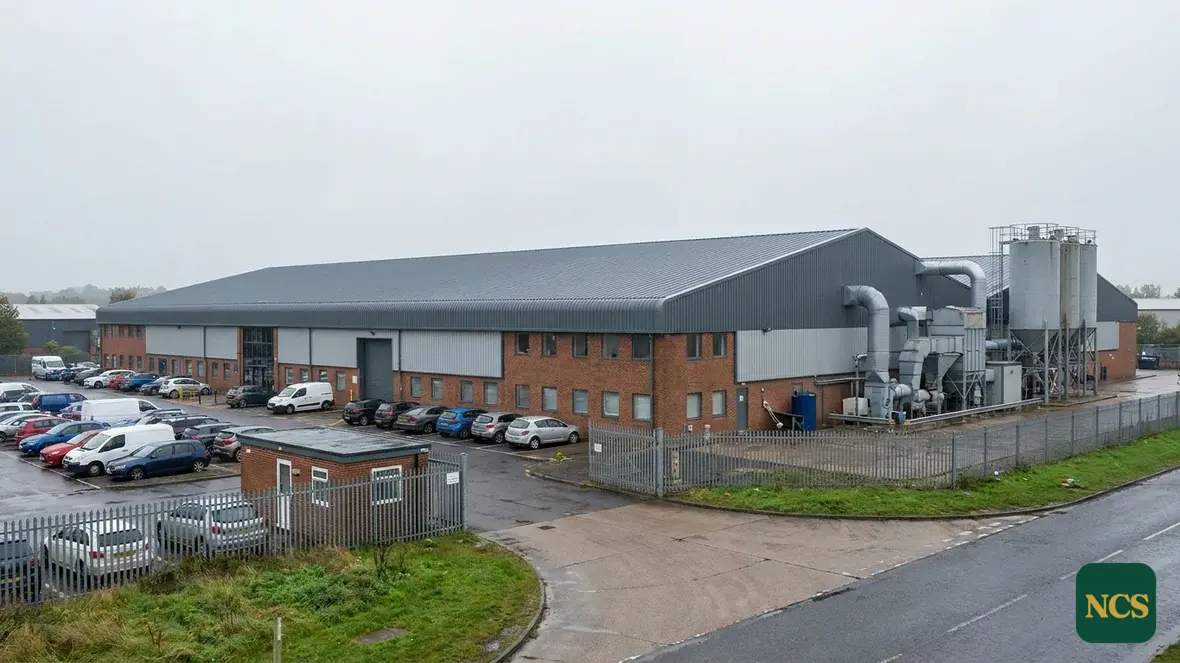
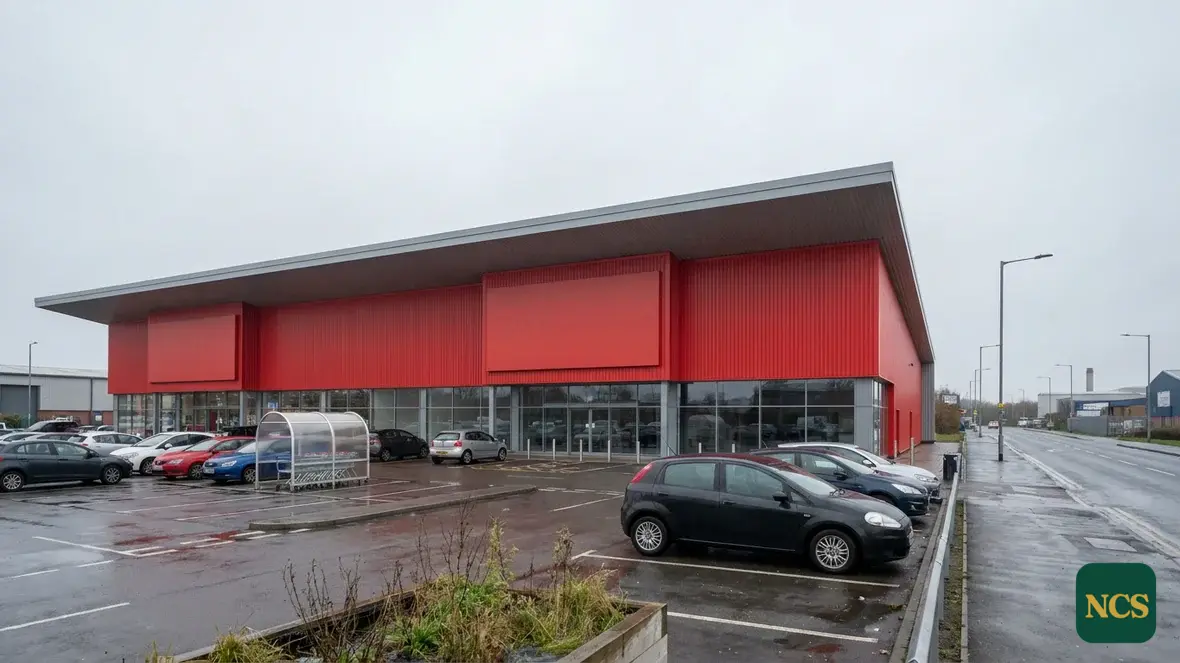
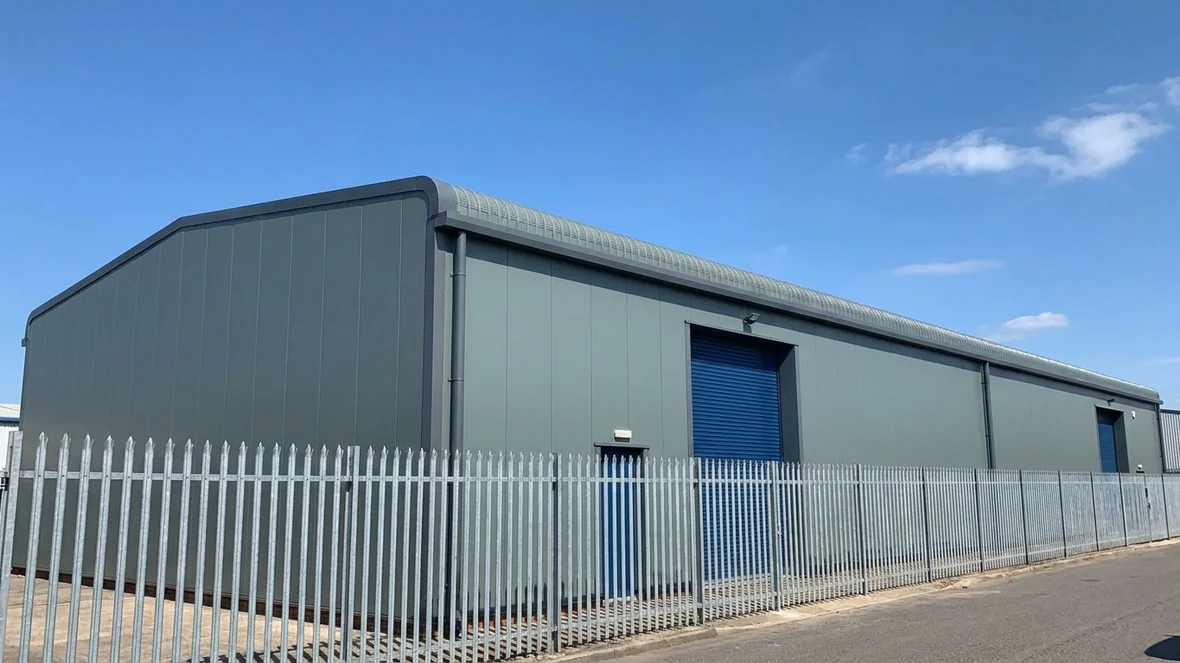
Industrial roofing around Gloucester spans decades: older sheds near the docks and railway lands, post-war workshops, and newer distribution units along the motorway corridor. Different ages, same detail. Profiled steel sheets are cut to length in manufacture, the cut exposes the raw steel core, and the protective coating on the face stops at the cut. Cut edge corrosion is rust taking hold on that unprotected edge and then spreading back underneath the coating.
You will usually spot it as a brown line along the eaves or staining at the overlaps. By the time it is obvious from the ground, the coating above it has normally started to lift.
The Severn Vale does not help
The vale is a damp place for steel. Mist off the river, long humid spells and persistent winter wet keep moisture sitting in the laps between sheets, exactly where capillary action has already drawn it onto bare cut steel. Joints that never dry out corrode steadily even in mild weather, and the expanding rust levers the factory coating away from the metal, opening more steel to the next wet spell.
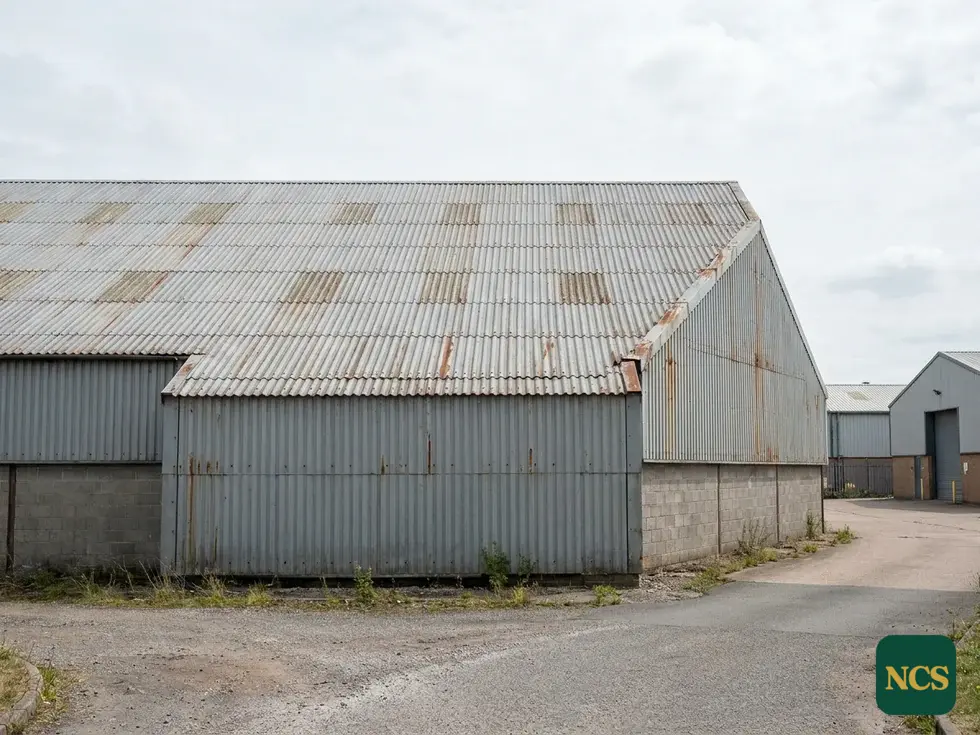
Older stock fares worst. A roof that has already lost its coating gloss and flexibility has fewer defences left, and edge corrosion on a tired coating moves faster than the same defect on a young one.
The early-versus-late gap
Treated while the corrosion is still shallow, this is a localised repair: the edges are abraded back to sound steel and primed, the laps are sealed, and a flexible coating band goes over the vulnerable zone. The building keeps trading underneath while it happens.
Wait, and the steel thins until it holes. Then the conversation is about replacement sheets, access equipment and interruption to whatever the building does, and the cost multiplies accordingly. The defect gives you a long window to act cheaply and a short one after that; the survey tells you where in that window your roof sits.
Sometimes the right advice is not a coating
We put the survey before the quote because some roofs around Gloucester are past treating. Perforated sheets, laps with serious metal loss, or corrosion on the underside of the sheets all rule a coating out, and we will say so directly rather than dress it up. The workable options then are replacing the failed sheets and treating the sound ones, or an overlay or full re-sheet if the roof is finished as a whole. You get our photographs and reasoning either way, so nothing rests on a salesman’s opinion.
What the survey records before anything is recommended
- Condition of accessible cut ends, side laps and end laps
- How far rust has travelled beneath the coating
- State of fixings, flashings and gutter lines
- Coating condition across the sheet faces: chalking, cracking, fade
- Whether edge treatment alone or a full roof coating is better value
That last point matters. If the coating across the whole roof is tired, treating the edges in isolation leaves the rest to fail on its own schedule, and a full roof coating with cut edge treatment built in is usually the sounder spend. We are South-East based, cover the whole of England, and Gloucester sits comfortably within our working area. If there is rust at your sheet ends, the survey is the place to start.