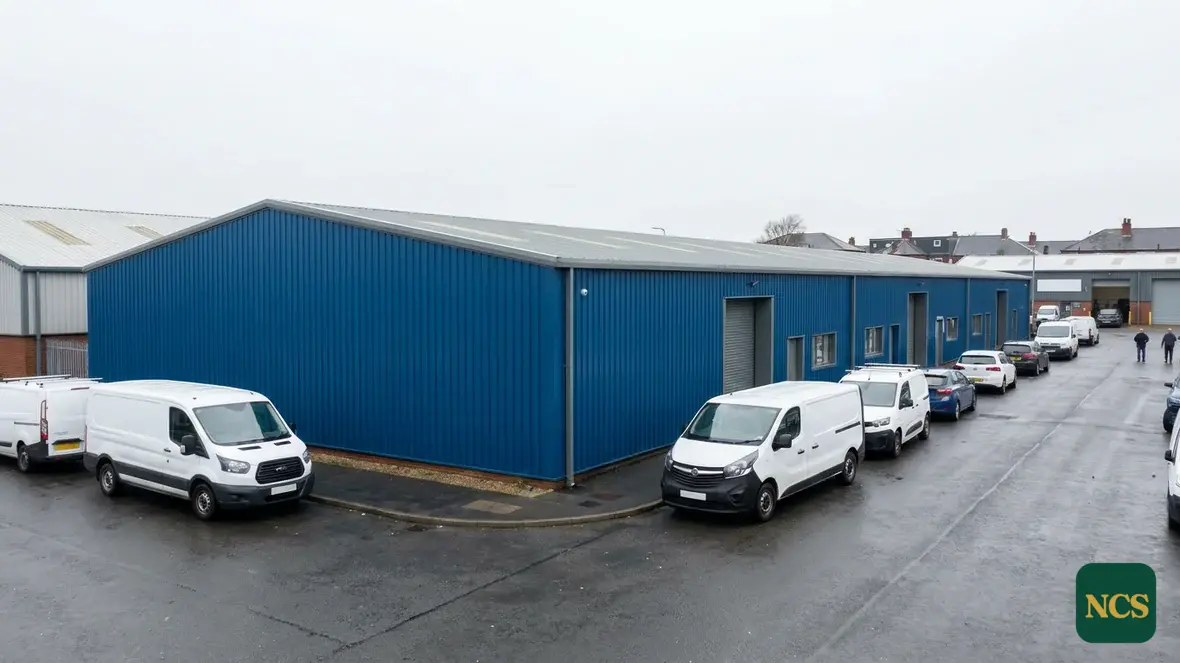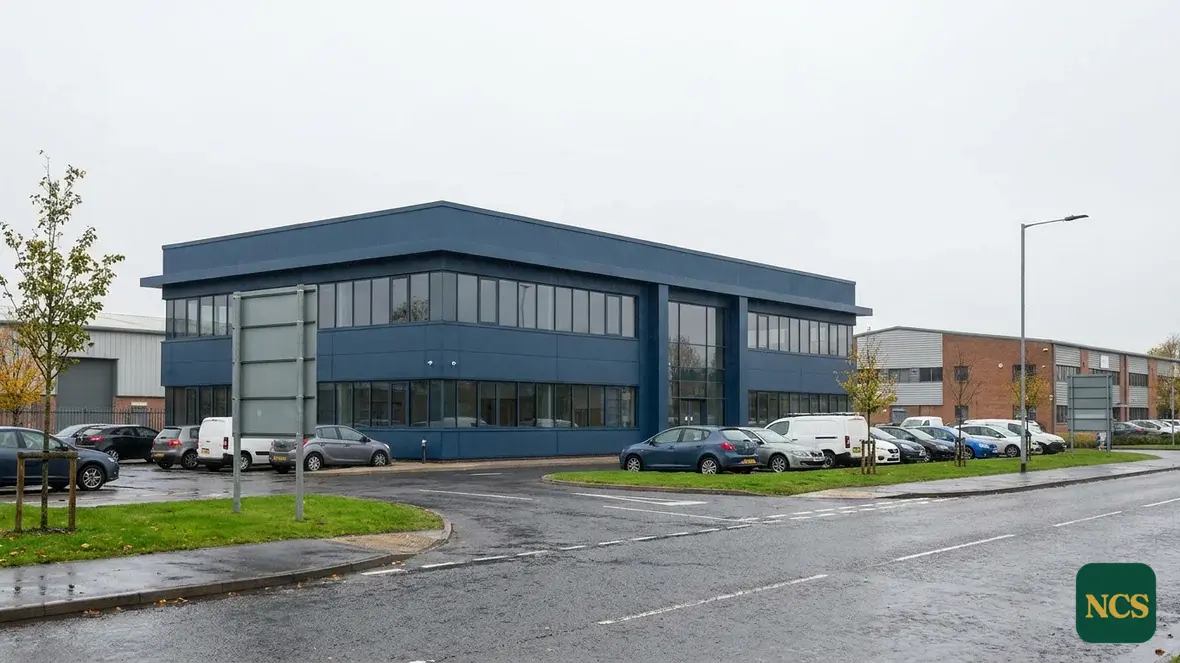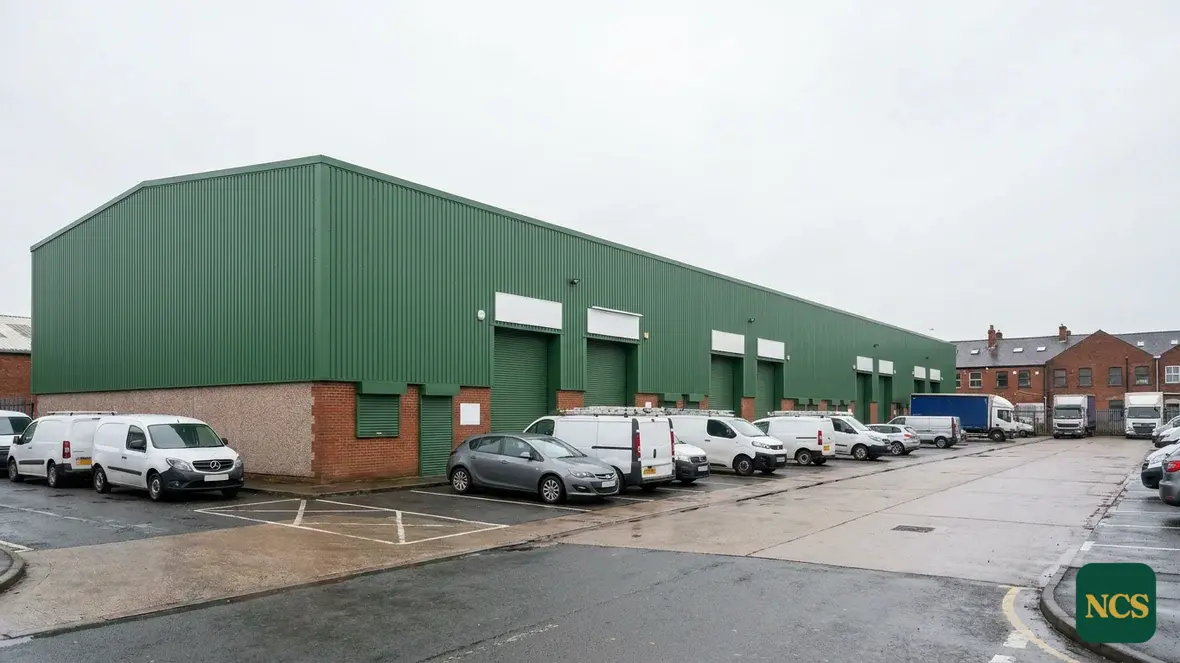
We coat the outside of commercial, industrial and agricultural buildings in Gloucester, from profiled steel walls to ageing asbestos cement roofs. It’s usually about bringing the colour and protection back to tired cladding, but it’s also about managing what’s already there. Particularly with older buildings around the docks and the city’s warehouse heritage, leaving well alone often beats ripping out.
What we see on Gloucester’s busy buildings
Gloucester has a practical mix of commercial buildings. You’ve got industrial and trade units dotted around the ring road and towards the M5, then the big distribution and storage sheds that serve the Bristol-Birmingham corridor. Down by the docks, the regenerated areas sit alongside the usual retail and office space. And if you head out into the wider Gloucestershire countryside, you’ll see steel-framed agricultural and equestrian buildings everywhere.
Most of these are clad in profiled steel or composite panels. The problems they usually develop, like fading, chalking, surface rust creeping in at cut edges, streaky fascias or those mismatched repairs, are exactly what spray coating is designed to fix. Colour change is worth a mention on its own. A lot of our enquiries come from a change of occupier or a rebrand. Spraying lets a building shift from one corporate colour to another without touching the panels themselves. Around the docks and the city’s more visible spots, that quick visual reset carries real commercial value.
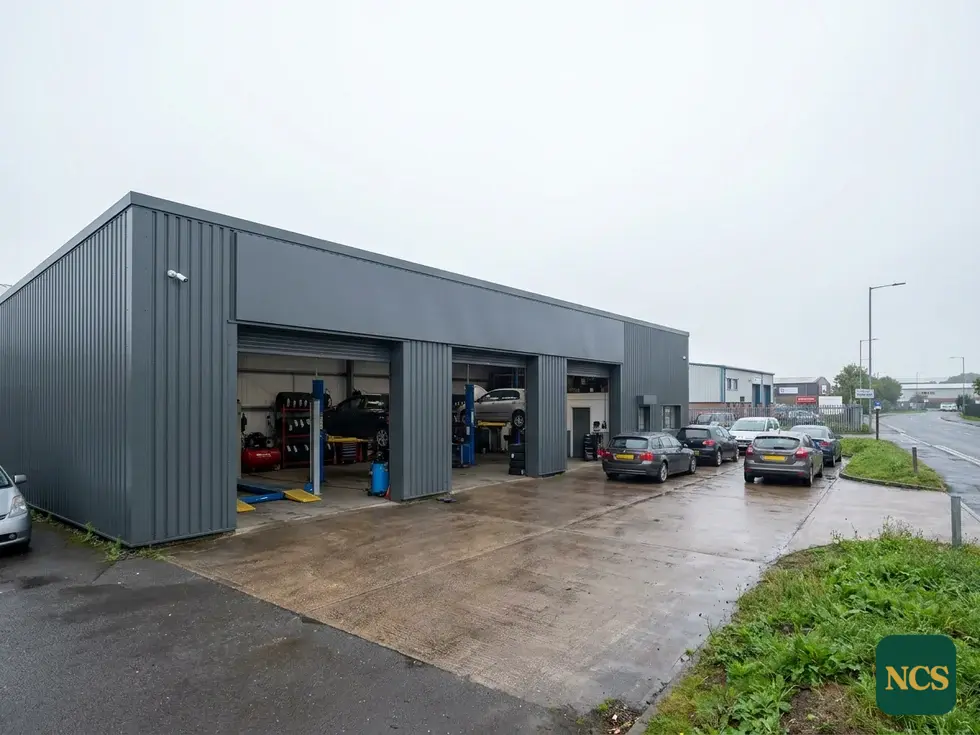
On-site cladding respraying keeps a Gloucester building working while the elevation is brought back, panel by panel.
Encapsulating asbestos cement on Gloucester buildings
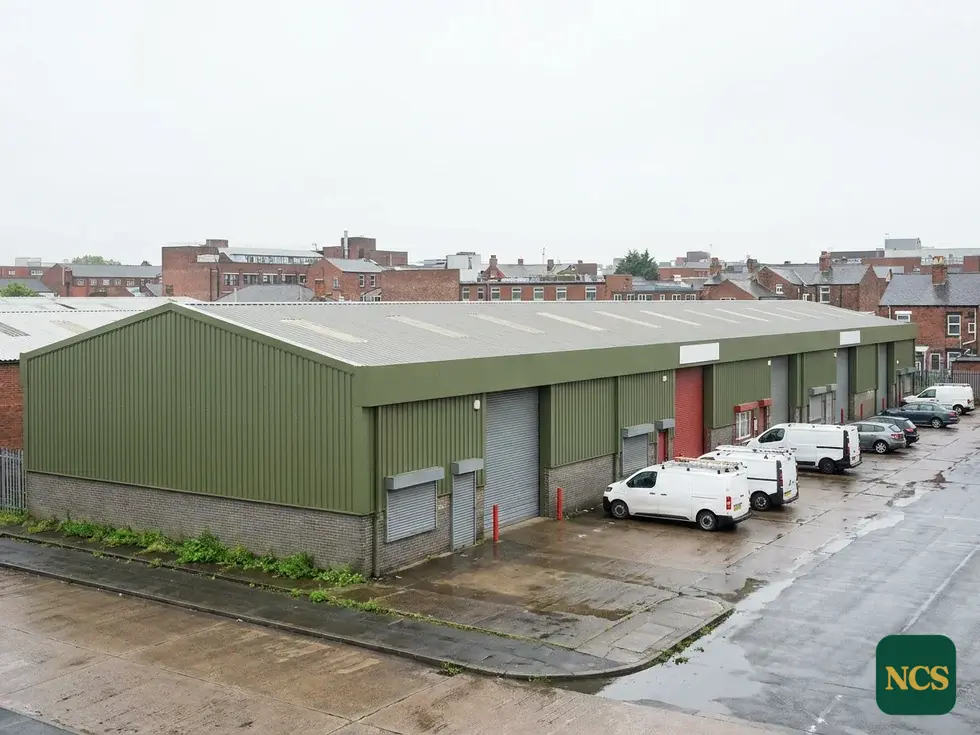
Many older buildings in Gloucester still use fibre-cement or asbestos cement sheeting, especially on roofs and older agricultural barns. Disturbing these sheets for replacement is often expensive and unnecessary, particularly when they are sound but just look tired or show surface erosion. We offer asbestos roof encapsulation, which means we clean, treat, and then coat the existing sheets, sealing them in place. This manages the material safely, prevents further degradation, and provides a fresh, durable surface without the cost and disruption of removal. It’s often the best approach for managing the duty to manage asbestos on a building.
Our honest assessment: when we cannot help
A coating is for protection and looks, not structural repair. If your panels are delaminating, rusted right through, mechanically damaged or letting water in, spraying over them just hides the problem for a season. You’ll get it back worse later. We also can’t change the fire performance of a cladding system with paint, and we’d never suggest otherwise. If a survey turns up issues like these, the report explains them plainly and points you towards the right fix, whoever ends up doing the work. And if access costs or repairs push a marginal building’s sums too close to replacement territory, we’ll tell you that too.
Refreshing cladding finishes in Gloucester
Cladding spraying in Gloucester usually starts with one of two things: a building looking a bit tired next to its neighbours, or you’re seeing the first signs of cut-edge corrosion on its steel skin. Either way, the maths points in the same direction. A spray job brings the colour and protection back to sound cladding. It’s less disruption than replacing panels, and we can usually get it done while you keep the building working. National Coating Specialists always approaches an enquiry the same way: we survey it first, then we spec it out, then we price it. We’d rather tell you a building isn’t worth coating than spray one that’s already past saving.
The path of a building coating project
From first contact to handing it over, a typical project usually runs like this:
- Condition survey: we check adhesion, map out any corrosion, and take a close look at edges, laps, gutters and fixings.
- Honest report: what’s still good, what needs fixing, and whether coating even makes sense for your building.
- Preparation: cleaning everything down, treating corrosion, priming, and careful masking up.
- Application: building up even spray coats, always working around suitable weather windows.
- Inspection: we check the finished work elevation by elevation, then walk through it with you.
We’re based in the South East but work across the UK. Surveys around Gloucester are easy to combine with Cheltenham, Stroud, Tewkesbury and Cirencester. That means we can assess multi-site portfolios across Gloucestershire in a single visit.
Why an initial site inspection is essential
A price given without an inspection is just a guess dressed up as a number. The survey is what lets us pick the right preparation and primer for the actual substrate, predict the corrosion treatment a building genuinely needs, and give you a figure that won’t shift once we start. It also keeps our advice honest, because the recommendation is written before we even think about the price.
For anyone owning or managing clad buildings in Gloucester and across Gloucestershire, that first inspection is the most useful hour you can give the project. Get it done before you commit to anyone, including us. Every decision after that becomes much clearer.