Commercial wall coating in Gloucester, done the survey-led way
We see a lot of commercial wall coating jobs in Gloucester. It’s a diverse city: you’ve got the old Victorian brick warehouses down by the docks, rendered post-war offices, and plenty of modern steel-framed units on the business parks along the ring road. The Severn Valley climate doesn’t help either, keeping masonry wet for long stretches. Our approach is always the same: we survey the building first, figure out what’s really happening with the walls, and then we talk coating systems, prep, and price.
Signs an elevation may be ready for attention
Most of the calls we get from Gloucester start because an owner has spotted something, not because it’s a planned job. These are the usual triggers, and they’re also what we look for as a surveyor:
- Flaking paint or chalking, sometimes just a few years after the last coat.
- Hairline cracks or patches of render that sound hollow when you tap them.
- Green or black staining, especially on walls that take the brunt of the weather.
- Damp patches showing up inside on external walls.
- Brick faces starting to spall and crumble after winter frosts.
None of those automatically means a coating is the right fix. Each one means we need to find the cause before anyone spends a penny.
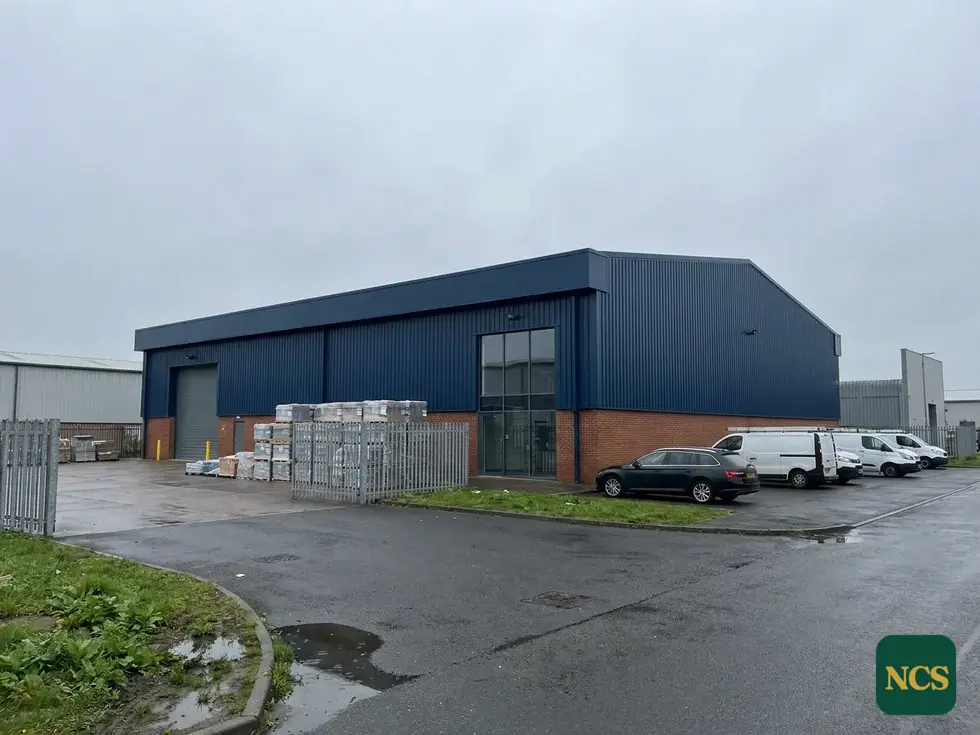
The local stock, from the docks to the business parks
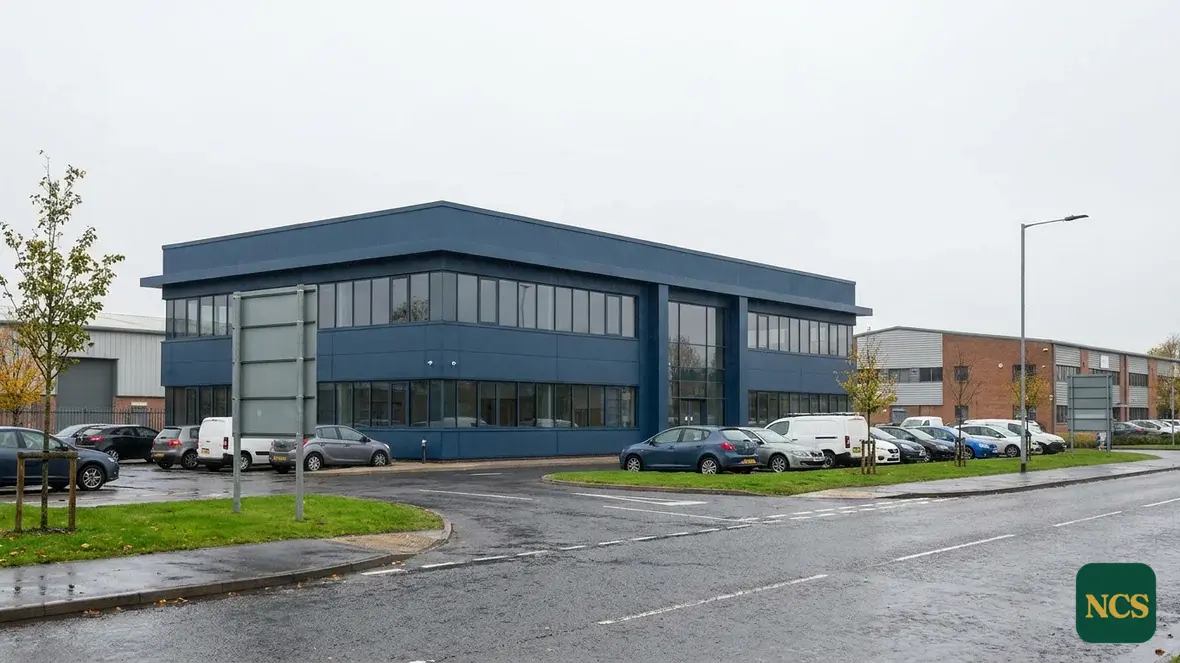
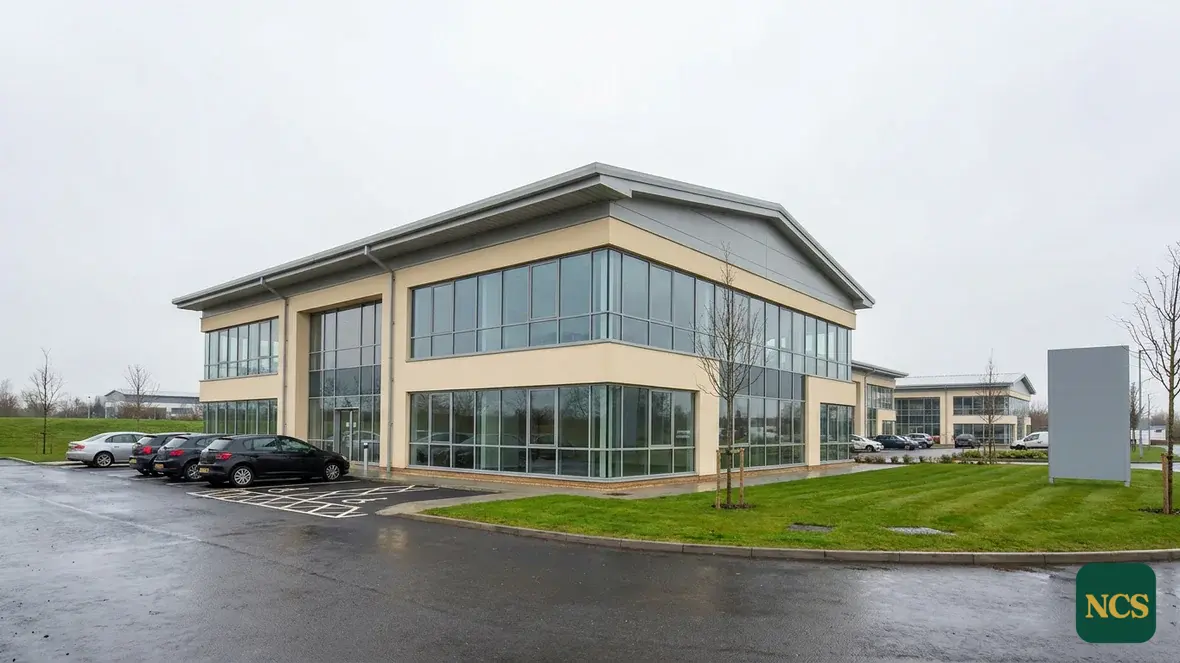
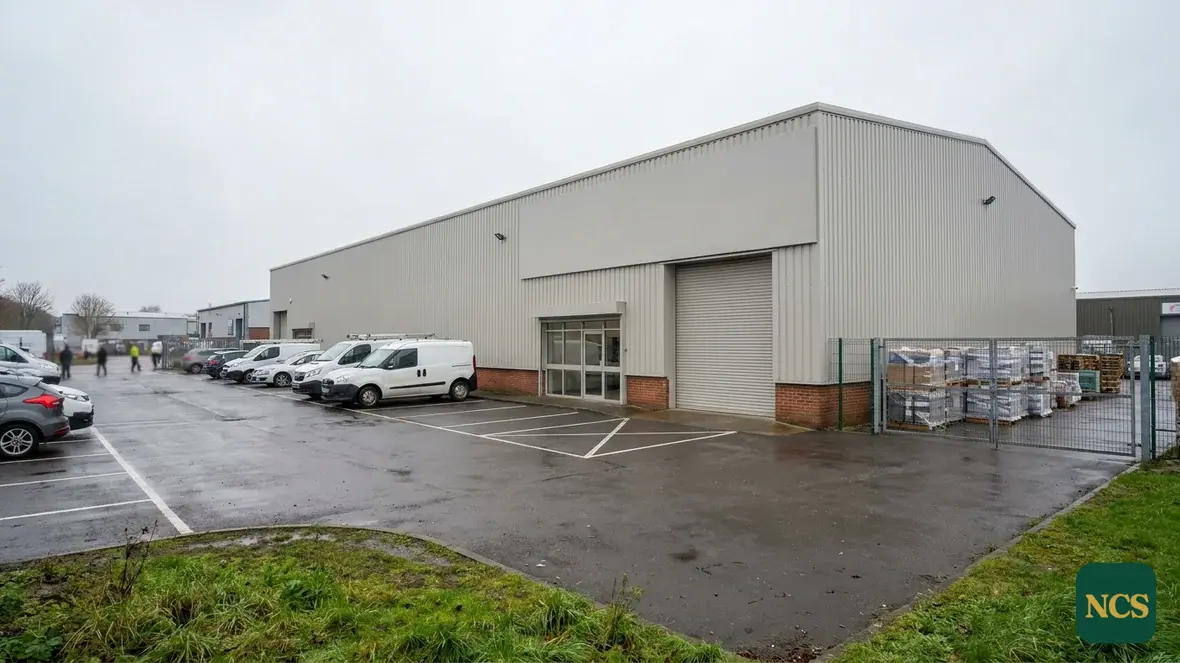
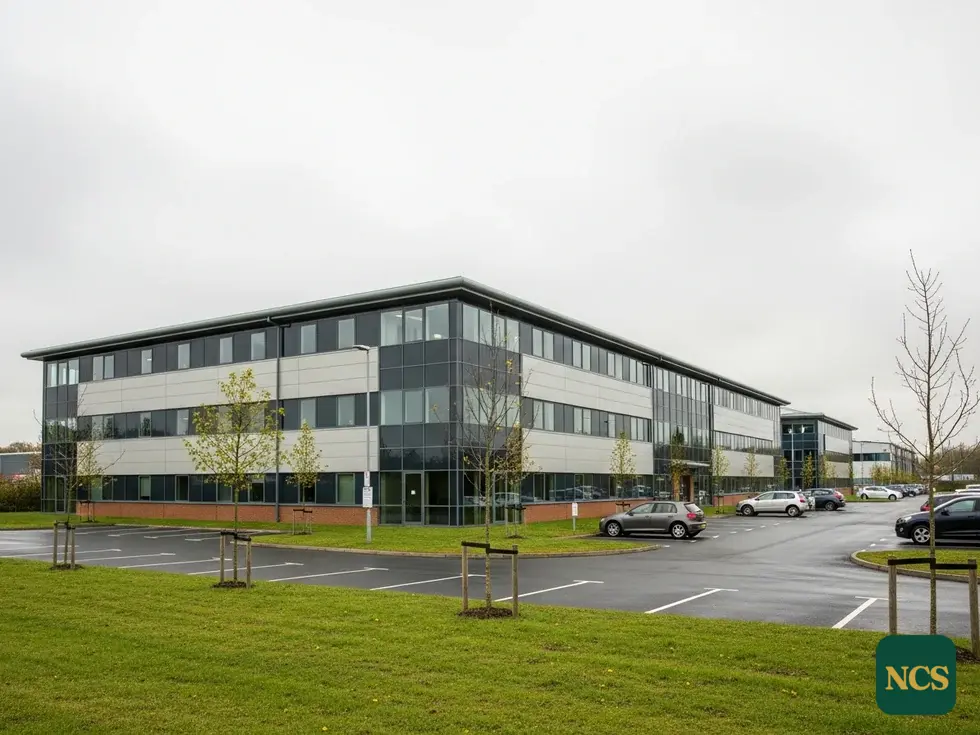
Generally, when we’re coating commercial buildings around Gloucester, we’re looking at Victorian and Edwardian brick buildings still in use, rendered shopfronts and offices in the city centre, converted warehouses near the docks, and newer brick or rendered units on the estates out towards the M5. Solid-walled old buildings and modern cavity constructions handle moisture differently. A system that works for one can be completely wrong for the other. Our survey sorts that out, and it’s why we won’t quote for anything beyond a rough budget from photos alone.
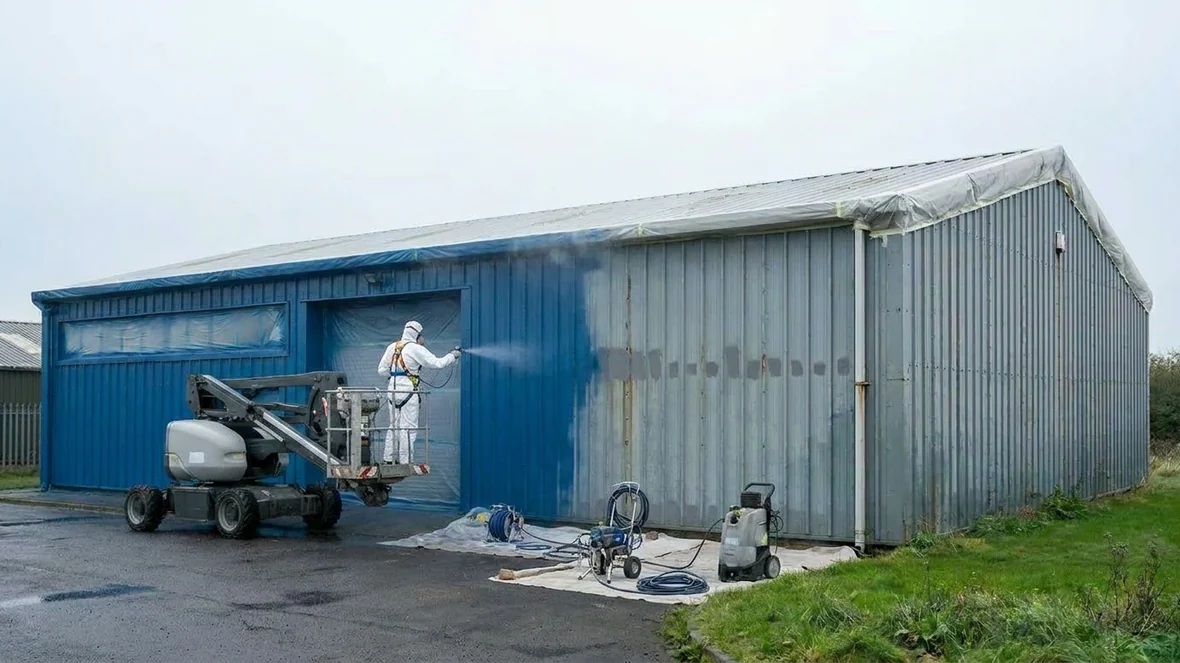
Our commercial painting work around Gloucester is exterior only, and it always begins with the substrate: render, masonry and concrete are put right before the coating.
What our process looks like for a Gloucester building
When we survey a building in Gloucester, we’re checking moisture levels, identifying the substrate, testing adhesion on any existing render or paint, and looking at all the details that cause most water ingress: copings, sills, parapets, and rainwater goods. You get our findings in writing. We separate out the repairs and prep from the coating system itself, so you can compare our quote line-by-line with anyone else’s. The work itself follows a logical sequence: we fix the root cause first, then prepare the surface, and finally apply the coating, always in the right weather for the product. We survey all over Gloucestershire and into the neighbouring counties, so places like Cheltenham, Stroud, Tewkesbury, and Cirencester get the same thorough approach as Gloucester itself.
And when coating is not the answer
We always put this in writing because it’s the bit most contractors gloss over. Coating won’t fix structural movement. If you’ve got cracks stepping through brickwork or following lintels, you need to investigate that first. It also won’t cure damp from a leaky gutter, a bridged damp-proof course, or ground levels built up against the wall; those need fixing at source. Some of the older, solid-walled buildings near the centre might need a breathable treatment instead of a film-forming system. And if a wall is in genuinely good nick, it might not need anything at all. A survey-led contractor tells you exactly what situation you’re in before you commit, and that, more than any product claim, is what protects the value of a commercial building over the long term.