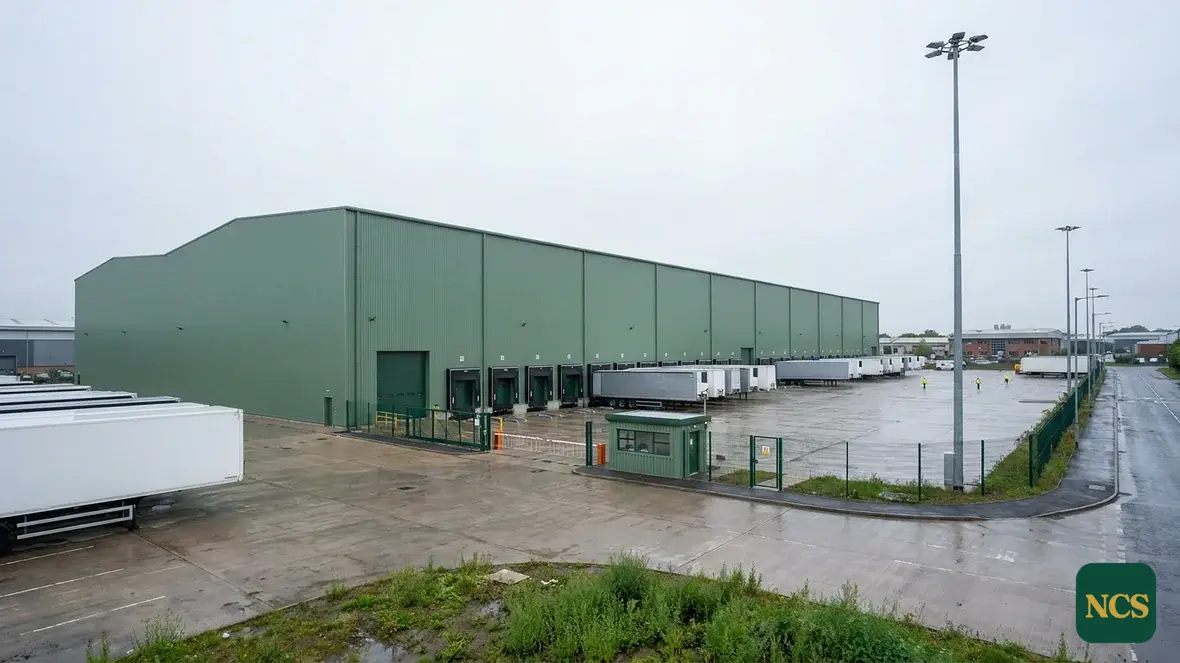
Commercial roof coating in Gloucester
Walk into a commercial building in Gloucester and ask what is keeping the rain out. On many roofs, the honest answer is habit. Sheeting fitted decades ago, felt patched more times than anyone remembers, gutters doing more than their share of work. Commercial roof coating in Gloucester is the practical response for roofs in that state: structurally sound, but with a surface that has stopped doing its job. A liquid-applied membrane, built up over a properly prepared roof, seals the whole area, laps, fixings and details included, into one continuous waterproof layer.
Compared with replacement it is faster, considerably cheaper and far less disruptive to whatever happens inside the building. The condition is that the roof must genuinely suit it. Only a survey can establish that.
If you have been quoted for roof painting in Gloucester, compare the preparation, not just the finish. The treatment of the sheets and fixings decides how long any coat lasts.
What Gloucester’s roofs are actually made of
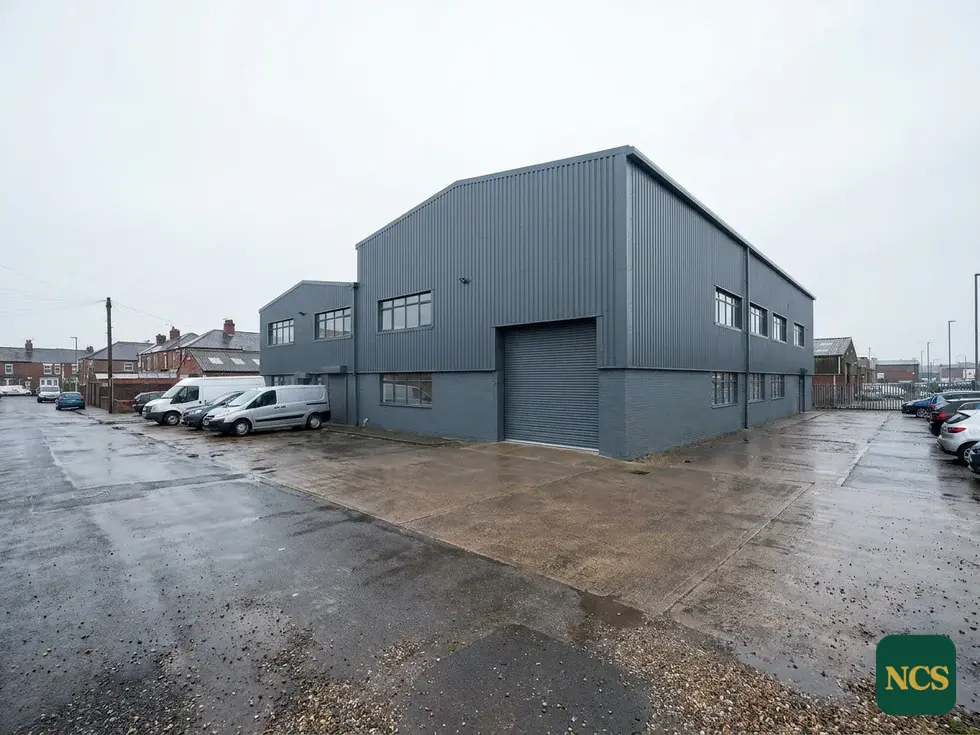
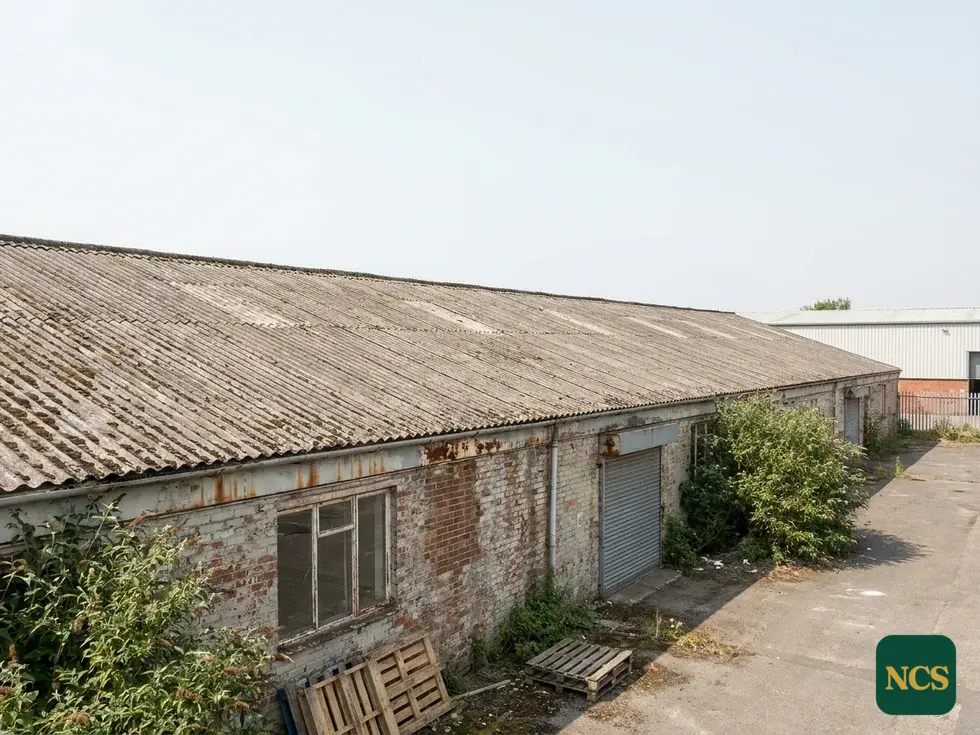
Gloucestershire’s commercial building stock spans more than a century. Around the docks and the older parts of the city sit brick warehouses and converted buildings, many carrying flat roofs in asphalt or built-up felt. The estates along the Bristol Road corridor and out towards the M5 are dominated by steel portal-frame units with profiled metal roofs, while fibre cement still covers plenty of older sheds and agricultural buildings between Gloucester and the surrounding towns.
Severn valley weather tests all of them. Persistent wet spells find every weak lap and rusting fixing. Mild, damp winters keep moss and algae growing on cement sheets. The defects differ by substrate. That is why the system and preparation must too.
First the survey, then the specification
We do not quote from photographs or postcode averages. We inspect the roof in person: substrate, seams, fixings, rooflights, flashings, drainage and any evidence of moisture already inside the build-up. You receive a written report with photographs and one of three recommendations: a full coating specification, targeted repairs, or a frank steer towards replacement if that is better value.
Where a coating goes ahead, preparation comes first: cleaning, corrosion treatment, fixing replacement and detail work, then application to the manufacturer’s specification. We programme around your operation. Alongside Gloucester we cover Cheltenham, Stroud, Tewkesbury and Cirencester, so multi-site businesses across Gloucestershire can deal with one contractor for the lot.
The roofs we tell owners not to coat
A coating contractor who never says no is not assessing roofs, just selling to them. We advise against coating where:
- Insulation within the roof is wet, since a membrane would seal that moisture in
- Sheets or decks are corroded or rotted through, leaving nothing sound to bond to
- Cut edge corrosion has advanced deep into the sheet body
- Ponding is structural and falls cannot be corrected by surface work
- The roof is at end of life and replacement is the better long-term spend
If your roof falls into one of these categories, the report will say so and explain the alternative, with no charge for the honesty.
Why a survey-led contractor earns its keep
Almost every failed coating in the country failed for a predictable reason: no proper survey, rushed preparation, the wrong system for the substrate, or application in poor conditions. None of those failures shows up on the day of handover. They show up two winters later. A survey-led process is how you buy the version of this work that lasts: a documented roof condition, a line-by-line specification, preparation done before any product is opened, and a finished membrane applied as the manufacturer intended. For Gloucester businesses, that is the difference between extending a roof’s life and merely repainting a problem.