Protecting Gloucester’s mixed-age industrial stock
Gloucester’s industrial landscape really shows its age. You’ve got the old factory and warehouse buildings around the docks and canal corridor, then the modern distribution sheds on the estates feeding the M5. The roofs span every era in between. For the estates and facilities teams managing that mix, it’s not usually a question of whether the roofs are ageing, but which ones can actually be protected economically and which are just done. We provide survey-led industrial roof coatings in Gloucester and across Gloucestershire, and that survey exists to answer precisely that question with hard evidence.
From older factory roofs to modern profiled sheets
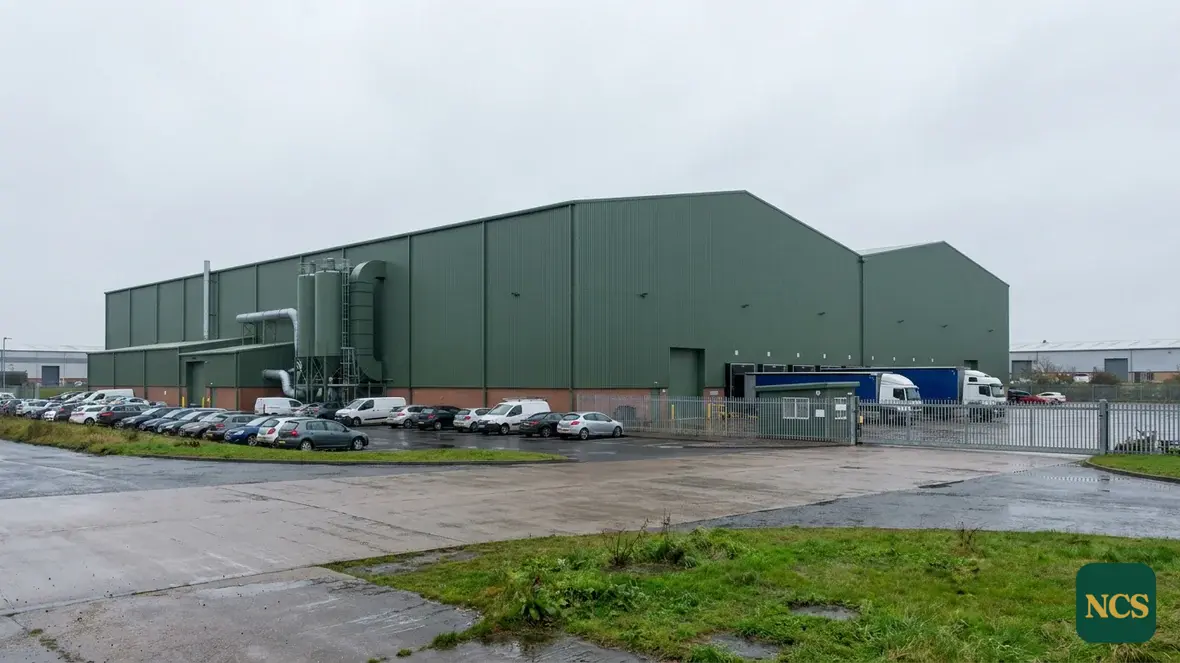
The newer buildings are usually the simpler job: profiled steel roofs where the factory finish is just wearing through after twenty or thirty years. Coat them at the right time, and they get a renewed weatherproof surface for a fraction of what replacement would cost, and you can keep the building occupied throughout.
The older buildings need a bit more thought. We see a lot of previous repairs, different sheet types mixed in, replaced sections and decades of detail alterations. Some older roofs use materials that demand specific handling and honest advice, not just a standard specification. We always assess what’s actually up there before we propose anything. A coating system is only ever as good as the substrate underneath it.
Painting an industrial roof in Gloucester is downtime-sensitive work, so the programme is built around shifts, access and weather windows.
Damp air, standing water and cut-edge corrosion
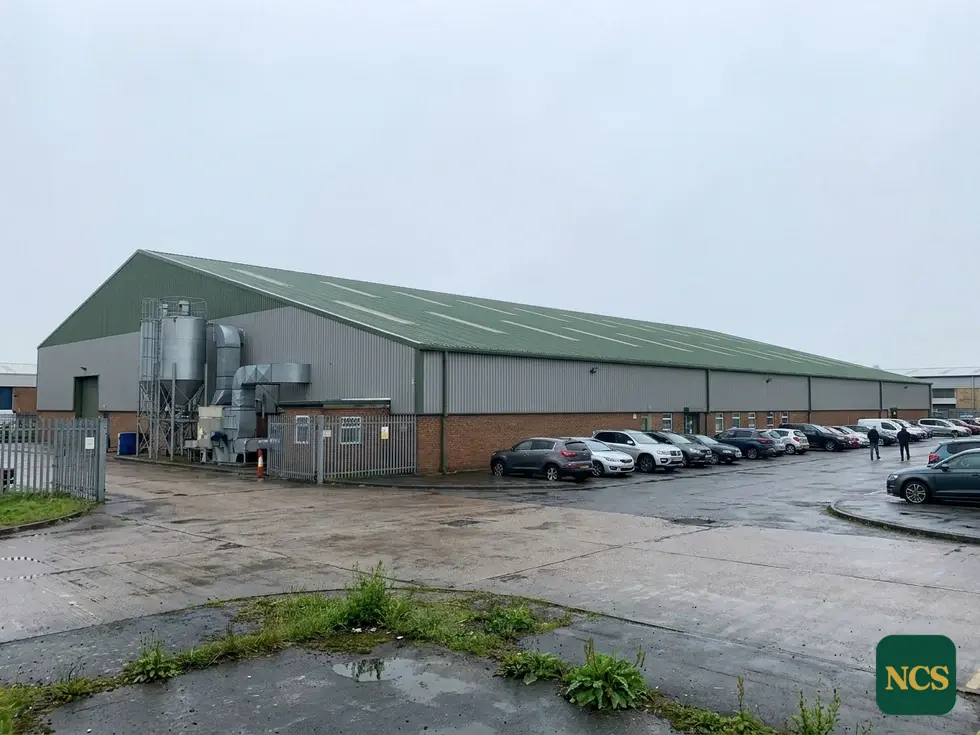
The Severn vale holds its share of moisture, and roofs here spend long stretches of the year damp. That feeds the two failure modes we find most often on profiled metal. First, cut-edge corrosion: rust on the unprotected sheet ends at the eaves and laps, which creeps back beneath the finish and lifts it. Second, gutter-line decay, especially in concealed valleys between bays, where debris and standing water sit against the steel for months at a time. Both are treatable with dedicated preparation and sealing systems if we catch them while the metal still has its strength. We check for both as standard in our survey because they dictate the true scope and cost of the work.
Questions worth asking any coating contractor
Whether you talk to us or anyone else, the answers to a few direct questions will tell you most of what you need to know:
- Have you physically surveyed the roof, or quoted from photographs?
- How will cut-edge corrosion be prepared and treated before coating?
- What happens to the gutters, valleys and rooflights within the scope?
- How will the works be sequenced around our operation and access?
- Will you tell us in writing if the roof should be replaced instead?
A contractor who hesitates on the last question is telling you something important.

When a coating would be the wrong call
Every industrial area, Gloucester included, has roofs that are past coating. We decline that work rather than try to disguise it. Widespread perforation, corrosion that has weakened laps or fixings, saturated insulation within built-up roofs, and ponding driven by structural movement all point to repair or replacement. Coating over those defects just buys appearance, not protection, and it usually costs more in the end because the underlying failure carries on regardless.
Where the survey confirms a sound substrate, the case for coating is strong: significantly lower cost than re-sheeting, no strip-off waste, no period with the building exposed, and minimal disruption to the operation underneath. The honest survey report comes first, and it’s yours to keep and act on either way. For mixed-age industrial stock, that report is often the most useful maintenance document an estates team will commission all year.