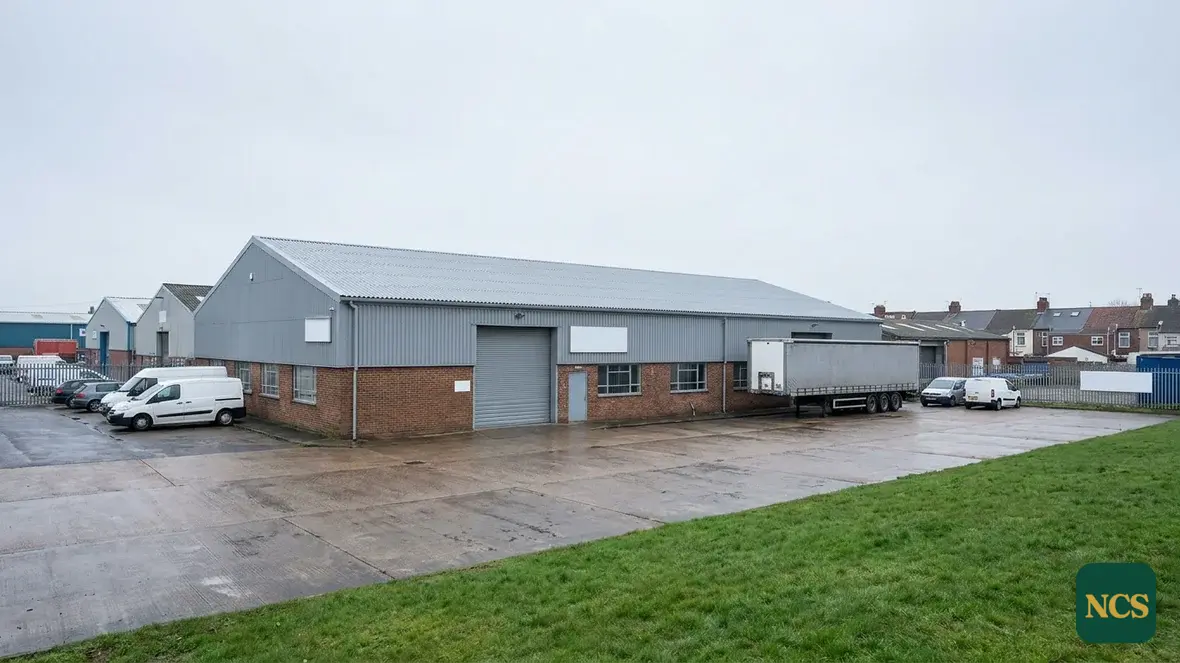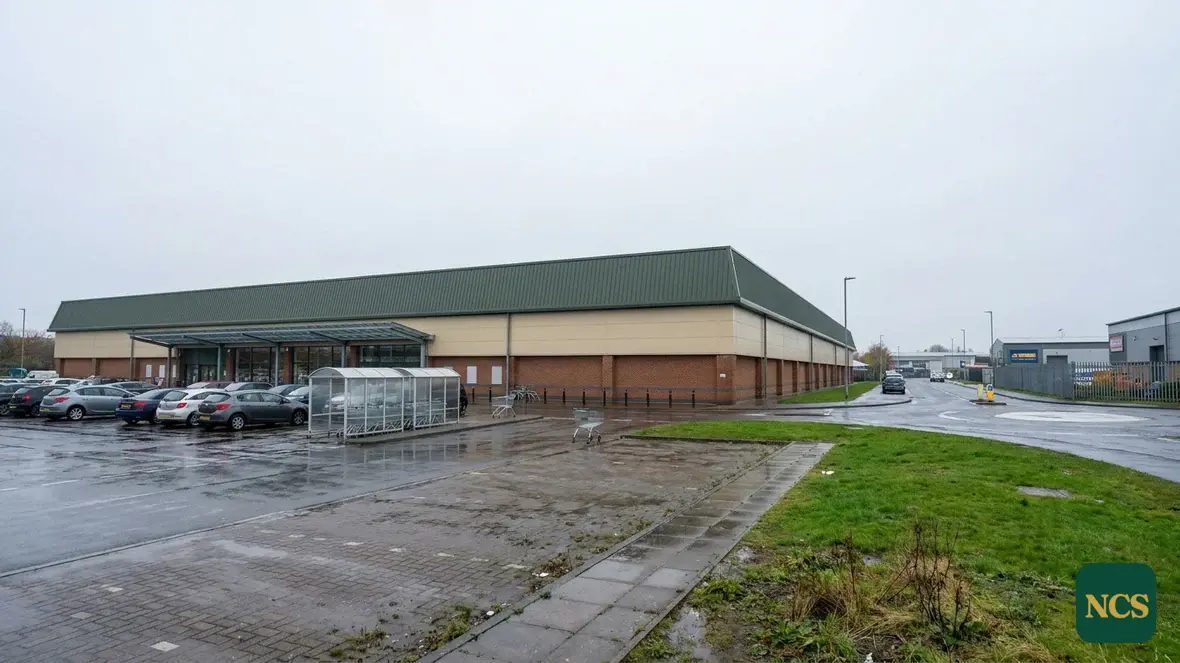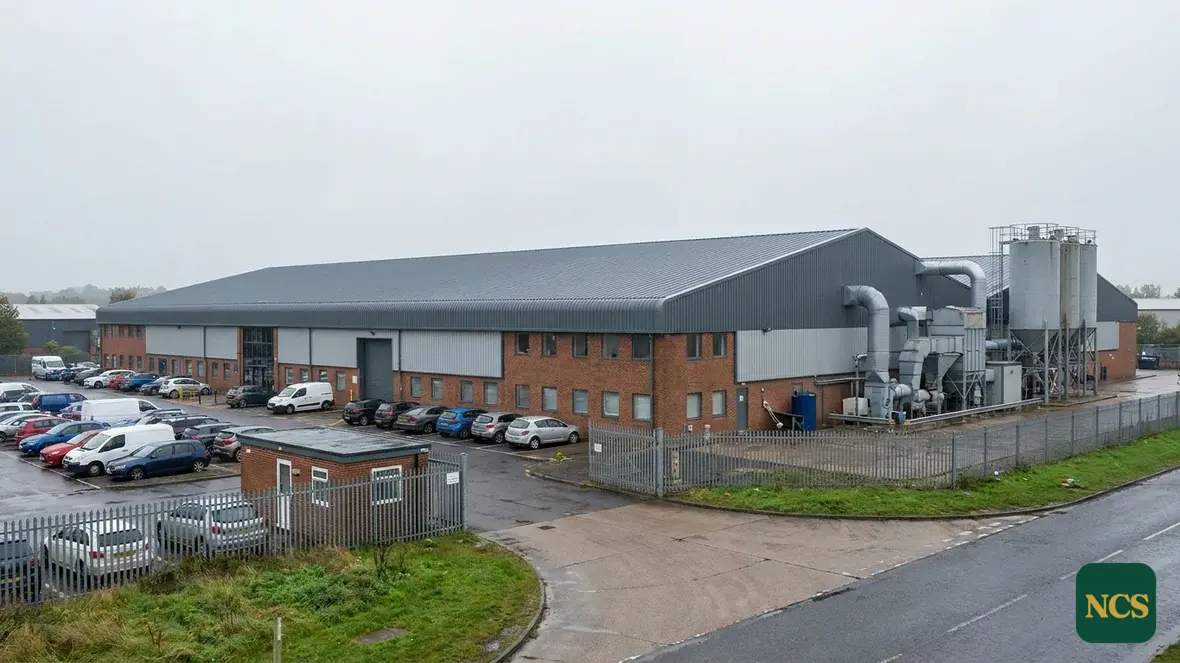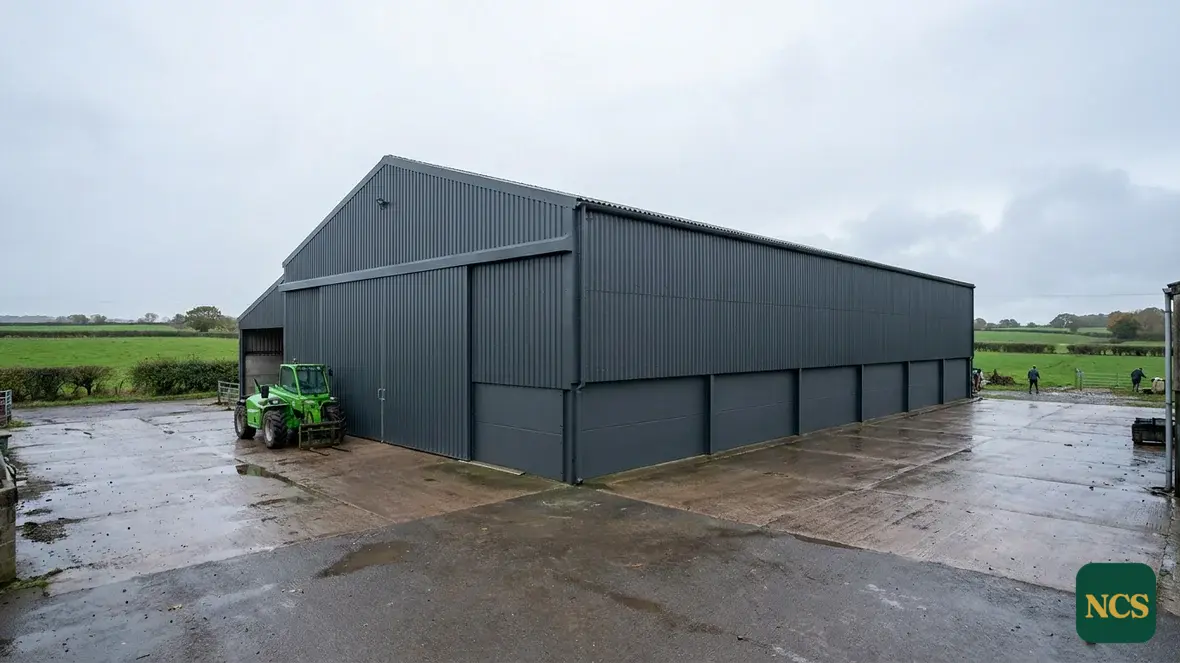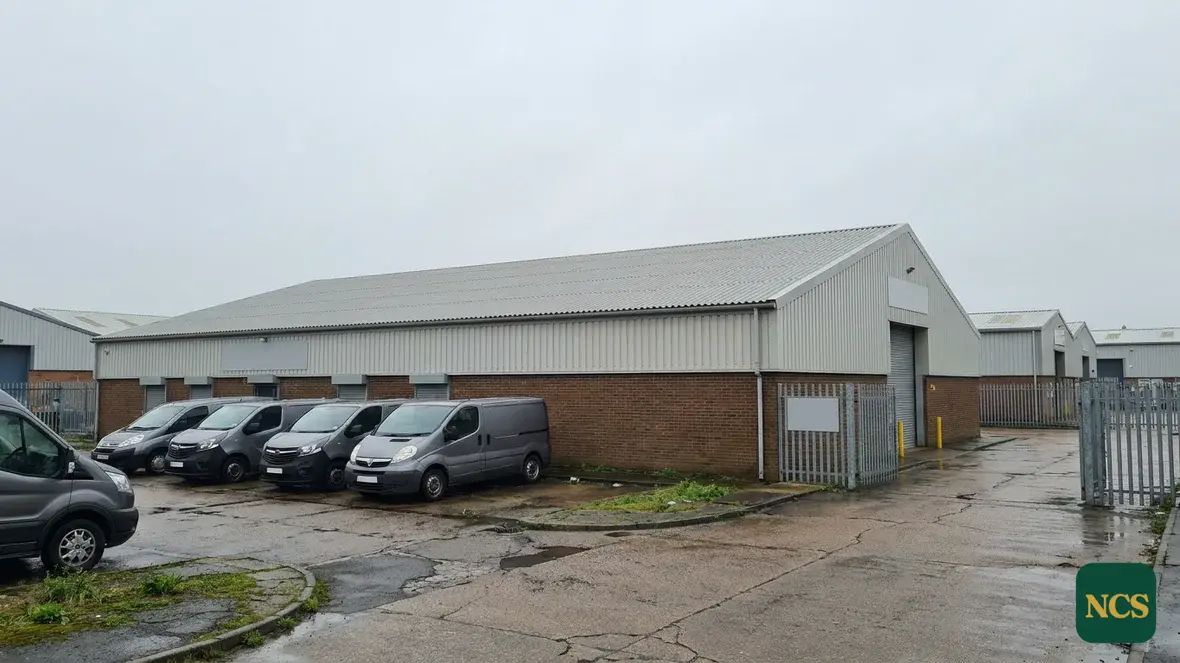
The flat country around Ely is working farmland, and its building stock shows it: grain stores, machinery sheds, livestock buildings, packing sheds and general-purpose barns, a great many of them put up between the 1960s and the 1980s with corrugated asbestos cement roofs. Those roofs have now sat through forty or more Fenland winters, and the owners of the buildings beneath them carry legal duties that are easy to overlook.
Farm buildings are not exempt
The duty to manage asbestos under the Control of Asbestos Regulations 2012 applies to non-domestic premises, and that includes agricultural buildings used for work. If you farm around Ely and your sheds carry asbestos cement roofs, you are the dutyholder: you are required to know where the material is, what condition it is in, and how you are managing the risk. An informal sense that the roof has been fine for forty years does not satisfy the regulations, even if it happens to be true.
Why encapsulation suits working agricultural buildings
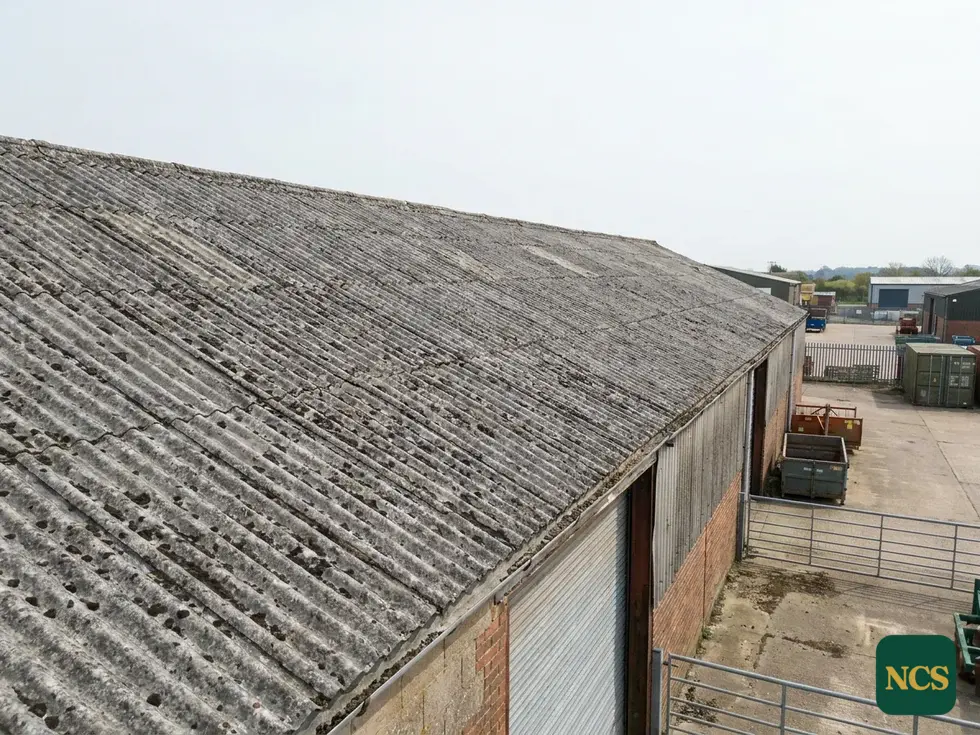
Stripping the roof off a grain store or machinery shed is a serious undertaking: controlled removal, asbestos waste disposal, a new roof system, and a building out of use while it all happens, possibly at exactly the wrong point in the farming year. Where the existing sheets are sound, encapsulation avoids nearly all of that. The roof is cleaned under controlled conditions, fixings and flashings are repaired, and a flexible coating seals the surface, leaving the building watertight and the fibres locked in.
Encapsulation tends to make sense where:
- Sheets are weathered but free of widespread cracks or holes
- The frame and purlins beneath are still sound
- The building has a working future on the holding
- Leaks are minor and traceable rather than chronic
- Works can be scheduled around the building’s use
The honest limits of coating a farm roof
Agricultural buildings are often the hardest cases to call, because they have usually had the least maintenance. Where sheets have gone brittle, where cracks have spread from fixings across whole bays, where the structure has moved or rot has taken hold, a coating will not save the roof, and we will say so rather than sell one. Removal and replacement is sometimes the only responsible answer, and for higher-risk materials such as asbestos insulation board, the work normally requires an HSE-licensed removal contractor.
We would rather lose a job than coat a roof that is already failing. A survey that ends in advice not to encapsulate has still done its job.
Surveying around Ely
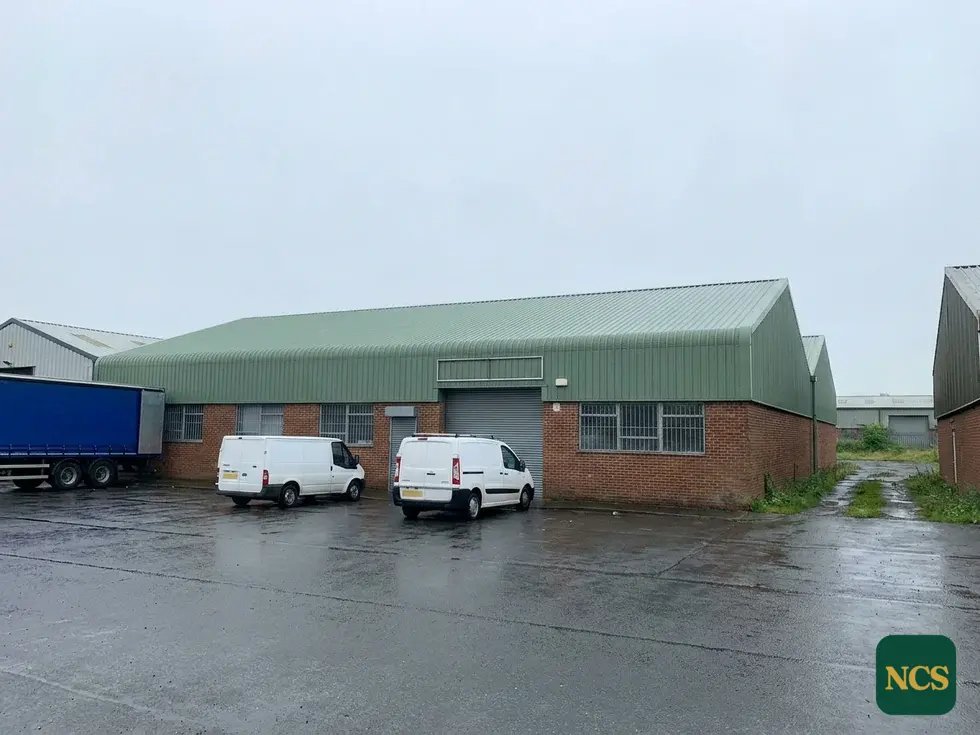
We inspect before we quote, on every building, every time. For farms and rural premises in the Ely area that means looking at the sheets up close, checking fixings, laps and rooflights, examining the structure, and confirming the material is asbestos cement rather than something that needs a different category of contractor. You receive written findings and a plain recommendation.
If the roof is coated, it remains an asbestos roof: it stays on your register, your management duty continues, and periodic re-inspection is sensible. What you gain is a sealed, watertight building that can keep earning its place on the farm for years to come.