Why an honest inspection makes all the difference
The survey is the part of the project that protects you. It converts guesswork into evidence: what the substrate is, how the old finish is behaving, what preparation the building genuinely needs, and whether coating is worth doing at all. Contractors who quote from photographs are pricing their own optimism. For an exposed Fenland building, where weathering runs faster than it reads from ground level, that difference matters more than almost anywhere. If your building in or around Ely is starting to look tired, an honest inspection will tell you exactly where it stands, and what to do about it.
When a new coating isn’t the answer
Some cladding is past coating, and pretending otherwise is expensive. Finishes that are delaminating wholesale, sheets perforated by corrosion, panels that are damaged or distorted, and elevations hiding active leaks all need repair or replacement before anyone opens a spray gun. Coating over problems of that kind buys a tidy appearance for a season and a bigger bill later. A coating cannot improve a panel system’s fire performance either. If that is the question on your building, it needs a fire specialist, not a finish. We will tell you so.
If your Ely unit needs the cladding painted, the survey decides if a respray restores it or the panels are past saving, and you get that answer straight.
Our step-by-step process for exterior coating projects
First, the inspection: adhesion testing of the existing finish, corrosion mapping with particular attention to cut edges and gutter lines, and a check of fixings, sealants and flashings. The findings come to you as a plain written report with a clear recommendation. If the building is a good candidate, preparation follows: washing down, treating corrosion, priming bare metal and masking everything that stays as it is. The coating is then sprayed in even passes and the finished work inspected with you. Access is arranged to suit the site, whether that means towers, booms or a careful route across a working yard. We are based in the South East and work across the UK. Surveys around Ely are commonly grouped with Cambridge, Newmarket, March and Thetford. That’s useful for owners with sites scattered across this corner of East Anglia.
Cladding spraying for buildings in Ely
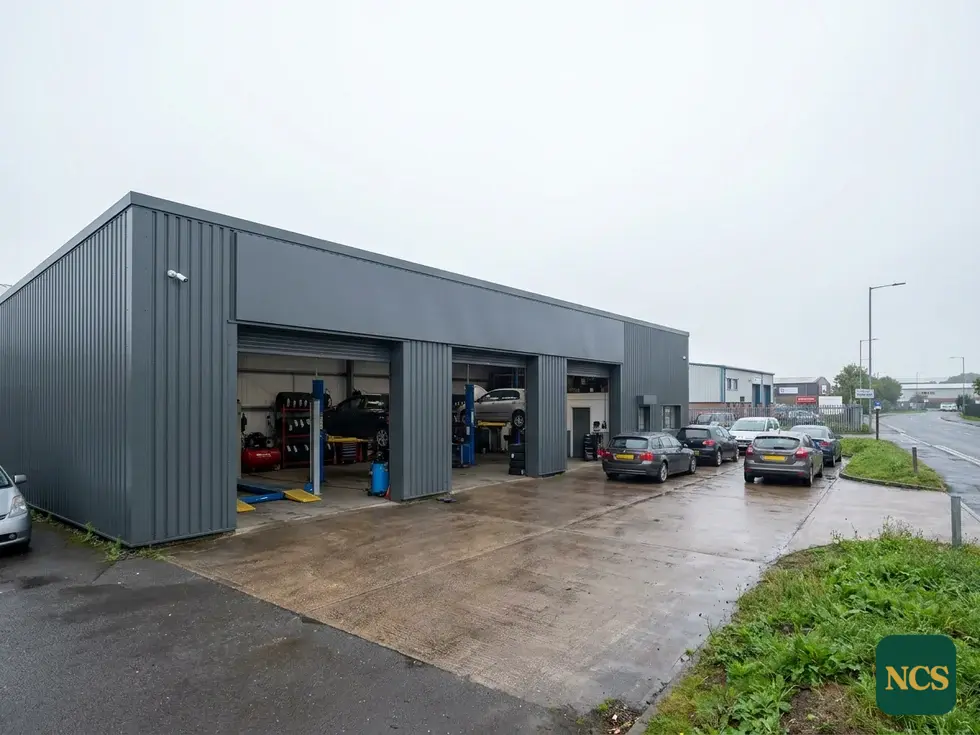
We coat commercial, industrial and agricultural buildings, renewing the colour and the protective finish on cladding that’s weathered but still sound. Our work includes cladding spraying of profiled steel and composite panel, asbestos roof encapsulation, and cut-edge corrosion treatment. We won’t just make the building look better. We’ll protect the envelope and keep the weather out. We work survey-first. On exposed buildings, the gap between looking tired and needing replacement can be narrow, and only an inspection tells you which side of that line your building sits.
Keeping water out of buildings on the Cambridgeshire Fens
The flat, open landscape around Ely leaves buildings vulnerable to wind and driving rain from all directions. This makes robust weatherproofing and effective corrosion protection essential. We pay particular attention to cut edges, which are often the first place rust takes hold, and the integrity of flashings and sealants. Protecting these vulnerable points is key to keeping water out of your building and extending the life of your cladding. It’s about more than just a new colour; it’s about making sure your building stands up to the elements year after year, especially when it faces the prevailing weather across the Fens.
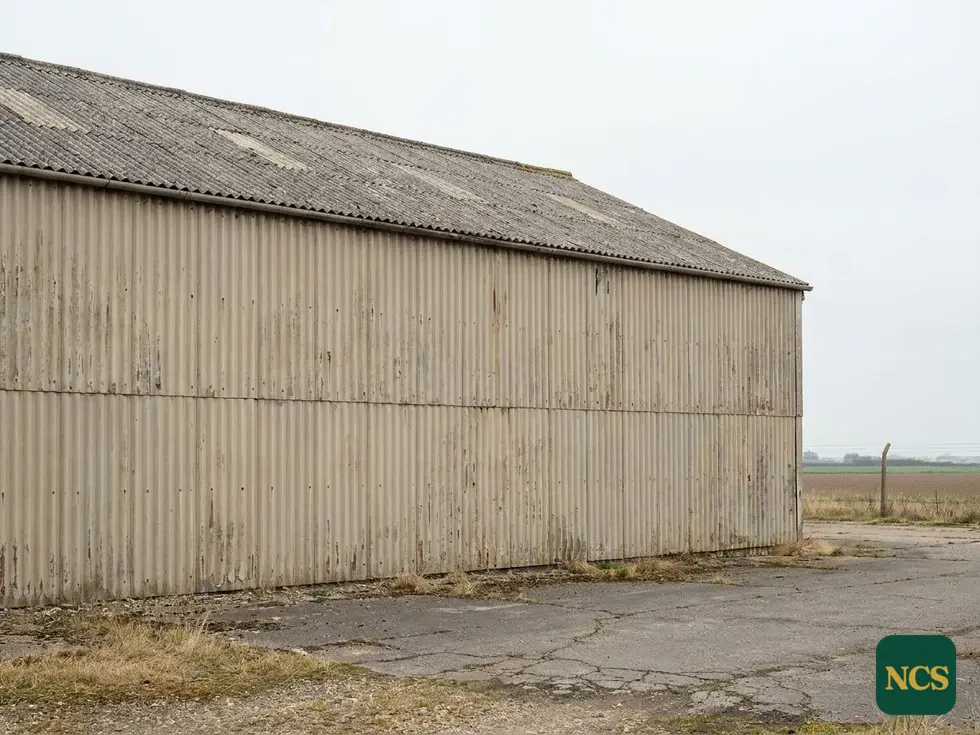
Common building surfaces we re-coat around Ely
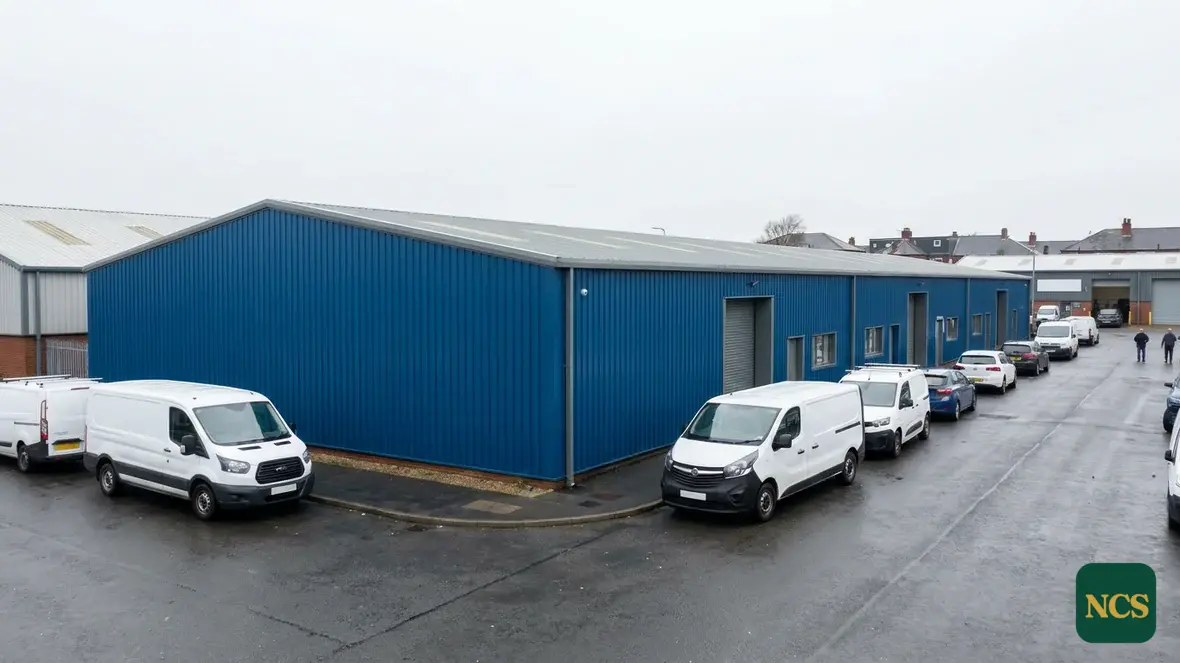
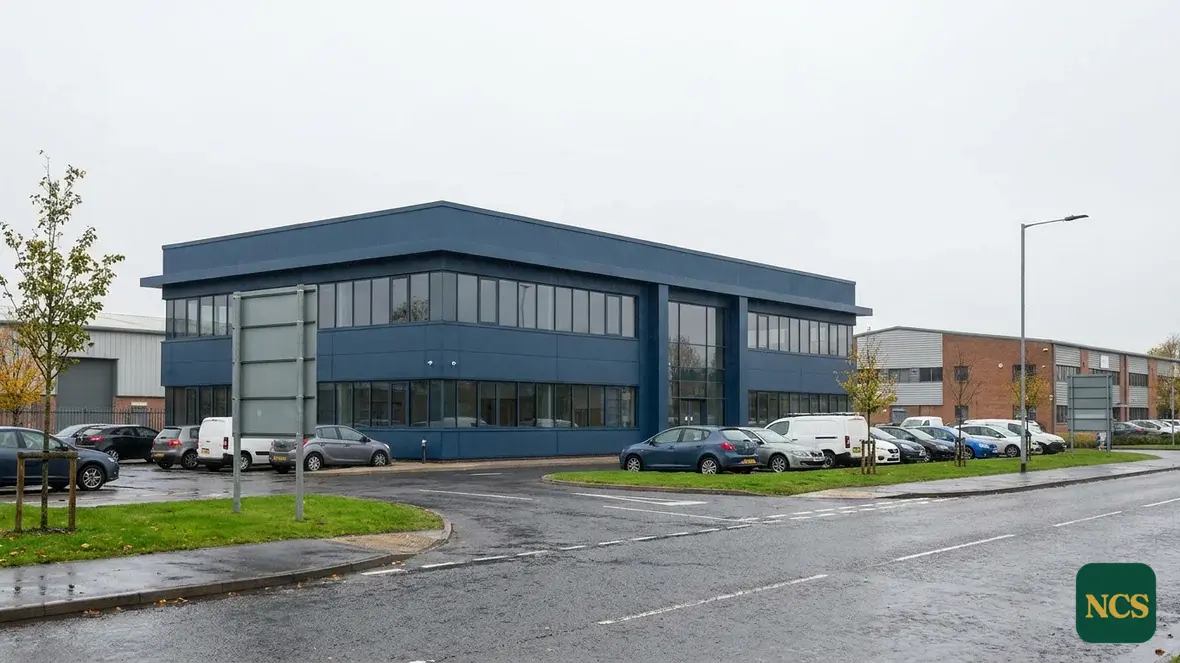
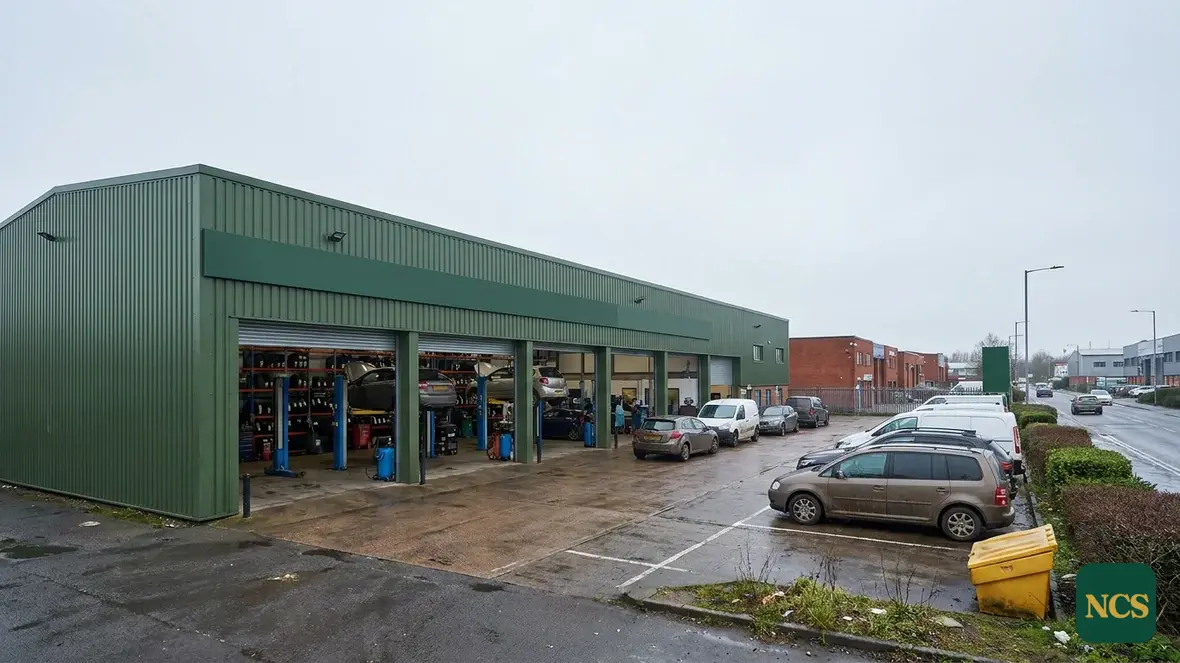
Ely is a small cathedral city with a hard-working hinterland. This corner of Cambridgeshire puts grain stores, packhouses, machinery sheds and produce buildings within a few miles of the centre, alongside light industrial units, trade counters and newer business space on the city’s edge. The surfaces we are most often asked to look at include:
- Profiled steel sheet on agricultural and storage buildings
- Composite panel on newer industrial and office units
- Fascias, soffits and barge boards that streak and fade ahead of the walls
- Roller shutter doors due a refresh or a complete colour change
- Curtain walling and window framing on commercial frontages