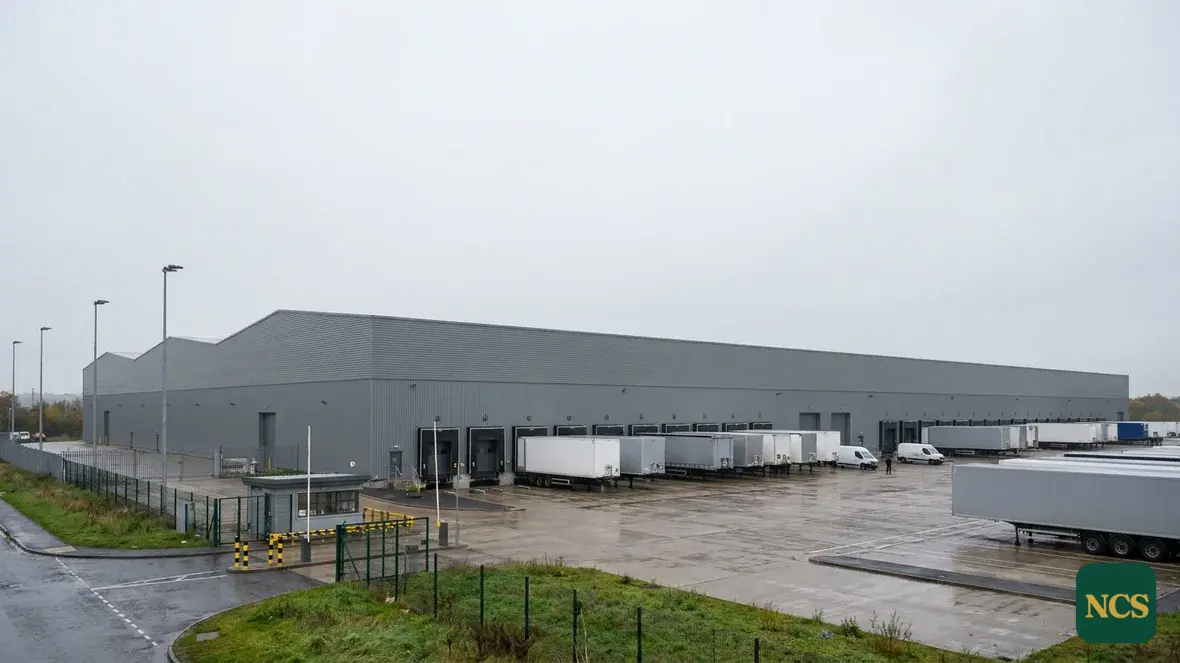
Industrial roof coatings in Ely and the surrounding Fens
Ely’s industrial estate buildings are often steel portal frames with profiled metal roofs, serving the local agricultural, food processing, storage, and distribution businesses. Many of these roofs have been up long enough for the original factory finish to be on its last legs. We survey and coat industrial roofs in Ely and across Cambridgeshire, working with facilities managers and owners to keep those buildings dry without shutting them down.
Fenland exposure: flat land, hard weather
In the Fens, there’s no hiding a roof. The flat landscape means wind-driven rain hits industrial roofs around Ely harder than the rainfall figures suggest, and wind uplift rattles laps and fixings loose over time. We see the same pattern: finishes chalk and fade on the weather side first, sealants fail early at exposed details, and moisture gets into sheet overlaps, starting corrosion from the inside.
A full roof coating system tackles exactly this. It bonds across the whole sheet, seals the laps and fixings that the weather has loosened, and replaces that worn-out factory finish with a continuous weatherproof layer built for these conditions.
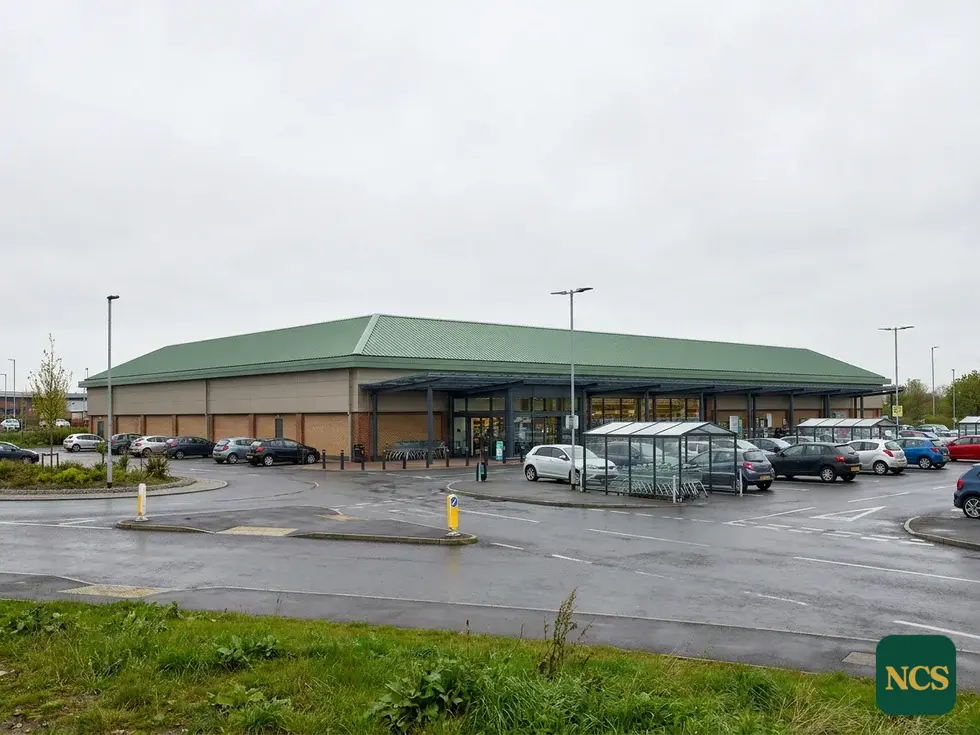
Buildings that cannot stop working
Food, agricultural, and storage businesses have their own rules: strict hygiene, stock that can’t be moved, seasonal peaks when you just can’t stop. Coating work suits these constraints better than almost any other roofing job because we never open the building envelope. No strip-off, no overnight exposure, no debris dropping inside. We programme around your busy times, agree access and vehicle movements with your site team, and sequence the roof in sections so you keep working below. If roof-mounted plant or extraction complicates access, we spot that at the survey stage, not on day one.
An industrial roof repaint around Ely done on a surveyed deck adds real service life. Done blind, it hides the faults until they leak.
Cut-edge corrosion: what to look for from the ground
Cut-edge corrosion is the most common problem we find on profiled metal roofs. It’s rust forming on the unprotected sheet ends at the eaves and laps. You can often see the early signs without leaving the yard:
- Rust staining along the eaves line or above the gutters.
- Paint or coating peeling back in a strip at the sheet ends.
- Red-brown streaks running down from side laps after rain.
- Drips or staining inside the building below lap lines.
- Gutters holding standing water against the sheet edge.
Any of these means you should get the roof surveyed. Catch cut-edge corrosion early, and we treat and seal it as part of a standard coating project. Leave it for years, and it shortens the life of the whole roof.
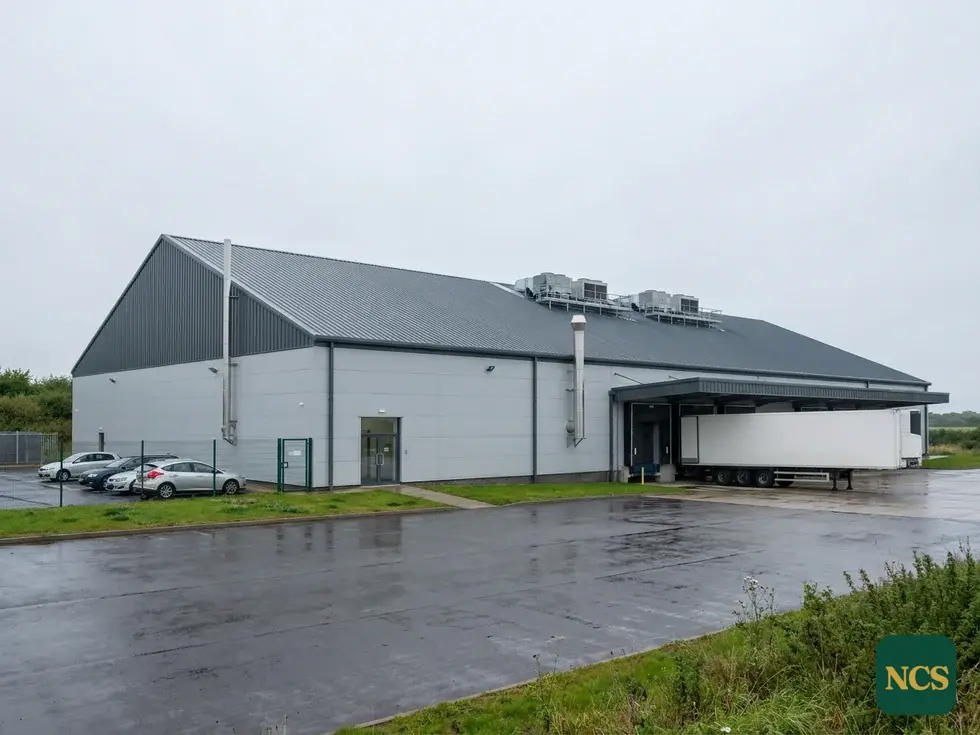
When we will tell you not to coat
Coating is right for a sound roof and wrong for a failed one. Our survey is there to tell the difference honestly. If we find widespread perforation, corrosion that has weakened the sheets or their fixings, or saturated insulation within a built-up roof, we will recommend repair or replacement instead. We’ll explain why, in writing. The same goes for ponding caused by structural deflection; no coating can fix that. We’d rather give an Ely business an unwelcome answer than a coated-over problem.
Most roofs we survey haven’t reached that point. For those, coating adds years of service at a fraction of the replacement cost, and your business keeps trading throughout. The survey is the first step, and the report is yours, whatever you decide to do.