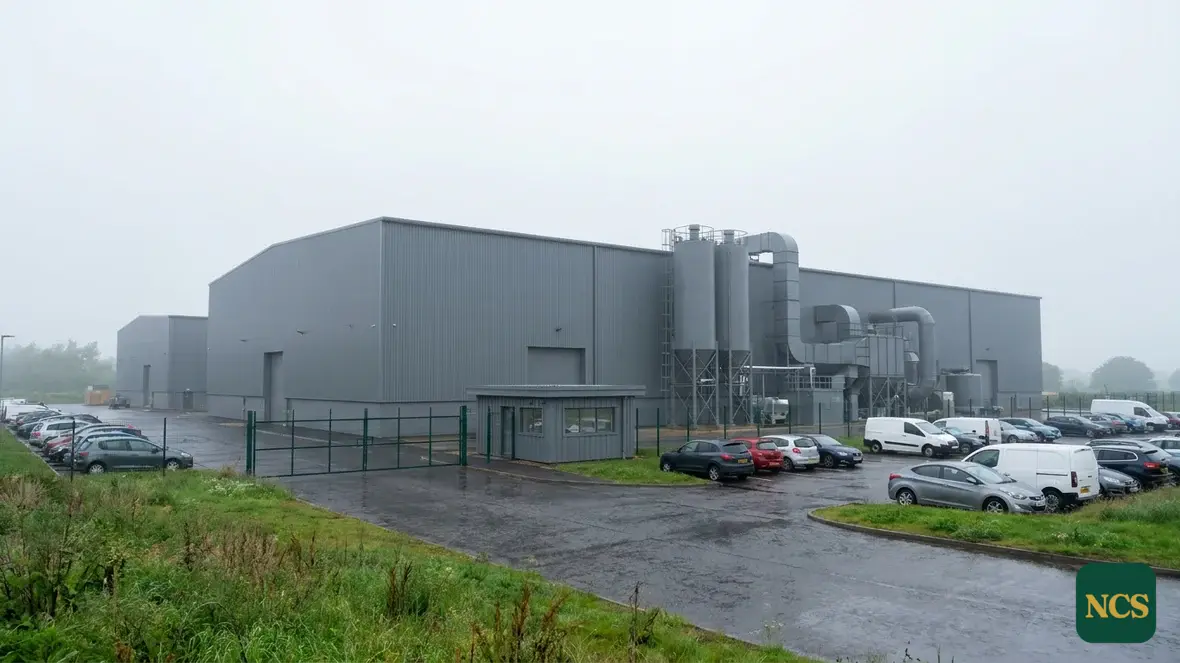
In Ely, the commercial properties we work on face the full force of the Cambridgeshire Fens. With nothing to break the wind between the city and the Wash, driving rain hits roofs horizontally, finding its way into laps, flashings, and fixings that would stay dry elsewhere. This exposure creates a predictable problem: roofs whose core structure remains sound, but whose surfaces, seams, and details have been worn open by years of weather. We address this by applying a liquid membrane, built up over a prepared roof, sealing everything into one continuous waterproof layer. It’s a way to make existing sheets serve on, keeping your building in use with far less disruption than re-sheeting or full replacement.
Whether your roof is a candidate for this is a question of its condition, never a price given over the phone. Some owners in Ely ask for a roof respray, others for roof painting or coating. The survey, not the wording, decides the right system.
Commercial buildings needing attention around Ely
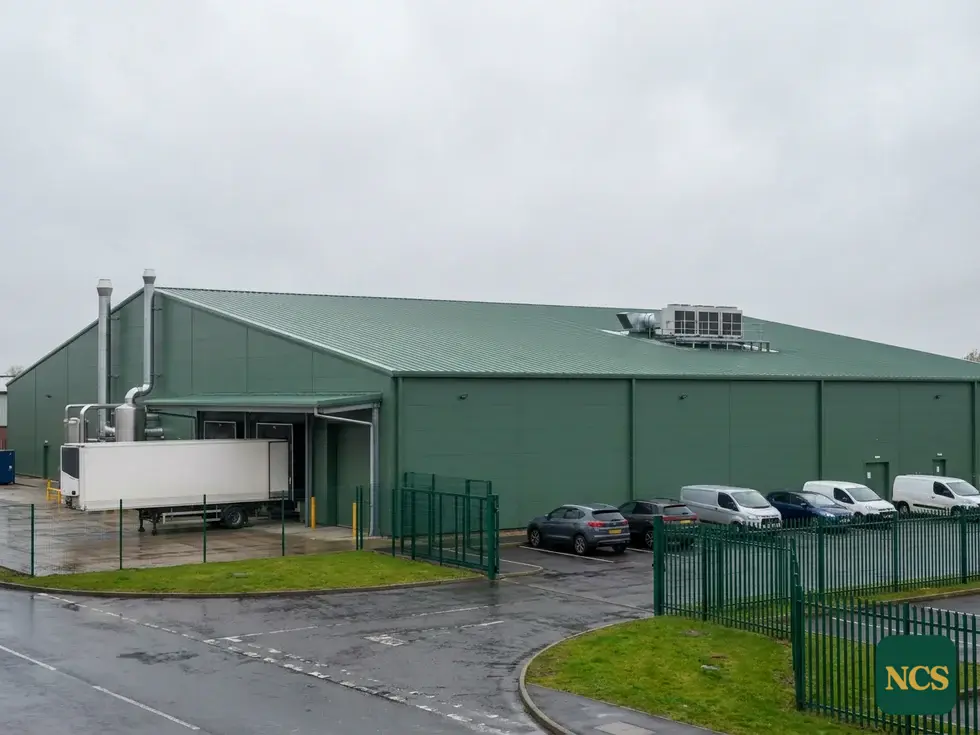
The commercial properties we see in Cambridgeshire, especially around Ely, are shaped by the land and its logistics. We work on grain stores, packhouses, machinery sheds, and food-handling units scattered across the fen, often with profiled metal or fibre-cement roofs. Many of these are large spans where a leak isn’t just an inconvenience; it’s a serious operational problem. Closer to the city, we find portal-frame units and trade premises, while older buildings can carry felt or asphalt flat roofs of varying ages and histories.
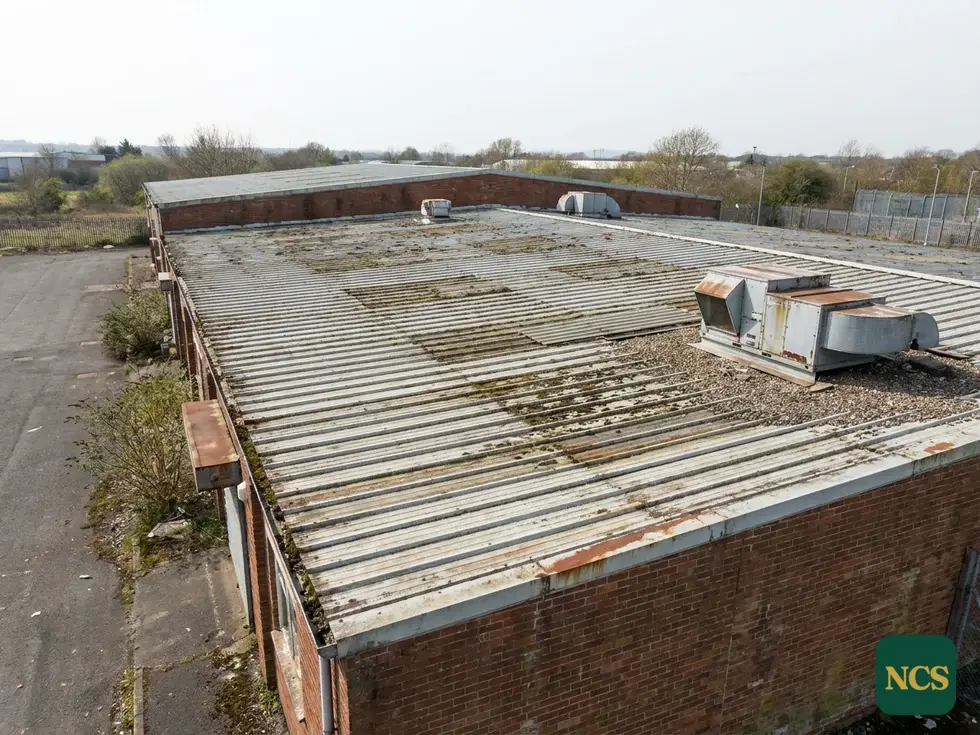
On these exposed sites, we know where to look for failure points: cut-edge corrosion where wind-driven rain sits on sheet ends, loosened fixings worked by constant wind load, and laps that have opened just enough to let capillary action do its worst. All of these are fixable if caught before the deck itself suffers, allowing you to avoid the cost and downtime of full replacement.
When we will not recommend roof coating work
A coating seals whatever is underneath it, good or bad, so our assessment has to be honest. We will always advise against coating where insulation in the roof build-up is already wet, where sheets or decking have corroded or rotted through, where fixings have failed across large areas, or where ponding comes from structural movement that surface work cannot correct. Brittle, aged fibre cement can also be unsafe to prepare and coat. In every such case, our survey report recommends repair or replacement instead and explains why. That candour costs us some jobs, but it saves our customers from much worse.
Why a considered approach suits fenland properties
Exposed sites, particularly here in the Fens, punish shortcuts. A coating applied over unprepared corrosion, or in marginal weather, or using a system never meant for that substrate, will be found out by the first hard winter. Our survey-led approach exists to remove each of those risks before they are built into the roof: the survey finds the true condition, the specification matches the system to the substrate, and the preparation gives the membrane something sound to bond to. For Ely businesses with stock, produce, or plant under big roofs, it’s the difference between making sound existing sheets serve on and just buying a cheap paint job.
How we conduct the roof survey and follow-on process
Our sequence is fixed because it works. It’s how we ensure coating is a viable alternative to replacement. First, a physical roof inspection covering substrate, seams, fixings, rooflights, drainage, and internal moisture. Second, a written report with photographs and a clear recommendation. Third, if a coating is right, a specification naming the system, preparation, and detailing, followed by the work itself, programmed around your operation to minimise disruption.
- We provide a survey and photographic report before any price.
- We do moisture and substrate checks, not assumptions.
- Preparation is completed before application begins.
- Application is to the manufacturer’s specification.
- We carry out inspection and documentation at completion.
From Ely we cover the surrounding area comfortably, including Cambridge, Newmarket, March, and Thetford. A business with sites scattered across the fen edge can have them all assessed under one programme.
Understanding commercial roof coating in Ely
The Fens leave Ely’s commercial buildings exposed. Without a contour between the city and the Wash, the wind crosses the open fen at full strength, driving rain horizontally into roof laps, flashings, and fixings that would stay dry in more sheltered country. Commercial roof coating in Ely answers the problem that exposure creates: roofs whose structure remains sound but whose surface, seams, and details have been worn open by years of weather. We put a liquid-applied membrane, built up over a prepared roof, sealing everything into one continuous waterproof layer at a fraction of the cost of replacement.
Whether your roof is a candidate is a question of condition, not age. We establish that condition by survey, never by a price over the phone.
Some Ely owners ask for a roof respray, others for roof painting or coating. The survey, not the wording, decides the right system.