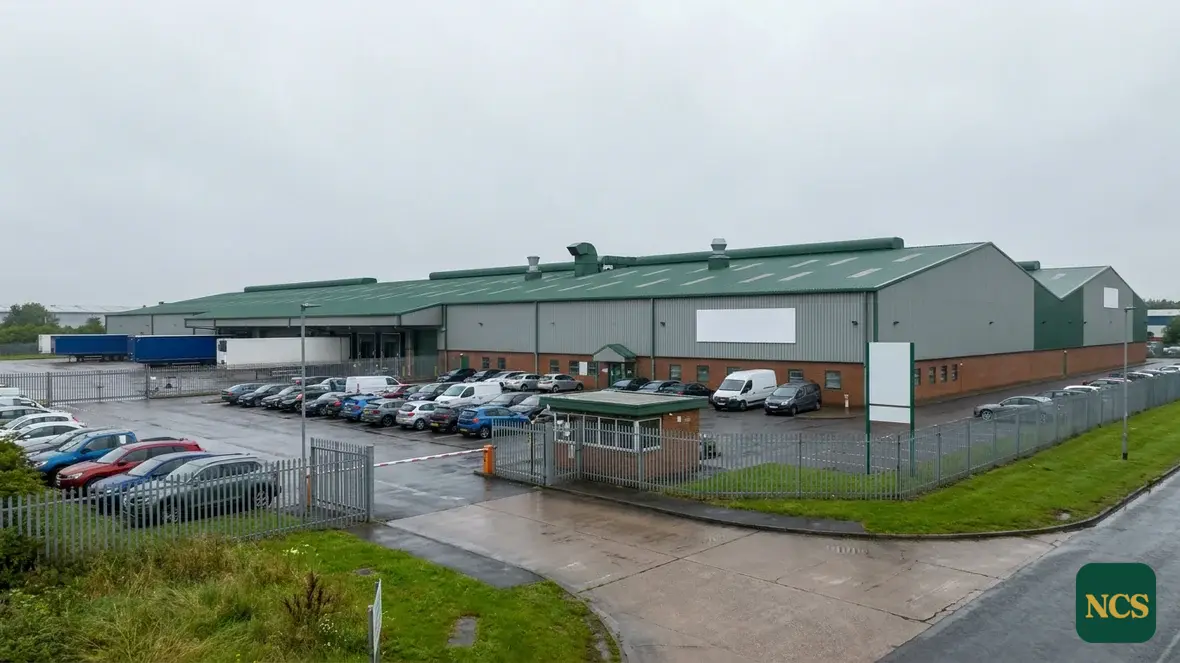
Cut edge corrosion on fen-edge farm buildings
Walk around the flat country near Ely and you’ll see plenty of profiled steel roofing: big grain stores, machinery sheds, livestock buildings, and the small industrial units that keep it all running. Every one of them shares the same manufacturing shortcut. Steel sheets are cut to length, and that cut leaves the core of the sheet bare at every end and overlap. The coating that protects the face was never applied to the edge, so that’s exactly where rust starts.
You’ll first spot cut edge corrosion as rusty staining along the eaves and laps. But underneath, it’s already lifting the factory coating from the steel and working its way up the sheet.
Fenland conditions give it everything it needs
There isn’t much shelter out on the fens. Wind-driven rain hits roofs in this part of Cambridgeshire from every direction. The laps between sheets just pull that water in by capillary action and hold it tight against the bare steel. Agricultural buildings add another layer to the problem: condensation. A grain store or livestock shed pushes moisture up from below, so the underside of the sheet ends can corrode at the same time as the top. You won’t see that until the damage is well and truly advanced.
Once the factory coating starts to peel back from a rusting edge, the spread just accelerates. The lifted coating traps even more water, exposes more steel, and each winter pushes that corrosion front further and further from the edge.
We carry out cut edge repairs across Ely and the surrounding area, treating the bare steel before any coating goes near it.
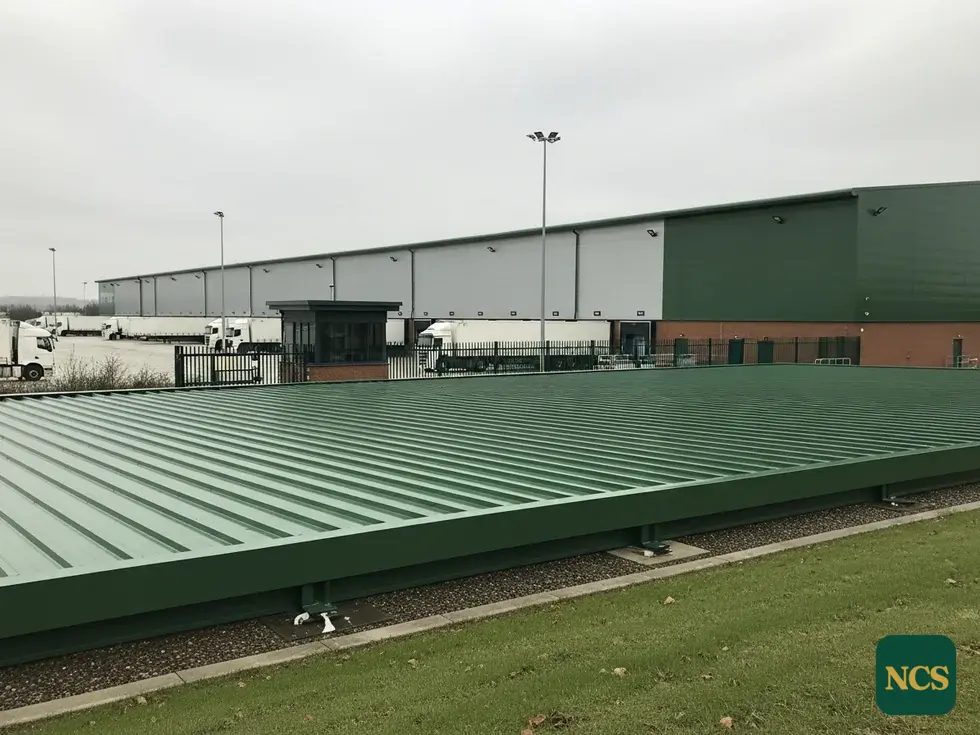
Why early treatment is the better trade
Catch it early, and this is a contained repair. We clean the corroded edges right back to sound metal, prime them, seal the laps, and finish with a flexible coating band over that vulnerable zone. The building stays in use while we do the work, and for a farm business, that matters. Nobody wants a roofing project in the middle of harvest storage.
Ignore it, and the steel just keeps thinning until it perforates. A holed roof over stored grain, feed, machinery, or livestock is a real cost. At that stage, coating isn’t even an option anymore: the sheet has to be replaced. The whole point of early treatment is that it keeps you on the cheap side of that line.
The honest limits of treatment
We survey every job before we recommend anything. Sometimes, that survey rules coating out entirely. Perforated sheets, heavy metal loss at the laps, or corrosion on the underside that we can’t reach all mean a treatment would fail. We’ll tell you that straight rather than selling you something that won’t last. The realistic options then are replacing the worst sheets and treating the rest, or an overlay or re-sheet if the whole roof is beyond piecemeal repair. Either way, you get the photographs and the reasoning, so the decision is made on hard evidence.
One edge problem, two possible jobs
The survey answers two key questions: how far has that edge corrosion travelled, and how much life is left in the rest of the roof’s coating? The answers decide the job.
- Edges failing, sheet faces sound: that’s a localised cut edge treatment.
- Edges failing, coating chalking and brittle: we’re looking at a full roof coating with the edge treatment built in.
- Individual sheets perforated: replacement first, then treatment around them.
- Widespread perforation or deeper defects: an overlay or re-sheet, and we’ll advise you honestly on that.
We’re based in the South-East and work across the UK, so a barn outside Ely or a unit on the edge of the city is well within our range. If you can see rust at your sheet ends, the sensible move is to get a survey done before another winter really gets at it.