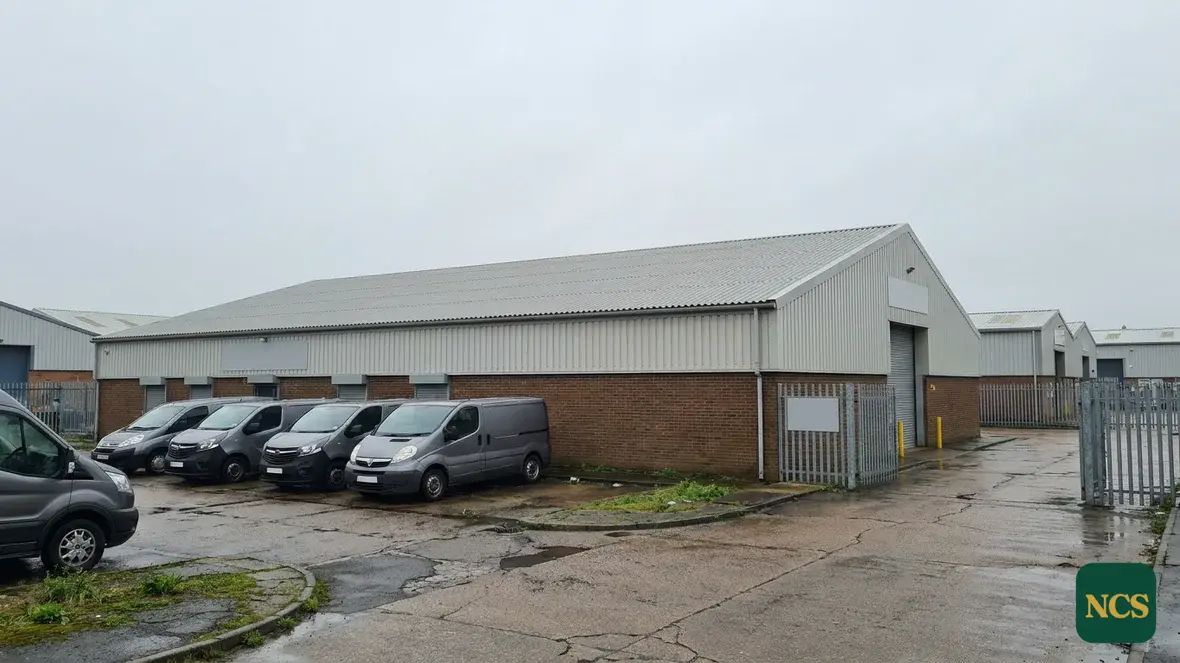










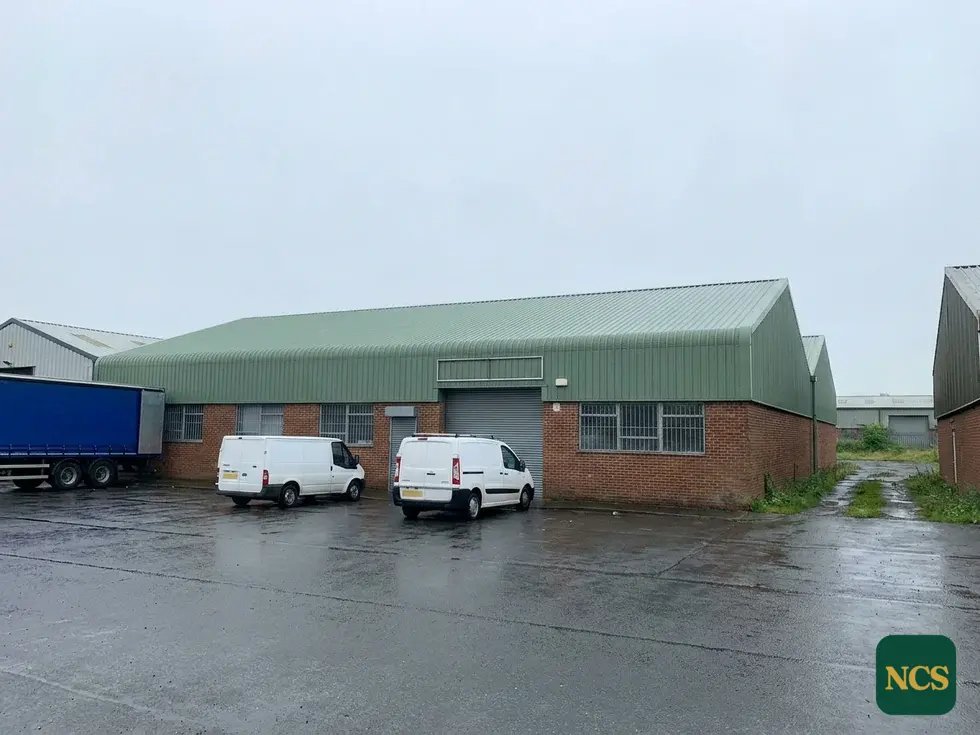
Asbestos cement roofs across London’s outer estates and workshops
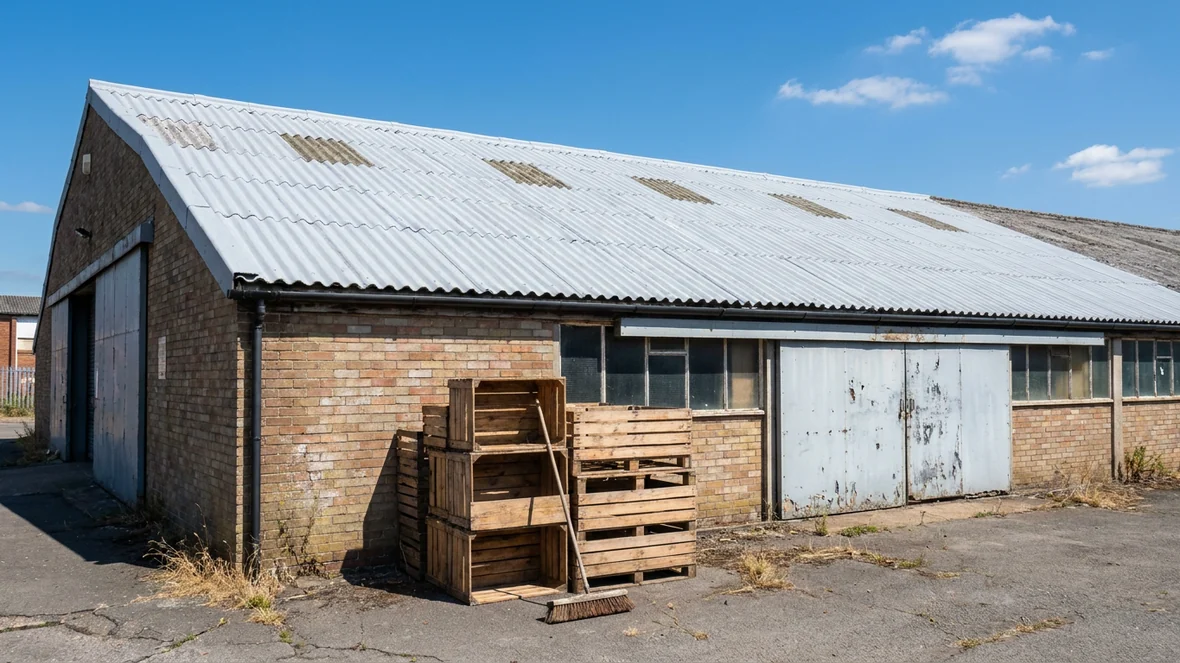
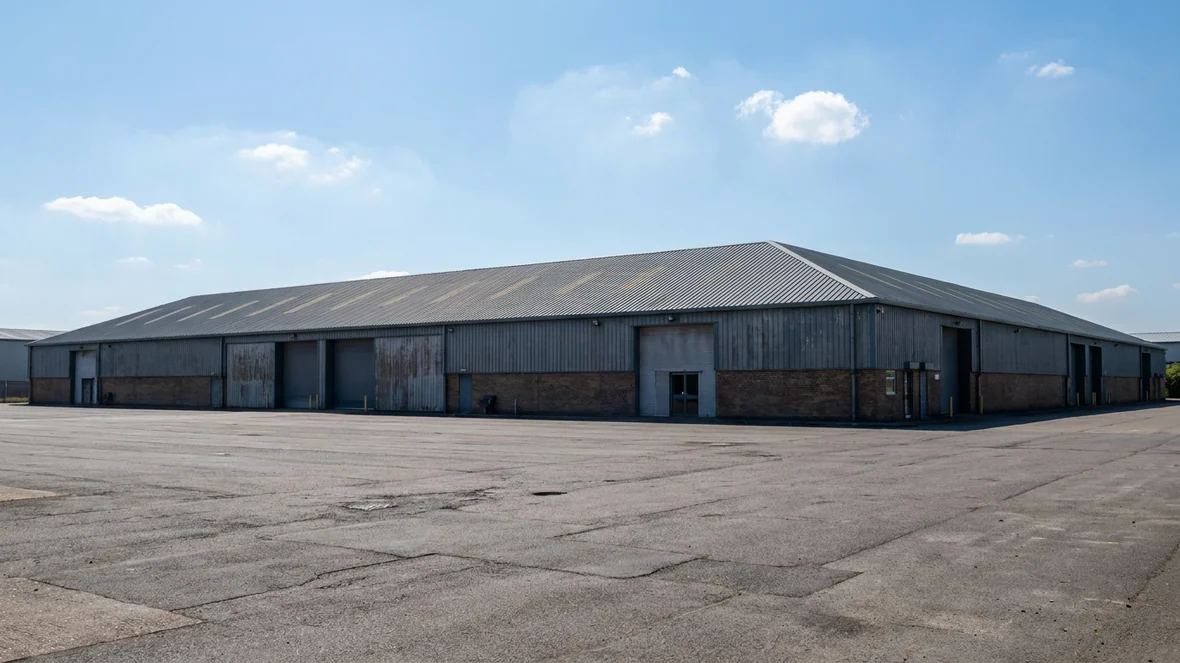
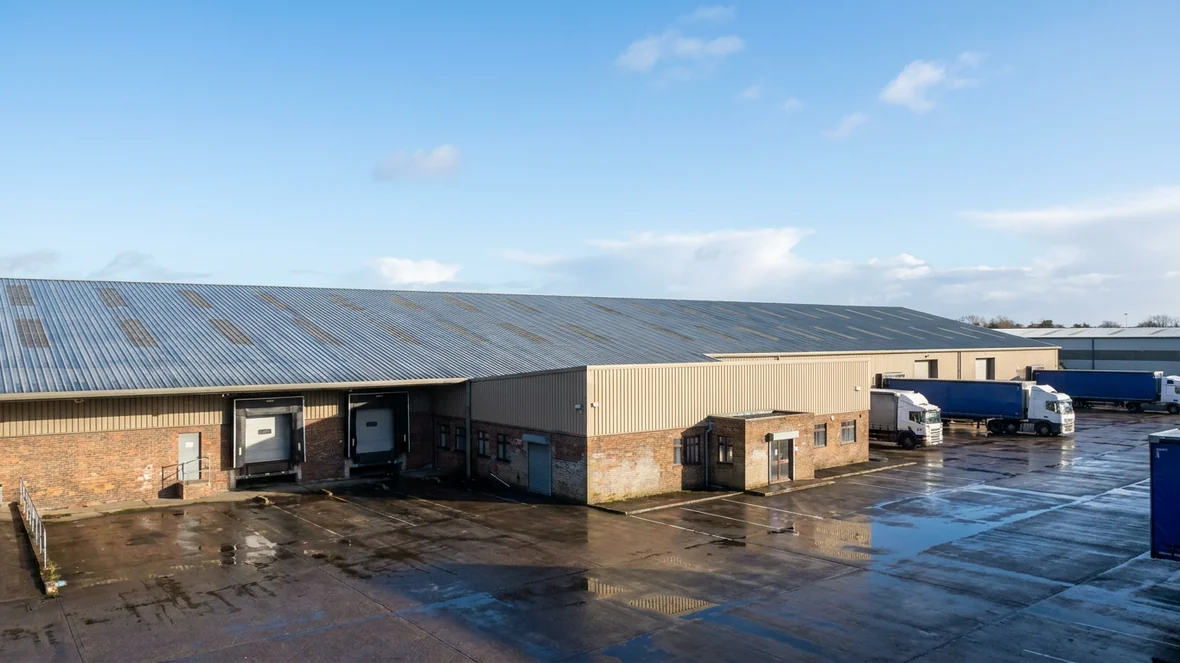
London’s asbestos cement roofing is easy to miss until you are responsible for some of it. Garage blocks on post-war housing estates, workshop and storage units on industrial estates across the outer boroughs, depot buildings and lock-ups built between the 1950s and the 1980s: a large slice of the capital’s workaday stock was roofed in profiled cement sheet during the decades before the 1999 asbestos ban. For freeholders, landlords and managing agents, each of those roofs carries a legal duty, and a decision about what to do with it. Multiply one garage block by a borough’s worth of estates and the management question becomes a portfolio question, which is how we suggest treating it.
The duty to manage in practice
The duty to manage under Regulation 4 of the Control of Asbestos Regulations 2012 applies to non-domestic premises and to the common parts of residential buildings, which is exactly why estate garage blocks and shared outbuildings fall within it. Duty holders must take reasonable steps to identify asbestos-containing materials, assess their condition, and keep a written plan for managing them. The regulations do not require removal of material in good condition; HSE guidance recognises that sound asbestos cement is often better managed in place than disturbed. What the duty does require is a decision, made on evidence and recorded properly.
Why encapsulation often makes sense in London
Stripping an asbestos cement roof in London means access equipment in tight spaces, waste consignments moving through city streets, and buildings or garage blocks out of use for the duration. Where a survey confirms the sheets are sound, encapsulation avoids most of that. The roof is cleaned using controlled methods, minor damage and fixings are made good, and a specialist elastomeric coating seals the surface.
- Typically a lower cost than stripping and re-sheeting
- No asbestos waste stream leaving the site
- Buildings and garages stay in use during the works
- The sealed surface reduces weathering and fibre release
- A documented management action for your asbestos plan
None of this removes the need for ongoing inspection; an encapsulated roof still belongs in the management plan and should be re-checked periodically like any other asbestos-containing material left in place.
When encapsulation is not appropriate
We are equally clear about the other side of the ledger. Encapsulation is unsuitable where sheets are extensively cracked, holed or crumbling, where the material is asbestos insulation board rather than cement, where fire or impact damage has compromised the roof, or where the structure beneath cannot safely take the work. It is also poor value on buildings scheduled for demolition. In all of those cases the honest recommendation is removal, by a licensed asbestos removal contractor where the material requires it, and that is the recommendation our survey report will make. Coating over a failing roof does not discharge anyone’s duty to manage; it conceals the very condition the law expects you to monitor.
Survey-led, across every borough
National Coating Specialists is based in the South East, which puts London within easy reach, and we carry out asbestos roof encapsulation across England. Every London enquiry follows the same survey-led sequence: inspect, report, and coat only where condition justifies it. If you manage estates, depots or industrial units with cement fibre roofs from the post-war decades, a condition survey across the portfolio is a practical first step, and it will tell you which roofs can be sealed and which genuinely need to go.